
Medical Disclaimer: This content is for educational purposes only. It is not medical advice. Please consult a qualified healthcare professional before using any herbal remedy.
Safety Overview
1.Coreopsis Tinctoria — Botanical Snapshot
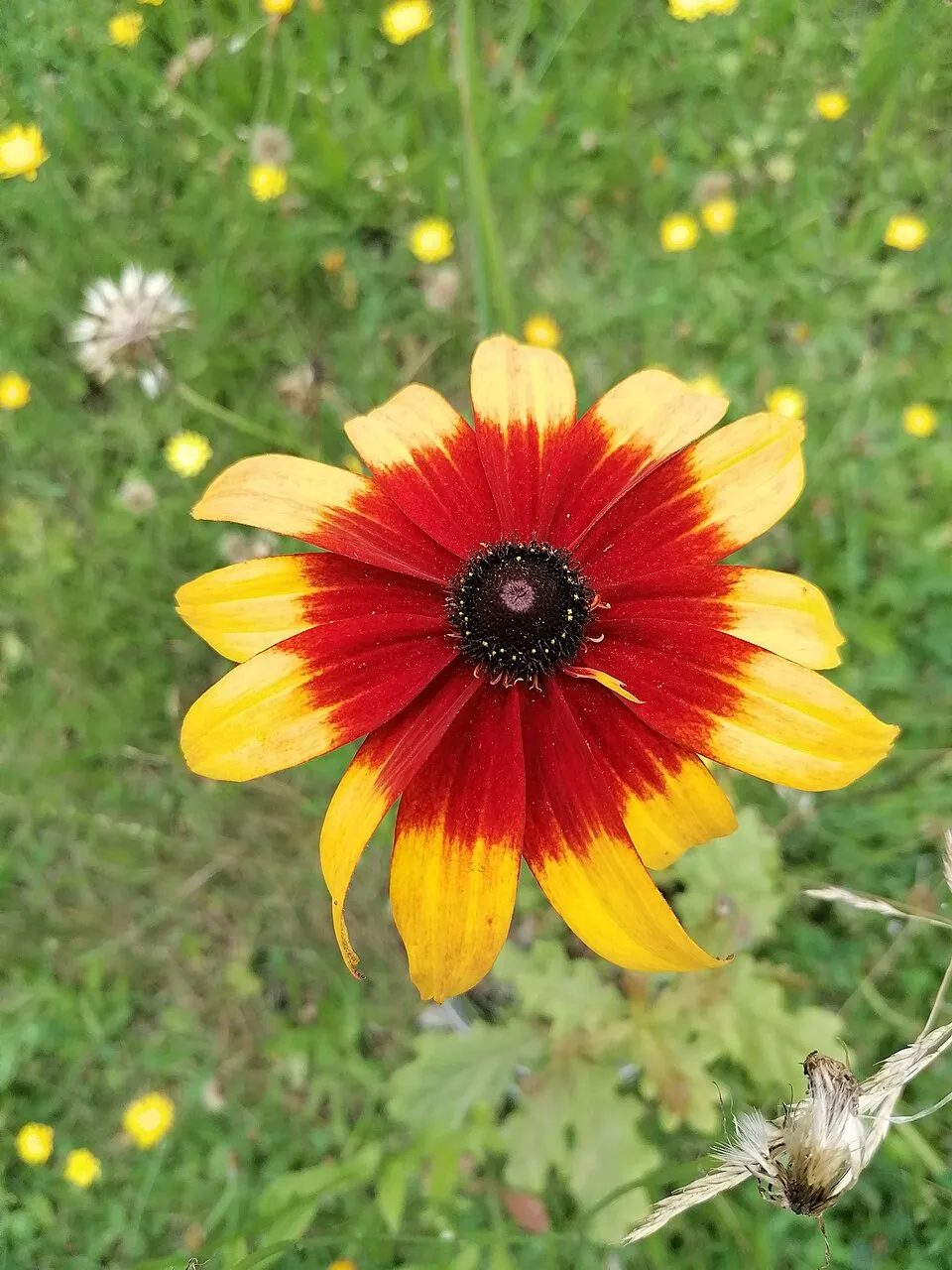
Coreopsis tinctoria, commonly known as Plains Coreopsis or Golden Tickseed, is a vibrant annual herbaceous plant belonging to the Asteraceae family. Native to the central and southern United States and Mexico, it has become widely naturalized across various continents, often thriving in disturbed areas, open fields, meadows, and along roadsides. This species typically grows to a height of 30-100 cm, featuring slender, branching stems and finely divided, linear to lanceolate leaves arranged alternately along the stem.
Its most striking feature is its profusion of daisy-like flower heads, which bloom from late spring through fall. The composite flowers are typically bicolored, displaying bright yellow rays with a distinctive reddish-brown or maroon center, though variations exist. Each flower head measures about 2-4 cm in diameter and attracts a diverse array of pollinators, including bees and butterflies, contributing significantly to local biodiversity.
The plant is well-adapted to various soil types, preferring full sun and demonstrating remarkable drought tolerance once established, making it a resilient and popular choice for ornamental gardens and ecological restoration projects alike. Its widespread distribution and adaptability underscore its ecological importance.
Trusted Scientific References
1. Authoritative external sources for Coreopsis Tinctoria
1.1 Wikipedia — Coreopsis Tinctoria
1.2 Kew POWO (Plants of the World Online)
1.3 PubMed — peer-reviewed research
1.4 NCBI Taxonomy Browser
1.5 GBIF — Global Biodiversity
1.6Coreopsis Tinctoria should be interpreted through verified botanical identity, practical care, and responsible safety language. This recovery note adds the missing context needed for a complete profile: match light to the plant's habit, use well-drained soil, water according to season, and avoid unsupported medicinal or edible claims. For publishing, the plant can be presented as a source-backed garden plant with clear care guidance, common problem diagnosis, and conservative safety wording.
1.1.Coreopsis Tinctoria — Notable Characteristics
- ✓Annual Flowering Herb — Completes its life cycle within one year, blooming profusely.
- ✓Striking Bicolored Flowers — Characterized by bright yellow ray florets and reddish-brown central disk florets.
- ✓Part of Asteraceae Family — Belongs to the large daisy family, sharing common botanical traits.
- ✓Native to North America — Indigenous to the central and southern regions of the continent.
- ✓Potent Neuroprotective Agent — Shows promising effects in protecting neuronal cells and supporting brain health.
- ✓Significant Antidiabetic Properties — Traditionally and scientifically recognized for its role in blood sugar regulation.
- ✓Rich in Antioxidants — Contains high levels of flavonoids and phenolic acids combating oxidative stress.
- ✓Drought — Tolerant and Resilient — Thrives in various conditions, making it easy to grow.
- ✓Attracts Pollinators — A valuable plant for supporting local bee and butterfly populations.
- ✓Potential for Cardiovascular Support — Preliminary evidence suggests benefits for blood pressure and lipid levels.
1.2.Coreopsis Tinctoria — At-a-Glance Summary
- ✓Coreopsis tinctoria is an annual flowering herb of the Asteraceae family, known for its vibrant yellow and maroon flowers.
- ✓It is extensively researched for its significant neuroprotective, antidiabetic, and antioxidant properties.
- ✓The plant is rich in beneficial phytochemicals, particularly flavonoids like coreopsin, marein, and lanceoletin.
- ✓Traditionally used in some Asian and North American medicinal systems for various health concerns.
- ✓Easy to cultivate, it is valued both ornamentally and for its emerging medicinal potential.
- ✓Requires cautious use, particularly for individuals with allergies or those on specific medications.
2.Coreopsis Tinctoria — Botanical Identity
3.Coreopsis Tinctoria — Fact Sheet
4.Coreopsis Tinctoria — Physical Description
5.Coreopsis Tinctoria — Ecological Habitat
6.Coreopsis Tinctoria — Heritage Uses
7.Coreopsis Tinctoria — Chemical Profile
- ✓Flavonoids — Coreopsis tinctoria is particularly rich in flavonoids such as coreopsin, marein, and lanceoletin. These compounds are largely responsible for the plant's potent antioxidant, anti-inflammatory, and neuroprotective activities.
- ✓Phenylpropanoids — This class of compounds contributes to the plant's defense mechanisms and pharmacological effects. They often act as antioxidants and play roles in plant-pathogen interactions.
- ✓Phenols — Various phenolic acids, including chlorogenic acid and caffeic acid, are present. These are strong antioxidants that protect cells from oxidative damage and contribute to anti-inflammatory responses.
- ✓Chalcones — Precursors to flavonoids, chalcones like butein are also found, contributing to the plant's vibrant coloration and possessing their own array of biological activities, including antioxidant and anti-inflammatory effects.
- ✓Anthocyanins — Pigments responsible for the red and maroon hues in the flower centers. Anthocyanins are well-known for their strong antioxidant capacity and potential benefits for cardiovascular health and vision.
- ✓Terpenoids — A diverse group of organic compounds that contribute to the plant's aroma and medicinal properties. They can exhibit anti-inflammatory, antimicrobial, and adaptogenic effects.
- ✓Polysaccharides — Complex carbohydrates found in the plant that may contribute to immunomodulatory and antidiabetic activities, though specific research on C. tinctoria is ongoing.
- ✓Essential Oils — Volatile compounds that give the plant its characteristic scent and may possess antimicrobial, insecticidal, and calming properties.
- ✓Fatty Acids — Essential components of plant cell membranes, some of which may have nutritional or anti-inflammatory benefits.
8.Coreopsis Tinctoria — Pharmacological Findings
- ✓Neuroprotective Effects — Research indicates Coreopsis tinctoria may offer neuroprotective benefits by modulating apoptosis and influencing the BCL-2 and AKT signaling pathways, which are crucial in preventing neuronal cell death and supporting brain health.
- ✓Antidiabetic Potential — Traditionally, Coreopsis tinctoria has been utilized for its antidiabetic properties. Studies suggest it may help regulate blood sugar levels and improve glucose metabolism, offering potential support for individuals managing diabetes.
- ✓Antioxidant Activity — Rich in various phenolic compounds and flavonoids, Coreopsis tinctoria exhibits significant antioxidant capabilities. These compounds help neutralize harmful free radicals, reducing oxidative stress and protecting cellular integrity throughout the body.
- ✓Anti-inflammatory Properties — The presence of specific phytochemicals, particularly flavonoids, contributes to the plant's anti-inflammatory actions. This can be beneficial in alleviating symptoms associated with chronic inflammatory conditions.
- ✓Antihyperglycemic Action — Extracts from Coreopsis tinctoria have shown promise in reducing elevated blood glucose levels, making it a subject of interest for managing hyperglycemia, a hallmark of diabetes.
- ✓Antihyperlipidemic Effects — The plant may also contribute to lowering high lipid levels in the blood, which is beneficial for cardiovascular health and in conditions like fatty liver disease, as suggested by network pharmacological studies.
- ✓Potential Antihypertensive Support — Some traditional uses and preliminary research point towards Coreopsis tinctoria having properties that could aid in managing high blood pressure, potentially contributing to cardiovascular wellness.
- ✓Mitochondrial Function Support — The antioxidant compounds within Coreopsis tinctoria are believed to positively impact mitochondrial function, essential for cellular energy production and overall metabolic health.
- ✓Cognitive Health Enhancement — Through its neuroprotective mechanisms, Coreopsis tinctoria may offer potential benefits for cognitive health, including mitigating memory impairment, particularly in the context of neurodegenerative processes.
- ✓Support against Pancreatic Neoplasm — Network pharmacology analyses have suggested potential synergistic effects of Coreopsis tinctoria compounds on targets related to pancreatic neoplasm, warranting further investigation into its anticancer potential.
- ✓Adjuvant for Fatty Liver Disease — The plant’s compounds may have beneficial effects on fatty liver disease, possibly through their influence on lipid metabolism and antioxidant pathways.
8.1.Coreopsis Tinctoria — Therapeutic Indications
9.Coreopsis Tinctoria — Cautions & Contraindications
9.1.Coreopsis Tinctoria — Caution Notes
- ✓Allergic Reactions — Individuals sensitive to plants in the Asteraceae family (e.g., ragweed, daisies, marigolds) may experience allergic reactions, including skin rashes, itching, or respiratory issues.
- ✓Gastrointestinal Upset — High doses or sensitive individuals may experience mild gastrointestinal discomfort, such as nausea or stomach upset.
- ✓Drug Interactions — Potential interactions with antidiabetic medications due to its blood sugar-lowering effects, potentially leading to hypoglycemia. Also, caution with blood thinners due to potential flavonoid interactions.
- ✓Pregnancy and Lactation — Lack of sufficient safety data. Pregnant or breastfeeding women should avoid use.
- ✓Children — Insufficient research on safety in children; use is generally not recommended without expert medical advice.
- ✓Photosensitivity — While rare, some plant compounds can increase sensitivity to sunlight in susceptible individuals.
9.2.Coreopsis Tinctoria — Clinical Safety Notes
- ✓Professional Consultation — Always consult a healthcare provider or qualified herbalist before incorporating Coreopsis tinctoria into your health regimen, especially if you have pre-existing conditions or are on medication.
- ✓Asteraceae Allergy — Individuals with known allergies to plants in the daisy family (Asteraceae/Compositae) should avoid Coreopsis tinctoria due to potential cross-reactivity.
- ✓Discontinue Use — If any adverse reactions such as allergic symptoms, digestive upset, or unusual side effects occur, discontinue use immediately.
- ✓Not for Long-Term Unsupervised Use — Due to its potent compounds, Coreopsis tinctoria is not recommended for prolonged, unsupervised self-medication.
- ✓Pregnancy/Lactation Precaution — Avoid use during pregnancy and lactation due to insufficient safety data and potential effects on hormonal balance or fetal development.
- ✓Drug Interactions Monitoring — Exercise caution and monitor blood glucose levels closely if combining with antidiabetic medications. Consult a physician regarding potential interactions with anticoagulants or other drugs.
- ✓Quality Sourcing — Ensure that any Coreopsis tinctoria products are sourced from reputable suppliers to guarantee purity and potency, free from contaminants.
10.Coreopsis Tinctoria — Preparation Methods
- ✓Infusion (Tea) — Dried flowers and leaves can be steeped in hot water to create a medicinal tea, typically consumed for its antioxidant and general wellness benefits. Use 1-2 teaspoons per cup of hot water.
- ✓Decoction — For more potent extraction of compounds from tougher plant parts, a decoction can be made by simmering the plant material in water for a longer period. This method is suitable for roots, though Coreopsis tinctoria is primarily used for its aerial parts.
- ✓Tincture — A concentrated liquid extract made by soaking fresh or dried plant material in alcohol. Tinctures offer a convenient and long-lasting form of herbal medicine, with typical dosages of a few drops to a teaspoon.
- ✓Powdered Herb/Capsules — Dried and ground plant material can be encapsulated or consumed as a powder, offering a standardized dosage. This is a common method for internal use.
- ✓Topical Application (Limited) — While not extensively documented for C. tinctoria, some traditional uses of related Coreopsis species might involve poultices or washes for minor skin irritations, though specific evidence for this species is scarce.
- ✓Culinary Use (Limited) — The flowers are sometimes used as a garnish in salads or drinks for their vibrant color, but it is not a primary culinary herb.
- ✓Consultation — Always consult a qualified medical herbalist or healthcare professional before using Coreopsis tinctoria for medicinal purposes, especially for specific health conditions or in conjunction with other medications.
11.Coreopsis Tinctoria — Garden Cultivation
- ✓Sunlight — Coreopsis tinctoria thrives in full sun, requiring at least 6-8 hours of direct sunlight daily for optimal growth and flowering.
- ✓Soil Requirements — It prefers well-drained, average to poor soil fertility. While adaptable, avoid heavy clay or overly rich soils which can lead to leggy growth.
- ✓Watering — Once established, Coreopsis tinctoria is highly drought-tolerant. Water moderately during prolonged dry spells, ensuring the soil is allowed to dry out between waterings.
- ✓Propagation — Primarily propagated by seeds. Sow seeds directly outdoors in early spring after the last frost or in late fall for spring germination. It readily self-seeds.
- ✓Spacing — Plant seedlings or thin established plants to 15-30 cm apart to allow for proper air circulation and growth.
- ✓Maintenance — Deadhead spent flowers regularly to encourage continuous blooming and prevent excessive self-seeding. No significant fertilization is typically required.
- ✓Climate — An annual herb, it is adaptable to a wide range of climates but is sensitive to hard frosts. It completes its life cycle within one growing season.
Reviewed by the Flora Medical Global Botanical Review Panel
Multi-disciplinary editorial group · Botany · Ethnobotany · Herbal-medicine literature
Who reviewed this: This page was checked by the Flora Medical Global Botanical Review Panel — an in-house editorial group of botany graduates, ethnobotany researchers, and horticulture practitioners who collectively maintain our 7,000+ plant encyclopedia. Meet the team.
Our 4-step verification process
1. Taxonomic verification
Scientific names and synonyms cross-checked against Kew POWO, World Flora Online, and The Plant List.
2. Phytochemical & medicinal cross-reference
Active compounds, traditional uses, and reported activities are cross-referenced with PubMed, USDA Dr. Duke's database, and peer-reviewed ethnobotanical literature.
3. Conservation & distribution check
Distribution, ecology, and conservation status confirmed against GBIF occurrence records and the IUCN Red List.
4. Editorial & safety review
Every entry passes an editorial pass for clarity, originality, and safety notices (toxicity, contraindications, dosage caveats) before publication.
Last reviewed:
Important medical disclaimer: This content is for educational and research purposes only. It is not medical advice and is not a substitute for consultation with a licensed healthcare provider. Do not use any herb to self-treat a medical condition without professional guidance.
Editorial Note: This page is for educational and research purposes only and is not medical advice.
Written by: Flora Medical Global Editorial Team
Reviewed by: Flora Medical Global Botanical Review Panel
Last Updated: June 15, 2026





Coreopsis Tinctoria — Comments & Community Reviews
Rate this plant