

Medical Disclaimer: This content is for educational purposes only. It is not medical advice. Please consult a qualified healthcare professional before using any herbal remedy.
Safety Overview
1.Cornus Garden — Botanical Snapshot
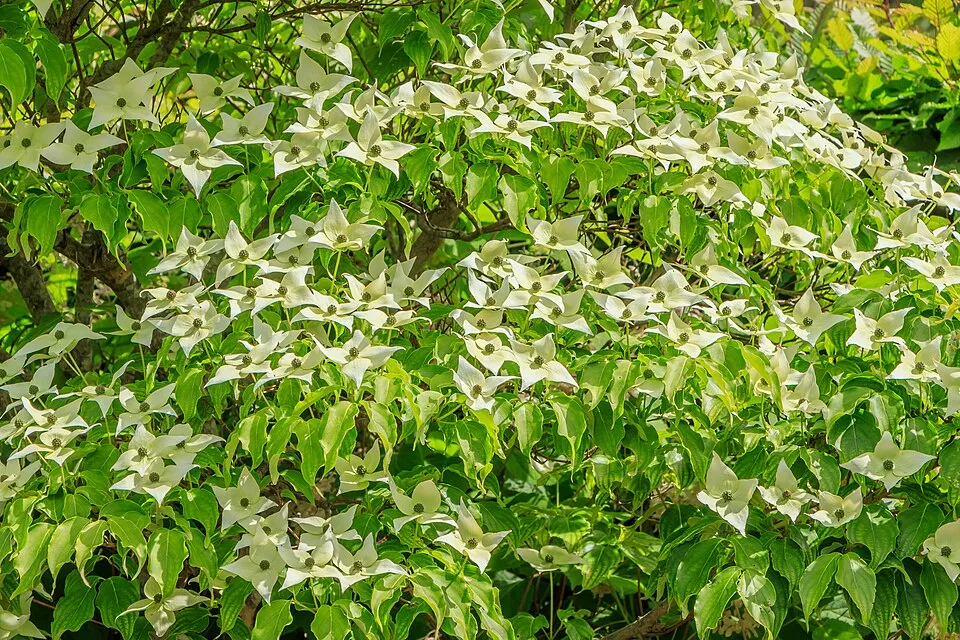
Cornus kousa, widely known as the Kousa dogwood or Japanese dogwood, is a distinguished deciduous shrub or small tree native to East Asia, particularly thriving across Japan, Korea, and China. This resilient species typically attains a height of 15 to 30 feet, with a comparable spread of 15 to 25 feet, developing a graceful, vase-like habit that matures into a rounded form. Its ovate leaves, measuring 3 to 5 inches in length, present a dark green hue throughout the growing season, transforming into a spectacular display of vibrant reds and purples in the autumn, adding significant ornamental value.
The Kousa dogwood's floral display is truly unique, appearing in late spring to early summer after the leaves have emerged. What appear to be large white flowers are, in fact, prominent white or pinkish bracts, up to 4 inches wide, that encircle a central cluster of small, inconspicuous yellow-green true flowers. Following this display, the tree produces distinctive, edible fruit resembling small, raspberry-to-strawberry-like globes, which ripen to a reddish-pink in late summer.
The bark matures to a smooth, gray texture that exfoliates in patches, revealing an attractive mottled pattern, providing visual interest year-round. A member of the Cornaceae family, Cornus kousa is renowned for its adaptability, thriving in moist, well-drained, acidic soils but tolerating a range of soil types once established. It is also particularly valued for its strong resistance to common dogwood ailments, such as anthracnose and dogwood borers, making it a robust and low-maintenance choice for diverse landscapes and an ecologically important source of food and habitat for local wildlife.
Trusted Scientific References
1. Authoritative external sources for Cornus kousa
1.1 Wikipedia — Cornus kousa
1.2 Kew POWO (Plants of the World Online)
1.3 PubMed — peer-reviewed research
1.4 NCBI Taxonomy Browser
1.5 GBIF — Global Biodiversity
1.6Cornus Garden should be interpreted through verified botanical identity, practical care, and responsible safety language. This recovery note adds the missing context needed for a complete profile: match light to the plant's habit, use well-drained soil, water according to season, and avoid unsupported medicinal or edible claims. For publishing, the plant can be presented as a source-backed garden plant with clear care guidance, common problem diagnosis, and conservative safety wording.
1.1.Cornus Garden — Distinguishing Points
- ✓Deciduous Ornamental Tree — Deciduous Ornamental Tree
- ✓Edible Strawberry — like Fruit
- ✓Large White Bracts (Flower — like)
- ✓Vibrant Red — Purple Fall Foliage
- ✓Native to East — Native to East Asia (Japan, Korea, China)
- ✓High Resistance to — High Resistance to Pests and Diseases
- ✓Traditional Medicinal Uses — Traditional Medicinal Uses (TCM)
- ✓Rich in Antioxidant — Rich in Antioxidant Compounds
- ✓Astringent and Anti — inflammatory Properties
- ✓Low Maintenance Landscape — Low Maintenance Landscape Plant
1.2.Cornus Garden — Quick Summary
- ✓Kousa dogwood (Cornus kousa) is an ornamental tree native to East Asia, prized for its unique flowers and edible, strawberry-like fruit.
- ✓Traditionally utilized in Traditional Chinese Medicine for its astringent properties to treat diarrhea and as a spleen and kidney tonic.
- ✓Rich in beneficial phytochemicals including iridoids, tannins, and flavonoids, which contribute to its antioxidant and anti-inflammatory actions.
- ✓The ripe fruit is edible and contributes to its traditional medicinal applications, offering a sweet and unique flavor.
- ✓Generally considered safe for culinary fruit consumption, but medicinal preparations require caution, especially for pregnant individuals and those on specific medications.
- ✓Valued for both its aesthetic beauty in landscapes and its emerging potential in herbal medicine, warranting further scientific exploration for its therapeutic benefits.
2.Cornus Garden — Botanical Identity
3.Cornus Garden — Key Data
4.Cornus Garden — Physical Description
5.Cornus Garden — Ecological Habitat
6.Cornus Garden — Heritage Uses
7.Cornus Garden — Key Phytochemicals
- ✓Iridoids — Compounds such as cornuside and loganin are prominent, known for their significant anti-inflammatory, antioxidant, and potential hepatoprotective activities, contributing greatly to the plant's medicinal profile.
- ✓Tannins — Predominantly hydrolyzable tannins like gallotannins and ellagitannins, these compounds are responsible for the fruit's pronounced astringent taste and its therapeutic efficacy in treating diarrhea and dysentery.
- ✓Flavonoids — Including quercetin, kaempferol, and their glycosides, these are powerful antioxidants that scavenge free radicals, reduce oxidative stress, and exhibit anti-inflammatory and antiallergic effects.
- ✓Phenolic Acids — Gallic acid, caffeic acid, and ferulic acid are present, contributing to the plant's robust antioxidant capacity and supporting its anti-inflammatory actions.
- ✓Triterpenoids — Compounds like ursolic acid and oleanolic acid are found in the bark and leaves, known for their anti-inflammatory, anticancer (in vitro), and hepatoprotective properties.
- ✓Anthocyanins — These vibrant pigments are abundant in the ripe, reddish fruit, providing strong antioxidant benefits and potentially supporting visual health and cardiovascular integrity.
- ✓Polysaccharides — Found in the fruit, these complex carbohydrates may contribute to immunomodulatory effects, enhancing the body's natural defenses.
- ✓Organic Acids — Malic acid, citric acid, and tartaric acid are present in the fruit, contributing to its tart flavor and potentially aiding digestion and metabolism.
- ✓Volatile Oils — Trace amounts of essential oils may contribute to the plant's subtle aroma and possess mild antimicrobial or insect-repellent properties.
- ✓Saponins — While less prominent than in other plant families, some saponins may be present, contributing to potential anti-inflammatory or adaptogenic effects.
8.Cornus Garden — Scientific Evidence
- ✓Astringent Properties — The fruit and bark of Cornus kousa are rich in tannins, which contribute to their astringent action, effectively reducing fluid secretion and tightening tissues, making them traditionally useful for managing diarrhea and dysentery.
- ✓Anti-inflammatory Effects — Extracts from various parts of the Kousa dogwood contain compounds like iridoids and flavonoids that have demonstrated anti-inflammatory activity, potentially alleviating discomfort associated with inflammatory conditions.
- ✓Antioxidant Support — Cornus kousa is a rich source of polyphenols, including flavonoids and phenolic acids, which act as potent antioxidants, neutralizing harmful free radicals and protecting cells from oxidative damage.
- ✓Spleen and Kidney Tonification (TCM) — In Traditional Chinese Medicine, the fruit, known as Shan Zhu Yu, is highly regarded for its ability to tonify the spleen and kidneys, believed to enhance digestive function, stabilize essence, and support overall vitality.
- ✓Respiratory Health — Traditional remedies have utilized the bark of Cornus kousa to prepare teas aimed at soothing irritated respiratory passages and alleviating symptoms of coughs and mild respiratory discomfort.
- ✓Digestive Aid — Beyond its anti-diarrheal properties, the plant may generally support healthy digestive function, improving nutrient absorption and regulating bowel movements due to its balancing effects on the gastrointestinal tract.
- ✓Cardiovascular Protection — The antioxidant and anti-inflammatory compounds present in Kousa dogwood may contribute to cardiovascular health by protecting blood vessels from oxidative stress and supporting healthy circulation.
- ✓Immunomodulatory Potential — Certain constituents, such as polysaccharides, might help modulate the immune system, enhancing the body's natural defense mechanisms against pathogens and supporting overall immune resilience.
- ✓Skin Health Management — Due to its astringent and anti-inflammatory attributes, topical applications derived from Cornus kousa could assist in soothing minor skin irritations, reducing redness, and promoting the healing of superficial wounds.
- ✓General Tonic Effects — In several traditional systems, components of Cornus kousa have been used as a general tonic to enhance stamina, alleviate fatigue, and promote a sense of overall well-being and energetic balance.
- ✓Antimicrobial Activity — Preliminary research indicates that some extracts possess mild antimicrobial properties, which could contribute to its traditional use in managing conditions involving microbial imbalances.
8.1.Cornus Garden — Conditions Traditionally Used For
9.Cornus Garden — Safety & Side Effects
9.1.Cornus Garden — Caution Notes
- ✓Gastrointestinal Upset — High doses or prolonged use of Cornus kousa preparations may cause mild stomach discomfort, nausea, or constipation in sensitive individuals, particularly due to high tannin content.
- ✓Allergic Reactions — While rare, some individuals may experience allergic reactions such as skin rashes, itching, or mild respiratory symptoms if sensitive to plants in the Cornaceae family.
- ✓Hypotension — Due to potential mild diuretic or cardiovascular effects, individuals with pre-existing low blood pressure should use this herb with caution, as it might exacerbate the condition.
- ✓Interaction with Medications — Cornus kousa may potentially interact with anticoagulant medications, blood pressure-lowering drugs, or antidiabetic agents, necessitating medical consultation before use.
- ✓Tannin Sensitivity — Individuals with a known sensitivity to tannins might experience increased digestive irritation or potential nutrient absorption issues with excessive intake of bark or fruit.
- ✓Uterine Stimulation — Traditional texts sometimes advise caution during pregnancy for herbs with astringent properties, though direct evidence for Cornus kousa-induced uterine contractions is limited.
- ✓Unripe Fruit Consumption — The consumption of unripe Cornus kousa fruit is not recommended as it may contain higher concentrations of astringent compounds, potentially leading to increased digestive upset.
9.2.Cornus Garden — Safety Overview
- ✓Pregnancy and Lactation — Due to a lack of comprehensive safety data regarding its effects on fetal development or infant health, pregnant and breastfeeding individuals should strictly avoid medicinal use of Cornus kousa.
- ✓Children — The use of Cornus kousa in pediatric populations is not well-established; therefore, it should only be administered under the strict guidance of a qualified healthcare professional.
- ✓Pre-existing Conditions — Individuals with chronic health conditions, especially those affecting the gastrointestinal tract, kidneys, or cardiovascular system, should consult a physician before incorporating Cornus kousa into their regimen.
- ✓Surgical Procedures — As a precautionary measure, discontinue the use of Cornus kousa at least two weeks prior to any scheduled surgical procedure due to its potential effects on blood clotting or blood pressure.
- ✓Quality and Source — Always ensure that any Cornus kousa products are sourced from reputable suppliers who adhere to stringent quality control standards to prevent misidentification or contamination.
- ✓Dosage Adherence — Strictly follow recommended dosages provided by a qualified herbalist or product manufacturer, as excessive intake of any herbal remedy can lead to unintended adverse effects.
- ✓Allergic History — Individuals with known allergies to plants within the Cornaceae family or other botanical allergens should exercise extreme caution and consider patch testing before internal or extensive topical use.
10.Cornus Garden — Preparations & Uses
- ✓Decoction of Fruit — The dried, ripe fruit of Cornus kousa can be prepared by simmering 10-15 grams in 500ml of water for 15-20 minutes, traditionally consumed for its astringent properties to alleviate diarrhea.
- ✓Herbal Tea from Bark — Dried Kousa dogwood bark can be steeped (infused) in hot water for 10 minutes to create an herbal tea, often consumed to soothe respiratory discomfort and reduce inflammation.
- ✓Tincture — A concentrated liquid extract made by macerating the dried fruit or bark in a hydroalcoholic solution, allowing for convenient and potent internal administration, typically 1-2 ml up to three times daily.
- ✓Topical Poultice — Crushed fresh or rehydrated dried bark can be applied directly to the skin as a poultice, traditionally used to alleviate localized inflammation or minor skin irritations.
- ✓Edible Fruit Consumption — The fully ripe, soft, strawberry-like fruit of Cornus kousa is edible directly from the tree, offering a sweet, custard-like flavor and nutritional benefits.
- ✓Capsules or Tablets — Standardized extracts of Cornus kousa, containing specific active compounds, are available in supplement form for precise dosing and ease of daily intake.
- ✓Infused Oil — The dried bark or fruit can be infused into a carrier oil (e.g., olive or almond oil) over several weeks to create a soothing oil for topical application in massage or balms.
- ✓Culinary Uses — The ripe fruit, with its unique flavor, can be incorporated into jams, jellies, sauces, or fruit leathers, providing a delicious way to consume its beneficial compounds.
11.Cornus Garden — Garden Cultivation
- ✓Soil Preference — Cornus kousa thrives best in well-drained, organically rich, and slightly acidic to neutral soils (pH 5.5-7.0) to ensure optimal nutrient uptake.
- ✓Light Requirements — For robust growth and abundant flowering, Kousa dogwood prefers full sun to partial shade, ideally receiving at least six hours of direct sunlight daily.
- ✓Watering — Consistent moisture is crucial, especially during its establishment phase and prolonged dry spells; however, it is important to avoid waterlogging which can lead to root rot.
- ✓Propagation — This species can be propagated through seeds, which require a period of cold stratification, or more commonly by softwood cuttings taken in early summer, or grafting for specific cultivars.
- ✓Pruning — Minimal pruning is generally required, focusing on removing dead, diseased, or crossing branches; the best time for this is late winter or early spring after the flowering period.
- ✓Pest and Disease Resistance — Cornus kousa is notably resistant to common dogwood afflictions like anthracnose and dogwood borers, making it a relatively low-maintenance and resilient landscape choice.
- ✓Fertilization — Young trees and those in nutrient-poor soils benefit from a balanced, slow-release granular fertilizer applied in early spring before new growth emerges.
- ✓Hardiness Zones — It is reliably hardy in USDA Zones 5 through 8, demonstrating tolerance to a range of temperate climate conditions.
Reviewed by the Flora Medical Global Botanical Review Panel
Multi-disciplinary editorial group · Botany · Ethnobotany · Herbal-medicine literature
Who reviewed this: This page was checked by the Flora Medical Global Botanical Review Panel — an in-house editorial group of botany graduates, ethnobotany researchers, and horticulture practitioners who collectively maintain our 7,000+ plant encyclopedia. Meet the team.
Our 4-step verification process
1. Taxonomic verification
Scientific names and synonyms cross-checked against Kew POWO, World Flora Online, and The Plant List.
2. Phytochemical & medicinal cross-reference
Active compounds, traditional uses, and reported activities are cross-referenced with PubMed, USDA Dr. Duke's database, and peer-reviewed ethnobotanical literature.
3. Conservation & distribution check
Distribution, ecology, and conservation status confirmed against GBIF occurrence records and the IUCN Red List.
4. Editorial & safety review
Every entry passes an editorial pass for clarity, originality, and safety notices (toxicity, contraindications, dosage caveats) before publication.
Last reviewed:
Important medical disclaimer: This content is for educational and research purposes only. It is not medical advice and is not a substitute for consultation with a licensed healthcare provider. Do not use any herb to self-treat a medical condition without professional guidance.
Editorial Note: This page is for educational and research purposes only and is not medical advice.
Written by: Flora Medical Global Editorial Team
Reviewed by: Flora Medical Global Botanical Review Panel
Last Updated: June 15, 2026





Cornus Garden — Comments & Community Reviews
Rate this plant