
Medical Disclaimer: This content is for educational purposes only. It is not medical advice. Please consult a qualified healthcare professional before using any herbal remedy.
Safety Overview
1.Cortaderia — At a Glance
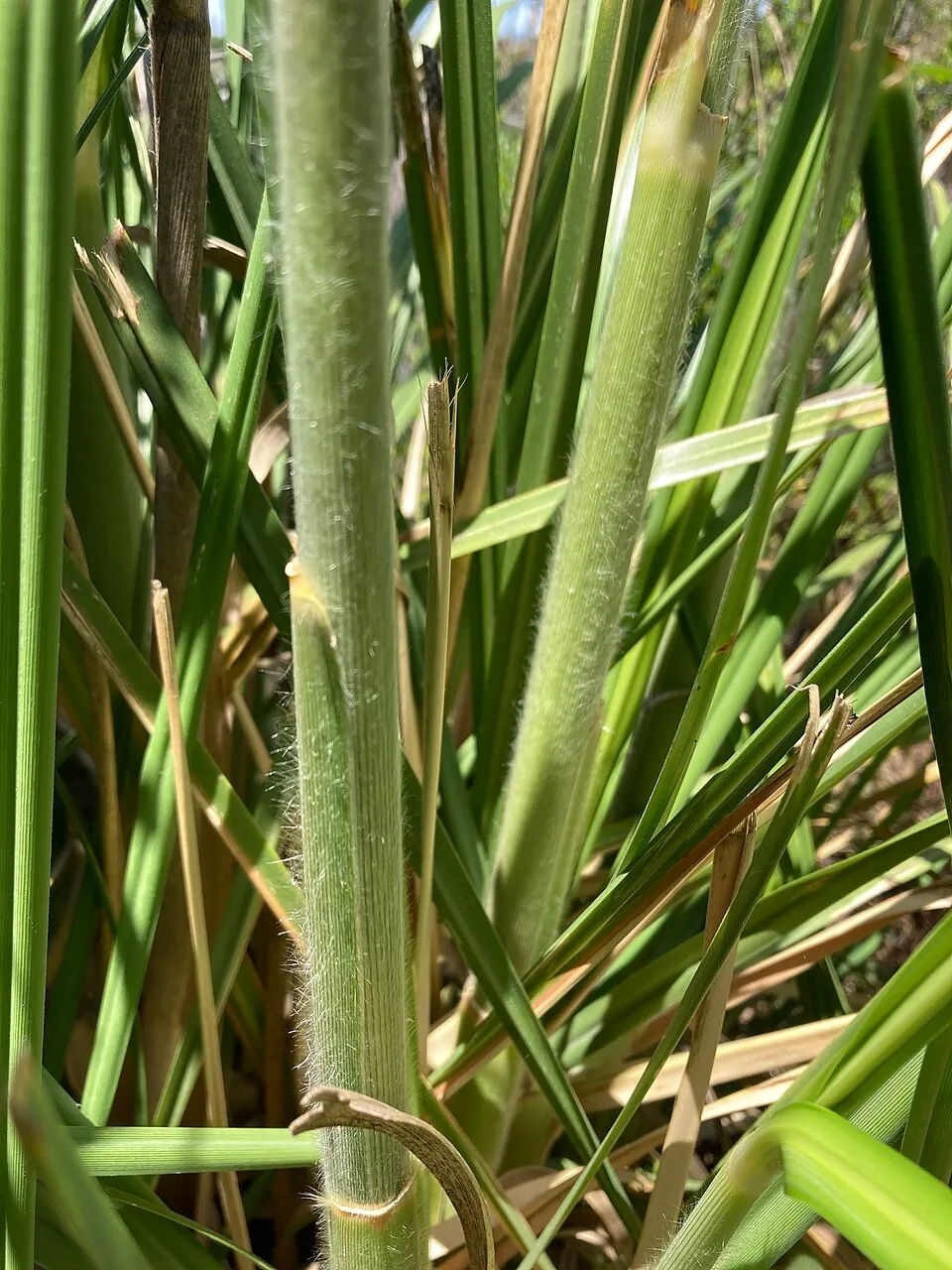
Cortaderia selloana, widely recognized as Pampas Grass, is a majestic perennial grass belonging to the Poaceae family, native to the vast grasslands of South America, specifically Argentina and Uruguay. This robust plant typically forms dense, clumping tussocks, reaching impressive heights of 1.5 to 3 meters (5 to 10 feet) with an equally broad spread. Its distinctive foliage consists of long, slender, arching leaves, which can extend up to 1 meter (3 feet) in length.
These vibrant green leaves are characterized by their notably sharp, serrated edges, a key identification feature. The most striking aspect of Cortaderia selloana is its showy, feathery flower plumes, which emerge in late summer and persist into autumn. These elegant inflorescences vary in color from creamy white to soft pinkish-purple and can grow up to 30 centimeters (12 inches) long, creating a dramatic visual impact.
The plant's woody stem provides substantial structural support, enabling it to withstand various environmental conditions. Pampas Grass thrives in open, sunny areas with well-drained soils, exhibiting remarkable tolerance to drought, salt, and a range of soil types, making it highly adaptable. While primarily celebrated for its ornamental value in landscape design globally, its robust nature and rapid growth also contribute to its classification as an invasive species in many regions outside its native habitat, where it can outcompete native flora.
Trusted Scientific References
1. Authoritative external sources for Cortaderia selloana
1.1 Wikipedia — Cortaderia selloana
1.2 Kew POWO (Plants of the World Online)
1.3 PubMed — peer-reviewed research
1.4 NCBI Taxonomy Browser
1.5 GBIF — Global Biodiversity
1.6Cortaderia should be interpreted through verified botanical identity, practical care, and responsible safety language. This recovery note adds the missing context needed for a complete profile: match light to the plant's habit, use well-drained soil, water according to season, and avoid unsupported medicinal or edible claims. For publishing, the plant can be presented as a source-backed garden plant with clear care guidance, common problem diagnosis, and conservative safety wording.
1.1.Cortaderia — Notable Characteristics
- ✓Striking Feathery Plumes — Large, showy inflorescences in white or pinkish-purple, appearing late summer to autumn.
- ✓Impressive Height and Spread — Grows 1.5 to 3 meters (5-10 feet) tall, forming dense, broad clumps.
- ✓Sharp, Serrated Leaves — Long, arching leaves with distinctly abrasive edges, requiring careful handling.
- ✓High Drought Tolerance — Once established, it withstands prolonged dry periods effectively.
- ✓Excellent Salt Tolerance — Thrives in coastal environments and tolerates saline conditions.
- ✓Deer Resistant — Generally not browsed by deer, making it a good choice for areas with deer pressure.
- ✓Rapid Growth Rate — Establishes quickly, making a significant impact in the landscape in a short time.
- ✓Invasive Potential — Can spread aggressively and outcompete native vegetation in non-native habitats.
- ✓Low Maintenance (Established) — Requires minimal care once mature, apart from annual pruning.
- ✓Ornamental Value — Widely used globally for its dramatic visual appeal in gardens and landscapes.
1.2.Cortaderia — At-a-Glance Summary
- ✓Tall, ornamental perennial grass native to South America.
- ✓Features dramatic, feathery plumes and sharp-edged leaves.
- ✓Highly drought, salt, and deer tolerant, but can be invasive.
- ✓Primarily valued for landscape aesthetics; minimal direct medicinal uses.
- ✓Requires full sun and well-drained soil for optimal growth.
- ✓Blades are very sharp, necessitating caution during handling.
2.Cortaderia — Scientific Identity
3.Cortaderia — Fact Sheet
4.Cortaderia — Botanical Features
5.Cortaderia — Native Range & Habitat
6.Cortaderia — Heritage Uses
7.Cortaderia — Key Phytochemicals
- ✓Cellulose and Hemicellulose — These are the primary structural polysaccharides that form the bulk of the plant's cell walls, providing rigidity and fibrous strength to the leaves and stems of Cortaderia selloana.
- ✓Lignin — A complex phenolic polymer embedded within the cell walls, lignin contributes significantly to the woody texture and overall structural integrity of the plant, particularly in older stems and leaf bases.
- ✓Silica (SiO2) — Deposited in the epidermal cells of the leaves, silica is responsible for the characteristic abrasive and sharp edges of Pampas Grass, enhancing its structural defense and rigidity.
- ✓Waxes and Cutin — Lipids forming a protective cuticular layer on the leaf surfaces, these compounds help to minimize transpirational water loss and provide a physical barrier against pathogens and herbivory.
- ✓Flavonoids — A general class of polyphenolic compounds, often present in grasses, which act as pigments and may offer mild antioxidant properties, contributing to general plant health and defense mechanisms.
- ✓Phenolic Acids — Simple phenolic compounds that play roles in plant defense, pigmentation, and growth regulation, present in the tissues of Cortaderia selloana.
- ✓Chlorophylls and Carotenoids — Essential photosynthetic pigments found in the leaves, responsible for capturing light energy and giving the plant its vibrant green coloration.
- ✓Proteins and Amino Acids — Fundamental building blocks for all cellular structures and enzymes, crucial for the plant's growth, metabolism, and overall physiological functions.
8.Cortaderia — Scientific Evidence
- ✓Shelter Provision — Historically, the robust and fibrous leaves of Cortaderia selloana were utilized by indigenous communities for roofing, offering essential protection from elements and contributing to basic human comfort and well-being.
- ✓Craft Material Source — The strong, durable leaves and stems served as raw materials for weaving and crafting various utilitarian items, supporting daily life and cultural practices in traditional societies.
- ✓Erosion Control (Ecological Benefit) — While not directly medicinal for humans, its dense, extensive root system effectively stabilizes soil, preventing erosion in its native and introduced habitats, indirectly supporting ecosystem health.
- ✓Aesthetic Well-being — The striking ornamental presence of Pampas Grass in gardens and landscapes can contribute to mental well-being, stress reduction, and a sense of calm, aligning with principles of horticultural therapy.
- ✓Windbreak Function — When strategically planted, its tall, dense growth habit provides an effective natural windbreak, protecting dwellings, agricultural fields, or other delicate plants from strong winds.
- ✓Insulation Material — In some traditional contexts, the dried plant material, particularly the leaves, might have been used as a basic insulating material for temporary shelters, enhancing warmth.
- ✓Animal Forage/Bedding — Though not a primary forage, certain parts or younger growth might have been utilized for animal feed or, more commonly, as bedding material, contributing to animal welfare.
- ✓Soil Improvement (Organic Matter) — As a fast-growing grass, Cortaderia selloana contributes significant organic matter to the soil upon decomposition, enhancing soil structure and fertility over time.
8.1.Cortaderia — Therapeutic Indications
9.Cortaderia — Cautions & Contraindications
9.1.Cortaderia — Side Effects & Warnings
- ✓Sharp Leaf Edges — The blades of Cortaderia selloana have very sharp, serrated edges that can cause painful cuts and abrasions if handled without protective gear.
- ✓Invasive Tendencies — Pampas Grass is highly aggressive and invasive in many regions, outcompeting native vegetation and disrupting local ecosystems.
- ✓Allergic Reactions — Pollen from the plant may cause allergic reactions, such as hay fever symptoms, in sensitive individuals.
- ✓Wildlife Habitat Disruption — Dense stands can reduce biodiversity by displacing native plants and animals, altering natural habitats.
- ✓Fire Hazard — In dry climates, the accumulation of dead foliage can pose a significant fire risk.
- ✓Maintenance Difficulty — Its large size and sharp leaves make maintenance, such as pruning, labor-intensive and potentially hazardous.
9.2.Cortaderia — Toxicity Assessment
- ✓Handle with Caution — Always wear thick gloves and long sleeves when handling Cortaderia selloana to protect against its sharp leaf edges.
- ✓Awareness of Invasiveness — Consult local agricultural or environmental agencies regarding its invasive status before planting, and consider native alternatives.
- ✓Allergic Sensitivity — Individuals prone to pollen allergies should minimize exposure during its blooming season.
- ✓Placement Considerations — Plant away from high-traffic areas where accidental contact with sharp leaves is likely.
- ✓Fire Safety — In fire-prone areas, maintain proper clearance and remove dead foliage to reduce fire risk.
- ✓Non-Toxic for Pets — The plant is generally considered non-toxic for horses, dogs, and cats, reducing ingestion concerns for common household pets.
10.Cortaderia — Usage Guide
- ✓Ornamental Specimen — Plant as a standalone focal point in large gardens or against a backdrop of evergreens due to its dramatic height and form.
- ✓Landscape Borders — Utilize in large borders or as a natural screen, providing texture and vertical interest.
- ✓Cut Flower Arrangements — Harvest the showy, feathery plumes in late summer or fall for fresh floral displays.
- ✓Dried Arrangements — The plumes dry beautifully and are excellent for long-lasting dried floral decorations and crafts.
- ✓Erosion Control Planting — Employ in appropriate ecological settings for soil stabilization on slopes or in disturbed areas, where its invasive potential is managed.
- ✓Traditional Weaving Material — Historically, its strong, fibrous leaves were processed and woven into baskets, mats, or other functional items by indigenous cultures.
- ✓Traditional Roofing Material — In its native range, the robust leaves were traditionally gathered and used as a natural, durable material for roofing thatched structures.
11.Cortaderia — Cultivation & Care
- ✓Site Selection — Requires full sun exposure for optimal growth and abundant plume production.
- ✓Soil Requirements — Thrives in well-drained soils; tolerates a wide range of soil types, including sandy and coastal conditions.
- ✓Planting Spacing — Space plants approximately 10 feet (3 meters) apart due to their large mature size and clumping habit.
- ✓Water and Fertilizer — Needs abundant water and fertilizer, especially during the active growing season, for robust development.
- ✓Drought Tolerance — Once established, Cortaderia selloana is highly drought-tolerant, adapting well to dry conditions.
- ✓Salt Tolerance — Exhibits high tolerance to salt spray and saline soil conditions, making it suitable for coastal landscapes.
- ✓Pruning — Annual pruning in late winter or early spring is recommended to remove dead foliage and promote new growth.
- ✓Invasive Potential — Be aware of its aggressive and weedy nature; consider native alternatives in regions where it is invasive.
Reviewed by the Flora Medical Global Botanical Review Panel
Multi-disciplinary editorial group · Botany · Ethnobotany · Herbal-medicine literature
Who reviewed this: This page was checked by the Flora Medical Global Botanical Review Panel — an in-house editorial group of botany graduates, ethnobotany researchers, and horticulture practitioners who collectively maintain our 7,000+ plant encyclopedia. Meet the team.
Our 4-step verification process
1. Taxonomic verification
Scientific names and synonyms cross-checked against Kew POWO, World Flora Online, and The Plant List.
2. Phytochemical & medicinal cross-reference
Active compounds, traditional uses, and reported activities are cross-referenced with PubMed, USDA Dr. Duke's database, and peer-reviewed ethnobotanical literature.
3. Conservation & distribution check
Distribution, ecology, and conservation status confirmed against GBIF occurrence records and the IUCN Red List.
4. Editorial & safety review
Every entry passes an editorial pass for clarity, originality, and safety notices (toxicity, contraindications, dosage caveats) before publication.
Last reviewed:
Important medical disclaimer: This content is for educational and research purposes only. It is not medical advice and is not a substitute for consultation with a licensed healthcare provider. Do not use any herb to self-treat a medical condition without professional guidance.
Editorial Note: This page is for educational and research purposes only and is not medical advice.
Written by: Flora Medical Global Editorial Team
Reviewed by: Flora Medical Global Botanical Review Panel
Last Updated: June 15, 2026





Cortaderia — Comments & Community Reviews
Rate this plant