

Medical Disclaimer: This content is for educational purposes only. It is not medical advice. Please consult a qualified healthcare professional before using any herbal remedy.
Safety Overview
1.Cosmos Atrosanguineus — Essential Profile
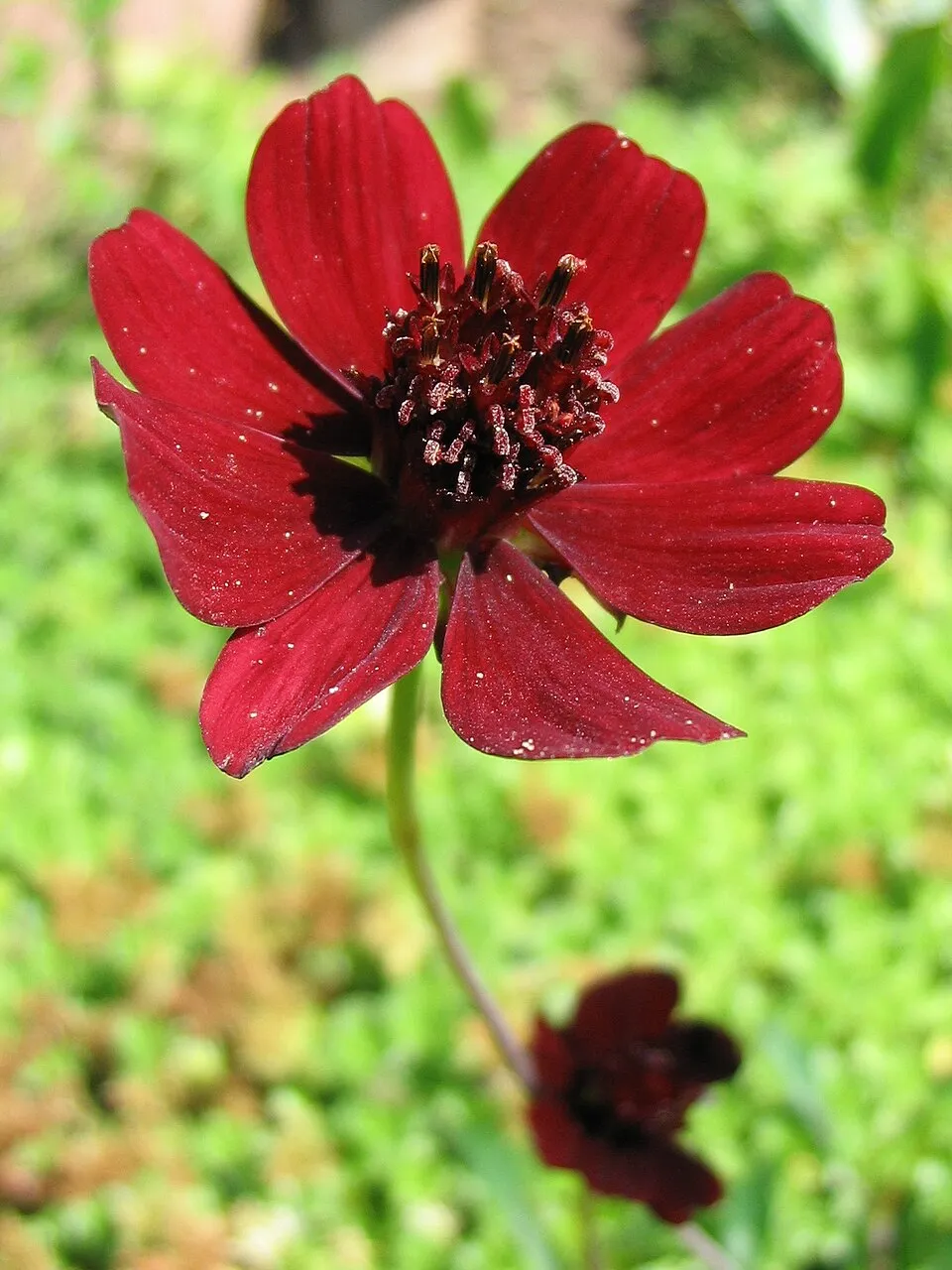
Cosmos Atrosanguineus, commonly known as Chocolate Cosmos, is a captivating perennial herb belonging to the Asteraceae family. This distinctive plant is characterized by its upright, slender stems, typically reaching heights of 40 to 60 centimeters. Its foliage consists of lanceolate to pinnatifid leaves, measuring approximately 5-15 cm in length, often exhibiting a deep green hue.
The most striking feature of Cosmos Atrosanguineus is its unique, velvety, dark reddish-brown to maroon flowers, which emit a delightful fragrance reminiscent of vanilla or dark chocolate, especially pronounced in warm afternoon sun. These solitary or loosely clustered blooms, about 3-5 cm in diameter, appear from mid-summer through autumn, attracting a variety of pollinators, including bees and butterflies, contributing significantly to garden biodiversity.
Native to Mexico, specifically the high pine-oak forests, Chocolate Cosmos thrives in well-drained, fertile soils with a preference for full sun exposure, though it can tolerate light partial shade. It is often found naturally in open woodlands and grasslands. As a tender perennial, it is typically grown as an annual in colder climates or overwintered indoors, as its tubers are not frost-hardy.
The plant forms a tuberous root system, which allows it to persist year after year in suitable environments. Its ornamental appeal, coupled with its distinctive aroma, makes it a cherished addition to borders, containers, and cut flower arrangements, offering both visual and olfactory delight.
Trusted Scientific References
1. Authoritative external sources for Cosmos Atrosanguineus
1.1 Wikipedia — Cosmos Atrosanguineus
1.2 Kew POWO (Plants of the World Online)
1.3 PubMed — peer-reviewed research
1.4 NCBI Taxonomy Browser
1.5 GBIF — Global Biodiversity
1.6Cosmos Atrosanguineus should be interpreted through verified botanical identity, practical care, and responsible safety language. This recovery note adds the missing context needed for a complete profile: match light to the plant's habit, use well-drained soil, water according to season, and avoid unsupported medicinal or edible claims. For publishing, the plant can be presented as a source-backed garden plant with clear care guidance, common problem diagnosis, and conservative safety wording.
1.1.Cosmos Atrosanguineus — Highlights
- ✓Distinctive Chocolate Fragrance — Flowers emit a rich aroma reminiscent of dark chocolate or vanilla.
- ✓Velvety Dark Red Flowers — Blooms are a striking deep reddish-brown to maroon color with a velvety texture.
- ✓Ornamental Appeal — Highly valued for its unique beauty in gardens, borders, and containers.
- ✓Pollinator Attractor — Flowers draw bees, butterflies, and other beneficial insects to the garden.
- ✓Perennial in Warm Climates — Grown as a tender perennial, requiring winter protection in colder zones.
- ✓Native to Mexico — Originates from high-altitude pine-oak forests of central Mexico.
- ✓Asteraceae Family Member — Belongs to the daisy family, sharing characteristics with related species.
- ✓Tuberous Root System — Develops underground tubers allowing for perennial growth and propagation.
- ✓Moderate Size — Typically grows to 40-60 cm in height, suitable for various garden designs.
- ✓Low Maintenance — Relatively easy to grow with proper soil and sun conditions.
1.2.Cosmos Atrosanguineus — Concise Overview
- ✓Cosmos Atrosanguineus, known as Chocolate Cosmos, is a unique perennial from Mexico.
- ✓Features velvety, dark red flowers with a distinct chocolate-vanilla fragrance.
- ✓Traditionally used for inflammation, fever, skin issues, and digestive/respiratory support.
- ✓Rich in flavonoids, terpenes, phenolic acids, and vanillin.
- ✓Requires well-drained soil, full sun, and regular watering; not frost-hardy.
- ✓Exercise caution for allergies and during pregnancy; consult a healthcare provider for medicinal use.
2.Cosmos Atrosanguineus — Nomenclature & Classification
3.Cosmos Atrosanguineus — Key Data
4.Cosmos Atrosanguineus — Botanical Description
5.Cosmos Atrosanguineus — Native Range & Habitat
6.Cosmos Atrosanguineus — Folk Medicine Applications
7.Cosmos Atrosanguineus — Key Phytochemicals
- ✓Flavonoids — Key compounds such as quercetin and luteolin are present, acting as potent antioxidants and contributing to anti-inflammatory effects by scavenging free radicals and modulating immune responses.
- ✓Glycosides — Various glycosidic compounds, including flavonoid glycosides, contribute to the plant's overall bioactivity and stability of its active components, influencing absorption and metabolism.
- ✓Terpenes — A diverse group including sesquiterpenes and monoterpenes, which are responsible for many of the plant's aromatic qualities and may possess insecticidal, antimicrobial, and anti-inflammatory properties.
- ✓Phenolic Acids — Compounds like caffeic acid and chlorogenic acid are present, known for their strong antioxidant capabilities and roles in protecting against oxidative damage and supporting cellular health.
- ✓Vanillin — This aromatic aldehyde is a primary constituent responsible for the distinctive chocolate-like scent of Cosmos Atrosanguineus, and it also exhibits antioxidant and potentially antimicrobial activities.
- ✓Coumarins — Identified in various Asteraceae, coumarins can contribute to diverse pharmacological actions, including anti-inflammatory, anticoagulant, and antimicrobial effects.
- ✓Polyacetylenes — These compounds, common in the Asteraceae family, are recognized for their cytotoxic, antibacterial, and antifungal activities, contributing to the plant's defense mechanisms.
- ✓Fatty Acids — Essential fatty acids and their derivatives are present in the plant tissues, playing crucial roles in cell membrane structure and contributing to overall plant physiology and potential nutritional value.
- ✓Phytosterols — Plant sterols such as beta-sitosterol are found, known for their potential to support cardiovascular health and modulate immune responses.
8.Cosmos Atrosanguineus — Pharmacological Findings
- ✓Anti-inflammatory Properties — Traditional uses, though often generalized across related Asteraceae species, suggest Cosmos Atrosanguineus may possess compounds that help reduce inflammation, potentially alleviating discomfort from minor injuries or internal inflammatory states.
- ✓Antipyretic Effects — Historically, preparations from similar plants have been employed to help lower fevers, indicating a potential role for Cosmos Atrosanguineus in managing febrile conditions.
- ✓Wound Healing Support — Extracts have been traditionally applied topically to minor cuts, bruises, and abrasions, suggesting properties that could promote skin regeneration and reduce swelling.
- ✓Skin Irritation Relief — Its historical application for skin irritations points to soothing qualities that may calm inflamed or irritated dermal tissues.
- ✓Digestive Aid — In some traditional systems, the plant's leaves or preparations were used to support digestive health, potentially easing discomfort and promoting a balanced gut environment.
- ✓Respiratory Symptom Alleviation — Traditional remedies have utilized this plant for respiratory complaints such as cough and asthma, possibly due to expectorant or bronchodilatory effects from its compounds.
- ✓Antioxidant Activity — The presence of flavonoids and phenolic acids indicates significant antioxidant potential, which helps combat oxidative stress and protect cellular integrity from free radical damage.
- ✓Antimicrobial Potential — Certain plant constituents, like terpenes and some flavonoids, often exhibit antimicrobial properties, suggesting a possible role in inhibiting the growth of various pathogens.
- ✓Mood Enhancement — The distinctive chocolate-like aroma, attributed to compounds like vanillin, may have mild aromatherapeutic benefits, potentially contributing to a sense of well-being and stress reduction.
- ✓Circulatory Support — Some components found in the Asteraceae family are known to support healthy circulation, which could contribute to overall cardiovascular wellness.
8.1.Cosmos Atrosanguineus — Therapeutic Indications
9.Cosmos Atrosanguineus — Safety Considerations
9.1.Cosmos Atrosanguineus — Warnings
- ✓Allergic Reactions — Individuals sensitive to plants in the Asteraceae family may experience allergic contact dermatitis, skin rashes, or respiratory symptoms upon exposure.
- ✓Gastrointestinal Upset — Oral consumption, particularly in large quantities, may lead to mild gastrointestinal discomfort, nausea, or diarrhea in sensitive individuals.
- ✓Skin Irritation — Direct contact with sap or plant material can occasionally cause localized skin irritation or itching, especially in individuals with sensitive skin.
- ✓Photosensitivity — While rare, some Asteraceae species contain compounds that can induce photosensitivity, potentially leading to increased susceptibility to sunburn.
- ✓Interaction with Medications — Hypothetically, due to its potential anti-inflammatory or anticoagulant properties, it might interact with blood-thinning medications or NSAIDs, though specific research is lacking.
- ✓Contamination Risk — As with any plant material, improper harvesting or processing can lead to microbial or heavy metal contamination, posing health risks.
9.2.Cosmos Atrosanguineus — Risk Assessment
- ✓Pregnancy and Lactation — Due to insufficient safety data, pregnant and breastfeeding individuals should avoid the internal use of Cosmos Atrosanguineus preparations.
- ✓Children — Internal use in children is not recommended due to a lack of specific safety studies; topical use should be supervised and patch-tested.
- ✓Allergic Individuals — Persons with known allergies to other Asteraceae family members (e.g., ragweed, marigolds, daisies) should exercise caution and perform a patch test before use.
- ✓Pre-existing Conditions — Individuals with chronic health conditions, especially liver or kidney issues, should consult a healthcare professional before using herbal preparations.
- ✓Surgical Procedures — Discontinue use at least two weeks prior to scheduled surgery due to potential, though unconfirmed, effects on blood clotting.
- ✓Drug Interactions — Consult a physician or pharmacist if taking any prescription medications, particularly anticoagulants or anti-inflammatory drugs, before using this plant medicinally.
- ✓Dosage and Preparation — Adhere to recommended dosages for any traditional preparations; excessive consumption is not advised due to unknown risks.
10.Cosmos Atrosanguineus — Preparation Methods
- ✓Herbal Infusion — Dried leaves and flowers can be steeped in hot water to create a soothing herbal tea, traditionally used for digestive support or respiratory relief.
- ✓Topical Poultice — Fresh crushed leaves or a paste made from dried plant material mixed with water can be applied directly to minor cuts, bruises, or skin irritations.
- ✓Tincture Preparation — The plant material can be macerated in alcohol to create a tincture, allowing for a concentrated extract suitable for internal use or as a component in topical formulations.
- ✓Aromatic Oil Infusion — Flowers can be infused in a carrier oil (e.g., jojoba or almond oil) to capture its unique chocolate-like aroma, suitable for topical application or massage.
- ✓Decoction for External Use — A stronger decoction made by simmering roots or tougher plant parts can be used as a wash for skin conditions or as a compress.
- ✓Culinary Garnish (Limited) — While primarily ornamental, the unique scent may inspire experimental use of petals as a decorative, aromatic garnish in desserts or drinks, but consume in very small quantities.
- ✓Essential Oil Extraction — Although less common for home use, commercial extraction methods can yield an essential oil for perfumery or aromatherapy applications due to its distinct fragrance.
11.Cosmos Atrosanguineus — Cultivation & Care
- ✓Soil Preparation — Cosmos Atrosanguineus thrives in well-drained, fertile soil enriched with organic matter; a slightly acidic to neutral pH (6.0-7.0) is ideal.
- ✓Sunlight Requirements — Provide full sun exposure for at least 6-8 hours daily to ensure vigorous growth and abundant flowering, though it tolerates light afternoon shade.
- ✓Watering Regimen — Maintain consistent soil moisture, especially during dry spells, but avoid waterlogging; water deeply when the top inch of soil feels dry.
- ✓Fertilization — Feed with a balanced liquid fertilizer every 2-4 weeks during the active growing season (spring to autumn) to promote flowering.
- ✓Propagation — Propagate primarily from tubers in spring or from seeds, though seed viability can be low for cultivated varieties; stem cuttings can also be rooted.
- ✓Pest and Disease Management — Generally robust, but monitor for aphids, slugs, and snails; ensure good air circulation to prevent fungal diseases like powdery mildew.
- ✓Winter Care — In colder climates (below USDA Zone 7-8), lift tubers before the first frost and store in a cool, dry, dark place over winter to replant in spring.
- ✓Pruning and Deadheading — Regularly deadhead spent flowers to encourage continuous blooming and prune leggy stems to maintain a bushy, compact form.
Reviewed by the Flora Medical Global Botanical Review Panel
Multi-disciplinary editorial group · Botany · Ethnobotany · Herbal-medicine literature
Who reviewed this: This page was checked by the Flora Medical Global Botanical Review Panel — an in-house editorial group of botany graduates, ethnobotany researchers, and horticulture practitioners who collectively maintain our 7,000+ plant encyclopedia. Meet the team.
Our 4-step verification process
1. Taxonomic verification
Scientific names and synonyms cross-checked against Kew POWO, World Flora Online, and The Plant List.
2. Phytochemical & medicinal cross-reference
Active compounds, traditional uses, and reported activities are cross-referenced with PubMed, USDA Dr. Duke's database, and peer-reviewed ethnobotanical literature.
3. Conservation & distribution check
Distribution, ecology, and conservation status confirmed against GBIF occurrence records and the IUCN Red List.
4. Editorial & safety review
Every entry passes an editorial pass for clarity, originality, and safety notices (toxicity, contraindications, dosage caveats) before publication.
Last reviewed:
Important medical disclaimer: This content is for educational and research purposes only. It is not medical advice and is not a substitute for consultation with a licensed healthcare provider. Do not use any herb to self-treat a medical condition without professional guidance.
Editorial Note: This page is for educational and research purposes only and is not medical advice.
Written by: Flora Medical Global Editorial Team
Reviewed by: Flora Medical Global Botanical Review Panel
Last Updated: June 15, 2026





Cosmos Atrosanguineus — Comments & Community Reviews
Rate this plant