

Medical Disclaimer: This content is for educational purposes only. It is not medical advice. Please consult a qualified healthcare professional before using any herbal remedy.
Safety Overview
1.Cosmos Bipinnatus — Overview
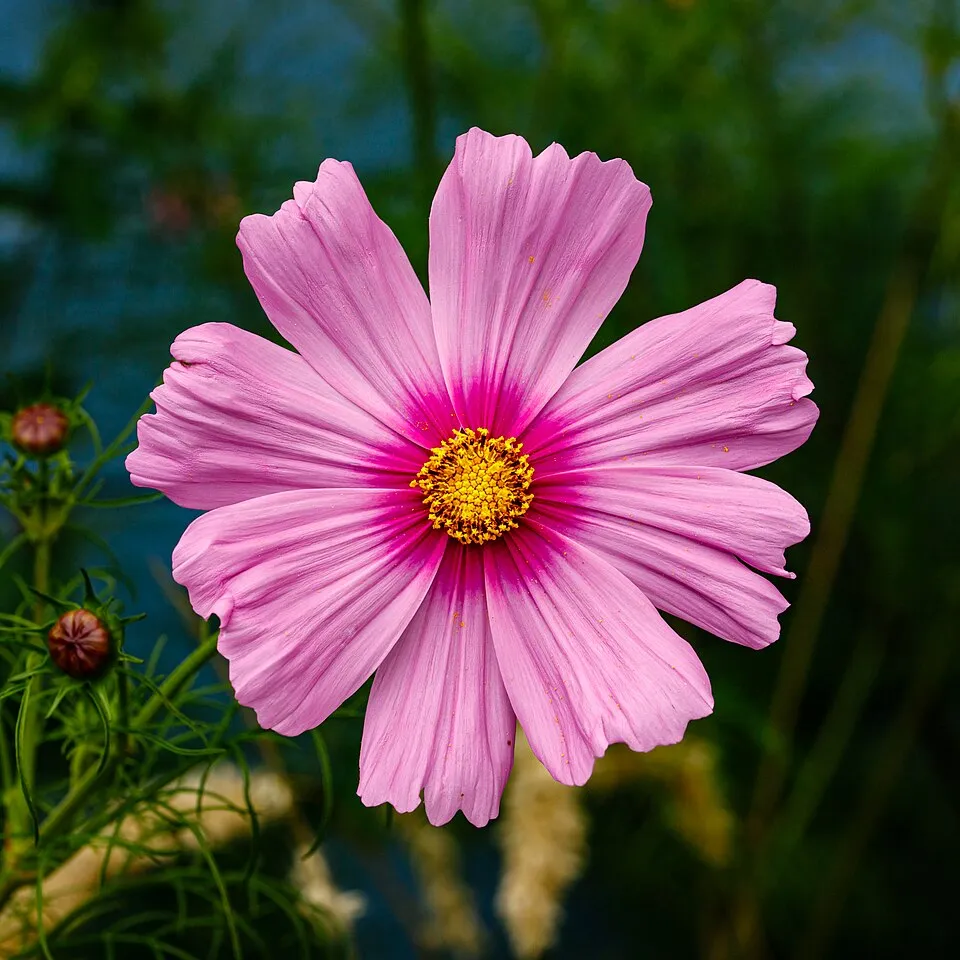
Cosmos bipinnatus, widely recognized as the garden cosmos, is a graceful annual herbaceous plant belonging to the expansive Asteraceae family. Native to the warm, arid regions of Mexico and Central America, this species thrives in open fields, disturbed soils, and along roadsides, indicating its adaptability and resilience. Typically reaching heights of 0.6 to 1.2 meters (2-4 feet), Cosmos bipinnatus is characterized by its delicate, feathery, bipinnately divided leaves, which present a vibrant green hue and create an airy texture.
The plant produces striking, daisy-like capitula, or flower heads, which are a defining feature. These large blooms, often 5-10 cm in diameter, display a vivid spectrum of colors including shades of pink, white, purple, and crimson, frequently with contrasting bright yellow central disc florets. Blooming profusely from early summer until the first frost, Cosmos bipinnatus is not only cherished for its ornamental value in gardens and landscapes but also plays a crucial ecological role by attracting a diverse array of pollinators such as butterflies and bees.
It prefers full sun exposure and well-drained soil, though it can tolerate partial shade and a variety of soil types, from sandy to clayey, as long as drainage is adequate. Its ability to naturalize and reseed easily contributes to its widespread presence and popularity globally.
Trusted Scientific References
1. Authoritative external sources for Cosmos bipinnatus
1.1 Wikipedia — Cosmos bipinnatus
1.2 Kew POWO (Plants of the World Online)
1.3 PubMed — peer-reviewed research
1.4 NCBI Taxonomy Browser
1.5 GBIF — Global Biodiversity
1.6Cosmos Bipinnatus should be interpreted through verified botanical identity, practical care, and responsible safety language. This recovery note adds the missing context needed for a complete profile: match light to the plant's habit, use well-drained soil, water according to season, and avoid unsupported medicinal or edible claims. For publishing, the plant can be presented as a source-backed garden plant with clear care guidance, common problem diagnosis, and conservative safety wording.
1.1.Cosmos Bipinnatus — Standout Qualities
- ✓Botanical Name — Cosmos bipinnatus.
- ✓Common Names — Garden Cosmos, Mexican Aster, Cut Leaf Cosmos.
- ✓Plant Family — Asteraceae (Daisy Family).
- ✓Growth Habit — Annual herbaceous plant, typically 0.6-1.2 meters tall.
- ✓Foliage — Finely dissected, feathery, bright green leaves.
- ✓Flowers — Large, daisy-like capitula in shades of pink, white, purple, crimson with yellow centers.
- ✓Native Range — Mexico and Central America.
- ✓Primary Uses — Ornamental gardening, pollinator attraction, traditional medicinal applications.
- ✓Key Phytochemicals — Flavonoids (quercetin, kaempferol), polyphenols (caffeic acid), triterpenes.
- ✓Cultivation Requirements — Prefers full sun, well-drained soil, and is generally drought-tolerant once established.
1.2.Cosmos Bipinnatus — In Brief
- ✓Cosmos bipinnatus, or Garden Cosmos, is a popular annual ornamental from Mexico.
- ✓Known for its vibrant, daisy-like flowers and delicate, feathery foliage.
- ✓Rich in beneficial compounds like flavonoids, polyphenols, and triterpenes.
- ✓Traditionally used for its potential anti-inflammatory and antioxidant properties.
- ✓Easy to cultivate, attracts pollinators, and thrives in full sun with well-drained soil.
- ✓Offers potential support for skin health, wound healing, and oxidative stress.
2.Cosmos Bipinnatus — Scientific Profile
3.Cosmos Bipinnatus — Botanical Stats
4.Cosmos Bipinnatus — Plant Morphology
5.Cosmos Bipinnatus — Habitat & Distribution
6.Cosmos Bipinnatus — Ethnobotanical Uses
7.Cosmos Bipinnatus — Bioactive Constituents
- ✓Flavonoids — Key compounds include quercetin, kaempferol, and apigenin, which are potent antioxidants and anti-inflammatory agents, contributing to the plant's protective effects.
- ✓Polyphenols — This broad category encompasses phenolic acids like caffeic acid, chlorogenic acid, and ferulic acid, known for their strong free radical scavenging and hepatoprotective actions.
- ✓Triterpenes — Compounds such as ursolic acid and oleanolic acid are present, recognized for their significant anti-inflammatory, antimicrobial, and potentially anticancer properties.
- ✓Saponins — These glycosides are found in the plant and may contribute to immunomodulatory effects and exhibit surfactant properties, though their specific pharmacological roles in Cosmos are less studied.
- ✓Volatile Oils — Trace amounts of essential oils, containing various monoterpenes and sesquiterpenes, contribute to the plant's characteristic aroma and may possess mild antimicrobial activities.
- ✓Carotenoids — Pigments like lutein and zeaxanthin are responsible for the vibrant yellow and orange hues in some Cosmos varieties and act as powerful antioxidants, particularly beneficial for eye health.
- ✓Phytosterols — Beta-sitosterol is typically present, a plant sterol known for its anti-inflammatory properties and potential role in cholesterol management.
- ✓Fatty Acids — The plant contains various fatty acids, including linoleic and oleic acids, which are vital components of cell membranes and important for skin health.
- ✓Lignans — These phenolic compounds are present in smaller quantities and are known for their antioxidant and phytoestrogenic activities.
- ✓Tannins — Astringent compounds that can contribute to the plant's wound healing and anti-inflammatory properties by binding to proteins and forming protective layers.
8.Cosmos Bipinnatus — What Research Suggests
- ✓Anti-inflammatory Support — Cosmos bipinnatus is traditionally recognized for its potential to alleviate inflammation, attributed to the presence of flavonoids and triterpenes that modulate inflammatory pathways.
- ✓Antioxidant Protection — Rich in polyphenols and other phenolic compounds, Cosmos bipinnatus offers significant antioxidant activity, helping to neutralize free radicals and mitigate oxidative stress in the body.
- ✓Wound Healing Enhancement — Traditionally, topical applications of Cosmos bipinnatus have been used to support the healing of minor cuts and abrasions, likely due to its anti-inflammatory and potentially antimicrobial properties.
- ✓Analgesic Properties — The plant's anti-inflammatory action may contribute to mild pain relief, making it a traditional remedy for discomfort associated with inflammatory conditions.
- ✓Antimicrobial Activity — Preliminary research suggests that extracts from Cosmos bipinnatus may exhibit antimicrobial effects against certain bacteria and fungi, contributing to its traditional use in wound care.
- ✓Hepatoprotective Potential — Certain flavonoids and phenolic acids found in Cosmos bipinnatus may offer protective effects for liver cells against various toxins and oxidative damage.
- ✓Digestive Aid — In some traditional practices, mild infusions are used to soothe minor digestive discomfort, possibly due to its anti-inflammatory and carminative properties.
- ✓Skin Health Promotion — The antioxidant and anti-inflammatory compounds can help protect skin from environmental damage and soothe irritated skin conditions, contributing to overall skin vitality.
- ✓Immunomodulatory Effects — Some plant constituents, such as certain polysaccharides and triterpenes, may influence immune responses, offering a potential modulatory effect on the immune system.
- ✓Blood Sugar Regulation — Polyphenols are often associated with supporting healthy blood sugar levels, and Cosmos bipinnatus may offer a mild supportive role in glucose metabolism.
- ✓Diuretic Action — Traditional uses sometimes include the plant as a mild diuretic, assisting in fluid balance and kidney function.
- ✓Mood Elevation (Aromatherapy) — While not a primary medicinal use, the aesthetic beauty and pleasant scent of Cosmos bipinnatus in a garden setting can contribute to mental well-being and stress reduction.
8.1.Cosmos Bipinnatus — Health Applications
9.Cosmos Bipinnatus — Risk Profile
9.1.Cosmos Bipinnatus — Side Effects & Warnings
- ✓Allergic Reactions — Individuals sensitive to the Asteraceae family (e.g., ragweed, marigolds) may experience allergic contact dermatitis or respiratory symptoms.
- ✓Digestive Upset — In rare cases, consuming large quantities of Cosmos bipinnatus preparations may lead to mild gastrointestinal discomfort, such as nausea or stomach upset.
- ✓Photosensitivity — While uncommon, some plants in the Asteraceae family can induce photosensitivity; monitor for increased skin sensitivity to sunlight.
- ✓Cross-reactivity — Potential for cross-allergic reactions with other plants in the daisy family, which could manifest as skin rashes or respiratory issues.
- ✓Hypotension Risk — Theoretical risk of mild blood pressure lowering with very high doses, due to potential vasodilatory or diuretic effects.
- ✓Skin Irritation — Direct contact with plant sap may cause mild skin irritation or dermatitis in highly sensitive individuals.
- ✓Sedation — Although not a primary effect, some plant compounds could theoretically contribute to mild drowsiness if consumed in excessive amounts.
9.2.Cosmos Bipinnatus — Toxicity Assessment
- ✓Pregnancy and Lactation — Avoid use during pregnancy and breastfeeding due to insufficient scientific data regarding its safety for expectant mothers and infants.
- ✓Children — Administer to children with caution and under the guidance of a healthcare professional, as safety data is limited for this demographic.
- ✓Allergies — Contraindicated for individuals with known allergies or sensitivities to plants in the Asteraceae family, such as ragweed, chrysanthemums, or marigolds.
- ✓Drug Interactions — Exercise caution when combining with medications that affect blood clotting (anticoagulants) or blood sugar levels (antidiabetics) due to theoretical interactions.
- ✓Pre-surgical Use — Discontinue use of Cosmos bipinnatus preparations at least two weeks prior to any scheduled surgery to avoid potential interactions with anesthesia or bleeding.
- ✓Topical Application — Always perform a patch test on a small area of skin before widespread topical application to check for any adverse reactions or sensitivities.
- ✓Dosage Adherence — Adhere strictly to recommended dosages; excessive consumption or application may increase the risk of adverse effects.
10.Cosmos Bipinnatus — Preparation & Dosage
- ✓Herbal Infusion (Tea) — Prepare a tea by steeping 1-2 teaspoons of dried Cosmos bipinnatus flowers and leaves in hot water for 5-10 minutes; strain and consume for internal benefits.
- ✓Topical Compress — Soak a clean cloth in a cooled infusion of Cosmos bipinnatus and apply directly to skin irritations, minor wounds, or inflamed areas.
- ✓Tincture Preparation — Macerate fresh or dried plant material in high-proof alcohol for several weeks to create a concentrated liquid extract for internal use, following specific dosage guidelines.
- ✓Poultice Application — Crush fresh Cosmos bipinnatus leaves and flowers to form a paste, then apply directly to the skin for localized anti-inflammatory or wound-healing support.
- ✓Infused Oil — Gently heat dried Cosmos flowers in a carrier oil (like olive or almond oil) for several hours or steep for weeks to create an oil for topical skin application, massage, or balms.
- ✓Gargle/Mouthwash — Use a cooled herbal infusion as a gargle for soothing sore throats or as a natural mouthwash for oral hygiene and mild gum inflammation.
- ✓Culinary Garnish — Fresh petals of Cosmos bipinnatus can be used as an edible and visually appealing garnish for salads, desserts, or beverages, offering a mild, slightly bitter flavor.
- ✓Herbal Bath — Add a strong infusion of Cosmos bipinnatus to bathwater for a relaxing soak that may also benefit skin health due to its anti-inflammatory properties.
11.Cosmos Bipinnatus — Growth Requirements
- ✓Site Selection — Plant Cosmos bipinnatus in a location that receives full sun for at least six hours daily, though it tolerates partial shade.
- ✓Soil Requirements — Prefers well-drained, average to moderately fertile soil; avoid overly rich soil as it can lead to lush foliage but fewer flowers.
- ✓Planting Time — Sow seeds directly outdoors after the last spring frost, when soil temperatures consistently reach 18-21°C (65-70°F).
- ✓Seed Sowing — Rake seeds lightly into the soil surface; do not plant too deeply as light aids germination. Keep soil consistently moist until germination occurs in 7-21 days.
- ✓Watering — Water regularly during dry spells, but allow the soil to dry slightly between waterings; established plants are moderately drought-tolerant.
- ✓Fertilization — Minimal fertilization is needed; excessive nutrients can promote leaf growth at the expense of flower production.
- ✓Deadheading — Remove spent flowers regularly to encourage continuous blooming throughout the growing season and prevent unwanted self-seeding.
- ✓Support for Taller Varieties — Taller cultivars may benefit from staking or support, especially in windy locations, to prevent stems from lodging.
Reviewed by the Flora Medical Global Botanical Review Panel
Multi-disciplinary editorial group · Botany · Ethnobotany · Herbal-medicine literature
Who reviewed this: This page was checked by the Flora Medical Global Botanical Review Panel — an in-house editorial group of botany graduates, ethnobotany researchers, and horticulture practitioners who collectively maintain our 7,000+ plant encyclopedia. Meet the team.
Our 4-step verification process
1. Taxonomic verification
Scientific names and synonyms cross-checked against Kew POWO, World Flora Online, and The Plant List.
2. Phytochemical & medicinal cross-reference
Active compounds, traditional uses, and reported activities are cross-referenced with PubMed, USDA Dr. Duke's database, and peer-reviewed ethnobotanical literature.
3. Conservation & distribution check
Distribution, ecology, and conservation status confirmed against GBIF occurrence records and the IUCN Red List.
4. Editorial & safety review
Every entry passes an editorial pass for clarity, originality, and safety notices (toxicity, contraindications, dosage caveats) before publication.
Last reviewed:
Important medical disclaimer: This content is for educational and research purposes only. It is not medical advice and is not a substitute for consultation with a licensed healthcare provider. Do not use any herb to self-treat a medical condition without professional guidance.
Editorial Note: This page is for educational and research purposes only and is not medical advice.
Written by: Flora Medical Global Editorial Team
Reviewed by: Flora Medical Global Botanical Review Panel
Last Updated: June 15, 2026





Cosmos Bipinnatus — Comments & Community Reviews
Rate this plant