
Medical Disclaimer: This content is for educational purposes only. It is not medical advice. Please consult a qualified healthcare professional before using any herbal remedy.
Safety Overview
1.Costus Igneus — At a Glance
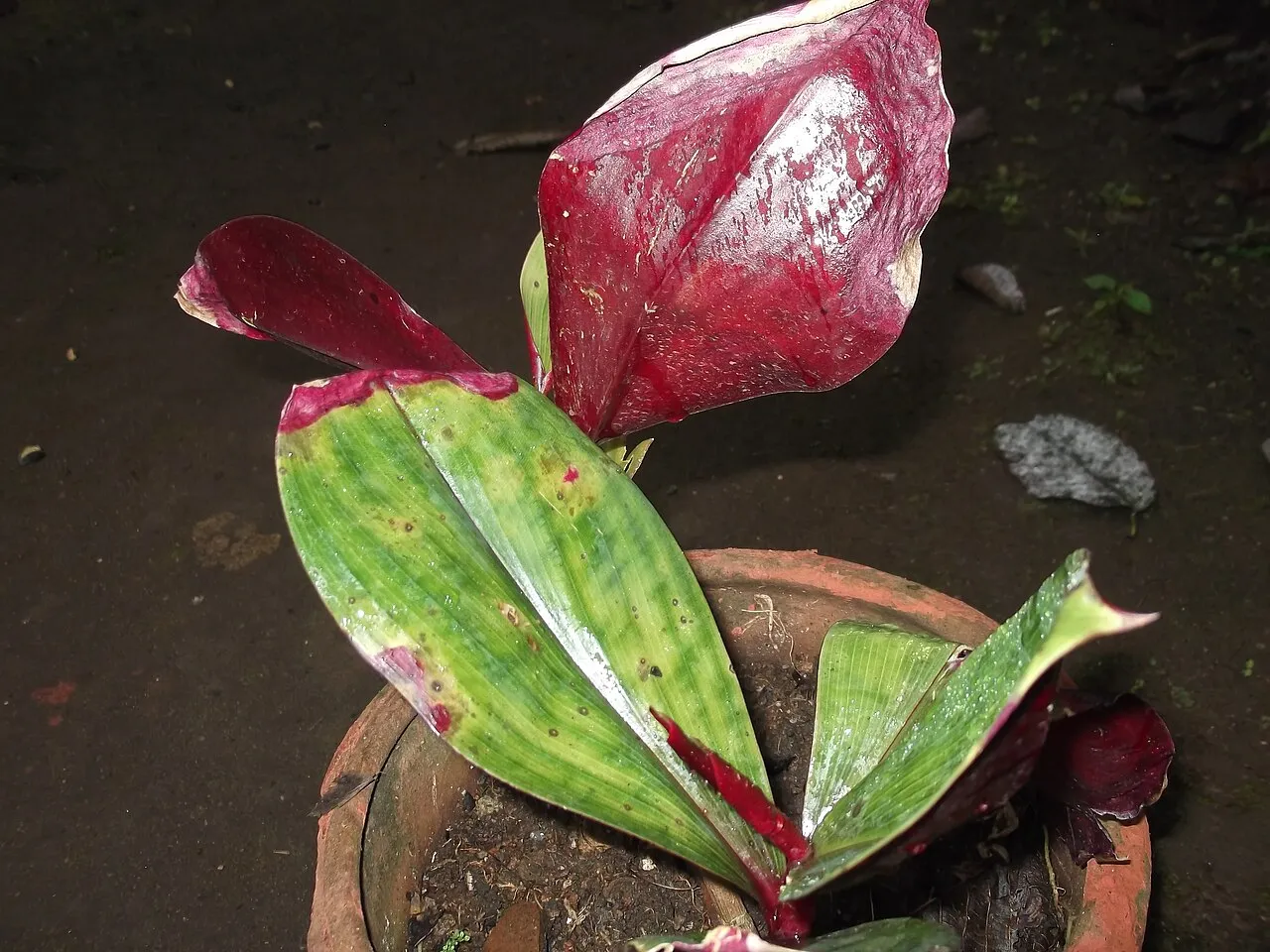
Costus igneus, commonly known as the fiery costus, insulin plant, or spiral flag, is a striking perennial herbaceous plant native to the lush tropical and subtropical regions of Central and South America. This robust species, belonging to the Costaceae family, typically attains a height of 1 to 2 meters, developing an upright and spreading growth habit. Its stems are erect, cylindrical, and become slightly woody towards the base, featuring a surface that can range from smooth to subtly textured. A defining characteristic of the Costaceae family, and notably Costus igneus, is the distinctive spiral arrangement of its leaves along the stem, a feature that contributes to its common name, 'spiral flag.' The foliage of Costus igneus is particularly attractive, with lanceolate to elliptical leaves measuring approximately 10 to 25 cm in length and 2 to 6 cm in width. These leaves present a glossy dark green adaxial surface, contrasting with a often lighter, sometimes purplish, abaxial side.
A prominent midrib is clearly visible, and the venation is typically parallel, characteristic of monocotyledonous plants. The plant's aesthetic appeal is further enhanced by its vibrant inflorescences. The flowers are showy, typically bright yellow to orange, often adorned with intricate orange or reddish markings, and are arranged in dense, cone-like spiral heads or arise from the leaf axils. Flowering predominantly occurs from summer through early fall, attracting a diverse array of pollinators such as bees and hummingbirds. Historically, Costus igneus thrives in humid, well-drained soils, often found flourishing in the understory of forests or along the edges of semi-forested areas and roadsides.
Its adaptability allows it to tolerate both shaded and more open, sun-exposed habitats within its native range, which spans from Mexico down through Central America. In recent times, it has been introduced to other tropical regions, notably South India, where it has become naturalized and is widely cultivated as an ornamental plant and, more significantly, as a traditional herbal remedy. Taxonomically, it is classified under the genus Costus, which encompasses roughly 150 species, distinguishing itself from the closely related Zingiberaceae family by its spirally arranged leaves and the absence of aromatic essential oils in its rhizomes. Its rapid introduction and adoption in traditional medicine systems across new geographies highlight its perceived therapeutic value and cultural ...[CURRENT TEXT EXISTS: 2739 chars]
1.1.Costus Igneus — Notable Characteristics
- ✓Spiral Leaf Arrangement — Leaves are distinctively arranged in a spiral pattern along the stem, a characteristic feature of the Costaceae family.
- ✓Fiery Flowers — Produces striking, bright yellow to orange flowers, often with prominent orange markings, giving it the common name 'fiery costus.'
- ✓Perennial Herbaceous — A long-lived plant that typically dies back to the ground in colder climates but regrows from its rhizomatous rootstock.
- ✓Height — Reaches a notable height of 1 to 2 meters, forming an upright and spreading clump.
- ✓Lanceolate to Elliptical Leaves — Leaves are typically 10-25 cm long, glossy dark green, and have a prominent midrib.
- ✓Rhizomatous Root System — Possesses underground rootstocks (rhizomes) from which new shoots emerge, aiding in propagation and perennial survival.
- ✓Tropical Origin — Native to the warm, humid environments of Central and South America.
- ✓Insulin Plant Nickname — Widely known as the 'Insulin Plant' due to its traditional and researched anti-diabetic properties.
- ✓Adaptable Growth — Can grow in both partial shade and full sun, showing resilience in various light conditions.
- ✓Ornamental Value — Cultivated for its attractive foliage and vibrant flowers, making it a popular garden plant.
- ✓Non — Aromatic Rhizomes — Unlike some related Zingiberaceae, its rhizomes are typically not aromatic, a key taxonomic distinction.
- ✓Rapid Introduction to Asia — Quickly gained popularity in India as a traditional remedy for diabetes after its introduction.
- ✓Edible Leaves — The leaves are traditionally consumed fresh or dried for medicinal purposes.
- ✓Pollinator Attractor — Its showy flowers attract various pollinators, contributing to biodiversity.
1.2.Costus Igneus — At-a-Glance Summary
- ✓Primary Use — Renowned for its significant anti-diabetic and hypoglycemic properties, helping manage blood sugar.
- ✓Key Compound — Rich in flavonoids like quercetin and kaempferol, contributing to its antioxidant and anti-inflammatory effects.
- ✓Traditional System — Widely used in Ayurvedic medicine, particularly in India, for diabetes and digestive issues.
- ✓Common Name — Often referred to as 'Insulin Plant' due to its purported benefits in glucose regulation.
- ✓Habitat — Native to tropical and subtropical Central and South America, thriving in humid, well-drained soils.
- ✓Safety Note — Potential for hypoglycemia, especially when combined with conventional anti-diabetic medications, requires careful monitoring.
- ✓Plant Part Used — Primarily the leaves, but roots and rhizomes are also utilized in traditional preparations.
- ✓Other Benefits — Exhibits antioxidant, anti-inflammatory, hypolipidemic, and diuretic properties.
2.Costus Igneus — Scientific Identity
3.Costus Igneus — Vital Statistics
4.Costus Igneus — Botanical Features
5.Costus Igneus — Origin & Spread
6.Costus Igneus — Heritage Uses
7.Costus Igneus — Phytochemistry
- ✓Flavonoids — Key compounds include quercetin and kaempferol, known for their potent antioxidant, anti-inflammatory, and antidiabetic activities. These compounds contribute significantly to the plant's capacity to reduce oxidative stress and modulate glucose metabolism.
- ✓Saponins — These glycosides are present in Costus igneus and are often associated with hypolipidemic and immune-modulating effects. Saponins can also exhibit mild diuretic and expectorant properties.
- ✓Alkaloids — While specific alkaloids like costunolide were mentioned in early literature, the presence of alkaloids generally points to a range of potential pharmacological activities, including analgesic and anti-inflammatory actions.
- ✓Terpenoids — Important terpenoids include β-caryophyllene, a sesquiterpene known for its anti-inflammatory and analgesic properties, and lupeol, a triterpenoid with anti-inflammatory, antioxidant, and potentially anti-cancer effects. Costunolide is also a sesquiterpene lactone.
- ✓Steroids/Phytosterols — Compounds such as stigmasterol, ergastanol, and diosgenin (a steroidal sapogenin) are present. These phytosterols are recognized for their potential hypocholesterolemic effects and hormonal modulating activities.
- ✓Glycosides — A broad category of compounds where a sugar molecule is attached to a non-sugar component. Glycosides in Costus igneus contribute to various medicinal uses, including cardiotonic and anti-inflammatory actions.
- ✓Carbohydrates — Essential for plant structure and energy storage, these also contribute to the bulk and nutritional profile of the plant material.
- ✓Proteins — Integral for cellular function and structure, proteins in the plant contribute to its nutritional value and may have enzymatic roles.
- ✓Tannins — These polyphenolic compounds are known for their astringent properties, contributing to antimicrobial and antioxidant effects. They can aid in wound healing and have anti-diarrheal applications.
- ✓Ascorbic Acid (Vitamin C) — A powerful water-soluble antioxidant crucial for immune function, collagen synthesis, and protecting against oxidative damage.
- ✓Alpha-tocopherol (Vitamin E) — A fat-soluble antioxidant that protects cell membranes from oxidative stress and plays a role in immune health.
- ✓Beta-carotene — A precursor to Vitamin A, this carotenoid is a potent antioxidant and is vital for vision, immune function, and skin health.
- ✓Trace Elements — The leaves and rhizomes contain appreciable amounts of essential trace elements such as Potassium (K), Calcium (Ca), Chromium (Cr), Manganese (Mn), Copper (Cu), and Zinc (Zn), which are vital co-factors for numerous metabolic processes and overall health.
8.Costus Igneus — Scientific Evidence
- ✓Anti-diabetic Activity — Costus igneus is renowned for its significant anti-diabetic properties. Traditional practices, particularly in India, involve consuming its leaves to help regulate blood glucose levels. Research suggests this effect may be due to its ability to stimulate insulin secretion and improve peripheral glucose utilization, acting similarly to oral hypoglycemic agents.
- ✓Hypoglycemic Effect — Beyond general anti-diabetic action, the leaves of Costus igneus specifically contribute to lowering blood sugar. This is attributed to compounds like flavonoids and phenolics which may modulate carbohydrate metabolism enzymes and enhance insulin sensitivity.
- ✓Hypolipidemic Potential — Studies indicate that Costus igneus may help in reducing elevated lipid levels, including cholesterol and triglycerides. This effect contributes to overall cardiovascular health and may mitigate complications associated with metabolic disorders.
- ✓Diuretic Properties — Traditionally, infusions of Costus igneus have been used to promote diuresis, aiding in the excretion of excess fluids and salts from the body. This can be beneficial for renal health and managing conditions involving fluid retention.
- ✓Antioxidant Activity — The plant is rich in various antioxidant compounds, such as ascorbic acid, α-tocopherol, β-carotene, and flavonoids. These antioxidants help neutralize free radicals, reducing oxidative stress and protecting cellular integrity against damage, thereby supporting general health and preventing chronic diseases.
- ✓Anti-inflammatory Effects — Costus igneus contains terpenoids like costunolide and β-caryophyllene, which exhibit notable anti-inflammatory actions. This makes it a potential agent for managing inflammatory conditions, both acute and chronic.
- ✓Anti-microbial Properties — Preliminary research suggests that extracts from Costus igneus possess anti-microbial activity against certain pathogens. This could support its traditional use in treating various infections and promoting wound healing.
- ✓Anti-cancerous Potential — Emerging studies have explored the anti-proliferative and cytotoxic effects of Costus igneus extracts on various cancer cell lines. While more research is needed, this indicates a potential role in cancer prevention or adjunctive therapy.
- ✓Respiratory Support — In some traditional medicine systems, leaf infusions of Costus igneus are used as an expectorant to alleviate respiratory conditions. It helps clear mucus from the airways and soothe coughs, facilitating easier breathing.
- ✓Digestive Aid — Fresh leaves are traditionally chewed in Ayurvedic practices to assist with various digestive issues. The plant's compounds may help regulate gut motility, reduce indigestion, and support overall gastrointestinal health.
- ✓Skin Ailment Treatment — Decoctions made from the roots of Costus igneus have been historically applied topically for treating skin ailments. Its anti-inflammatory and antimicrobial properties may help soothe irritations, reduce redness, and combat skin infections.
- ✓Wound Healing Promotion — The plant is traditionally used to promote wound healing. Its constituents may accelerate tissue regeneration, reduce inflammation, and protect against microbial contamination in minor cuts and abrasions.
- ✓Energy Enhancement — Elements of traditional Chinese medicine have explored Costus igneus for its potential in enhancing energy levels and overall vitality. This adaptogenic-like effect may help combat fatigue and improve general well-being.
- ✓Immune System Support — Through its rich antioxidant content and potential anti-inflammatory actions, Costus igneus is believed to support the immune system. A robust immune response is crucial for defending the body against infections and diseases.
- ✓Renal Disorder Treatment — In Mexican folk medicine, an infusion of the aerial parts of Costus pictus (a synonym for Costus igneus) has been traditionally used in the treatment of renal disorders, suggesting potential nephroprotective effects.
8.1.Costus Igneus — Indications & Uses
9.Costus Igneus — Safety Considerations
9.1.Costus Igneus — Side Effects & Warnings
- ✓Hypoglycemia — Excessive consumption, especially in conjunction with conventional anti-diabetic medication, can lead to dangerously low blood sugar levels (hypoglycemia).
- ✓Gastrointestinal Upset — Some individuals may experience mild digestive disturbances such as nausea, stomach discomfort, or diarrhea, particularly with high doses or initial use.
- ✓Allergic Reactions — Although rare, allergic reactions like skin rashes, itching, or swelling may occur in sensitive individuals.
- ✓Hypotension — Due to its diuretic properties, very high doses might potentially lead to a drop in blood pressure, especially in individuals prone to hypotension.
- ✓Electrolyte Imbalance — Prolonged or excessive diuretic action could theoretically lead to an imbalance of electrolytes, particularly potassium, though this is not commonly reported.
- ✓Liver Enzyme Elevation — While generally considered safe, there are some anecdotal reports or very limited studies suggesting potential transient elevation of liver enzymes in very specific cases, necessitating caution in individuals with pre-existing liver conditions.
9.2.Costus Igneus — Toxicity Assessment
- ✓Drug Interactions — Costus igneus can potentiate the effects of anti-diabetic medications (e.g., insulin, metformin, sulfonylureas), leading to hypoglycemia. Close monitoring of blood glucose levels is crucial.
- ✓Pregnancy Warning — Due to insufficient safety data, Costus igneus is not recommended for use during pregnancy or lactation. Pregnant or breastfeeding women should avoid its use.
- ✓Children — The safety of Costus igneus in children has not been adequately established. It should be avoided in pediatric populations unless under strict medical supervision.
- ✓Surgery — Discontinue use at least two weeks before any scheduled surgery due to potential effects on blood sugar levels and possible interactions with anesthesia.
- ✓Pre-existing Conditions — Individuals with pre-existing liver disease, kidney conditions, or bleeding disorders should use Costus igneus with extreme caution and under medical guidance.
- ✓Monitoring Blood Glucose — Diabetic individuals using Costus igneus must regularly monitor their blood glucose levels to prevent hypoglycemia and adjust medication dosages as needed in consultation with their healthcare provider.
- ✓Dosage Adherence — Always adhere to recommended dosages. High doses may increase the risk of adverse effects and interactions.
- ✓Consult a Healthcare Professional — It is highly advisable to consult a qualified healthcare professional or medical herbalist before incorporating Costus igneus into any health regimen, especially if on medication or having underlying health conditions.
10.Costus Igneus — Preparation Methods
- ✓Fresh Leaf Consumption — For blood sugar management, one fresh leaf of Costus igneus is traditionally chewed daily, often in the morning. This is a common practice in South India for its anti-diabetic effects.
- ✓Decoction/Tea — To prepare a tea, steep 1-2 dried leaves (or a small piece of rhizome) in hot water for 5-10 minutes. For a stronger decoction, simmer the plant material for 15-20 minutes. Drink 1-2 cups per day, often before meals, for digestive or general health benefits.
- ✓Powdered Leaf — Dried leaves can be powdered and consumed. A typical dosage involves mixing 1 teaspoon (approx. 2-3 grams) of the powder with water or honey, once or twice daily. This method is often used for consistent blood sugar management.
- ✓Topical Application (Paste) — For skin ailments or wound healing, fresh leaves can be crushed into a paste with a small amount of water. Apply this paste directly to the affected skin area, covering with a clean cloth, and leave for 30 minutes to an hour before rinsing.
- ✓Infusion for Respiratory Conditions — Prepare an infusion by steeping fresh or dried leaves in hot water. Inhale the steam for respiratory relief, or consume the cooled infusion as an expectorant to help clear airways.
- ✓Juice Extraction — Fresh leaves can be juiced. A small amount of fresh leaf juice (e.g., 10-15 ml) can be consumed, diluted with water, for a concentrated dose of its beneficial compounds, particularly for metabolic support.
- ✓Root Decoction — For more systemic issues or specific traditional remedies, the roots of Costus igneus can be boiled to create a decoction. This is typically used for internal cleansing or specific therapeutic targets, following traditional guidelines.
- ✓Tincture — A tincture can be prepared by macerating dried plant material in alcohol (e.g., 40-60% ethanol) for several weeks. Dosage typically ranges from 1-5 ml, 1-3 times daily, depending on the concentration and desired effect. Consult a qualified herbalist for specific tincture preparations.
11.Costus Igneus — Cultivation & Care
- ✓Soil Requirements — Costus igneus thrives in fertile, well-drained loamy soils rich in organic matter. A slightly acidic to neutral pH (6.0-7.0) is ideal for optimal growth.
- ✓Watering — This tropical plant requires ample and consistent moisture, especially during dry periods. Keep the soil evenly moist but not waterlogged. It benefits from regular watering, particularly when established or in hot climates.
- ✓Light Exposure — Costus igneus performs best in partial shade to full sun. While it can tolerate full sun, especially in cooler climates, some afternoon shade is beneficial in hot, tropical regions to prevent leaf scorch.
- ✓Temperature and Humidity — As a tropical species, it prefers warm temperatures, ideally between 20°C to 35°C (68°F to 95°F). High humidity levels are also favorable, mimicking its native forest understory habitat.
- ✓Propagation — The plant can be readily propagated by division of its underground rootstocks or rhizomes. Stem cuttings can also be used, as well as by separating the offsets or plantlets that occasionally form below the flower heads.
- ✓Fertilization — Regular feeding with a balanced liquid fertilizer or incorporating slow-release granular fertilizer during the growing season (spring and summer) will promote vigorous growth and flowering.
- ✓Pruning — Minimal pruning is generally required. Remove any dead, damaged, or yellowing leaves to maintain plant health and appearance. Spent flower stalks can also be removed.
- ✓Pest and Disease Management — Costus igneus is generally robust, but mites and nematodes can occasionally be an issue, particularly in light, sandy soils. Ensuring good air circulation and proper watering can help prevent fungal diseases.
- ✓Container Growing — It can be successfully grown in containers, especially in non-tropical climates where it can be brought indoors during colder months. Ensure pots have adequate drainage holes.
- ✓Mulching — Applying a layer of organic mulch around the base of the plant helps retain soil moisture, suppress weeds, and provide a slow release of nutrients as it decomposes.
Reviewed by the Flora Medical Global Botanical Review Panel
Multi-disciplinary editorial group · Botany · Ethnobotany · Herbal-medicine literature
Who reviewed this: This page was checked by the Flora Medical Global Botanical Review Panel — an in-house editorial group of botany graduates, ethnobotany researchers, and horticulture practitioners who collectively maintain our 7,000+ plant encyclopedia. Meet the team.
Our 4-step verification process
1. Taxonomic verification
Scientific names and synonyms cross-checked against Kew POWO, World Flora Online, and The Plant List.
2. Phytochemical & medicinal cross-reference
Active compounds, traditional uses, and reported activities are cross-referenced with PubMed, USDA Dr. Duke's database, and peer-reviewed ethnobotanical literature.
3. Conservation & distribution check
Distribution, ecology, and conservation status confirmed against GBIF occurrence records and the IUCN Red List.
4. Editorial & safety review
Every entry passes an editorial pass for clarity, originality, and safety notices (toxicity, contraindications, dosage caveats) before publication.
Last reviewed:
Important medical disclaimer: This content is for educational and research purposes only. It is not medical advice and is not a substitute for consultation with a licensed healthcare provider. Do not use any herb to self-treat a medical condition without professional guidance.
Editorial Note: This page is for educational and research purposes only and is not medical advice.
Written by: Flora Medical Global Editorial Team
Reviewed by: Flora Medical Global Botanical Review Panel
Last Updated: June 15, 2026





Costus Igneus — Comments & Community Reviews
Rate this plant