
Medical Disclaimer: This content is for educational purposes only. It is not medical advice. Please consult a qualified healthcare professional before using any herbal remedy.
Safety Overview
1.Crassula Sarcocaulis — Overview
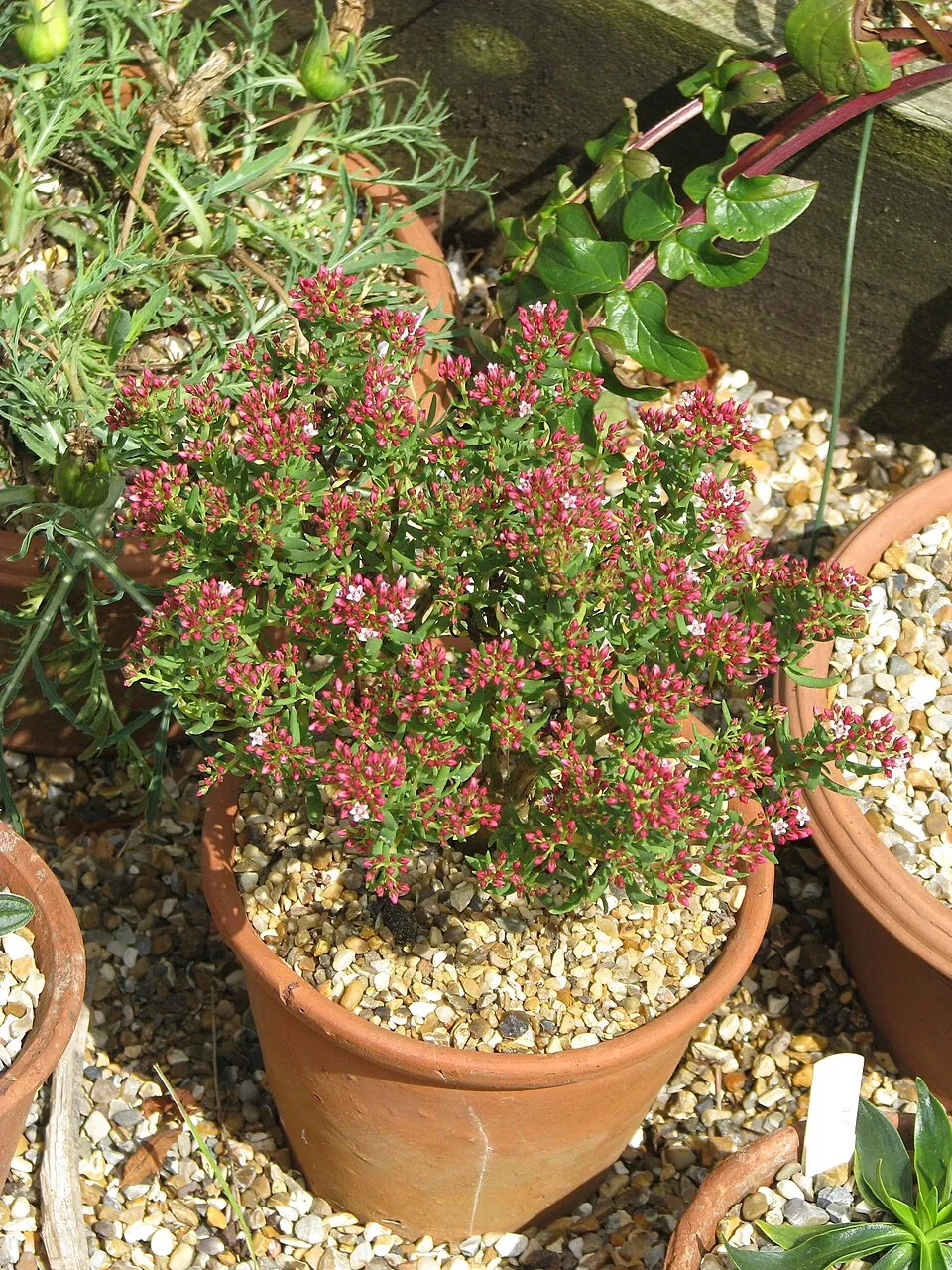
Crassula sarcocaulis, commonly known as Bonsai Crassula, is a distinctive small shrubby succulent plant belonging to the Crassulaceae family. Native to the diverse landscapes of southern and southeastern Africa, its natural distribution spans countries such as Malawi, Mozambique, Zimbabwe, Eswatini (Swaziland), Lesotho, and South Africa.
This resilient perennial thrives in its indigenous habitat, typically found on mountain slopes amidst rocky terrain, showcasing its adaptability to harsh, arid conditions.
Characterized by its unique, compact growth habit, Crassula sarcocaulis develops a woody stem and a branching structure that gives it a striking resemblance to a miniature bonsai tree, hence its popular common name. It generally reaches a height and width of about 30 to 50 centimeters (1 to 1.5 feet). The plant produces small, delicate flowers, typically pink or white, which emerge during the summer months.
These blossoms are noted for their pleasant fragrance, often described as reminiscent of honey or blackcurrant jelly, attracting various pollinators. Its succulent leaves are small and fleshy, designed to store water efficiently, a key adaptation for its drought-prone environment. This species is highly valued in horticulture for its aesthetic appeal and low maintenance requirements, making it a popular choice for rock gardens, succulent collections, and as an indoor specimen.
Trusted Scientific References
1. Authoritative external sources for Crassula Sarcocaulis
1.1 Wikipedia — Crassula Sarcocaulis
1.2 Kew POWO (Plants of the World Online)
1.3 PubMed — peer-reviewed research
1.4 NCBI Taxonomy Browser
1.5 GBIF — Global Biodiversity
1.6Crassula Sarcocaulis should be interpreted through verified botanical identity, practical care, and responsible safety language. This recovery note adds the missing context needed for a complete profile: match light to the plant's habit, use well-drained soil, water according to season, and avoid unsupported medicinal or edible claims. For publishing, the plant can be presented as a source-backed garden plant with clear care guidance, common problem diagnosis, and conservative safety wording.
1.1.Crassula Sarcocaulis — Key Features
- ✓Succulent Shrub — A small, woody-stemmed succulent with a compact, branching structure.
- ✓Bonsai — like Appearance — Naturally forms a miniature tree-like shape, making it popular for bonsai.
- ✓Native to Southern Africa — Indigenous to Malawi, Mozambique, Zimbabwe, Eswatini, Lesotho, and South Africa.
- ✓Drought Tolerant — Highly adapted to arid conditions, requiring minimal water.
- ✓Cold Hardy — Tolerates temperatures down to approximately -12°C (10°F), unusually hardy for a Crassula.
- ✓Fragrant Flowers — Produces small pink or white flowers in summer with a honey-like or blackcurrant scent.
- ✓Low Maintenance — Easy to care for, making it suitable for novice gardeners.
- ✓Versatile Use — Ideal for rock gardens, containers, indoor cultivation, and xeriscaping.
- ✓CAM Photosynthesis — Utilizes Crassulacean Acid Metabolism for efficient water use.
1.2.Crassula Sarcocaulis — Concise Overview
- ✓Crassula sarcocaulis is a shrubby succulent native to Southern Africa.
- ✓Known as Bonsai Crassula due to its unique, compact growth habit.
- ✓Highly valued as an ornamental plant for rock gardens and indoor displays.
- ✓Exceptionally drought-tolerant and remarkably cold-hardy for its genus.
- ✓Features small, fragrant pink or white flowers in summer.
- ✓Primarily cultivated for aesthetic appeal; medicinal uses are largely unverified.
2.Crassula Sarcocaulis — Scientific Profile
3.Crassula Sarcocaulis — Reference Facts
4.Crassula Sarcocaulis — Structural Profile
5.Crassula Sarcocaulis — Habitat & Distribution
6.Crassula Sarcocaulis — Cultural & Traditional Roles
7.Crassula Sarcocaulis — Secondary Metabolites
- ✓Organic Acids — Crassula sarcocaulis, like other plants employing Crassulacean Acid Metabolism (CAM), accumulates organic acids such as malic acid during the night, crucial for its unique photosynthetic process and water efficiency.
- ✓Flavonoids — Found widely across the plant kingdom, including many Crassula species, these polyphenolic compounds are known for their antioxidant activity and potential roles in plant defense and UV protection.
- ✓Triterpenes — These diverse secondary metabolites are present in many succulents and may contribute to the plant's structural integrity, defense mechanisms, and potentially possess anti-inflammatory or cytotoxic properties.
- ✓Polysaccharides/Mucilage — Many succulent plants contain mucilaginous polysaccharides, which are instrumental in water storage and retention, and could potentially offer demulcent or soothing effects, although specific studies on C. sarcocaulis are scarce.
- ✓Alkaloids (Potential) — While not a prominent feature in all Crassula species, some plants contain nitrogen-containing alkaloids that can exhibit various biological activities, warranting investigation in C. sarcocaulis.
- ✓Saponins (Potential) — These glycosides, characterized by their foam-forming properties, are found in various plants and may have emulsifying or anti-fungal roles, with their presence in C. sarcocaulis requiring specific analysis.
- ✓Tannins (Potential) — Polyphenolic compounds with astringent properties, tannins contribute to plant defense against herbivores and pathogens; their occurrence in Crassula sarcocaulis would need to be confirmed through phytochemical screening.
- ✓Phenolic Acids — Beyond flavonoids, other simple phenolic acids like caffeic acid or ferulic acid may be present, acting as antioxidants and contributing to the plant's overall biochemical profile.
8.Crassula Sarcocaulis — Modern Studies
- ✓Ornamental & Aesthetic Value — Primarily cultivated for its unique, bonsai-like appearance, Crassula sarcocaulis contributes to aesthetic well-being and is a popular choice for decorative gardens and indoor spaces.
- ✓Horticultural Therapy — Engaging with plants like Crassula sarcocaulis in gardening activities can reduce stress, improve mood, and provide a sense of accomplishment, promoting mental health benefits.
- ✓Air Quality Improvement (Indoor) — Like many houseplants, Crassula sarcocaulis may contribute to minor improvements in indoor air quality by absorbing certain pollutants and releasing oxygen during its CAM photosynthesis.
- ✓Drought Tolerance — While not a direct medicinal benefit, its remarkable drought tolerance makes it an ecologically beneficial plant for xeriscaping, contributing to sustainable gardening practices and water conservation.
- ✓Potential Anti-inflammatory Research — While specific studies on Crassula sarcocaulis are limited, some species within the Crassulaceae family have shown compounds with anti-inflammatory potential, warranting further investigation.
- ✓Potential Analgesic Research — Hypothetical analgesic properties, observed in certain botanical extracts from related succulent genera, suggest a possible area for future phytochemical and pharmacological exploration of Crassula sarcocaulis.
- ✓Potential Antimicrobial Research — Various plant extracts, including those from other succulents, exhibit antimicrobial activities, making this a speculative area for research into Crassula sarcocaulis's defensive compounds.
- ✓Potential Digestive Support Research — Based on general ethnobotanical uses of some Crassula species, preliminary research could explore any demulcent or soothing properties that might theoretically aid minor digestive discomfort, though highly unverified for this species.
- ✓Potential Skin Health Research — Traditional applications of some Crassula species for minor skin ailments suggest a distant possibility for investigating Crassula sarcocaulis extracts for topical applications, pending rigorous scientific validation.
- ✓Potential Blood Sugar Regulation Research — Certain plant-derived compounds are known for their influence on glucose metabolism; this represents a speculative long-term research avenue for Crassula sarcocaulis, without current direct evidence.
- ✓Potential Cardiovascular Health Research — Flavonoids and other antioxidants in plants often contribute to cardiovascular health; this is a broad, unspecific area for future phytochemical research that might include Crassula sarcocaulis.
8.1.Crassula Sarcocaulis — Therapeutic Indications
9.Crassula Sarcocaulis — Risk Profile
9.1.Crassula Sarcocaulis — Caution Notes
- ✓Gastrointestinal Upset — Ingestion, especially in large quantities, is not recommended and may cause mild gastrointestinal discomfort, nausea, or vomiting, particularly in pets.
- ✓Skin Irritation — Direct contact with plant sap, though rare, could potentially cause minor skin irritation or allergic reactions in highly sensitive individuals.
- ✓Allergic Reactions — As with any plant, there is a remote possibility of allergic reactions upon contact with pollen or plant material, though not commonly reported for this species.
- ✓Toxicity Concerns (Pets) — While not definitively proven as highly toxic, it is generally advisable to keep Crassula sarcocaulis out of reach of pets to prevent accidental ingestion and potential adverse effects.
- ✓Overwatering Issues — Incorrect cultivation leading to overwatering can result in root rot, which severely damages the plant and can lead to its demise, although this is a cultural issue rather than a direct side effect on health.
9.2.Crassula Sarcocaulis — Safety Profile
- ✓Non-Toxic (Generally) — Crassula sarcocaulis is not widely recognized as a highly toxic plant, but ingestion is not advised due to lack of specific safety data for internal use.
- ✓Pet Safety — Exercise caution with pets; while typically considered low-risk, ingestion by animals may lead to mild digestive upset, so it is best kept out of their reach.
- ✓Topical Use — No traditional or scientific basis for topical application as a medicinal agent exists; avoid applying plant material directly to skin unless for ornamental handling.
- ✓Pregnancy & Lactation — There is no safety data regarding the use of Crassula sarcocaulis during pregnancy or lactation; therefore, its use in these periods is not recommended.
- ✓Children — Keep out of reach of young children to prevent accidental ingestion or contact with plant parts, as specific toxicity levels are not fully established.
- ✓Medicinal Ingestion — Crassula sarcocaulis is not traditionally or scientifically recognized for internal medicinal use, and consumption is strongly discouraged.
10.Crassula Sarcocaulis — Preparation & Dosage
- ✓Ornamental Landscaping — Crassula sarcocaulis is primarily utilized in xeriscaping, rock gardens, and succulent beds due to its drought tolerance, cold hardiness, and attractive, low-growing form.
- ✓Container Plant — Its compact, bonsai-like appearance makes it an excellent choice for container gardening, especially in decorative pots that highlight its unique structure, suitable for patios or balconies.
- ✓Indoor Specimen — When provided with ample bright light, it serves as a captivating houseplant, adding a touch of natural artistry to indoor environments, often used as a desktop or shelf plant.
- ✓Bonsai Art — Due to its naturally shrubby and woody stem development, Crassula sarcocaulis is a popular candidate for traditional bonsai cultivation, allowing enthusiasts to shape and prune it into intricate forms.
- ✓Educational Display — Its distinctive CAM photosynthesis and succulent adaptations make it a valuable plant for botanical gardens and educational displays, illustrating plant physiology and adaptation.
- ✓Green Roofs & Walls — Its hardiness and low water requirements make it a suitable candidate for green roof systems and living walls in appropriate climates, contributing to urban biodiversity and insulation.
11.Crassula Sarcocaulis — Growing Guide
- ✓Soil Requirements — Crassula sarcocaulis demands extremely well-draining soil, ideally a succulent or cactus mix, often amended with perlite, pumice, or coarse sand to ensure aeration and prevent root rot.
- ✓Light Conditions — This succulent thrives in full sun to partial shade, with full sunlight generally preferred for optimal growth and compactness, especially when grown outdoors.
- ✓Watering Schedule — As a drought-tolerant plant, Crassula sarcocaulis requires infrequent watering. Allow the soil to dry out completely between waterings, reducing frequency significantly during cooler, dormant months.
- ✓Temperature & Hardiness — Remarkably cold-hardy for a succulent, it can tolerate temperatures down to approximately -12°C (10°F), making it suitable for a wider range of temperate climates, alongside its heat tolerance.
- ✓Pest Management — Generally disease-free, Crassula sarcocaulis can occasionally be susceptible to common succulent pests such as aphids, mealybugs, and vine weevils, which should be addressed with appropriate organic or chemical treatments.
- ✓Fertilization — Fertilize sparingly, usually once or twice during the active growing season (spring/summer) with a diluted, balanced succulent fertilizer to avoid overfeeding and potential root burn.
- ✓Propagation — Easily propagated from stem or leaf cuttings, which should be allowed to callus for a few days before planting in well-draining soil.
Reviewed by the Flora Medical Global Botanical Review Panel
Multi-disciplinary editorial group · Botany · Ethnobotany · Herbal-medicine literature
Who reviewed this: This page was checked by the Flora Medical Global Botanical Review Panel — an in-house editorial group of botany graduates, ethnobotany researchers, and horticulture practitioners who collectively maintain our 7,000+ plant encyclopedia. Meet the team.
Our 4-step verification process
1. Taxonomic verification
Scientific names and synonyms cross-checked against Kew POWO, World Flora Online, and The Plant List.
2. Phytochemical & medicinal cross-reference
Active compounds, traditional uses, and reported activities are cross-referenced with PubMed, USDA Dr. Duke's database, and peer-reviewed ethnobotanical literature.
3. Conservation & distribution check
Distribution, ecology, and conservation status confirmed against GBIF occurrence records and the IUCN Red List.
4. Editorial & safety review
Every entry passes an editorial pass for clarity, originality, and safety notices (toxicity, contraindications, dosage caveats) before publication.
Last reviewed:
Important medical disclaimer: This content is for educational and research purposes only. It is not medical advice and is not a substitute for consultation with a licensed healthcare provider. Do not use any herb to self-treat a medical condition without professional guidance.
Editorial Note: This page is for educational and research purposes only and is not medical advice.
Written by: Flora Medical Global Editorial Team
Reviewed by: Flora Medical Global Botanical Review Panel
Last Updated: June 15, 2026





Crassula Sarcocaulis — Comments & Community Reviews
Rate this plant