
Medical Disclaimer: This content is for educational purposes only. It is not medical advice. Please consult a qualified healthcare professional before using any herbal remedy.
Safety Overview
1.Cretan Brake Fern — Overview
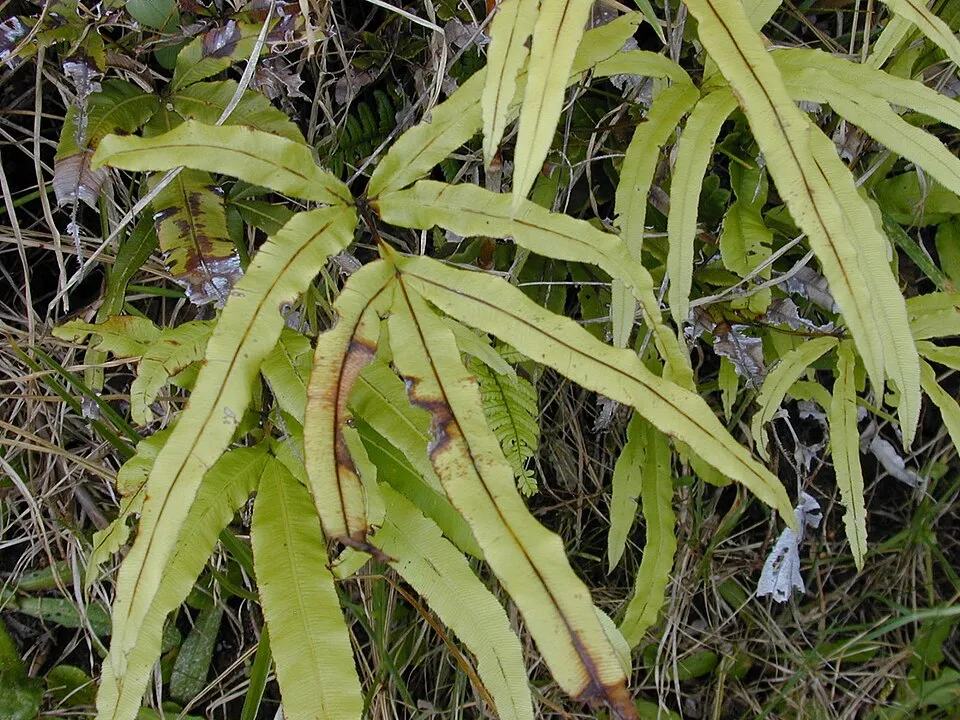
The Cretan Brake Fern, scientifically known as Pteris cretica, is an elegant and globally distributed fern species, highly regarded for its ornamental value and traditional medicinal applications. A member of the diverse Pteridaceae family, its natural range spans temperate and tropical zones across Europe, Africa, Asia, Australia, and the Americas, thriving in consistently humid environments such as rocky crevices, stream banks, and dappled woodlands. This evergreen perennial is characterized by its distinctive, deeply cut fronds, which are typically pinnate or bipinnate and emerge from a creeping rhizome.
Many cultivated varieties display striking variegation patterns, adding to its aesthetic appeal. While some forms exhibit subtle dimorphism between sterile and fertile fronds, the general structure is erect to arching, featuring a glossy texture that contributes a lush, vibrant green presence. Historically, Pteris cretica has been a popular choice for indoor cultivation since the Victorian era due to its adaptability and pleasing aesthetics, making it a favorite among horticulturists.
Ecologically, it often serves as an indicator species for healthy, moist microclimates. Its reproductive cycle, typical of ferns, involves spores produced in sori located along the frond margins or veins. Scientific investigations into Pteris cretica have identified a rich phytochemical profile, including various bioactive compounds like flavonoids, triterpenes, and phenolic acids, which underpin its traditional therapeutic uses and contribute to its adaptability and resilience.
Trusted Scientific References
1. Authoritative external sources for Pteris cretica
1.1 Wikipedia — Pteris cretica
1.2 Kew POWO (Plants of the World Online)
1.3 PubMed — peer-reviewed research
1.4 NCBI Taxonomy Browser
1.5 GBIF — Global Biodiversity
1.6Cretan Brake Fern should be interpreted through verified botanical identity, practical care, and responsible safety language. This recovery note adds the missing context needed for a complete profile: match light to the plant's habit, use well-drained soil, water according to season, and avoid unsupported medicinal or edible claims. For publishing, the plant can be presented as a source-backed indoor plant with clear care guidance, common problem diagnosis, and conservative safety wording.
1.1.Cretan Brake Fern — Defining Traits
- ✓Elegant, deeply cut — Elegant, deeply cut fronds, often variegated, adding ornamental appeal.
- ✓Global distribution, thriving — Global distribution, thriving in humid, dappled light environments.
- ✓Member of the — Member of the Pteridaceae family, showcasing typical fern morphology.
- ✓Rich in bioactive — Rich in bioactive compounds like flavonoids, triterpenes, and phenolic acids.
- ✓Exhibits traditional medicinal — Exhibits traditional medicinal uses, including antioxidant and anti-inflammatory properties.
- ✓Known for its air — purifying qualities, contributing to healthier indoor environments.
- ✓Adaptable and relatively — Adaptable and relatively easy to cultivate as a houseplant or in suitable outdoor settings.
- ✓Characterized by pinnate — Characterized by pinnate or bipinnate fronds arising from a creeping rhizome.
- ✓Reproduces via spores, — Reproduces via spores, a typical feature of its ancient plant lineage.
- ✓Often serves as — Often serves as an indicator species for moist, healthy microclimates.
1.2.Cretan Brake Fern — At-a-Glance Summary
- ✓Pteris cretica, the Cretan Brake Fern, is a globally distributed ornamental and medicinal fern.
- ✓Valued for its elegant fronds and adaptability, it's also recognized for air purification.
- ✓Rich in flavonoids, triterpenes, and phenolics, contributing to antioxidant and anti-inflammatory benefits.
- ✓Traditional uses include digestive aid, diuretic, and topical application for skin issues.
- ✓Requires bright, indirect light, consistent moisture, and high humidity for optimal growth.
- ✓Exercise caution during pregnancy, lactation, and with existing medical conditions or medications.
2.Cretan Brake Fern — Taxonomic Classification
3.Cretan Brake Fern — Reference Facts
4.Cretan Brake Fern — Plant Morphology
5.Cretan Brake Fern — Habitat & Distribution
6.Cretan Brake Fern — Ethnobotanical Uses
7.Cretan Brake Fern — Secondary Metabolites
- ✓Flavonoids — Key compounds include quercetin, kaempferol, and their glycosides, known for potent antioxidant, anti-inflammatory, and neuroprotective activities.
- ✓Triterpenoids — Such as oleanolic acid and ursolic acid derivatives, which contribute to the fern's anti-inflammatory, hepatoprotective, and potential anti-cancer properties.
- ✓Phenolic Acids — Including caffeic acid, gallic acid, and ferulic acid, these compounds exhibit strong antioxidant capabilities and play a role in plant defense mechanisms.
- ✓Tannins — Condensed and hydrolyzable tannins impart astringent properties, contributing to antimicrobial and wound-healing effects.
- ✓Polysaccharides — Beta-glucans and other complex carbohydrates are present, recognized for their immunomodulatory and prebiotic potential.
- ✓Sterols — Phytosterols like beta-sitosterol are found, known for their cholesterol-lowering and anti-inflammatory attributes.
- ✓Lignans — A class of plant compounds with antioxidant and phytoestrogenic activities, contributing to the fern's overall health-promoting profile.
- ✓Carotenoids — Pigments such as beta-carotene are present, acting as antioxidants and precursors to Vitamin A.
- ✓Volatile Compounds — While less prominent than in flowering plants, trace amounts of volatile organic compounds may contribute to the fern's subtle aroma and defense.
8.Cretan Brake Fern — What Research Suggests
- ✓Antioxidant Properties — Pteris cretica is rich in flavonoids and phenolic acids, which actively scavenge free radicals, protecting cells from oxidative damage and supporting overall cellular health.
- ✓Anti-inflammatory Effects — Triterpenoids and certain phenolic compounds present in the fern may help modulate inflammatory pathways, potentially alleviating discomfort associated with inflammatory conditions.
- ✓Antimicrobial Activity — Extracts of the Cretan Brake Fern have shown inhibitory effects against various microorganisms, suggesting potential in traditional remedies for mild infections.
- ✓Diuretic Support — Traditionally, some ferns are used to promote urine production, which can aid in flushing toxins and reducing fluid retention in the body.
- ✓Digestive Aid — Certain fern preparations have been used in traditional medicine to soothe gastrointestinal discomfort and support healthy digestion.
- ✓Respiratory Health — In some traditional systems, ferns are applied to support respiratory function, possibly through their expectorant or soothing properties.
- ✓Skin Health and Wound Healing — Applied topically as poultices, Pteris cretica may contribute to skin regeneration and aid in the healing of minor cuts or irritations due to its potential anti-inflammatory and antiseptic compounds.
- ✓Air Purification — Modern observations suggest that Pteris cretica, like many ferns, can absorb certain airborne pollutants, contributing to improved indoor air quality.
- ✓Immunomodulatory Potential — The complex array of polysaccharides and other compounds may subtly influence the immune system, helping to maintain its balance and responsiveness.
- ✓Neuroprotective Qualities — Flavonoids and other antioxidants can cross the blood-brain barrier, offering potential protection against neuronal damage and supporting cognitive health.
8.1.Cretan Brake Fern — Therapeutic Indications
9.Cretan Brake Fern — Adverse Effects
9.1.Cretan Brake Fern — Possible Adverse Reactions
- ✓Allergic Reactions — Individuals sensitive to ferns or other plants may experience skin rashes, itching, or respiratory symptoms upon contact or ingestion.
- ✓Gastrointestinal Upset — High doses or sensitive individuals may experience nausea, vomiting, or diarrhea.
- ✓Ptaquiloside Content — While Pteris cretica is not typically known for high levels, some Pteris species contain ptaquiloside, a carcinogen; prolonged, unmonitored internal use is generally not recommended.
- ✓Drug Interactions — Potential interactions with diuretics, blood thinners, or other medications due to its possible diuretic or blood-modulating effects.
- ✓Reproductive Concerns — Insufficient data on safety during pregnancy and lactation, therefore best avoided by pregnant or breastfeeding individuals.
- ✓Spore Inhalation — Inhalation of large quantities of spores from any fern can potentially cause respiratory irritation in sensitive individuals.
- ✓Incorrect Identification — Misidentification with other fern species, some of which may be toxic, poses a risk.
9.2.Cretan Brake Fern — Safety Profile
- ✓Pregnancy and Lactation — Avoid use during pregnancy and breastfeeding due to insufficient safety data and potential effects on reproductive health.
- ✓Children — Not recommended for use in infants or young children without professional medical advice due to lack of specific pediatric safety studies.
- ✓Pre-existing Conditions — Individuals with kidney disease, heart conditions, or other chronic illnesses should consult a healthcare professional before use.
- ✓Medication Interactions — Exercise caution if taking diuretics, anticoagulants, or other medications; consult a doctor to avoid potential adverse interactions.
- ✓Allergic History — Individuals with known allergies to ferns or plants in the Pteridaceae family should avoid use.
- ✓Proper Identification — Ensure correct botanical identification of Pteris cretica to avoid confusion with potentially toxic or less effective fern species.
- ✓Consultation — Always consult a qualified medical herbalist or healthcare provider before initiating any new herbal treatment, especially for internal use.
10.Cretan Brake Fern — Preparation & Dosage
- ✓Decoction — Prepare a decoction by simmering dried fronds or rhizomes in water for 15-20 minutes, traditionally used for internal consumption as a diuretic or digestive aid.
- ✓Infusion — Steep fresh or dried fronds in hot water for 10-15 minutes to create an herbal tea, often consumed for general well-being or mild respiratory support.
- ✓Poultice — Crush fresh fronds to form a paste and apply directly to the skin for minor wounds, irritations, or localized inflammation, allowing its soothing properties to work topically.
- ✓Tincture — Macerate dried plant material in alcohol to extract bioactive compounds, yielding a concentrated liquid for internal use, typically in small, diluted doses.
- ✓External Wash — Use a cooled decoction or strong infusion as a topical wash for skin conditions, minor cuts, or as a hair rinse to promote scalp health.
- ✓Capsules/Tablets — For modern convenience, dried and powdered fern material can be encapsulated for standardized internal dosing, though less common for this specific fern.
- ✓Culinary Use — While not a common food fern, some Pteris species have young fiddleheads that are consumed after proper preparation to remove potential toxins.
- ✓Air Purification — Place the live plant in indoor spaces to naturally filter certain airborne toxins, contributing to a healthier living environment.
11.Cretan Brake Fern — Growing Guide
- ✓Soil — Pteris cretica thrives in a well-draining, rich, and slightly acidic potting mix with a pH between 5.5 and 6.5, ideally incorporating peat moss, perlite, and organic matter.
- ✓Watering — Keep the soil consistently moist but never waterlogged; water thoroughly when the top inch of soil feels dry, allowing excess water to drain completely.
- ✓Lighting — Provide bright, indirect light, such as from a north or east-facing window; direct sunlight can scorch delicate fronds.
- ✓Humidity — Prefers high humidity (50-70%); regular misting, a pebble tray, or a humidifier can help maintain optimal conditions.
- ✓Temperature — Maintain moderate temperatures between 60°F to 75°F (15°C to 24°C), avoiding extreme cold or heat and sudden fluctuations.
- ✓Fertilization — During the active growing season (spring to early fall), fertilize monthly with a balanced, organic liquid fertilizer diluted to half strength.
- ✓Pruning — Minimal pruning is required, primarily to remove any yellowing, dead, or damaged fronds to maintain plant health and appearance.
- ✓Propagation — Easily propagated by division of the rhizome or by sowing spores, often a preferred method for creating new plants.
Reviewed by the Flora Medical Global Botanical Review Panel
Multi-disciplinary editorial group · Botany · Ethnobotany · Herbal-medicine literature
Who reviewed this: This page was checked by the Flora Medical Global Botanical Review Panel — an in-house editorial group of botany graduates, ethnobotany researchers, and horticulture practitioners who collectively maintain our 7,000+ plant encyclopedia. Meet the team.
Our 4-step verification process
1. Taxonomic verification
Scientific names and synonyms cross-checked against Kew POWO, World Flora Online, and The Plant List.
2. Phytochemical & medicinal cross-reference
Active compounds, traditional uses, and reported activities are cross-referenced with PubMed, USDA Dr. Duke's database, and peer-reviewed ethnobotanical literature.
3. Conservation & distribution check
Distribution, ecology, and conservation status confirmed against GBIF occurrence records and the IUCN Red List.
4. Editorial & safety review
Every entry passes an editorial pass for clarity, originality, and safety notices (toxicity, contraindications, dosage caveats) before publication.
Last reviewed:
Important medical disclaimer: This content is for educational and research purposes only. It is not medical advice and is not a substitute for consultation with a licensed healthcare provider. Do not use any herb to self-treat a medical condition without professional guidance.
Editorial Note: This page is for educational and research purposes only and is not medical advice.
Written by: Flora Medical Global Editorial Team
Reviewed by: Flora Medical Global Botanical Review Panel
Last Updated: June 15, 2026





Cretan Brake Fern — Comments & Community Reviews
Rate this plant