

Medical Disclaimer: This content is for educational purposes only. It is not medical advice. Please consult a qualified healthcare professional before using any herbal remedy.
Safety Overview
1.Crinum — At a Glance
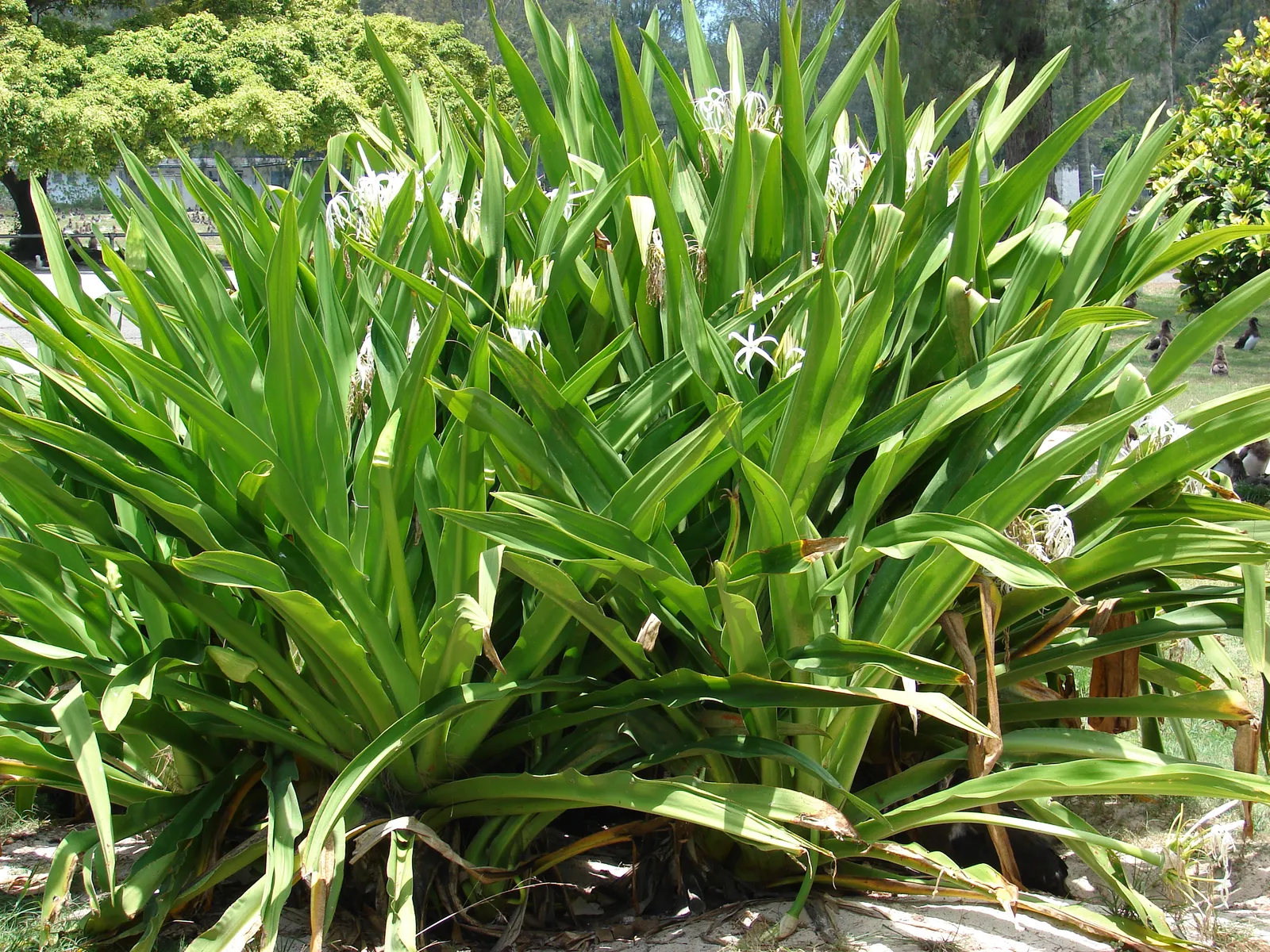
Crinum asiaticum, widely recognized as the Asian Poison Bulb or Bengal Lily, is a striking perennial herbaceous plant native to the tropical and subtropical regions of Asia and Australasia, extending from the Indian Ocean islands through Southeast Asia to Australia, Samoa, and Vanuatu. Belonging to the Amaryllidaceae family, this robust species typically attains a stature of 1 to 2 meters. Its prominent features include a basal rosette of large, glossy, strap-like leaves, which can reach lengths of up to 1 meter and widths of 6 cm. These vibrant green leaves possess a smooth texture and characteristically wavy margins, contributing to the plant's ornamental appeal. The inflorescence of Crinum asiaticum is equally impressive, producing clusters of large, fragrant, trumpet-shaped flowers.
These blossoms, often white or pale pink, measure 15 to 20 cm in length and are borne atop a sturdy scape that can ascend up to 2 meters above the foliage. Blooming primarily during the summer months, the flowers add a dramatic visual and olfactory element to its habitat. Below ground, the plant is anchored by a substantial bulbous base, encased in a fibrous tunic, which provides resilience, particularly in its preferred coastal environments. Crinum asiaticum is frequently found thriving in sandy soils along beaches, riverbanks, and marshy areas, demonstrating a notable tolerance to salt and a preference for warm, humid climates with full sun to partial shade. Taxonomically, Crinum asiaticum is a member of the genus Crinum, which encompasses over 180 species globally, many of which are valued for both their ornamental beauty and their traditional medicinal applications.
The plant's adaptability to various soil types, coupled with its robust growth habit, has facilitated its efficient spread across its extensive native range. Historically, Crinum asiaticum has held cultural significance in various indigenous communities, often associated with its distinctive appearance and its long-standing use in traditional healing systems, where knowledge of its properties has been passed down through generations. Its widespread cultivation as an ornamental has also led to its naturalization in some non-native tropical locales, such as parts of Florida and Louisiana, where it can sometimes exhibit invasive tendencies. Trusted Scientific References Authoritative external sources for Crinum asiaticum : Wikipedia — Crinum asiaticum Kew POWO (Plants of the World Online) PubMed — peer-reviewed ...[CURRENT TEXT EXISTS: 2558 chars]
1.1.Crinum — Distinguishing Points
- ✓Robust Perennial Herb — Crinum asiaticum is a durable plant growing 1 to 2 meters tall.
- ✓Large Strap — like Leaves — Features glossy, vibrant green leaves up to 1 meter long, arranged in a rosette.
- ✓Wavy Leaf Margins — Distinctive slightly wavy edges characterize its smooth-textured foliage.
- ✓Fragrant Trumpet Flowers — Produces large, white to pale pink, trumpet-shaped flowers, 15-20 cm long.
- ✓Tall Flower Stalks — Flowers appear in clusters atop stalks that can reach 2 meters above foliage.
- ✓Bulbous Base — Anchored by a substantial underground bulb covered with a fibrous tunic.
- ✓Coastal Habitat Adaptability — Thrives in sandy soils along beaches and marshy areas, tolerant to salt.
- ✓Tropical & Subtropical Range — Native to a wide area from the Indian Ocean to Australia.
- ✓Amaryllidaceae Family — Belongs to a family known for its ornamental and medicinal bulbs.
- ✓Alkaloid — Rich — Contains various toxic isoquinoline alkaloids like lycorine and crinamine.
- ✓Traditional Medicinal Use — Valued in Ayurveda and Unani for anti-inflammatory and analgesic properties.
- ✓Ornamental Value — Widely cultivated globally for its showy flowers and striking foliage.
- ✓Poisonous Nature — All parts, especially the bulb, are considered toxic if ingested.
- ✓Evergreen Habit — Maintains its foliage year-round in suitable climates.
- ✓Pest Resistant — Generally robust and resilient to common garden pests and diseases.
1.2.Crinum — Snapshot Summary
- ✓Primary Use — Traditional anti-inflammatory and analgesic for pain and swelling.
- ✓Key Compound — Lycorine, an alkaloid with anti-cancer and antiviral potential.
- ✓Traditional System — Utilized in Ayurveda, Unani, and various folk medicine practices.
- ✓Plant Part Used — Primarily leaves and bulb for medicinal preparations.
- ✓Key Caution — Highly toxic, especially the bulb; internal use is generally contraindicated.
- ✓Habitat — Coastal regions of tropical and subtropical Asia and Australasia.
- ✓Appearance — Large, strap-like leaves and fragrant, trumpet-shaped flowers.
- ✓Other Use — Widely cultivated as an ornamental plant.
2.Crinum — Botanical Identity
3.Crinum — Vital Statistics
4.Crinum — Physical Description
5.Crinum — Native Range & Habitat
6.Crinum — Traditional Uses
7.Crinum — Phytochemistry
- ✓Alkaloids — Crinum asiaticum is rich in various isoquinoline alkaloids, particularly those of the Amaryllidaceae type. Key compounds include lycorine, crinamine, haemanthamine, crinine, and ungeremine. These alkaloids are largely responsible for the plant's cytotoxic, antitumor, antiviral, and emetic properties.
- ✓Saponins — These glycosides are known for their detergent-like properties and have demonstrated anti-inflammatory, expectorant, and hypocholesterolemic activities. They contribute to the plant's traditional use in respiratory conditions and as a general tonic.
- ✓Flavonoids — A diverse group of polyphenolic compounds, flavonoids such as quercetin and kaempferol derivatives are present. They confer significant antioxidant, anti-inflammatory, and potentially anticarcinogenic effects, protecting cells from oxidative stress.
- ✓Glycosides — Various types of glycosides, beyond saponins, are found, including cardiac glycosides in some related species, though less prominent in Crinum asiaticum. They can exert a range of pharmacological actions depending on their aglycone structure.
- ✓Phenolic Compounds — Beyond flavonoids, other phenolic acids and derivatives contribute to the plant's antioxidant capacity and may possess antimicrobial and anti-inflammatory actions.
- ✓Terpenoids — While not as extensively studied as alkaloids in Crinum asiaticum, some terpenoid compounds may be present, contributing to aroma and potentially exhibiting anti-inflammatory or antimicrobial effects.
- ✓Polysaccharides — Complex carbohydrates present in the plant can have immunomodulatory effects, supporting the immune system and contributing to general health.
- ✓Phytosterols — Plant sterols like beta-sitosterol are known for their cholesterol-lowering properties and anti-inflammatory actions, contributing to the plant's overall therapeutic profile.
- ✓Fatty Acids — Essential and non-essential fatty acids are components of the plant's tissues, playing roles in cellular structure and metabolism, though not typically considered primary active medicinal constituents.
- ✓Amino Acids — Proteins and their building blocks, amino acids, are fundamental to plant life and may contribute to general nutritional value, although not usually primary medicinal agents.
- ✓Lectins — Some plant lectins have been identified in Crinum species, which can have various biological activities, including immunomodulatory and cytotoxic effects, depending on their specific structure and target binding.
8.Crinum — Evidence-Based Benefits
- ✓Anti-inflammatory Action — Crinum asiaticum exhibits potent anti-inflammatory properties, traditionally utilized in Ayurvedic and Unani medicine to alleviate swelling and pain associated with rheumatic conditions, arthritis, and muscle inflammation. Its efficacy stems from active compounds that modulate inflammatory pathways, reducing localized tissue responses.
- ✓Analgesic Effects — The plant's extracts, particularly from the bulb and leaves, are known for their pain-relieving capabilities. They are traditionally applied topically as poultices or liniments to soothe muscle strains, sprains, and general body aches, offering a natural alternative for pain management.
- ✓Wound Healing Support — Extracts and poultices prepared from Crinum asiaticum bulbs and leaves have been historically applied to accelerate the healing of cuts, abrasions, and minor wounds. The plant's antimicrobial and anti-inflammatory constituents contribute to creating a conducive environment for tissue regeneration and preventing infection.
- ✓Antimicrobial Activity — Research suggests that Crinum asiaticum possesses significant antimicrobial properties, effective against various bacteria and fungi. This makes it a valuable traditional remedy for treating skin infections, minor cuts, and potentially internal infections, though internal use requires extreme caution.
- ✓Expectorant Properties — Traditionally, the juice of Crinum asiaticum leaves is consumed to manage respiratory ailments such as asthma, bronchitis, and coughs. Its expectorant action helps to loosen and expel mucus from the respiratory tract, providing relief from congestion and improving breathing.
- ✓Antitumor Potential — The alkaloid lycorine, a prominent constituent of Crinum asiaticum, has demonstrated promising anti-cancer potential in preliminary studies. It is believed to inhibit the growth of certain tumor cells and induce apoptosis, making it a subject of ongoing pharmacological research for novel cancer therapies.
- ✓Diuretic Effects — In some traditional systems, certain preparations of Crinum asiaticum are believed to possess diuretic properties, aiding in the increased production and excretion of urine. This can be beneficial in conditions requiring fluid balance regulation, though documented evidence specifically for C. asiaticum is less common than for other Crinum species.
- ✓Antioxidant Activity — The presence of flavonoids and other phenolic compounds in Crinum asiaticum contributes to its antioxidant capacity. These compounds help to neutralize free radicals, protecting cells from oxidative damage and potentially reducing the risk of chronic diseases.
- ✓Anti-pyretic (Fever Reducing) — Traditional uses in some regions include employing Crinum asiaticum to reduce fever. While the exact mechanism is not fully elucidated, it is believed to help moderate the body's temperature response during febrile conditions.
- ✓Antispasmodic Relief — The plant has been traditionally used to alleviate spasms, particularly those affecting the respiratory system, contributing to its use in asthma and bronchitis. Its compounds may help relax smooth muscles, easing constricted airways.
- ✓Emetic Action — Historically, the fresh bulb's juice was used as an emetic to induce vomiting, primarily in cases of poisoning. However, due to its inherent toxicity and the risk of adverse effects, this application is highly discouraged in modern practice without expert medical supervision.
- ✓Dermatological Applications — Beyond wound healing, Crinum asiaticum has been used in folk medicine for various skin conditions, including boils, abscesses, and certain dermatoses. Its anti-inflammatory and antiseptic qualities are leveraged for topical relief and recovery.
- ✓Antiviral Properties — Some research indicates potential antiviral activity attributed to specific alkaloids found in Crinum species. This suggests a broader spectrum of antimicrobial action that warrants further investigation for therapeutic applications.
- ✓Immunomodulatory Effects — Preliminary studies on related Crinum species suggest a potential for immunomodulatory effects, meaning the plant's compounds could influence the immune system's response. This area requires more specific research for Crinum asiaticum.
8.1.Crinum — Health Applications
9.Crinum — Cautions & Contraindications
9.1.Crinum — Side Effects & Warnings
- ✓Gastrointestinal Disturbances — Ingestion of raw plant parts, especially the bulb, can cause severe gastrointestinal upset, including nausea, vomiting, abdominal pain, and diarrhea, due to toxic alkaloids.
- ✓Skin Irritation — The sap from Crinum asiaticum can cause contact dermatitis, characterized by redness, itching, and irritation upon skin contact, particularly in sensitive individuals.
- ✓Cardiac Effects — High doses of certain Crinum alkaloids, like lycorine, can have cardiotoxic effects, potentially leading to irregular heartbeats or other cardiovascular issues.
- ✓Central Nervous System Depression — Overdosing, especially through ingestion, can lead to symptoms of central nervous system depression, including dizziness, lethargy, and in severe cases, respiratory depression.
- ✓Allergic Reactions — Individuals sensitive to plants in the Amaryllidaceae family may experience allergic reactions, ranging from mild skin rashes to more severe systemic responses.
- ✓Liver and Kidney Toxicity — Prolonged or excessive internal use, particularly of unpurified extracts, may lead to liver and kidney damage due to the cumulative effect of toxic compounds.
- ✓Muscle Weakness and Tremors — In severe cases of poisoning, muscle weakness, tremors, and lack of coordination have been reported due to neurotoxic effects of certain alkaloids.
- ✓Vision Disturbances — Some alkaloids found in Amaryllidaceae plants can cause temporary vision disturbances or blurred vision upon systemic absorption.
9.2.Crinum — Risk Assessment
- ✓Drug Interactions — Crinum asiaticum may interact with certain medications, particularly cardiac drugs, sedatives, or medications affecting liver enzymes. Consult a healthcare professional before use, especially if on prescription medication.
- ✓Pregnancy and Breastfeeding Warning — Due to the presence of toxic alkaloids and lack of safety data, Crinum asiaticum is strictly contraindicated during pregnancy and breastfeeding. It may pose risks to both mother and child.
- ✓Children and Infants — The plant is highly toxic and should never be administered to children or infants, even topically, due to their increased susceptibility to toxic effects.
- ✓Pre-existing Conditions — Individuals with heart conditions, liver disease, kidney impairment, or gastrointestinal disorders should avoid using Crinum asiaticum due to potential exacerbation of symptoms or increased toxicity.
- ✓Internal Use Caution — Internal consumption of any part of Crinum asiaticum is generally not recommended due to its high toxicity. If used internally in traditional systems, it is under very specific, controlled conditions by experienced practitioners.
- ✓Topical Use Precaution — Always perform a patch test on a small skin area before widespread topical application to check for allergic reactions or irritation. Avoid applying to broken skin or open wounds directly.
- ✓Handling Precautions — Wear gloves when handling the fresh plant, especially the bulb and sap, to prevent skin irritation. Wash hands thoroughly after contact.
- ✓Storage Safety — Keep all plant parts, especially bulbs and processed extracts, out of reach of children and pets, as accidental ingestion can be fatal.
10.Crinum — Preparations & Uses
- ✓Topical Poultice — For pain, inflammation, and wounds, crush fresh leaves or bulb sections to form a paste. Apply directly to the affected area, cover with a clean cloth, and leave for several hours or overnight. Repeat as needed.
- ✓Leaf Juice (External) — Extract juice from fresh Crinum asiaticum leaves by crushing and pressing. This juice can be applied directly to skin irritations, insect bites, or minor burns for soothing and antiseptic effects. Always perform a patch test first.
- ✓Infusion for Compresses — Steep dried leaves in hot water to create a strong infusion. Allow to cool, then soak a cloth in the liquid and apply as a compress to reduce swelling or alleviate muscle soreness. Do not ingest without expert guidance.
- ✓Liniment Preparation — Combine Crinum asiaticum extract with a carrier oil (e.g., coconut or sesame oil) to create a liniment. Massage gently into joints or muscles affected by rheumatic pain or strains. This enhances absorption and provides lubrication.
- ✓Traditional Respiratory Decoction (External Fumes) — In some traditional practices for respiratory issues, leaves might be heated or boiled to release vapors for inhalation, providing a soothing effect on airways. Direct internal consumption of decoctions is generally not recommended due to toxicity.
- ✓Emetic Use (Historical, Not Recommended) — Historically, fresh bulb juice was used as an emetic. However, due to the high concentration of toxic alkaloids, this method is dangerous and strongly discouraged for self-administration; it should only be considered under strict medical supervision in emergency settings.
- ✓Infused Oil for Skin — Macerate fresh Crinum asiaticum leaves or bulb slices in a carrier oil (e.g., olive oil) for several weeks in a warm, dark place. Strain the oil and use it for therapeutic massage on painful areas or for general skin care. This method helps to extract fat-soluble compounds.
- ✓Herbal Bath Additive — For generalized body aches or skin conditions, dried leaves or a strong infusion can be added to bathwater. The plant's compounds may be absorbed through the skin, providing systemic or localized relief.
- ✓Tincture (Limited Internal Use) — While not widely recommended for internal use due to toxicity, some traditional herbalists may prepare highly diluted tinctures for specific conditions, administered in very small, controlled doses. This requires expert knowledge and supervision.
11.Crinum — How to Grow
- ✓Soil Requirements — Crinum asiaticum thrives in deep, well-drained, and moisture-retentive fertile soil that is rich in organic matter. A sandy loam mixture is ideal, especially for coastal environments.
- ✓Light Exposure — This plant prefers full sun to partial shade. In tropical climates, some afternoon shade can be beneficial to protect it from intense heat, while in cooler regions, full sun is recommended for optimal flowering.
- ✓Watering — Bulbs require consistent moisture during the active growing season. While established plants can tolerate some drought, regular watering promotes lush foliage and abundant blooms. Reduce watering slightly during dormancy or cooler months.
- ✓Temperature and Hardiness — Crinum asiaticum is a plant of subtropical and tropical regions, tolerating occasional lows down to about -5°C (23°F). In colder climates, it is best grown in containers that can be moved indoors or provided with significant winter protection.
- ✓Planting Depth — Plant the bulbs shallowly, ensuring the neck of the bulb is at or just above soil level. This promotes proper growth and flowering. For outdoor planting in cooler zones, a protective mulch layer is beneficial in winter.
- ✓Fertilization — Feed established plants with a balanced, slow-release fertilizer during the growing season, or apply organic compost to enrich the soil. Over-fertilization, especially with nitrogen, can promote leaf growth at the expense of flowers.
- ✓Propagation — Primarily propagated by offsets that develop around the main bulb. These can be carefully separated and replanted once they reach a reasonable size. Seed propagation is also possible but slower.
- ✓Pruning — Remove spent flower stalks and any yellowing or damaged leaves to maintain plant vigor and appearance. No extensive pruning is typically required.
- ✓Pest and Disease Management — Generally a robust plant, Crinum asiaticum is relatively resistant to pests and diseases. Monitor for common garden pests like mealybugs or spider mites, and treat with organic solutions if necessary. Ensure good air circulation to prevent fungal issues.
- ✓Transplanting — Bulbs can be sensitive to transplanting and may take several years to re-establish and flower profusely after being moved. Once established, they tend to reproduce rapidly.
Reviewed by the Flora Medical Global Botanical Review Panel
Multi-disciplinary editorial group · Botany · Ethnobotany · Herbal-medicine literature
Who reviewed this: This page was checked by the Flora Medical Global Botanical Review Panel — an in-house editorial group of botany graduates, ethnobotany researchers, and horticulture practitioners who collectively maintain our 7,000+ plant encyclopedia. Meet the team.
Our 4-step verification process
1. Taxonomic verification
Scientific names and synonyms cross-checked against Kew POWO, World Flora Online, and The Plant List.
2. Phytochemical & medicinal cross-reference
Active compounds, traditional uses, and reported activities are cross-referenced with PubMed, USDA Dr. Duke's database, and peer-reviewed ethnobotanical literature.
3. Conservation & distribution check
Distribution, ecology, and conservation status confirmed against GBIF occurrence records and the IUCN Red List.
4. Editorial & safety review
Every entry passes an editorial pass for clarity, originality, and safety notices (toxicity, contraindications, dosage caveats) before publication.
Last reviewed:
Important medical disclaimer: This content is for educational and research purposes only. It is not medical advice and is not a substitute for consultation with a licensed healthcare provider. Do not use any herb to self-treat a medical condition without professional guidance.
Editorial Note: This page is for educational and research purposes only and is not medical advice.
Written by: Flora Medical Global Editorial Team
Reviewed by: Flora Medical Global Botanical Review Panel
Last Updated: June 15, 2026





Crinum — Comments & Community Reviews
Rate this plant