
Medical Disclaimer: This content is for educational purposes only. It is not medical advice. Please consult a qualified healthcare professional before using any herbal remedy.
Safety Overview
1.Croton Zanzibar — At a Glance
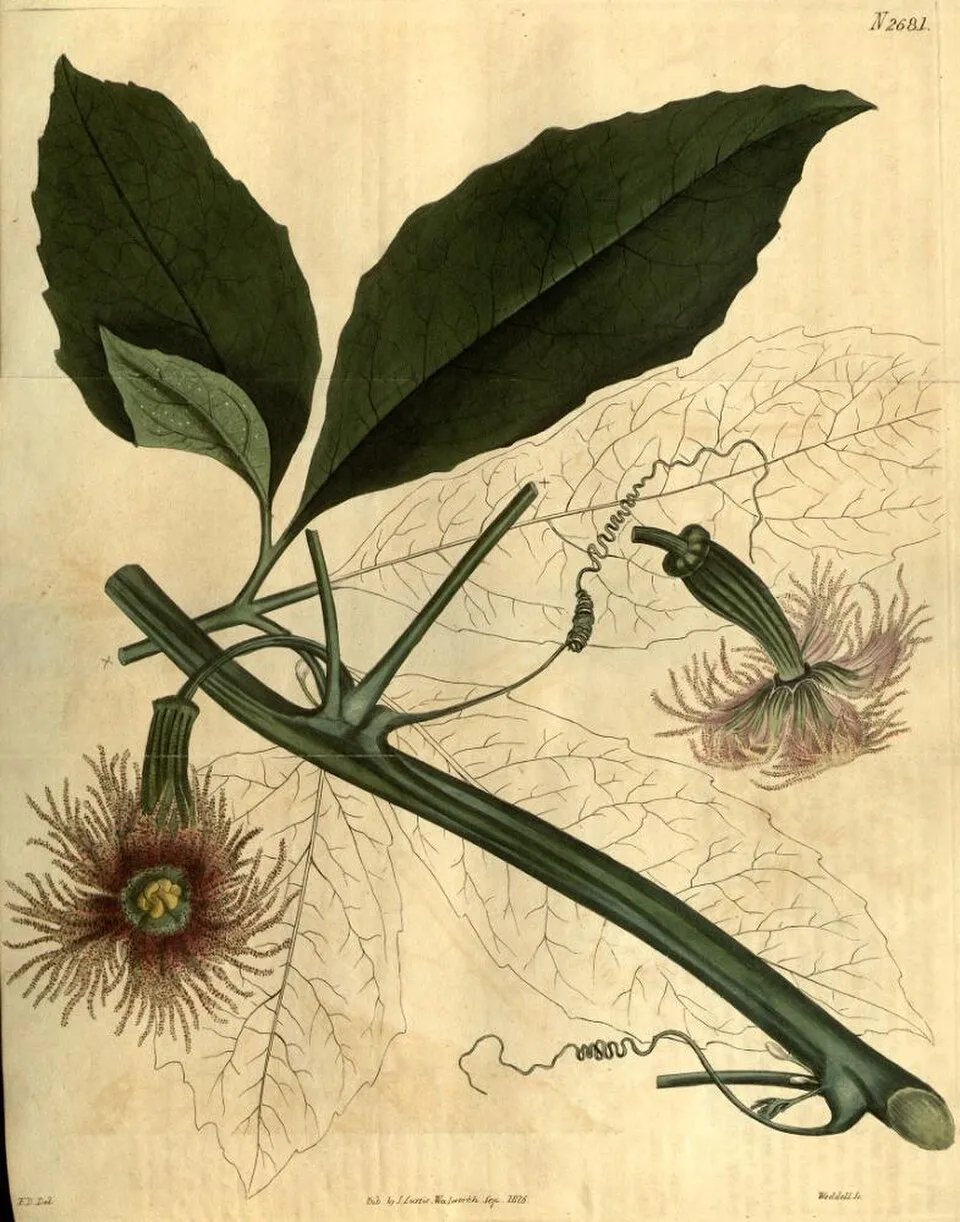
Croton 'Zanzibar', botanically known as Codiaeum variegatum 'Zanzibar', is a distinguished cultivar within the diverse Codiaeum variegatum species, which belongs to the expansive Euphorbiaceae family. This captivating plant is celebrated for its exceptionally striking, multi-colored foliage and an elegant, upright growth habit. Its origins trace back to the tropical rainforests of Southeast Asia and the Western Pacific Islands, where its wild progenitors thrive as evergreen shrubs or small trees. The 'Zanzibar' cultivar specifically boasts slender, ribbon-like leaves that unfurl in an astonishing spectrum of vibrant hues, including various shades of green, sunny yellow, fiery orange, deep red, and sometimes even hints of purple or bronze.
These colors intensify with optimal light exposure, making it a highly prized ornamental plant for both indoor and outdoor tropical landscapes. While the broader Codiaeum variegatum species holds a historical place in traditional medicine, particularly in regions like Malaysia and Indonesia for its purgative sap and anti-inflammatory leaves, the 'Zanzibar' cultivar has been selectively bred almost exclusively for its aesthetic appeal. Modern cultivation of 'Zanzibar' primarily focuses on enhancing its distinct leaf characteristics and vivid colorations. Typically, this compact shrub reaches heights of 60-90 cm indoors, though its wild relatives can attain significantly larger sizes.
It flourishes in conditions mirroring its native tropical environment: high ambient humidity, consistent warmth, and abundant bright, indirect light are paramount for maintaining its intense leaf coloration and overall vigor. The plant's characteristic milky latex, common to the Euphorbiaceae family, is an important botanical feature, signaling potential irritant properties.
Trusted Scientific References
1. Authoritative external sources for Codiaeum variegatum zanzibar
1.1 Wikipedia — Codiaeum variegatum zanzibar
1.2 Kew POWO (Plants of the World Online)
1.3 PubMed — peer-reviewed research
1.4 NCBI Taxonomy Browser
1.5 GBIF — Global Biodiversity
1.1.Croton Zanzibar — Highlights
- ✓Striking Multi — Colored Foliage — Displays a brilliant palette of green, yellow, orange, red, and purple hues.
- ✓Slender, Ribbon — like Leaves — 'Zanzibar' is characterized by its unique, elongated, and narrow leaf shape.
- ✓Compact Upright Growth Habit — Typically grows as a manageable shrub, ideal for indoor cultivation.
- ✓Native to Tropical Asia and Pacific Islands — Thrives in high humidity and warm temperatures.
- ✓Member of the Euphorbiaceae Family — Contains milky latex, a common family characteristic.
- ✓Rich in Diverse Phytochemicals — The species contains terpenoids, flavonoids, and diterpenes, some with biological activity.
- ✓Historical Traditional Medicinal Uses (Species) — Broader species used for purgative, anti-inflammatory, and antimicrobial purposes.
- ✓Primarily Cultivated as an Ornamental Plant — Valued almost exclusively for its aesthetic appeal.
- ✓Requires Bright, Indirect Light — Essential for maintaining the intensity and vibrancy of its leaf coloration.
- ✓Sap is a Skin and Gastrointestinal Irritant — Handle with caution to avoid contact and ingestion.
1.2.Croton Zanzibar — Snapshot Summary
- ✓Croton 'Zanzibar' is a popular ornamental plant known for its vibrant, multi-colored foliage.
- ✓Originates from tropical Southeast Asia, requiring warm, humid conditions and bright, indirect light.
- ✓The broader Codiaeum variegatum species has traditional medicinal uses, including purgative and anti-inflammatory properties.
- ✓Contains a milky sap that is a known irritant and toxic if ingested, primarily due to phorbol esters.
- ✓Rich in diverse phytochemicals like terpenoids, flavonoids, and phenolic acids.
- ✓Medicinal efficacy for the 'Zanzibar' cultivar is not widely studied, and its use is not recommended due to toxicity.
2.Croton Zanzibar — Scientific Identity
3.Croton Zanzibar — Vital Statistics
4.Croton Zanzibar — Botanical Description
5.Croton Zanzibar — Ecological Habitat
6.Croton Zanzibar — Folk Medicine Applications
7.Croton Zanzibar — Chemical Profile
- ✓Terpenoids — This broad class includes diterpenes, such as phorbol esters, which are responsible for the plant's irritant and cytotoxic properties, and triterpenes like beta-sitosterol.
- ✓Flavonoids — Compounds like quercetin and kaempferol derivatives are present, contributing to antioxidant and anti-inflammatory activities within the plant.
- ✓Alkaloids — Various nitrogen-containing organic compounds may be found, potentially contributing to diverse pharmacological effects.
- ✓Saponins — These glycosides can have detergent-like properties and are sometimes associated with anti-inflammatory or cholesterol-lowering effects.
- ✓Tannins — Astringent compounds that can contribute to antioxidant and antimicrobial properties.
- ✓Phenolic Acids — Including gallic acid and caffeic acid, these compounds are known for their strong antioxidant and free-radical scavenging capabilities.
- ✓Glycosides — A diverse group of compounds where a sugar molecule is bonded to a non-sugar component, often influencing various biological activities.
- ✓Fatty Acids — Essential for plant cellular structure and function, some of which may exhibit biological activities.
8.Croton Zanzibar — Evidence-Based Benefits
- ✓Anti-inflammatory Support — Traditionally, leaves of the broader Codiaeum variegatum species were applied topically to reduce inflammation, potentially due to the presence of flavonoids and terpenoids.
- ✓Purgative Action — The milky sap of the Codiaeum variegatum species was historically used as a strong purgative in traditional medicine, though this practice is associated with significant toxicity.
- ✓Antimicrobial Properties — Research on extracts from the Codiaeum variegatum species has indicated potential inhibitory effects against certain bacteria and fungi.
- ✓Antioxidant Activity — Phytochemicals such as flavonoids and phenolic acids found in the species contribute to antioxidant effects, helping to neutralize free radicals.
- ✓Cytotoxic Potential — Some diterpenes, particularly phorbol esters, isolated from the Codiaeum variegatum species have shown cytotoxic activity in in vitro studies, suggesting potential anti-cancer research avenues.
- ✓Wound Healing (Traditional) — In some folk medicine, the broader species was used in poultices to aid in the healing of minor wounds and skin lesions.
- ✓Analgesic Effects — Certain compounds within the Codiaeum variegatum species may possess mild pain-relieving properties, as suggested by traditional uses for various aches.
- ✓Digestive Aid (Traditional Caution) — While primarily known for its purgative effect, very diluted traditional preparations of the species were sometimes used to address specific digestive discomforts, but this carries high risk.
8.1.Croton Zanzibar — Indications & Uses
9.Croton Zanzibar — Cautions & Contraindications
9.1.Croton Zanzibar — Possible Adverse Reactions
- ✓Contact Dermatitis — The milky sap can cause skin irritation, redness, itching, and blistering upon contact.
- ✓Gastrointestinal Upset — Ingestion of any plant part can lead to severe nausea, vomiting, abdominal pain, and diarrhea.
- ✓Oral and Pharyngeal Irritation — Swallowing plant material can cause a burning sensation in the mouth, throat, and esophagus.
- ✓Ocular Irritation — Sap contact with the eyes can result in pain, redness, swelling, and temporary blurred vision.
- ✓Allergic Reactions — Hypersensitive individuals may experience more severe allergic responses, including respiratory distress.
- ✓Systemic Toxicity — Large ingestions, especially of the sap, can lead to more serious systemic effects due to phorbol esters, potentially impacting liver function.
9.2.Croton Zanzibar — Clinical Safety Notes
- ✓Strictly External Use Only — Avoid all internal consumption of Codiaeum variegatum 'Zanzibar' or its species due to high toxicity.
- ✓Wear Protective Gear — Always use gloves when handling or pruning the plant to prevent sap contact with skin.
- ✓Keep Out of Reach — Ensure plants are inaccessible to children and pets, who are highly susceptible to poisoning if ingested.
- ✓Eye Protection — Exercise extreme caution to prevent sap from coming into contact with the eyes.
- ✓Pregnant and Nursing Women — Contraindicated for use by pregnant or nursing individuals due to potential toxicity and lack of safety data.
- ✓Individuals with Sensitivities — People with known skin sensitivities or allergies should avoid direct contact with the plant.
- ✓Professional Consultation — Never use for self-medication; always consult a qualified healthcare professional or toxicologist for any exposure or traditional use inquiry.
10.Croton Zanzibar — Preparation Methods
- ✓External Poultices (Traditional Species Use) — Traditionally, crushed leaves of the broader Codiaeum variegatum species were applied externally as poultices for inflammatory conditions.
- ✓Decoctions for Washes (Traditional Species Use) — Boiled leaf extracts of the species were historically used as topical washes for skin ailments, never for internal consumption.
- ✓Sap (Strictly NOT Recommended Internally) — The milky sap of the species was used traditionally as a potent purgative, but due to its high toxicity and irritant nature, internal use is highly dangerous and not recommended.
- ✓Herbal Compresses (Traditional Species Use) — Leaves of the Codiaeum variegatum species were prepared into warm compresses to alleviate muscle aches and localized pain.
- ✓Infusions (Extremely Limited/Cautious Traditional Use) — Very diluted infusions of the species were rarely used internally for specific ailments in ancient practices, but modern self-medication is strongly discouraged due to toxicity.
- ✓Smoke Inhalation (Traditional Species Use) — In some cultures, dried leaves of the species were traditionally burned and inhaled for certain respiratory conditions, a practice not supported by modern safety standards. Note: For 'Zanzibar' cultivar, usage is strictly ornamental. Any mention of medicinal use refers to the broader Codiaeum variegatum species in traditional contexts, with significant toxicity warnings.
11.Croton Zanzibar — Garden Cultivation
- ✓Light Requirements — Provide bright, indirect light; insufficient light can cause leaves to revert to green, while too much direct sun can dull colors.
- ✓Soil Preference — Thrive in fertile, well-drained, and consistently moist soil, ideally a rich potting mix.
- ✓Watering Schedule — Water thoroughly when the top 0.5 to 1 inch of soil feels dry; reduce frequency during winter months.
- ✓Humidity and Temperature — Maintain moderate to high humidity and warm temperatures (60-85°F / 16-29°C), protecting from drafts and cold below 50°F (10°C).
- ✓Fertilization — Fertilize once or twice during the active growing season (spring to fall) with a balanced liquid fertilizer.
- ✓Pruning for Shape — Prune hard in early spring before new growth emerges to encourage bushier growth and maintain desired shape.
- ✓Repotting — Repot when the plant becomes root-bound, moving to a pot only 1 to 2 inches larger in diameter.
- ✓Propagation — Easily propagated by air layering in spring or by taking softwood stem cuttings in summer to preserve cultivar characteristics.
Reviewed by the Flora Medical Global Botanical Review Panel
Multi-disciplinary editorial group · Botany · Ethnobotany · Herbal-medicine literature
Who reviewed this: This page was checked by the Flora Medical Global Botanical Review Panel — an in-house editorial group of botany graduates, ethnobotany researchers, and horticulture practitioners who collectively maintain our 7,000+ plant encyclopedia. Meet the team.
Our 4-step verification process
1. Taxonomic verification
Scientific names and synonyms cross-checked against Kew POWO, World Flora Online, and The Plant List.
2. Phytochemical & medicinal cross-reference
Active compounds, traditional uses, and reported activities are cross-referenced with PubMed, USDA Dr. Duke's database, and peer-reviewed ethnobotanical literature.
3. Conservation & distribution check
Distribution, ecology, and conservation status confirmed against GBIF occurrence records and the IUCN Red List.
4. Editorial & safety review
Every entry passes an editorial pass for clarity, originality, and safety notices (toxicity, contraindications, dosage caveats) before publication.
Last reviewed:
Important medical disclaimer: This content is for educational and research purposes only. It is not medical advice and is not a substitute for consultation with a licensed healthcare provider. Do not use any herb to self-treat a medical condition without professional guidance.
Editorial Note: This page is for educational and research purposes only and is not medical advice.
Written by: Flora Medical Global Editorial Team
Reviewed by: Flora Medical Global Botanical Review Panel
Last Updated: June 15, 2026





Croton Zanzibar — Comments & Community Reviews
Rate this plant