
Medical Disclaimer: This content is for educational purposes only. It is not medical advice. Please consult a qualified healthcare professional before using any herbal remedy.
Safety Overview
1.Cryptanthus Bivittatus — Overview
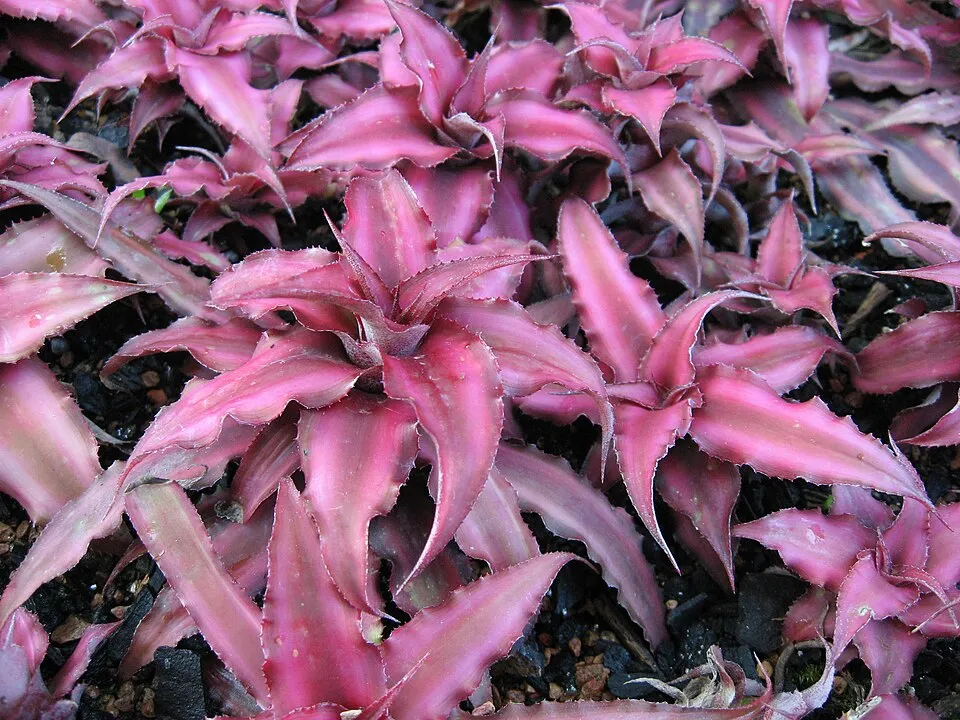
Cryptanthus bivittatus, commonly known as Earth Star, is an intriguing terrestrial and lithophytic herbaceous perennial belonging to the extensive Bromeliaceae family. Native to the humid, shaded undergrowth of southeastern Brazil, particularly in states like Espirito Santo and Rio de Janeiro, this species thrives on mossy rocks and decaying organic matter on the forest floor, distinguishing itself from many epiphytic bromeliads. Its discovery and introduction to cultivation in the 19th century captivated botanists with its radially symmetrical rosette growth habit, which typically spans 10-15 cm in diameter.
The species epithet 'bivittatus' aptly describes its characteristic two longitudinal stripes on its leaves, although modern cultivars exhibit a stunning array of colors, including deep greens, bronzes, vibrant reds, pinks, and yellows, often complemented by silvery bands or intricate variegation. These striking patterns are not merely ornamental but serve as adaptive mechanisms, aiding in light filtration within its naturally shaded environment. In its natural ecosystem, Cryptanthus bivittatus plays a vital role in forest floor biodiversity and nutrient cycling.
Its specialized trichomes, which are minute, scale-like structures on the leaf surface, are highly efficient at absorbing atmospheric moisture and nutrients, enabling the plant to flourish without an extensive root system. While primarily valued for its aesthetic appeal in horticulture, its unique adaptations and natural habitat contribute significantly to its ecological profile, making it a fascinating subject for botanical study.
Trusted Scientific References
1. Authoritative external sources for Cryptanthus bivittatus
1.1 Wikipedia — Cryptanthus bivittatus
1.2 Kew POWO (Plants of the World Online)
1.3 PubMed — peer-reviewed research
1.4 NCBI Taxonomy Browser
1.5 GBIF — Global Biodiversity
1.6Cryptanthus Bivittatus should be interpreted through verified botanical identity, practical care, and responsible safety language. This recovery note adds the missing context needed for a complete profile: match light to the plant's habit, use well-drained soil, water according to season, and avoid unsupported medicinal or edible claims. For publishing, the plant can be presented as a source-backed indoor plant with clear care guidance, common problem diagnosis, and conservative safety wording.
1.1.Cryptanthus Bivittatus — Standout Qualities
- ✓Distinctive Rosette Form — Forms a flat, star-shaped rosette of leaves, giving it its common name 'Earth Star'.
- ✓Vibrant Foliage Colors — Displays a wide spectrum of leaf colors, including reds, pinks, greens, and bronzes, often with intricate stripes or bands.
- ✓Terrestrial/Lithophytic Growth — Unusually for a bromeliad, it primarily grows terrestrially on the forest floor or lithophytically on rocks.
- ✓Compact Size — Typically small, reaching 10-15 cm in diameter, making it ideal for small spaces and terrariums.
- ✓Specialized Trichomes — Features scale-like trichomes on leaves for efficient water and nutrient absorption from the air.
- ✓Low — Maintenance Ornamental — Relatively easy to care for as a houseplant once its specific light and humidity needs are met.
- ✓Non — Toxic for Pets — A safe plant choice for homes with cats and dogs.
- ✓Propagation by Pups — Easily multiplied through the division of offsets, ensuring continued growth.
- ✓Humidity Loving — Thrives in high humidity environments, mimicking its native tropical rainforest habitat.
- ✓Aesthetic Appeal — Highly valued for its unique visual impact in horticultural displays.
1.2.Cryptanthus Bivittatus — In Brief
- ✓Cryptanthus bivittatus, or Earth Star, is a striking terrestrial bromeliad native to Brazil.
- ✓Known for its vibrant, star-shaped rosettes and distinctive striped foliage.
- ✓Primarily an ornamental plant, popular in terrariums and as a houseplant.
- ✓Requires bright, indirect light, high humidity, and well-drained soil.
- ✓Propagated via 'pups' or offsets; mother plant dies after flowering.
- ✓Generally considered non-toxic to humans and pets, with minimal irritation risk.
2.Cryptanthus Bivittatus — Scientific Profile
3.Cryptanthus Bivittatus — Reference Facts
4.Cryptanthus Bivittatus — Morphological Account
5.Cryptanthus Bivittatus — Where It Grows
6.Cryptanthus Bivittatus — Historical Applications
7.Cryptanthus Bivittatus — Secondary Metabolites
- ✓Anthocyanins — Pigments responsible for the vibrant red, pink, and purple hues observed in many Cryptanthus bivittatus cultivars, acting as natural antioxidants.
- ✓Carotenoids — Contribute to the yellow and orange coloration in some varieties, also known for their antioxidant properties.
- ✓Flavonoids — A broad class of polyphenolic compounds commonly found in plants, potentially offering antioxidant and anti-inflammatory activities, though specific research on this species is limited.
- ✓Terpenoids — Various volatile organic compounds that may contribute to plant defense mechanisms against herbivores and pathogens, present in many plant species.
- ✓Polysaccharides — Structural carbohydrates found in plant cell walls, contributing to the plant's physical integrity and potentially offering mucilaginous properties.
- ✓Waxes and Cuticular Lipids — Form a protective layer on the leaf surface, crucial for reducing water loss and providing a barrier against environmental stressors.
- ✓Phenolic Acids — Common secondary metabolites with general antioxidant and antimicrobial properties, part of the plant's defense system.
- ✓Tannins — Astringent compounds that can act as defense mechanisms against herbivory and microbial attack, potentially present in trace amounts.
8.Cryptanthus Bivittatus — What Research Suggests
- ✓Ornamental & Aesthetic Appeal — Enhances living spaces, contributing to a sense of well-being and visual pleasure through its vibrant foliage and unique form.
- ✓Air Quality Improvement — Like many plants, Cryptanthus bivittatus contributes to filtering indoor air, potentially helping to remove certain volatile organic compounds.
- ✓Stress Reduction through Horticulture — Engaging in plant care, such as tending to Earth Star plants, can offer therapeutic benefits, promote mindfulness, and reduce stress levels.
- ✓Non-Toxic for Pets — A significant benefit for households with animals, as Cryptanthus bivittatus is generally recognized as safe for cats and dogs, making it a pet-friendly choice.
- ✓Bioprospecting Potential — As a member of a diverse plant family, its unique phytochemistry, though largely uncharacterized for medicinal use, warrants investigation for novel compounds with potential future applications.
- ✓Soil Bioremediation Potential — In its native terrestrial habit, it contributes to nutrient cycling and could potentially be studied for its role in soil health and ecological restoration applications.
- ✓Microhabitat Creation — Its dense, water-retaining rosette can provide shelter and moisture for small invertebrates in its native ecosystem, contributing to local biodiversity.
- ✓Educational Value — Serves as an excellent botanical specimen for learning about Bromeliad adaptations, terrestrial growth forms, and tropical plant diversity.
8.1.Cryptanthus Bivittatus — Indications & Uses
9.Cryptanthus Bivittatus — Adverse Effects
9.1.Cryptanthus Bivittatus — Caution Notes
- ✓Dermatological Irritation — Minor skin irritation or discomfort may occur from handling the somewhat spiny or serrated leaf margins, though generally mild.
- ✓Allergic Reactions — While rare, some individuals might experience mild allergic contact dermatitis upon prolonged skin exposure to plant sap or foliage.
- ✓Pest Infestations — Susceptible to common greenhouse pests such as mealybugs, scale insects, and spider mites, which can damage foliage.
- ✓Root Rot — Overwatering, especially in poorly draining soil, can lead to root rot, causing the plant to decline and eventually die.
- ✓Foliage Scorching — Exposure to excessive direct sunlight, particularly harsh midday sun, can cause leaves to bleach, shrivel, and develop unsightly burn marks.
- ✓Cold Damage — Being frost tender, exposure to temperatures below its optimal range can lead to significant foliage damage or plant death.
- ✓Nutrient Imbalance — Improper fertilization, either too much or too little, can lead to discolored foliage or stunted growth.
9.2.Cryptanthus Bivittatus — Risk Assessment
- ✓Non-Toxic — Cryptanthus bivittatus is widely considered non-toxic to humans, cats, and dogs, making it a safe choice for households with children and pets.
- ✓Minimal Irritation Risk — While its leaves possess slightly serrated edges, the risk of significant physical irritation is low with normal handling.
- ✓No Known Internal Toxicity — There are no documented reports of systemic toxicity from ingestion, though it is not intended for human or animal consumption.
- ✓Horticultural Safety — Primarily a concern during cultivation regarding proper handling to avoid minor physical discomfort from leaf margins.
- ✓Allergen Potential — The plant has a low allergenic potential; however, individuals with extreme plant sensitivities should exercise caution.
- ✓Environmental Safety — Poses no known threat to local ecosystems when grown responsibly in non-native environments, particularly indoors.
- ✓Handling Precautions — Wearing gloves is advisable for sensitive skin when handling large quantities or vigorously pruning due to potential minor irritation.
10.Cryptanthus Bivittatus — Preparation & Dosage
- ✓Terrarium Integration — Excellent choice for enclosed terrariums and vivariums due to its compact size, humidity tolerance, and striking foliage.
- ✓Indoor Ornamental Plant — Used as a decorative houseplant to add vibrant color and unique texture to interior spaces.
- ✓Vivarium Landscaping — Popular in exotic pet enclosures (e.g., for reptiles or amphibians) to create a naturalistic and humid environment.
- ✓Groundcover in Tropical Climates — In frost-free tropical regions, it can be grown outdoors as an attractive, low-maintenance groundcover.
- ✓Aesthetic Arrangement — Utilized in dish gardens or mixed plant displays to create visually appealing botanical compositions.
- ✓Propagation for Display — Offsets ('pups') can be separated and potted independently to expand a collection or share with enthusiasts.
- ✓Educational Specimen — Employed in botanical gardens and educational settings to showcase bromeliad diversity and adaptations.
- ✓Horticultural Therapy — Engaging in its care and observing its growth can provide therapeutic benefits for mental well-being.
11.Cryptanthus Bivittatus — Growth Requirements
- ✓Soil Preference — Requires well-drained, humus-rich soil, ideally a mix designed for bromeliads or a blend of peat, perlite, and bark.
- ✓Light Requirements — Thrives in bright, indirect light; morning and evening sun are ideal, while strong midday sun should be avoided to prevent leaf scorching.
- ✓Watering Schedule — Water thoroughly when the topsoil feels dry to the touch, ensuring the root zone is adequately moistened but not waterlogged.
- ✓Humidity Needs — Prefers high humidity, making it an excellent choice for terrariums, vivariums, or areas with regular misting.
- ✓Temperature Range — Frost tender, requiring warm tropical temperatures, typically above 15°C (60°F), to prevent cold damage.
- ✓Propagation — Primarily propagated by dividing offsets, known as 'pups,' which emerge from the base of the mother plant, typically when they are one-third its size.
- ✓Fertilization — Feed sparingly with a diluted liquid fertilizer during the growing season, typically once a month, applied to the soil.
- ✓Container Growing — Ideal for indoor containers, allowing for controlled environmental conditions and easy relocation.
Reviewed by the Flora Medical Global Botanical Review Panel
Multi-disciplinary editorial group · Botany · Ethnobotany · Herbal-medicine literature
Who reviewed this: This page was checked by the Flora Medical Global Botanical Review Panel — an in-house editorial group of botany graduates, ethnobotany researchers, and horticulture practitioners who collectively maintain our 7,000+ plant encyclopedia. Meet the team.
Our 4-step verification process
1. Taxonomic verification
Scientific names and synonyms cross-checked against Kew POWO, World Flora Online, and The Plant List.
2. Phytochemical & medicinal cross-reference
Active compounds, traditional uses, and reported activities are cross-referenced with PubMed, USDA Dr. Duke's database, and peer-reviewed ethnobotanical literature.
3. Conservation & distribution check
Distribution, ecology, and conservation status confirmed against GBIF occurrence records and the IUCN Red List.
4. Editorial & safety review
Every entry passes an editorial pass for clarity, originality, and safety notices (toxicity, contraindications, dosage caveats) before publication.
Last reviewed:
Important medical disclaimer: This content is for educational and research purposes only. It is not medical advice and is not a substitute for consultation with a licensed healthcare provider. Do not use any herb to self-treat a medical condition without professional guidance.
Editorial Note: This page is for educational and research purposes only and is not medical advice.
Written by: Flora Medical Global Editorial Team
Reviewed by: Flora Medical Global Botanical Review Panel
Last Updated: June 15, 2026





Cryptanthus Bivittatus — Comments & Community Reviews
Rate this plant