
Medical Disclaimer: This content is for educational purposes only. It is not medical advice. Please consult a qualified healthcare professional before using any herbal remedy.
Safety Overview
1.Cryptomeria Indoor — Overview
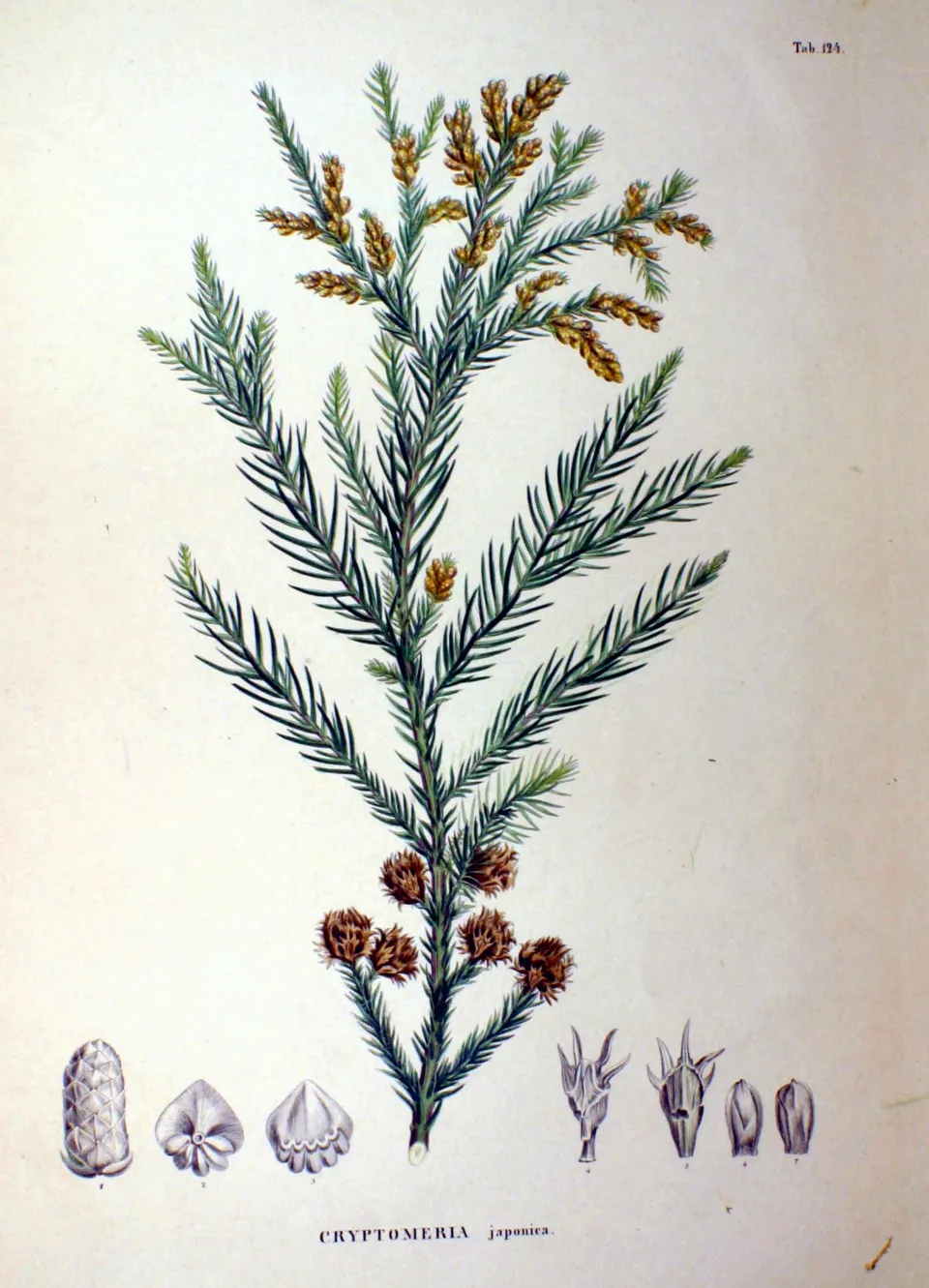
Cryptomeria japonica 'Globosa Nana', widely recognized as 'Cryptomeria Indoor' for its adaptability to container cultivation, is a highly esteemed dwarf, rounded cultivar of the Japanese Cedar. This coniferous shrub originates from the broader species, Cryptomeria japonica, a towering evergreen tree native to the temperate forests of Japan and China, where it holds profound cultural and ecological significance. The 'Globosa Nana' cultivar was meticulously developed to exhibit a distinctively compact, globe-like growth habit, rendering it an exemplary choice for diverse ornamental applications, including elegant rock gardens, defined borders, and increasingly, as a sophisticated indoor specimen or a meticulously shaped bonsai, particularly in regions with suitable climates.
While its parent species can ascend to majestic heights of 50-70 meters in its natural environment, 'Globosa Nana' maintains a modest stature, typically remaining under 1.5 meters in both height and spread, even after many years of maturation. Its prominent botanical characteristics include dense, vibrant emerald-green foliage, composed of short, awl-shaped needles arranged spirally along the stems. These needles undergo a captivating transformation in colder temperatures, adopting a rich bronzy-purple or rusty-red hue, which significantly enhances its seasonal aesthetic appeal.
Unlike the mature species, 'Globosa Nana' rarely produces prominent cones, often a characteristic of its dwarf cultivation and its typically immature state when maintained in containers. The genus name, Cryptomeria, derives from the Greek 'krypto' (to hide) and 'meris' (a part), referencing the concealed reproductive organs of the species.
Trusted Scientific References
1. Authoritative external sources for Cryptomeria japonica Globosa Nana
1.1 Wikipedia — Cryptomeria japonica Globosa Nana
1.2 Kew POWO (Plants of the World Online)
1.3 PubMed — peer-reviewed research
1.4 NCBI Taxonomy Browser
1.5 GBIF — Global Biodiversity
1.6Cryptomeria Indoor should be interpreted through verified botanical identity, practical care, and responsible safety language. This recovery note adds the missing context needed for a complete profile: match light to the plant's habit, use well-drained soil, water according to season, and avoid unsupported medicinal or edible claims. For publishing, the plant can be presented as a source-backed indoor plant with clear care guidance, common problem diagnosis, and conservative safety wording.
1.1.Cryptomeria Indoor — Defining Traits
- ✓Dwarf Cultivar — Compact, globe-like growth habit, typically under 1.5 meters.
- ✓Evergreen Foliage — Retains vibrant emerald-green needles throughout the year.
- ✓Seasonal Color Change — Foliage softens to bronzy-purple or rusty-red in colder months.
- ✓Low Maintenance — Requires minimal pruning and is generally pest and disease resistant.
- ✓Versatile Use — Excellent for rock gardens, borders, containers, and bonsai.
- ✓Drought Tolerant — Once established, it shows good resistance to dry conditions.
- ✓Heat Tolerant — Performs well in warmer climates within its hardiness zones.
- ✓Aromatic Qualities — Subtle conifer scent, characteristic of the Cryptomeria species.
- ✓Cultural Significance — Parent species deeply rooted in Japanese landscaping and traditional practices.
- ✓Air Purifying Potential — Like many plants, it contributes to cleaner indoor air when grown indoors.
1.2.Cryptomeria Indoor — Quick Summary
- ✓Dwarf, rounded evergreen conifer, 'Cryptomeria japonica 'Globosa Nana'.
- ✓Ideal for container growth, small gardens, and bonsai due to compact size.
- ✓Features dense, emerald-green foliage that turns bronzy-purple in winter.
- ✓Parent species, Cryptomeria japonica, has traditional uses for its aromatic and anti-inflammatory properties.
- ✓Low maintenance, disease-resistant, and adaptable to various growing conditions.
- ✓Offers year-round aesthetic appeal and contributes to indoor air quality.
2.Cryptomeria Indoor — Systematic Position
3.Cryptomeria Indoor — Reference Facts
4.Cryptomeria Indoor — Structural Profile
5.Cryptomeria Indoor — Geographic Distribution
6.Cryptomeria Indoor — Historical Applications
7.Cryptomeria Indoor — Bioactive Constituents
- ✓Diterpenoids — Key compounds include sugiol, ferruginol, totarol, and cryptomerin. These contribute to the species' anti-inflammatory, antimicrobial, and antioxidant properties.
- ✓Flavonoids — Prominent examples are amentoflavone and hinokiflavone. These powerful antioxidants help combat oxidative stress and may possess anti-inflammatory and antiviral activities.
- ✓Essential Oils — Composed primarily of monoterpenes like alpha-pinene, limonene, and sesquiterpenes such as cadinene. These confer the characteristic aromatic scent and contribute to antimicrobial effects.
- ✓Phenolic Acids — Includes compounds like caffeic acid and gallic acid, which are known for their strong antioxidant capabilities and general protective actions.
- ✓Lignans — Compounds such as pinoresinol are present, offering additional antioxidant benefits and potentially contributing to various physiological processes.
- ✓Tannins — These astringent compounds are found in the bark and leaves of the parent species, contributing to its traditional use for wound healing and tissue toning.
- ✓Volatile Organic Compounds (VOCs) — Beyond the primary essential oil components, a complex mixture of VOCs contributes to the plant's distinctive aroma and ecological interactions.
- ✓Resins — The species produces various resins, which serve protective functions against pests and pathogens, and contain many of the lipophilic active compounds.
- ✓Carbohydrates — Structural and storage carbohydrates are present, typical for woody plants, supporting plant metabolism and growth.
8.Cryptomeria Indoor — Modern Studies
- ✓Antioxidant Support — The parent species, Cryptomeria japonica, contains flavonoids and diterpenoids that exhibit potent antioxidant activities, helping to neutralize free radicals and mitigate oxidative stress in the body.
- ✓Anti-inflammatory Properties — Traditional medicine systems, particularly TCM, have utilized parts of Cryptomeria japonica for its purported anti-inflammatory effects, attributed to compounds like sugiol and ferruginol.
- ✓Antimicrobial Action — Essential oils and certain diterpenoids extracted from the species demonstrate antimicrobial properties, potentially inhibiting the growth of various bacteria and fungi.
- ✓Respiratory Health Support — The aromatic compounds present in the essential oil of Cryptomeria japonica have been traditionally used to help alleviate respiratory congestion and promote clearer breathing.
- ✓Stress Reduction (Aromatherapy) — The distinct, calming aroma of conifers like Cryptomeria japonica can contribute to a sense of relaxation and well-being when diffused as an essential oil.
- ✓Potential Immune Modulation — While not extensively studied for the cultivar, compounds found in the parent species may possess properties that support the immune system's balance and function.
- ✓Wound Healing (Topical) — The combined antimicrobial and anti-inflammatory properties of Cryptomeria japonica extracts could potentially support the healing of minor cuts and abrasions when applied topically.
- ✓Skin Health — Antioxidants and anti-inflammatory agents in the species may contribute to protecting skin cells from environmental damage and reducing irritation.
- ✓Cardiovascular Health (Research Area) — Some flavonoids identified in Cryptomeria japonica are being investigated for their potential role in supporting cardiovascular health through various mechanisms.
- ✓Neuroprotective Potential (Exploratory) — Certain diterpenoids from the species are subjects of preliminary research for their potential neuroprotective effects, though more studies are needed.
8.1.Cryptomeria Indoor — Conditions Traditionally Used For
9.Cryptomeria Indoor — Risk Profile
9.1.Cryptomeria Indoor — Warnings
- ✓Allergic Reactions — Sensitive individuals may experience skin irritation, redness, or contact dermatitis from direct contact with foliage or essential oils of the species.
- ✓Respiratory Sensitivity — Inhaling concentrated essential oils without proper ventilation may cause irritation to the respiratory tract in some individuals.
- ✓Gastrointestinal Upset — Ingestion of plant material from the species, particularly in large quantities, could lead to mild gastrointestinal discomfort, nausea, or vomiting.
- ✓Photosensitivity — While rare, some plant compounds might theoretically increase skin sensitivity to sunlight, though this is not commonly reported for Cryptomeria.
- ✓Drug Interactions — Due to the presence of various bioactive compounds in the species, theoretical interactions with medications such as blood thinners or sedatives cannot be entirely ruled out.
- ✓Pregnancy and Lactation — Lack of sufficient safety data advises against medicinal use of Cryptomeria species during pregnancy and lactation.
9.2.Cryptomeria Indoor — Toxicity Assessment
- ✓Consult Healthcare Professional — Always consult a qualified healthcare provider or medical herbalist before using any part of Cryptomeria japonica for medicinal purposes, especially the species-derived products.
- ✓Not for Internal Consumption — Cryptomeria japonica 'Globosa Nana' is primarily an ornamental plant and should not be ingested. Medicinal applications discussed refer to the parent species and require expert preparation.
- ✓Pregnancy and Lactation Caution — Avoid medicinal use of Cryptomeria species during pregnancy and breastfeeding due to insufficient safety data and potential effects of bioactive compounds.
- ✓Children and Pets — Keep all parts of the plant out of reach of children and pets, as ingestion of any ornamental plant material can cause adverse reactions.
- ✓Topical Application Precautions — When using essential oils or extracts from the species topically, always perform a patch test on a small skin area to check for sensitivity or allergic reactions.
- ✓Proper Identification — Ensure correct plant identification when considering any traditional or medicinal use, as misidentification can lead to harmful outcomes.
- ✓Quality and Purity — For any derived medicinal products from the species, ensure they are sourced from reputable suppliers and meet quality and purity standards.
10.Cryptomeria Indoor — Application Forms
- ✓Aromatic Diffusions — Essential oil derived from the parent Cryptomeria japonica species can be diffused to purify indoor air, reduce stress, and support respiratory comfort.
- ✓Topical Application (Diluted) — Diluted essential oil or extracts from the species may be applied topically for minor skin irritations or muscle aches, always after a patch test.
- ✓Herbal Infusions (External) — Traditionally, leaves and twigs of Cryptomeria japonica have been prepared as infusions for external washes, compresses, or therapeutic baths.
- ✓Incense & Fumigation — The wood or resin of the parent species has historical use in certain cultures for ceremonial incense, purification, and creating an aromatic atmosphere.
- ✓Environmental Enhancement — As an ornamental cultivar, 'Cryptomeria Indoor' enhances indoor air quality and provides aesthetic tranquility, contributing to a calming living environment.
- ✓Bonsai Cultivation — 'Globosa Nana' is highly valued for bonsai, allowing for artistic shaping and creating a focal point for meditation and horticultural appreciation.
- ✓Garden Specimen — Primarily used as an attractive, low-maintenance specimen in rock gardens, borders, or as a foundation plant, offering year-round visual interest.
- ✓Traditional Decoctions (Species) — In some traditional systems, decoctions from the bark or wood of the species were prepared for internal use, though this requires expert guidance and is not recommended for the cultivar.
11.Cryptomeria Indoor — Propagation & Care
- ✓Light Requirements — Provide full sun to partial shade for optimal growth; at least 6 hours of direct sunlight is ideal, especially for container-grown specimens.
- ✓Soil Composition — Thrives in moist, well-drained soil with a slightly acidic to neutral pH (6.0-7.0). Amend heavy clay soils with organic matter to improve drainage.
- ✓Watering Schedule — Maintain consistent soil moisture, particularly during dry spells and for plants in containers. Allow the top inch of soil to dry slightly between waterings, but avoid waterlogging.
- ✓Temperature & Humidity — Hardy in USDA Zones 6a-9b, tolerating a wide range of temperatures. Prefers moderate humidity but is adaptable to various conditions, showing winter bronzing in colder zones.
- ✓Fertilization — Generally low-feeders. Apply a balanced, slow-release granular fertilizer in early spring, especially for container plants, to support healthy foliage growth.
- ✓Pruning & Shaping — 'Globosa Nana' naturally forms a dense, rounded shape, requiring minimal pruning. Remove any dead or damaged branches to maintain its attractive form. For bonsai, specific shaping techniques apply.
- ✓Pest & Disease Resistance — Highly resistant to most common insect pests and diseases, making it a low-maintenance choice for gardeners.
- ✓Container Growing — Select a pot with adequate drainage holes. Repot every 2-3 years to refresh soil and accommodate root growth, using a good quality potting mix designed for evergreens.
Reviewed by the Flora Medical Global Botanical Review Panel
Multi-disciplinary editorial group · Botany · Ethnobotany · Herbal-medicine literature
Who reviewed this: This page was checked by the Flora Medical Global Botanical Review Panel — an in-house editorial group of botany graduates, ethnobotany researchers, and horticulture practitioners who collectively maintain our 7,000+ plant encyclopedia. Meet the team.
Our 4-step verification process
1. Taxonomic verification
Scientific names and synonyms cross-checked against Kew POWO, World Flora Online, and The Plant List.
2. Phytochemical & medicinal cross-reference
Active compounds, traditional uses, and reported activities are cross-referenced with PubMed, USDA Dr. Duke's database, and peer-reviewed ethnobotanical literature.
3. Conservation & distribution check
Distribution, ecology, and conservation status confirmed against GBIF occurrence records and the IUCN Red List.
4. Editorial & safety review
Every entry passes an editorial pass for clarity, originality, and safety notices (toxicity, contraindications, dosage caveats) before publication.
Last reviewed:
Important medical disclaimer: This content is for educational and research purposes only. It is not medical advice and is not a substitute for consultation with a licensed healthcare provider. Do not use any herb to self-treat a medical condition without professional guidance.
Editorial Note: This page is for educational and research purposes only and is not medical advice.
Written by: Flora Medical Global Editorial Team
Reviewed by: Flora Medical Global Botanical Review Panel
Last Updated: June 15, 2026





Cryptomeria Indoor — Comments & Community Reviews
Rate this plant