


Medical Disclaimer: This content is for educational purposes only. It is not medical advice. Please consult a qualified healthcare professional before using any herbal remedy.
Safety Overview
1.Cryptomeria Japonica — Plant Snapshot
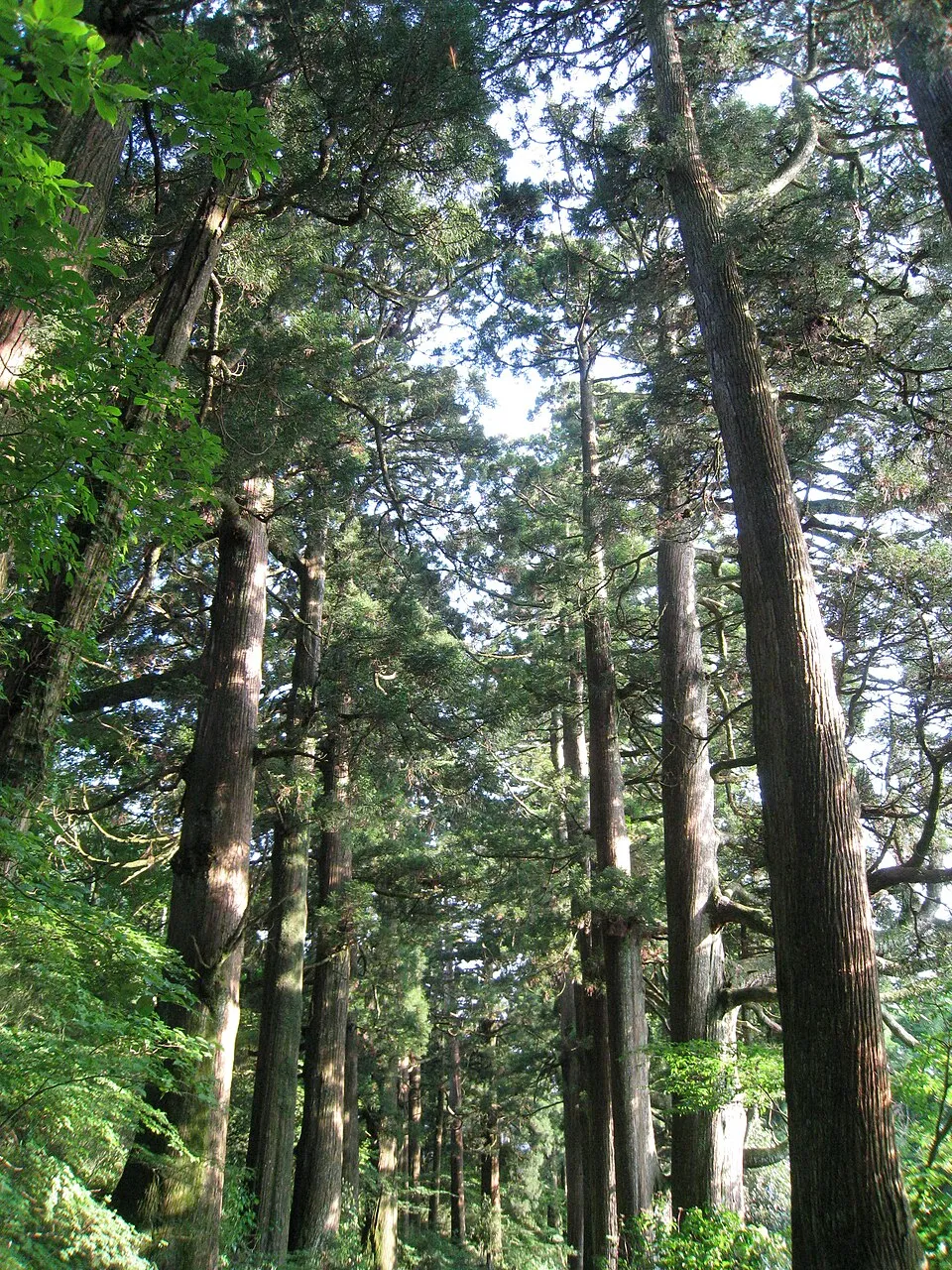
Cryptomeria japonica, widely recognized as Japanese cedar or Sugi in its native Japan, is a commanding, rapidly growing evergreen coniferous tree belonging to the Cupressaceae family. This stately conifer is indigenous to mountainous regions, riverbanks, and extensive plantations across Japan and Taiwan, where it thrives in moist, well-draining, acidic soils. It frequently attains impressive heights of 60 to 70 meters (197 to 230 feet) and can develop a massive trunk diameter reaching up to 4 meters (13 feet). Its bark is a distinctive reddish-brown, characterized by long, vertical strips that peel away, lending it an ancient and rugged aesthetic. The foliage consists of spirally arranged, awl-shaped (subulate), needle-like leaves, typically 1-2 centimeters in length.
These leaves present a vibrant green hue in spring, often transitioning to a bronze or golden shade during colder autumn and winter months, particularly when exposed. The tree exhibits a graceful, conical growth habit with branches that are often tiered and slightly weeping. Cryptomeria japonica is a monoecious species, bearing both male and female cones on the same individual. The male cones are small, yellowish, and clustered at branch tips, releasing copious amounts of pollen in late winter to early spring, a notable allergen in Japan. The female cones are more substantial, oval to globular, woody, and spiny, measuring approximately 2.5-4 centimeters.
They mature from green to brown in late summer and autumn, dispersing winged seeds. Ecologically, it serves as a foundational species, influencing soil composition and providing crucial habitat. Culturally, the Japanese cedar holds profound significance, often planted around temples and shrines as a symbol of longevity, strength, and sacredness.
Trusted Scientific References
1. Authoritative external sources for Cryptomeria japonica
1.1 Wikipedia — Cryptomeria japonica
1.2 Kew POWO (Plants of the World Online)
1.3 PubMed — peer-reviewed research
1.4 NCBI Taxonomy Browser
1.5 GBIF — Global Biodiversity
1.1.Cryptomeria Japonica — Defining Traits
- ✓Majestic Conical Evergreen — Characterized by its stately, pyramidal to conical form and significant height.
- ✓Reddish — Brown Exfoliating Bark — Features distinctive bark that peels in long, vertical strips, adding to its rugged beauty.
- ✓Awl — Shaped, Spirally Arranged Leaves — Possesses short, needle-like leaves arranged spirally along the branches, changing color with seasons.
- ✓Monoecious Reproduction — Bears both male and female cones on the same tree, with male cones releasing abundant pollen.
- ✓Significant Cultural Symbolism — Holds deep cultural and spiritual importance in Japan, often associated with sacred sites.
- ✓Valued for Timber and Landscaping — Its durable, aromatic wood is highly prized for construction, and it's a popular ornamental tree.
- ✓Deer and Salt Tolerant — Exhibits natural resistance to deer damage and can withstand some levels of salt exposure.
- ✓Adaptable to Various Soils — Thrives in moist, acidic, well-drained soils but shows adaptability to other soil types.
- ✓Rich in Bioactive Phytochemicals — Contains a complex array of compounds like terpenes, flavonoids, and lignans with potential health benefits.
- ✓Known Pollen Allergen — Its copious pollen production is a major seasonal allergen in its native regions.
1.2.Cryptomeria Japonica — Snapshot Summary
- ✓Japanese cedar, or Sugi, is a towering evergreen conifer native to Japan and Taiwan, prized for its timber and ornamental value.
- ✓It is rich in diverse phytochemicals, including terpenes, flavonoids, and lignans, which contribute to its potential medicinal properties.
- ✓Research suggests antioxidant, antimicrobial, and anti-inflammatory activities from its extracts and essential oils.
- ✓Cryptomeria japonica pollen is a significant allergen, causing seasonal hay fever in many individuals.
- ✓Culturally revered in Japan, symbolizing longevity and strength, often planted around temples and shrines.
- ✓Primarily used externally or aromatically; internal consumption is not recommended without professional guidance.
2.Cryptomeria Japonica — Scientific Profile
3.Cryptomeria Japonica — Botanical Stats
4.Cryptomeria Japonica — Morphological Account
5.Cryptomeria Japonica — Where It Grows
6.Cryptomeria Japonica — Historical Applications
7.Cryptomeria Japonica — Active Compounds
- ✓Terpenes/Terpenoids — Cryptomeria japonica is abundant in various terpenes, including diterpenes like sugiol, cryptomerione, and cryptomeria-dione, as well as monoterpenes (e.g., alpha-pinene, limonene) and sesquiterpenes (e.g., cadinene). These compounds are largely responsible for the plant's characteristic aroma and contribute to its anti-inflammatory, antimicrobial, and insecticidal activities.
- ✓Flavonoids — The foliage and bark contain diverse flavonoids such as taxifolin derivatives, quercetin, and apigenin. These polyphenolic compounds are potent antioxidants, offering protection against oxidative stress and exhibiting anti-inflammatory and cardioprotective effects.
- ✓Lignans — Key lignans identified include cryptomerin, hydroxysugiresinol, and secoisolariciresinol. Lignans are known for their antioxidant, potential estrogenic, and anticarcinogenic properties, contributing to cellular health and disease prevention.
- ✓Essential Oils — Distilled from the leaves and wood, the essential oil is a complex mixture predominantly of monoterpenes and sesquiterpenes. It possesses strong aromatic qualities and has demonstrated significant antimicrobial, expectorant, and calming effects.
- ✓Phenolic Acids — Compounds like gallic acid and caffeic acid are present, contributing to the plant’s overall antioxidant capacity. These acids play a role in neutralizing free radicals and supporting cellular integrity.
- ✓Stilbenoids — Resveratrol and its derivatives have been found in Cryptomeria japonica. Stilbenoids are well-regarded for their potent antioxidant, anti-aging, and cardioprotective activities, often linked to cellular longevity.
- ✓Tannins — The bark and wood contain tannins, which are astringent compounds. These can contribute to wound healing and have mild antiseptic properties, often used in traditional applications for skin conditions.
- ✓Fatty Acids — While less prominent in medicinal contexts, the seeds contain various fatty acids, important for plant metabolism and potentially offering nutritional value.
8.Cryptomeria Japonica — Modern Studies
- ✓Antioxidant Properties — The rich content of flavonoids and phenolic compounds in Cryptomeria japonica contributes to its significant antioxidant activity, helping to neutralize free radicals and reduce oxidative stress in the body.
- ✓Antimicrobial Activity — Essential oils extracted from the leaves and wood of Japanese cedar have demonstrated potent antimicrobial effects against various bacteria and fungi, suggesting potential for natural disinfectants or treatments for minor infections.
- ✓Anti-inflammatory Potential — Specific diterpenes and lignans found in Cryptomeria japonica exhibit anti-inflammatory properties, potentially modulating immune responses and alleviating symptoms associated with inflammatory conditions.
- ✓Respiratory Support — The aromatic compounds in Cryptomeria essential oil may offer mild respiratory benefits when inhaled, potentially helping to clear nasal passages and ease breathing in cases of congestion.
- ✓Skin Soothing Effects — Extracts or diluted essential oils might possess properties that soothe irritated skin, providing relief from minor discomforts due to their anti-inflammatory and antiseptic qualities.
- ✓Stress Reduction — The distinctive, calming aroma of Cryptomeria japonica essential oil is often utilized in aromatherapy to promote relaxation, reduce anxiety, and enhance overall well-being.
- ✓Immunomodulatory Effects — Preliminary research suggests that certain phytochemicals from the plant could influence immune system function, potentially supporting the body’s natural defenses.
- ✓Insect Repellent — The volatile organic compounds present in the wood and essential oils act as a natural deterrent against various insects, offering a traditional and eco-friendly pest control option.
- ✓Environmental Detoxification — While not a direct medicinal benefit to humans, the tree itself is known for its ability to absorb certain pollutants, contributing to a healthier environment that indirectly benefits human health.
8.1.Cryptomeria Japonica — Therapeutic Indications
9.Cryptomeria Japonica — Risk Profile
9.1.Cryptomeria Japonica — Warnings
- ✓Pollen Allergy — Cryptomeria japonica pollen is a significant allergen, causing seasonal allergic rhinitis (hay fever) in sensitive individuals.
- ✓Skin Irritation — Direct contact with sap or undiluted essential oil may cause skin irritation, dermatitis, or allergic reactions in sensitive individuals.
- ✓Respiratory Irritation — Excessive inhalation of strong essential oil vapors can lead to respiratory discomfort, especially in individuals with asthma or other respiratory conditions.
- ✓Gastrointestinal Upset — Internal consumption of any part of the plant, especially in concentrated forms, is not recommended and may cause nausea, vomiting, or digestive upset.
- ✓Photosensitivity — While rare, some plant compounds might theoretically increase skin sensitivity to sunlight.
- ✓Drug Interactions — As with many botanicals, there is a theoretical risk of interaction with medications, particularly blood thinners or sedatives, though specific interactions for Cryptomeria japonica are not well-documented.
- ✓Toxicity Concerns — Certain compounds, particularly in high concentrations, could be toxic if ingested, emphasizing the importance of external use only unless professionally guided.
9.2.Cryptomeria Japonica — Safety Overview
- ✓External Use Primarily — Cryptomeria japonica is generally recommended for external or aromatic use; internal consumption should be avoided unless under expert guidance.
- ✓Patch Test Recommended — Always perform a patch test on a small skin area before widespread topical application of any preparations containing Cryptomeria japonica extracts or essential oil.
- ✓Pregnancy and Lactation — Pregnant or breastfeeding individuals should exercise caution and consult a healthcare professional before using any plant-based products.
- ✓Children and Pets — Keep all plant parts, especially essential oils, out of reach of children and pets due to potential toxicity or irritation.
- ✓Allergen Awareness — Individuals with known pollen allergies or a history of respiratory sensitivities should avoid direct exposure to the pollen and exercise caution with essential oils.
- ✓Professional Consultation — Always consult with a qualified healthcare provider or medical herbalist before using Cryptomeria japonica for medicinal purposes, especially if on medication or with pre-existing conditions.
- ✓Avoid Ingestion — Emphasize that raw plant material or essential oils should not be ingested due to lack of safety data and potential for adverse effects.
10.Cryptomeria Japonica — Application Forms
- ✓Aromatherapy Diffusion — Essential oil from Cryptomeria japonica can be diffused to purify air, uplift mood, or support respiratory comfort.
- ✓Topical Application — Diluted essential oil (1-2% in a carrier oil) can be applied to the skin for minor irritations or muscle discomfort, always with a patch test first.
- ✓Inhalation — Direct inhalation of essential oil from a diffuser or steam can help alleviate nasal and chest congestion.
- ✓Bath Additive — A few drops of diluted essential oil can be added to bathwater for a relaxing and aromatic experience, promoting well-being.
- ✓Incense and Woodcraft — Historically, its aromatic wood is used in Japan for incense, construction, and crafting, imparting a calming fragrance to homes.
- ✓Herbal Infusions (External) — Bark or leaf extracts can be prepared as an infusion for external washes or compresses for skin conditions, after proper preparation and dilution.
- ✓Sachet and Potpourri — Dried leaves or wood shavings can be used in sachets or potpourri to naturally scent rooms and deter insects.
- ✓Research Extracts — Concentrated extracts of bark, leaves, or heartwood are used in scientific research to investigate specific phytochemicals and their biological activities.
11.Cryptomeria Japonica — Growth Requirements
- ✓Soil Preference — Thrives in rich, moist, well-drained, and acidic soils, though it adapts to a range of soil types.
- ✓Light Requirements — Prefers full sun to partial shade, performing best with adequate light exposure for robust growth.
- ✓Watering — Requires consistent moisture, especially during its establishment phase and prolonged dry periods.
- ✓Propagation — Can be propagated from seeds, which benefit from cold stratification, or from semi-hardwood cuttings taken in summer.
- ✓Pruning — Generally low-maintenance; minimal pruning is needed, primarily for shaping or removing dead or damaged branches.
- ✓Hardiness — Exhibits good cold hardiness and is notably resistant to deer browsing, making it suitable for various landscapes.
- ✓Pest and Disease Management — Generally robust, but can be susceptible to leaf spot, leaf blight, and certain fungal infections in unfavorable conditions.
- ✓Environmental Adaptability — Tolerant to some salt exposure, making it suitable for coastal areas, and performs well as a screening or specimen tree.
Reviewed by the Flora Medical Global Botanical Review Panel
Multi-disciplinary editorial group · Botany · Ethnobotany · Herbal-medicine literature
Who reviewed this: This page was checked by the Flora Medical Global Botanical Review Panel — an in-house editorial group of botany graduates, ethnobotany researchers, and horticulture practitioners who collectively maintain our 7,000+ plant encyclopedia. Meet the team.
Our 4-step verification process
1. Taxonomic verification
Scientific names and synonyms cross-checked against Kew POWO, World Flora Online, and The Plant List.
2. Phytochemical & medicinal cross-reference
Active compounds, traditional uses, and reported activities are cross-referenced with PubMed, USDA Dr. Duke's database, and peer-reviewed ethnobotanical literature.
3. Conservation & distribution check
Distribution, ecology, and conservation status confirmed against GBIF occurrence records and the IUCN Red List.
4. Editorial & safety review
Every entry passes an editorial pass for clarity, originality, and safety notices (toxicity, contraindications, dosage caveats) before publication.
Last reviewed:
Important medical disclaimer: This content is for educational and research purposes only. It is not medical advice and is not a substitute for consultation with a licensed healthcare provider. Do not use any herb to self-treat a medical condition without professional guidance.
Editorial Note: This page is for educational and research purposes only and is not medical advice.
Written by: Flora Medical Global Editorial Team
Reviewed by: Flora Medical Global Botanical Review Panel
Last Updated: June 15, 2026





Cryptomeria Japonica — Comments & Community Reviews
Rate this plant