
Medical Disclaimer: This content is for educational purposes only. It is not medical advice. Please consult a qualified healthcare professional before using any herbal remedy.
Safety Overview
1.Cucumis Trigonus — Plant Snapshot
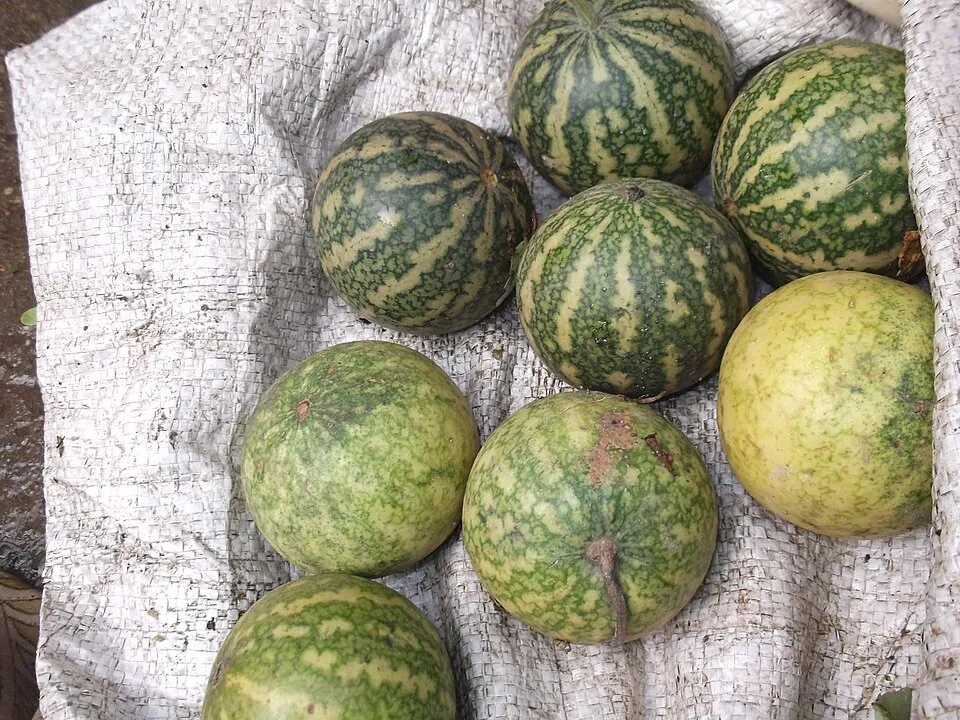
Cucumis trigonus, often recognized by its common names Spiny Cucumber or Indian Prickly Cucumber, is a fascinating member of the Cucurbitaceae family. This annual climbing vine exhibits a distinctive morphology, capable of ascending to heights of 2 to 3 meters when provided with adequate support, often rambling over shrubs or trellises. Its stems are semi-woody and feature a rough, spiny texture that serves as a protective mechanism against herbivory. The leaves of Cucumis trigonus are characteristically broad, heart-shaped, and deeply lobed, typically spanning 5-15 cm in width. Their palmate structure is complemented by serrated edges, and the leaf surface, particularly the veins, is often covered in fine hairs. The coloration ranges from a vibrant deep green to lighter shades, adapting to various light conditions.
During the warmer months, the plant produces striking yellow, unisexual flowers that are approximately 3-5 cm in diameter. Male flowers typically appear in clusters, while female flowers are usually solitary, both attracting a diverse array of pollinators. The fruit, a key distinguishing feature, is globose to ovoid, measuring 3-10 cm long, and is densely covered in soft, short spines, giving rise to its 'prickly' moniker. Initially green, the fruit ripens to a yellow or orange hue, often retaining distinctive white stripes or blotches. These fruits are not only visually unique but also central to the plant's medicinal value. Cucumis trigonus is regionally adapted to the tropical and subtropical climates, thriving in well-drained sandy loam soils with moderate rainfall.
Its native range extends across parts of Africa, including countries like Kenya, Uganda, and Tanzania, as well as significant presence in India, Sri Lanka, and other parts of Southeast Asia. This broad distribution underscores its adaptability and historical significance in diverse traditional medicine systems. Taxonomically, Cucumis trigonus Roxb. falls within the Cucumis genus, which encompasses other familiar species such as Cucumis sativus (common cucumber) and Cucumis melo (melon). Historically, references to a spiny melon with cooling properties, often identified as 'Kankol,' appear in ancient Ayurvedic texts like the Charaka Samhita and Sushruta Samhita dating back to the 1st millennium CE, highlighting its long-standing recognition in traditional healing practices. Trusted Scientific References Authoritative external sources for Cucumis trigonus : Wikipedia — Cucumis tri ...[CURRENT TEXT EXISTS: 2624 chars]
1.1.Cucumis Trigonus — Key Features
- ✓Spiny Fruit — The most distinguishing characteristic is its globose to ovoid fruit covered in numerous soft, short spines.
- ✓Climbing Vine — An annual herbaceous climber, capable of reaching 2-3 meters with support.
- ✓Lobed Leaves — Features broad, heart-shaped, deeply lobed leaves with serrated edges and fine hairs.
- ✓Yellow Flowers — Produces solitary female and clustered male yellow flowers, typically 3-5 cm in diameter.
- ✓Cooling Potency — Known in Ayurveda as 'shita virya,' signifying its cooling energetic effect.
- ✓Pitta Pacifier — Traditionally used to balance excess Pitta dosha in the body.
- ✓Diuretic Action — Promotes increased urine output, aiding in fluid balance and urinary health.
- ✓Anti — inflammatory — Contains compounds that help reduce inflammation, both internally and topically.
- ✓Digestive Stimulant — Bitter taste stimulates digestive enzymes and supports healthy digestion.
- ✓Antioxidant Rich — High in flavonoids, providing protection against oxidative stress.
- ✓Mild Laxative — Seeds and fruit compounds offer gentle relief from constipation.
- ✓Tropical Habitat — Naturally grows in warm, humid tropical and subtropical environments.
- ✓Cucurbitaceae Family — Belongs to the gourd family, alongside cucumbers and melons.
- ✓Versatile Usage — Utilized in various forms: juice, powder, decoction, and topical applications.
- ✓Historical Significance — Referenced in ancient Ayurvedic texts for its medicinal properties.
1.2.Cucumis Trigonus — In Brief
- ✓Primary Use — Balances Pitta dosha with cooling and diuretic properties, supports urinary and digestive health.
- ✓Key Compounds — Rich in cucurbitacins (anti-inflammatory, mild laxative) and flavonoids (antioxidant).
- ✓Traditional Systems — Widely used in Ayurveda and traditional African herbal medicine.
- ✓Fruit Characteristics — Globose to ovoid fruit covered in distinctive soft, short spines, ripening from green to yellow/orange.
- ✓Habitat — Thrives in tropical and subtropical regions of India, Sri Lanka, Southeast Asia, and East Africa.
- ✓Preparation Forms — Commonly used as fresh juice, powdered fruit (churna), decoction, and topical paste.
- ✓Safety Note — Generally gentle but requires caution with dosage, especially for pregnant women and those on diuretics.
- ✓Key Benefit — Offers significant diuretic, anti-inflammatory, and antioxidant support.
2.Cucumis Trigonus — Systematic Position
3.Cucumis Trigonus — Reference Facts
4.Cucumis Trigonus — Morphological Account
5.Cucumis Trigonus — Where It Grows
6.Cucumis Trigonus — Ethnobotanical Uses
7.Cucumis Trigonus — Active Compounds
- ✓Cucurbitacins — Key bitter triterpenoids such as cucurbitacin B, D, and E, known for their potent anti-inflammatory effects, mild laxative action, and potential anticancer properties through apoptosis induction.
- ✓Flavonoids — Important antioxidants including quercetin and kaempferol derivatives, which contribute to the plant's free radical scavenging activity and anti-inflammatory benefits.
- ✓Saponins — Natural glycosides that may assist in lipid metabolism, possess mild diuretic effects, and contribute to the plant's traditional cleansing properties.
- ✓Alkaloids — Various nitrogen-containing organic compounds, present in the plant, contributing to its diverse pharmacological actions, though specific alkaloids are less extensively characterized.
- ✓Vitamins — Notably rich in Vitamin C, an essential antioxidant vitamin that supports immune function and overall cellular health.
- ✓Minerals — Contains vital electrolytes such as magnesium and potassium, which are crucial for maintaining fluid balance, nerve function, and muscle contraction.
- ✓Polysaccharides — Mucilage components that provide soothing effects on mucosal linings of the gastrointestinal and urinary tracts, aiding in digestive comfort and protection.
- ✓Phenolic Compounds — A broad class of phytochemicals, including simple phenolics and tannins, which exhibit antioxidant, antimicrobial, and anti-inflammatory activities.
- ✓Glycosides — Various sugar-bound compounds that contribute to the plant's bitterness and therapeutic effects, often acting as precursors to active metabolites.
- ✓Sterols — Plant sterols and triterpenes that can have cholesterol-lowering effects and anti-inflammatory properties, supporting cardiovascular health.
8.Cucumis Trigonus — What Research Suggests
- ✓Diuretic Support — Cucumis trigonus has a long-standing traditional use for promoting urination and regulating the urinary tract. Scientific studies in animal models have shown that aqueous fruit extracts can significantly increase urine volume, supporting its role in addressing conditions like urinary disorders and postpartum edema.
- ✓Anti-Inflammatory Properties — Folk remedies frequently employed crushed fruit pulp topically for insect bites, minor burns, and skin irritations. In vitro trials indicate that fruit extracts can suppress pro-inflammatory cytokines like IL-6 and TNF-α, validating its traditional use for reducing inflammation.
- ✓Cooling and Pitta Pacification — In Ayurvedic medicine, Cucumis trigonus is highly valued for its 'shita virya' (cooling potency) and its ability to balance Pitta dosha. Consumption during hot seasons is believed to mitigate heat-stroke risk, soothe sore throats, and generally cool the body, which is crucial for Pitta-related imbalances.
- ✓Digestive Aid — The fruit's inherent bitter taste (tikta rasa) is traditionally believed to stimulate digestive enzymes and improve overall digestion. Pilot studies have reported mild improvements in dyspepsia symptoms with regular consumption of its juice, suggesting a gentle pro-digestive effect.
- ✓Skin Health Enhancement — Traditional topical poultices made from the fruit pulp have been used to alleviate eczema-like rashes, reduce itching, and improve local blood flow. Its anti-inflammatory and antioxidant properties likely contribute to these dermatological benefits.
- ✓Antioxidant Activity — Rich in flavonoids like quercetin and kaempferol, Cucumis trigonus exhibits significant antioxidant properties. DPPH radical scavenging assays have shown its capacity to neutralize oxidative stress, protecting cells from damage caused by free radicals.
- ✓Mild Laxative Effects — The seeds, rich in oil, and cucurbitacins in the fruit are known for their gentle laxative properties. This makes Cucumis trigonus useful for alleviating mild constipation and promoting healthy bowel movements without being overly harsh.
- ✓Postpartum Recuperative Tonic — In Sri Lankan Ayurvedic tradition, the spiny melon is prepared as a light soup with spices to serve as a postpartum recuperative tonic. It is believed to help 'cool' the body, support kidney function, and aid mothers in recovery after childbirth.
- ✓Antipyretic Properties — Traditionally, Cucumis trigonus has been used to reduce fever. Its cooling nature and anti-inflammatory compounds likely contribute to its efficacy in bringing down body temperature during febrile conditions.
- ✓Analgesic Effects — The leaves of Cucumis trigonus are commonly utilized in African folk remedies for their purported pain-relieving properties. This traditional use suggests the presence of compounds that can modulate pain pathways.
- ✓Management of Gastrointestinal Issues — Extracts from Cucumis trigonus are frequently employed in traditional African medicine to help manage various gastrointestinal complaints, including diarrhea and dysentery. The mucilage and other compounds may help soothe the gut lining.
- ✓Support for Respiratory Conditions — Beyond its other uses, this plant has been traditionally applied in the treatment of various respiratory conditions. While specific mechanisms are less documented, its anti-inflammatory properties may play a role in easing respiratory discomfort.
- ✓Jaundice Treatment — Historical records from the British Raj and traditional Ayurvedic practices documented the use of Cucumis trigonus extracts in formulations for jaundice. Its Pitta-pacifying and liver-supportive actions are likely involved in this application.
- ✓Blood Pressure Regulation — Some traditional uses suggest a role in managing blood pressure, possibly due to its diuretic and electrolyte-balancing properties (potassium content). However, this requires careful monitoring due to potential interactions with medications.
8.1.Cucumis Trigonus — Health Applications
9.Cucumis Trigonus — Precautions & Warnings
9.1.Cucumis Trigonus — Side Effects & Warnings
- ✓Gastrointestinal Upset — Excessive doses of Cucumis trigonus, particularly more than 5 grams of powder or 50 mL of juice daily, may lead to loose stools, abdominal cramping, or diarrhea due to its cucurbitacin content and mild laxative effect.
- ✓Electrolyte Imbalance — The diuretic effect, especially the potassium diuretic action, could potentially lower sodium levels if fluid losses are not adequately balanced, leading to symptoms like fatigue or muscle weakness.
- ✓Allergic Reactions — Although rare, individuals sensitive to members of the Cucurbitaceae family might experience allergic reactions, including skin rashes, itching, or digestive discomfort.
- ✓Bitter Taste Intensity — The strong bitter taste of cucurbitacins can be off-putting for some individuals and may cause nausea or gagging if consumed in high concentrations or by sensitive individuals.
- ✓Hypotension — In conjunction with other hypotensive agents or in very sensitive individuals, the plant's potential to lower blood pressure (due to diuretic effects) could lead to an excessive drop in blood pressure.
- ✓Renal Stress — While traditionally used for urinary issues, very high doses or prolonged use in individuals with pre-existing acute kidney injury could theoretically exacerbate renal stress, though this is not well-documented.
- ✓Increased Urination Frequency — While a desired effect, high doses can lead to an uncomfortable increase in urination frequency, particularly if consumed before sleep.
9.2.Cucumis Trigonus — Risk Assessment
- ✓Drug Interactions — Cucumis trigonus may potentiate the effects of conventional diuretic medications, such as furosemide, potentially leading to excessive fluid loss and electrolyte imbalances. Caution is advised when combining with blood pressure medications due to a possible additive hypotensive effect.
- ✓Pregnancy Warning — Pregnant and breastfeeding women should limit consumption to mild culinary amounts. Higher medicinal doses should only be used under the direct supervision of a qualified Ayurvedic practitioner or healthcare professional due to insufficient safety data.
- ✓Vulnerable Populations — Children under 12 years old, individuals with chronic illnesses (especially renal disease or acute kidney injury), and those with irritable bowel conditions (especially IBS with diarrhea) should exercise caution and consult a healthcare provider before use.
- ✓Dosage Adherence — Adhering strictly to recommended dosages is crucial to avoid potential gastrointestinal upset and electrolyte imbalances. Self-medication with high doses is strongly discouraged.
- ✓Quality Sourcing — Ensure that Cucumis trigonus products are sourced from reputable suppliers that guarantee purity and freedom from contaminants like heavy metals, pesticides, and aflatoxins. Certified organic products are preferred.
- ✓Pre-existing Conditions — Individuals with specific conditions such as hematuria (blood in urine) or chronic diarrhea should avoid high doses of Cucumis trigonus, as it could exacerbate these symptoms.
- ✓Professional Consultation — Always consult with a qualified herbalist, Ayurvedic practitioner, or medical doctor before starting any new herbal regimen involving Cucumis trigonus, especially if combining with other medications or managing chronic health conditions.
10.Cucumis Trigonus — Application Forms
- ✓Fresh Fruit Juice — For diuretic and cooling actions, consume 20-30 mL of fresh fruit juice once or twice daily, preferably before meals. This method allows for rapid absorption of water-soluble compounds.
- ✓Powdered Fruit (Churna) — For digestive support and Pitta balance, take 1-2 grams of powdered dried fruit mixed with honey or warm water, up to twice daily. This form provides a concentrated dose of active compounds.
- ✓Decoction (Kashaya) — Prepare a decoction by boiling 5-10 grams of dried fruit in 200 mL of water, reducing it to 50 mL. This warm liquid can be consumed for skin irritations, mild fevers, and general detoxification.
- ✓Topical Paste/Poultice — Crush fresh fruit pulp to create a paste and apply it directly to insect bites, minor burns, or skin rashes. Leave on for 15-20 minutes, once or twice a day, for anti-inflammatory and soothing effects.
- ✓Seed Oil Extraction — The seeds can be pressed to extract oil, which is traditionally used for its mild laxative properties. A small dose (e.g., 1-2 teaspoons) can be taken orally, though specific dosages should be guided by a practitioner.
- ✓Leaf Infusion — An infusion can be made from the dried leaves for analgesic properties and to address respiratory conditions. Steep 1-2 teaspoons of dried leaves in hot water for 10-15 minutes and consume as needed.
- ✓Culinary Use — In some regions, the unripe fruit is cooked and consumed as a vegetable, especially in light soups or curries, particularly in postpartum recuperative diets, offering a gentle way to integrate its benefits.
- ✓Hair Lotion — In Ayurvedic traditions, extracts of Cucumis trigonus have been integrated into hair lotions for scalp cooling and addressing Pitta-related imbalances affecting hair and scalp health.
- ✓Fermented Preparations — In some traditional contexts, the fruit may be fermented to enhance bioavailability or create specific medicinal preparations, though this is less common for general home use.
- ✓Tincture — A hydroalcoholic extract (tincture) can be prepared using fresh or dried fruit, offering a concentrated liquid form. Dosage typically ranges from 1-5 mL, 1-3 times daily, depending on concentration and condition.
11.Cucumis Trigonus — Propagation & Care
- ✓Soil Requirements — Cucumis trigonus thrives in well-drained sandy loam soils, ideally with a pH range of 6.0 to 7.0. The soil should be fertile and rich in organic matter to support vigorous growth.
- ✓Climate and Temperature — This plant is adapted to tropical and subtropical climates, preferring warm temperatures between 25°C and 35°C. It is sensitive to frost and cold conditions.
- ✓Watering — Moderate rainfall is ideal. During dry periods, consistent watering is crucial, especially during flowering and fruiting stages, to ensure adequate moisture without waterlogging.
- ✓Sunlight Exposure — Requires full sun exposure for optimal growth and fruit development, needing at least 6-8 hours of direct sunlight per day.
- ✓Sowing and Planting — Seeds can be sown directly into prepared soil once the danger of frost has passed. Plant seeds about 1-2 cm deep and 60-90 cm apart, allowing space for the vine to spread or climb.
- ✓Support Structure — As a climbing vine, Cucumis trigonus benefits significantly from trellises, fences, or other support structures. This promotes air circulation, reduces disease risk, and makes harvesting easier.
- ✓Fertilization — Incorporate compost or well-rotted manure into the soil before planting. During the growing season, a balanced organic fertilizer can be applied every 4-6 weeks to support continuous growth.
- ✓Pest and Disease Management — Monitor for common cucurbit pests like aphids, squash bugs, and powdery mildew. Employ organic pest control methods and ensure good air circulation to prevent fungal diseases.
- ✓Harvesting — Fruits are typically harvested when they are fully green but before the spines become too hard, usually 60-70 days after planting. Regular harvesting encourages more fruit production.
- ✓Regional Adaptation — Successfully cultivated in regions of India, Sri Lanka, and parts of Southeast Asia, as well as East Africa, demonstrating its adaptability to diverse but warm environments.
Reviewed by the Flora Medical Global Botanical Review Panel
Multi-disciplinary editorial group · Botany · Ethnobotany · Herbal-medicine literature
Who reviewed this: This page was checked by the Flora Medical Global Botanical Review Panel — an in-house editorial group of botany graduates, ethnobotany researchers, and horticulture practitioners who collectively maintain our 7,000+ plant encyclopedia. Meet the team.
Our 4-step verification process
1. Taxonomic verification
Scientific names and synonyms cross-checked against Kew POWO, World Flora Online, and The Plant List.
2. Phytochemical & medicinal cross-reference
Active compounds, traditional uses, and reported activities are cross-referenced with PubMed, USDA Dr. Duke's database, and peer-reviewed ethnobotanical literature.
3. Conservation & distribution check
Distribution, ecology, and conservation status confirmed against GBIF occurrence records and the IUCN Red List.
4. Editorial & safety review
Every entry passes an editorial pass for clarity, originality, and safety notices (toxicity, contraindications, dosage caveats) before publication.
Last reviewed:
Important medical disclaimer: This content is for educational and research purposes only. It is not medical advice and is not a substitute for consultation with a licensed healthcare provider. Do not use any herb to self-treat a medical condition without professional guidance.
Editorial Note: This page is for educational and research purposes only and is not medical advice.
Written by: Flora Medical Global Editorial Team
Reviewed by: Flora Medical Global Botanical Review Panel
Last Updated: June 15, 2026





Cucumis Trigonus — Comments & Community Reviews
Rate this plant