

Medical Disclaimer: This content is for educational purposes only. It is not medical advice. Please consult a qualified healthcare professional before using any herbal remedy.
Safety Overview
1.Culver's Root — Botanical Snapshot
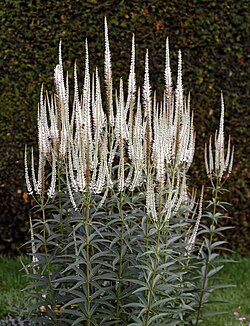
Culver's Root, scientifically known as Veronicastrum virginicum (L.) Farw., is a majestic perennial herbaceous plant indigenous to the verdant, moist woodlands, sun-dappled meadows, and meandering stream banks across eastern North America. Its natural range extends from the southern regions of Canada, tracing southwards through the Great Lakes states, and reaching into the southeastern United States. This robust botanical specimen is notable for its impressive stature, typically achieving heights of 0.9 to 2 meters (3 to 7 feet), sometimes even taller under optimal conditions. The plant's architecture is characterized by a singularly erect, smooth, and largely unbranched green stem, which often culminates in a distinctive candelabra-like branching structure at its apex, giving it a striking silhouette in the landscape. The foliage of Culver's Root is equally distinctive, featuring lanceolate to ovate leaves that measure between 5 to 15 centimeters (2 to 6 inches) in length. These leaves possess finely serrated margins and a glossy, deep green surface.
They are arranged in a unique whorled pattern, with typically 3 to 7 leaves radiating from a single point along the stem, creating a visually appealing tiered or stacked effect. This arrangement is a key identifying feature of Veronicastrum virginicum. The most captivating aspect of Culver's Root is undoubtedly its bloom, which graces the landscape from mid-summer through early autumn, typically from July to August. During this period, dense, elongated spikes emerge, resembling slender bottlebrushes or candles, reaching lengths of 8 to 30 centimeters (3 to 12 inches). These floral spikes are adorned with countless small, delicate flowers, which exhibit a spectrum of colors from pristine white to pale lavender, or occasionally a soft blue-purple. The purple-flowered variety is sometimes referred to as Leptandra purpurea.
These abundant floral displays are highly attractive to a diverse array of native pollinators, including various species of native bees, honeybees, butterflies, moths, and wasps, thereby playing a crucial role in supporting local biodiversity and ecosystem health. Following successful pollination, the flowers give way to small, inconspicuous capsule-like fruits, each containing several minute, viable seeds. Taxonomically, Veronicastrum virginicum possesses a rich and somewhat complex history. Initially, the renowned botanist Carl Linnaeus assigned this species to the genus Veronica. Subsequent ...[CURRENT TEXT EXISTS: 3597 chars]
1.1.Culver's Root — Distinguishing Points
- ✓Striking Stature — Culver's Root is a tall, erect perennial herbaceous plant, reaching heights of 0.9 to 2 meters (3 to 7 feet).
- ✓Whorled Leaves — Its lanceolate to ovate leaves are arranged in distinctive whorls of 3 to 7 leaves radiating from a single point on the stem.
- ✓Candelabra Branching — The smooth, unbranched stem often culminates in a candelabra-like branching structure at its apex.
- ✓Bottlebrush Flowers — Produces dense, elongated spikes of small white to pale lavender flowers that resemble bottlebrushes.
- ✓Mid — Summer Bloom — Flowers typically appear from mid-summer through early autumn, attracting numerous pollinators.
- ✓Native to Eastern North America — Indigenous to moist woodlands, meadows, and stream banks across this region.
- ✓Plantaginaceae Family — Modern phylogenetic studies have reclassified it into the Plantaginaceae family.
- ✓Medicinal Root and Rhizome — The dried rhizome and roots are the primary parts used for traditional medicinal purposes.
- ✓Potent Laxative Properties — Historically and presently valued for its strong cathartic and laxative effects.
- ✓Liver and Gallbladder Support — Known for its cholagogue action, stimulating bile flow and supporting hepatic function.
- ✓Pollinator Magnet — Its abundant floral displays are highly attractive to native bees, butterflies, and other beneficial insects.
- ✓Historical Ethnobotanical Use — Utilized by various Native American tribes for a range of ailments, including fevers and backaches.
- ✓Bitter Taste — Contains bitter principles that contribute to its digestive and tonic actions.
- ✓Cold Hardy — Tolerates cold climates, thriving in USDA Hardiness Zones 4 through 8.
- ✓Requires Moist Soil — Prefers consistently moist, well-drained, organic-rich soils for optimal growth.
1.2.Culver's Root — Snapshot Summary
- ✓Primary Use — Revered as a powerful liver tonic and potent laxative.
- ✓Key Compound — Bitter principle leptandrin and iridoid glycosides like aucubin.
- ✓Traditional System — Widely used in Native American herbal medicine for detoxification and digestive issues.
- ✓Botanical Feature — Tall, erect perennial with distinctive whorled leaves and bottlebrush-like white to lavender flower spikes.
- ✓Habitat — Native to moist woodlands and meadows of eastern North America.
- ✓Safety Note — Contraindicated in pregnancy, lactation, bile duct obstruction, and gallstones; fresh root is potentially toxic.
- ✓SEO Focus — 'Culver's Root benefits,' 'Veronicastrum virginicum uses,' 'natural liver support'.
2.Culver's Root — Botanical Identity
3.Culver's Root — Vital Statistics
4.Culver's Root — Botanical Features
5.Culver's Root — Origin & Spread
6.Culver's Root — Heritage Uses
7.Culver's Root — Chemical Profile
- ✓Volatile Oils — Contains various aromatic compounds contributing to the plant's characteristic odor and possibly some of its therapeutic effects, such as anti-inflammatory or antimicrobial actions.
- ✓Cinnamic Acid Derivatives — Includes compounds like 4-methoxy cinnamic acid and 3,4-dimethoxycinnamic acid, along with their esters. These compounds are known for antioxidant and anti-inflammatory properties.
- ✓Tannins — Astringent compounds responsible for binding to proteins, which can provide anti-diarrheal effects and support tissue healing, also acting as antioxidants.
- ✓Bitter Principles (Leptandrin) — Responsible for the characteristic bitter taste of Culver's Root. Bitter compounds stimulate digestive secretions, including bile and gastric juices, enhancing digestion and liver function.
- ✓Iridoid Glycosides (Aucubin) — Aucubin is a well-known iridoid glycoside found in many Plantaginaceae species, including Veronica. These compounds are often associated with anti-inflammatory, hepatoprotective, and laxative effects.
- ✓Mannitol — A sugar alcohol that can act as an osmotic diuretic and a mild laxative, contributing to the plant's purgative properties.
- ✓Resins — Complex mixtures of organic compounds that often contribute to the plant's laxative and emetic actions, as well as providing protective properties to the plant.
- ✓Gums — Polysaccharides that can provide mucilaginous properties, offering soothing effects to mucous membranes and aiding in stool softening.
- ✓Phytosterols — Plant sterols that can have cholesterol-lowering effects and anti-inflammatory properties, supporting cardiovascular health.
- ✓Saponins — Glycosides that form a soapy foam in water. Saponins can have expectorant, anti-inflammatory, and immune-modulating effects, and may contribute to the plant's laxative action.
- ✓Acylated Iridoid Glycosides — Specific iridoid glycosides isolated from related Veronicastrum species, shown to increase antioxidant response element (ARE) luciferase activity, indicating a potential role in cellular antioxidant defenses.
- ✓Flavonoids — Although not explicitly listed for V. virginicum in all sources, flavonoids are common in medicinal plants and often contribute to antioxidant, anti-inflammatory, and circulatory benefits.
8.Culver's Root — Pharmacological Findings
- ✓Liver Tonic — Culver's Root has long been revered in traditional herbal medicine as a powerful liver tonic. It is believed to stimulate and support overall liver function, aiding in detoxification processes and promoting the health of this vital organ.
- ✓Cholagogue Action — This plant is well-known for its cholagogue properties, meaning it stimulates the production and flow of bile from the liver into the small intestine. This action is crucial for fat digestion and absorption, as well as the elimination of waste products.
- ✓Gallbladder Support — By promoting healthy bile flow, Veronicastrum virginicum also supports the optimal function of the gallbladder, helping to prevent bile stagnation and potentially reducing the risk of gallstone formation.
- ✓Powerful Laxative — Traditionally, Culver's Root, especially the fresh root, was employed as a potent cathartic. It acts as a strong laxative, encouraging bowel movements and relieving constipation by stimulating peristalsis in the intestines.
- ✓Gentle Bowel Regulation — When dried and used in appropriate doses, the root of Culver's Root provides a milder laxative effect. It can help regulate bowel function, addressing both chronic constipation and, paradoxically, certain forms of diarrhea by restoring intestinal balance.
- ✓Digestive Aid — As a stomach tonic, Culver's Root is believed to enhance overall digestion. It can improve the efficiency of nutrient absorption and alleviate various gastrointestinal discomforts, making it a valuable herb for digestive health.
- ✓Emetic Properties — Historically, Native American tribes and early physicians used Culver's Root tea to induce vomiting. This emetic action was employed for detoxification, to cleanse the stomach, and to purge the body of perceived impurities.
- ✓Anti-Inflammatory Support — While specific clinical trials are limited, some traditional uses and preliminary in vitro studies suggest potential anti-inflammatory activity. This could contribute to its use in conditions involving systemic inflammation.
- ✓Fever Reduction — Native American tribes, such as the Cherokee, traditionally used infusions of Culver's Root to treat fevers, chills, and other ailments associated with elevated body temperature. It was believed to promote sweating and alleviate fever symptoms.
- ✓Backache Relief — The Cherokee also utilized Culver's Root tea as an anodyne, specifically to ease the pain of backaches. Its potential analgesic properties were valued for soothing musculoskeletal discomfort.
- ✓Blood Cleansing — Indigenous cultures often used preparations of Culver's Root for 'blood cleansing.' This traditional concept refers to its ability to support the body's natural detoxification pathways, enhancing the elimination of metabolic waste and toxins.
- ✓Support for Hemorrhoids — Due to its laxative and potential anti-inflammatory effects, Culver's Root has been traditionally used to manage hemorrhoids. By promoting softer stools, it reduces straining and irritation to the affected area.
- ✓Typhus Treatment Support — Historical records indicate use by the Cherokee for conditions like typhus, suggesting a traditional role in supporting the body during severe febrile illnesses, likely through its fever-reducing and detoxifying actions.
- ✓Expulsion of Evil Spirits — The Menomini tribe traditionally used Culver's Root in ceremonial contexts to purge the body of evil spirits. This highlights its significant cultural and spiritual importance beyond purely physiological applications.
- ✓Antioxidant Activity — Preliminary research on Veronicastrum sibiricum, a related species, indicates that certain acylated iridoid glycosides may possess antioxidant response element (ARE)-inducing activity. This suggests a potential role in cellular protection against oxidative stress.
- ✓Diuretic Action — Although not explicitly detailed in all sources, some traditional uses hint at diuretic properties, helping to increase urine flow and support kidney function, contributing to its overall detoxifying reputation.
8.1.Culver's Root — Therapeutic Indications
9.Culver's Root — Cautions & Contraindications
9.1.Culver's Root — Side Effects & Warnings
- ✓Severe Diarrhea — High doses, particularly of fresh root preparations, can cause violent and uncontrollable diarrhea due to its potent cathartic action.
- ✓Vomiting and Nausea — Culver's Root has emetic properties and can induce severe vomiting and nausea, especially when taken in excessive amounts or using fresh root.
- ✓Abdominal Cramping — Strong purgative effects can lead to significant abdominal pain, cramping, and discomfort.
- ✓Dehydration and Electrolyte Imbalance — Excessive diarrhea and vomiting can result in severe dehydration and dangerous electrolyte imbalances, particularly potassium depletion.
- ✓Gastrointestinal Irritation — The potent compounds in Culver's Root can irritate the lining of the gastrointestinal tract, leading to inflammation and discomfort.
- ✓Hypotension — In some sensitive individuals or at very high doses, the strong purgative action might lead to a drop in blood pressure.
- ✓Allergic Reactions — Although rare, individuals may experience allergic reactions, including skin rashes, itching, or more severe systemic responses.
- ✓Liver Discomfort — While traditionally used as a liver tonic, improper use or high doses could paradoxically lead to liver discomfort or exacerbate existing liver conditions in sensitive individuals.
9.2.Culver's Root — Toxicity Assessment
- ✓Drug Interactions — No well-documented drug interactions are currently established. However, due to its potent laxative effects, Culver's Root could potentially interact with medications that affect gastrointestinal motility or electrolyte balance. It may also reduce the absorption of orally administered drugs if taken concurrently.
- ✓Pregnancy Warning — Culver's Root is contraindicated during pregnancy due to its potent purgative properties, which could potentially stimulate uterine contractions or lead to other adverse effects on the fetus. Information regarding safety and efficacy in pregnancy is lacking and it should be avoided.
- ✓Lactation Warning — Information regarding the safety and efficacy of Culver's Root during lactation is lacking. Due to the presence of potent compounds and the risk of adverse effects, it is generally advised to avoid its use while breastfeeding.
- ✓Bile Duct Obstruction — This herb is contraindicated in cases of bile duct obstruction, as its cholagogue action could worsen the condition and lead to severe complications.
- ✓Gallstones — Individuals with gallstones should avoid Culver's Root. While it promotes bile flow, it could potentially trigger gallstone movement and cause biliary colic or obstruction.
- ✓Internal Hemorrhoids — Use is contraindicated with internal hemorrhoids, as its strong purgative action and potential for irritation could exacerbate the condition or cause bleeding.
- ✓Menstruation — It is advised to avoid using Culver's Root during menstruation due to its purgative effects, which might increase uterine cramping or discomfort.
- ✓Children and Infants — Due to its potent action and lack of safety data, Culver's Root should not be administered to children or infants.
- ✓Pre-existing GI Conditions — Individuals with inflammatory bowel diseases (Crohn's disease, ulcerative colitis), diverticulitis, or other severe gastrointestinal disorders should avoid this herb unless under strict medical supervision.
- ✓Dosage Sensitivity — Always start with the lowest effective dose and monitor for adverse reactions. The fresh root is significantly more potent and potentially toxic than the dried root and its use is generally discouraged for self-medication.
10.Culver's Root — Preparations & Uses
- ✓Decoction/Tea (Dried Root) — To prepare a decoction, simmer 1-2 grams of dried, finely chopped Culver's Root rhizome and roots in 250 ml (1 cup) of water for 10-15 minutes. Strain and consume. For a milder tea, steep 1 teaspoon of dried root in hot water for 5-10 minutes. Dosage: 1 cup, 1-2 times daily, preferably before meals, for liver support and gentle laxative effect.
- ✓Tincture (Dried Root) — A tincture is made by macerating dried Culver's Root in a solvent (usually alcohol and water) for several weeks. Standardized tinctures are typically taken in doses of 1-5 ml, 1-3 times daily. Consult a qualified herbalist for specific preparation and dosage instructions based on concentration.
- ✓Powdered Root (Capsules) — Dried and powdered Culver's Root can be encapsulated. A typical dose might range from 250-500 mg, 1-2 times daily. This method ensures consistent dosing and masks the bitter taste. Always start with a lower dose to assess individual tolerance.
- ✓Poultice (External Application) — While less common for Culver's Root, a poultice made from the crushed root mixed with a little water can be applied externally for local discomfort. However, due to potential toxicity, internal use is more established.
- ✓Infused Oil (Topical) — An infused oil can be made by steeping dried Culver's Root in a carrier oil (like olive or almond oil) for several weeks. This oil can then be used topically for soothing muscle aches or joint discomfort, though specific traditional uses for this application are less documented.
- ✓Syrup (Traditional) — Historically, herbal syrups incorporating Culver's Root were made to mask the bitter taste and deliver its medicinal properties. These were often used for coughs or as general tonics. Preparation involves simmering the herb in water, straining, and then adding honey or sugar.
- ✓Traditional Emetic Preparation — For inducing vomiting, a stronger tea or decoction of the fresh root was traditionally used. This is a powerful action and should only be undertaken under strict professional guidance due to the plant's potency and potential for severe side effects.
- ✓Traditional Laxative Preparation — Native American practices often involved drinking a tea made from the roots as a potent laxative. The dried root is generally preferred for a milder, safer effect in modern herbalism.
- ✓Fresh Root Preparations (Extreme Caution) — The fresh root is significantly more potent and potentially toxic than the dried root. Its use as a violent cathartic and emetic requires extreme caution and is generally not recommended in modern self-care. It should only be used under the direct supervision of an experienced practitioner.
- ✓Storage of Dried Root — For optimal potency, harvested roots should be thoroughly dried and stored for at least a year before use. This process is believed to mellow its strong purgative properties, making it safer and more effective for medicinal applications.
11.Culver's Root — How to Grow
- ✓Soil Requirements — Culver's Root thrives in rich, consistently moist, well-drained soils with a high organic content. A pH range from slightly acidic to neutral (6.0-7.0) is ideal for optimal growth.
- ✓Light Exposure — This plant prefers full sun to partial shade. In its native habitat, it often grows on woodland edges, benefiting from morning sun and afternoon shade, particularly in hotter climates.
- ✓Watering — Regular watering is crucial, especially during dry periods, to maintain consistent soil moisture. The soil should never be allowed to dry out completely, as Veronicastrum virginicum is not drought-tolerant.
- ✓Temperature and Hardiness — Culver's Root is remarkably cold hardy, typically thriving in USDA Hardiness Zones 4 through 8. It tolerates a wide range of temperatures within these zones.
- ✓Propagation — Propagation can be achieved through seed or division. Seeds require a period of cold/moist stratification (typically 60-90 days at cold temperatures) and light to germinate. They can be sown on the surface or lightly covered with sand, not heavy soil.
- ✓Fertilization — While not a heavy feeder, a light application of balanced organic fertilizer or compost in spring can support vigorous growth, especially in poorer soils.
- ✓Pests and Diseases — Veronicastrum virginicum is generally resistant to most common pests and diseases, making it a low-maintenance plant. Good air circulation can help prevent fungal issues in humid environments.
- ✓Pruning — Deadheading spent flower spikes can encourage a tidier appearance, but is not strictly necessary. The plant generally does not require extensive pruning.
- ✓Spacing — When planting, space individual plants about 18-24 inches (45-60 cm) apart to allow for their mature size and to ensure good air circulation, which is important for overall plant health.
- ✓Mulching — Applying a layer of organic mulch around the base of the plants helps retain soil moisture, suppress weeds, and regulate soil temperature, benefiting the root system.
Reviewed by the Flora Medical Global Botanical Review Panel
Multi-disciplinary editorial group · Botany · Ethnobotany · Herbal-medicine literature
Who reviewed this: This page was checked by the Flora Medical Global Botanical Review Panel — an in-house editorial group of botany graduates, ethnobotany researchers, and horticulture practitioners who collectively maintain our 7,000+ plant encyclopedia. Meet the team.
Our 4-step verification process
1. Taxonomic verification
Scientific names and synonyms cross-checked against Kew POWO, World Flora Online, and The Plant List.
2. Phytochemical & medicinal cross-reference
Active compounds, traditional uses, and reported activities are cross-referenced with PubMed, USDA Dr. Duke's database, and peer-reviewed ethnobotanical literature.
3. Conservation & distribution check
Distribution, ecology, and conservation status confirmed against GBIF occurrence records and the IUCN Red List.
4. Editorial & safety review
Every entry passes an editorial pass for clarity, originality, and safety notices (toxicity, contraindications, dosage caveats) before publication.
Last reviewed:
Important medical disclaimer: This content is for educational and research purposes only. It is not medical advice and is not a substitute for consultation with a licensed healthcare provider. Do not use any herb to self-treat a medical condition without professional guidance.
Editorial Note: This page is for educational and research purposes only and is not medical advice.
Written by: Flora Medical Global Editorial Team
Reviewed by: Flora Medical Global Botanical Review Panel
Last Updated: June 15, 2026





Culver's Root — Comments & Community Reviews
Rate this plant