
Medical Disclaimer: This content is for educational purposes only. It is not medical advice. Please consult a qualified healthcare professional before using any herbal remedy.
Safety Overview
1.Cuphea Ignea — Essential Profile
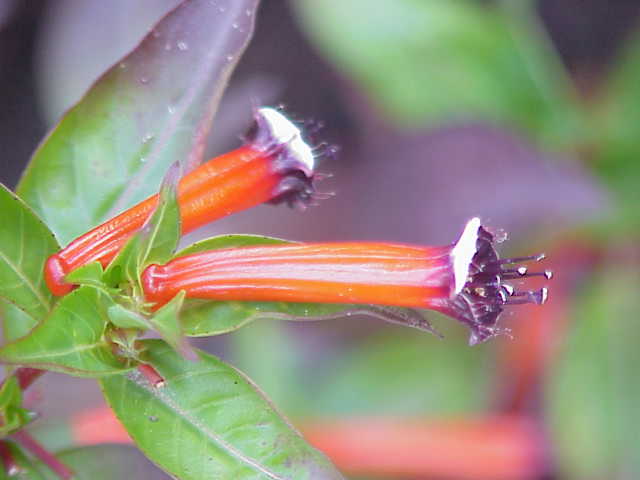
Cuphea ignea, widely recognized by its evocative common names such as the Cigar Plant, Firecracker Plant, and Mexican Cigar Plant, is a captivating broadleaf evergreen perennial sub-shrub belonging to the Lythraceae family. Native to the warm, humid regions of Southeast and Southwest Mexico, this species is celebrated for its distinctive morphology and vibrant floral display.
It typically grows into a rounded, bushy form, reaching heights of 30 to 60 cm (18 to 30 inches) and spreading equally wide, supported by densely branched stems. The foliage comprises small, dark green, lance-shaped leaves arranged oppositely along the stems, providing a lush backdrop for its striking flowers.
The most remarkable feature of Cuphea ignea is its tubular, reddish-orange blossoms, which are elegantly tipped with black and often feature a small white petal at the opening, giving them the appearance of a lit cigar or a tiny firecracker. These charming flowers bloom profusely from late spring through fall, or even year-round in consistently warm climates, making it a favorite for continuous color. The plant thrives in full sun to partial shade, preferring moist, well-drained soils, ideally a sandy loam, but demonstrating adaptability to various soil types including clay, provided drainage is adequate.
It is particularly tolerant of heat and humidity, and once established, shows good drought resistance, making it an excellent choice for xeriscaping or low-maintenance gardens. However, it is intolerant to frost and is best grown as an annual or overwintered indoors in cooler zones. Ecologically, Cuphea ignea is a significant magnet for pollinators, especially hummingbirds, butterflies, and bees, who are drawn to its rich nectar, enhancing biodiversity in any garden setting.
The genus name 'Cuphea' derives from the Greek word 'kyphos,' meaning curved or humped, likely referring to the shape of its seed capsules. The specific epithet 'ignea' is Latin for 'fire,' aptly describing the fiery hue of its characteristic flowers.
Trusted Scientific References
1. Authoritative external sources for Cuphea ignea
1.1 Wikipedia — Cuphea ignea
1.2 Kew POWO (Plants of the World Online)
1.3 PubMed — peer-reviewed research
1.4 NCBI Taxonomy Browser
1.5 GBIF — Global Biodiversity
1.1.Cuphea Ignea — Distinguishing Points
- ✓Striking tubular orange — red flowers with distinctive black tips.
- ✓Common names include — Common names include Cigar Plant, Firecracker Plant, and Mexican Cigar Plant.
- ✓Excellent for attracting — Excellent for attracting hummingbirds, butterflies, and bees to gardens.
- ✓Broadleaf evergreen perennial sub — shrub with a bushy growth habit.
- ✓Adaptable to a — Adaptable to a range of light conditions, from full sun to partial shade.
- ✓Prefers moist, well — drained sandy loam but tolerates various soil types.
- ✓Exhibits good drought — Exhibits good drought tolerance once established in the landscape.
- ✓Grows to a — Grows to a manageable height and width of approximately 18-30 inches.
- ✓Versatile plant suitable — Versatile plant suitable for garden beds, containers, and as a houseplant.
- ✓Generally considered resistant — Generally considered resistant to most common pests and diseases.
1.2.Cuphea Ignea — In Brief
- ✓Vibrant ornamental with unique cigar-shaped, orange-red flowers.
- ✓Attracts hummingbirds, butterflies, and other pollinators.
- ✓Native to Mexico, thriving in warm, sunny, well-drained conditions.
- ✓Contains flavonoids and phenolic acids, suggesting antioxidant potential.
- ✓Low-maintenance, drought-tolerant, suitable for containers and gardens.
- ✓Primarily ornamental; specific traditional medicinal uses are not widely documented.
2.Cuphea Ignea — Nomenclature & Classification
3.Cuphea Ignea — Fact Sheet
4.Cuphea Ignea — Physical Description
5.Cuphea Ignea — Origin & Spread
6.Cuphea Ignea — Heritage Uses
7.Cuphea Ignea — Phytochemistry
- ✓Flavonoids — Key compounds like quercetin, kaempferol, and anthocyanins are often found in plants of this family, known for their potent antioxidant and anti-inflammatory properties, contributing to cellular protection.
- ✓Phenolic Acids — Includes compounds such as caffeic acid, ferulic acid, and gallic acid, which are widely recognized as strong antioxidants and contribute to the plant's defense mechanisms and potential health benefits.
- ✓Tannins — Astringent polyphenols that may offer antimicrobial and anti-inflammatory effects, commonly found in plant tissues for defense against herbivores and pathogens.
- ✓Saponins — Glycosides that can have diverse biological activities, including potential immunomodulatory and cholesterol-lowering effects, although their presence and specific types in Cuphea ignea require detailed analysis.
- ✓Terpenoids — A broad class of organic compounds, including monoterpenes and sesquiterpenes, which can contribute to the plant's subtle aroma and possess various pharmacological activities like anti-inflammatory or antimicrobial properties.
- ✓Alkaloids — Nitrogen-containing organic compounds that can exhibit significant physiological effects; their specific presence and types in Cuphea ignea would necessitate dedicated phytochemical investigation.
- ✓Fatty Acids — While Cuphea ignea is primarily ornamental, other Cuphea species are noted for unique fatty acid profiles in their seeds; its seeds may contain specific medium-chain triglycerides.
- ✓Phytosterols — Plant sterols such as beta-sitosterol, which are known for their potential cholesterol-lowering effects and anti-inflammatory properties, could be present.
- ✓Volatile Oils — Trace amounts of essential oils may be present, contributing to the plant's subtle fragrance and potentially possessing mild therapeutic properties.
8.Cuphea Ignea — Evidence-Based Benefits
- ✓Antioxidant Properties — Flavonoids and phenolic acids present in Cuphea ignea are known powerful antioxidants, potentially helping to neutralize free radicals and reduce oxidative stress in the body.
- ✓Anti-inflammatory Support — The presence of phenolic compounds suggests a potential for anti-inflammatory effects, which could aid in modulating the body's inflammatory responses.
- ✓Antimicrobial Potential — Certain plant phenolics and flavonoids commonly found in botanicals may exhibit antimicrobial activities, offering a theoretical protective role against various pathogens.
- ✓Cardiovascular Health — Some classes of flavonoids are associated with supporting cardiovascular function by potentially improving blood vessel integrity and circulation, though specific effects for Cuphea ignea are unstudied.
- ✓Immune System Modulation — Bioactive compounds within the plant may hypothetically interact with immune pathways, potentially enhancing or balancing the body's natural defense mechanisms.
- ✓Digestive Wellness — Historically, plants rich in phenolics have been used to support digestive comfort and maintain gut health, suggesting a general area of potential benefit, not specific to Cuphea ignea.
- ✓Skin Health Benefits — Antioxidants can contribute to skin protection against environmental damage, potentially promoting a healthy complexion through their cellular protective actions.
- ✓Blood Sugar Regulation — Research on related plant compounds sometimes indicates an ability to influence glucose metabolism, suggesting a theoretical area for future study, not an established effect.
- ✓Detoxification Support — Phenolic acids are known to support liver function in general botanical contexts, potentially aiding in the body's natural detoxification processes.
- ✓Neuroprotective Potential — Some flavonoids have demonstrated neuroprotective effects in broader research, suggesting a speculative benefit for cognitive health.
8.1.Cuphea Ignea — Therapeutic Indications
9.Cuphea Ignea — Cautions & Contraindications
9.1.Cuphea Ignea — Caution Notes
- ✓Allergic Reactions — As with many plants, sensitive individuals may experience contact dermatitis or mild allergic reactions from handling the foliage or flowers.
- ✓Ingestion Concerns — While not known to be toxic, ingestion of large quantities of any non-food plant material is generally not recommended and could lead to mild digestive upset.
- ✓Skin Irritation — Direct contact with plant sap or foliage might cause mild skin irritation or rash in individuals with particularly sensitive skin.
- ✓Pollen Allergy — The pollen produced by Cuphea ignea could potentially trigger hay fever symptoms or other respiratory allergies in individuals susceptible to airborne allergens.
- ✓Interaction with Medications — Hypothetically, if consumed, its bioactive compounds could interact with certain medications, though specific interactions are unknown for this ornamental species and are not documented.
- ✓Gastrointestinal Discomfort — In rare cases, consumption of any unfamiliar plant material might cause non-specific symptoms such as nausea, vomiting, or stomach upset.
9.2.Cuphea Ignea — Risk Assessment
- ✓General Safety — Cuphea ignea is primarily an ornamental plant and is not widely reported to be toxic to humans or common household pets through casual contact or incidental ingestion.
- ✓Patch Testing — For individuals with known skin sensitivities, performing a patch test before extensive handling is advisable to rule out potential contact dermatitis or irritation.
- ✓Avoid Ingestion — Although not classified as poisonous, it is prudent to avoid internal consumption as its medicinal properties and safety for ingestion are not established or traditionally utilized.
- ✓Keep Away from Children and Pets — While generally considered safe, it is always recommended to keep ornamental plants out of direct reach of young children and pets to prevent any accidental or excessive ingestion.
- ✓Consult a Professional — If considering any internal use of Cuphea ignea, or if adverse reactions occur from contact, it is essential to consult a healthcare professional or qualified medical herbalist.
- ✓Environmental Safety — Ensure proper cultivation and disposal of plant material to prevent any potential for spread in non-native environments, although Cuphea ignea is not typically considered invasive.
10.Cuphea Ignea — Usage Guide
- ✓Ornamental Display — Primarily cultivated as an attractive garden ornamental, container plant, or hanging basket, highly valued for its unique, vibrant flowers that draw attention and pollinators.
- ✓Pollinator Garden Inclusion — An excellent choice for pollinator gardens, serving as a reliable nectar source for hummingbirds, butterflies, and bees, thereby enhancing local ecological biodiversity.
- ✓Xeriscaping and Low-Maintenance Landscaping — Due to its drought tolerance once established, Cuphea ignea is well-suited for water-wise garden designs and landscapes requiring minimal upkeep.
- ✓Houseplant Cultivation — In colder regions, Cuphea ignea can be brought indoors as a year-round houseplant, providing continuous bloom and lush greenery in a sunny indoor location.
- ✓Potential Herbal Infusions (Hypothetical) — If used for its general flavonoid and phenolic content, a mild infusion of dried leaves or flowers could theoretically be prepared, although specific medicinal applications are not traditionally established for this species.
- ✓Topical Applications (Hypothetical) — Extracts from the plant, if prepared, might hypothetically be explored for topical use due to the potential anti-inflammatory or antioxidant properties of its constituents, but this is not a traditional practice.
- ✓Research Material — The plant material may be utilized in scientific research to further investigate its phytochemical profile and potential bioactive compounds for future discovery.
11.Cuphea Ignea — Cultivation & Care
- ✓Climate and Hardiness — Thrives in warm, humid tropical to subtropical conditions (USDA Zones 10-12). In cooler climates, it is best grown as an annual or overwintered indoors as a houseplant.
- ✓Light Requirements — Prefers full sun exposure for optimal flowering, but can tolerate partial shade, especially in very hot climates to prevent scorching of foliage.
- ✓Soil Preferences — Requires moist, well-drained soil; ideally a sandy loam, but adaptable to various soil types including clay, as long as drainage is adequate. Tolerates acidic soils.
- ✓Watering — Water moderately, allowing the soil surface to dry out between waterings. While somewhat drought-tolerant once established, consistent moisture promotes vibrant growth and abundant blooming.
- ✓Fertilization — Apply a balanced liquid fertilizer every 2-4 weeks during the active growing and blooming season to encourage robust plant health and prolific flower production.
- ✓Pruning and Maintenance — Pinching stem tips helps maintain a bushy, rounded shape and prevents legginess. Regular deadheading of spent flowers promotes continuous blooming and a tidy appearance.
- ✓Propagation — Easily propagated by seeds or stem cuttings; cuttings are best taken in fall or winter for indoor cultivation or propagation.
- ✓Pest and Disease Resistance — Generally robust and mostly free of significant insect pests and diseases, making it a low-maintenance choice for gardeners.
Reviewed by the Flora Medical Global Botanical Review Panel
Multi-disciplinary editorial group · Botany · Ethnobotany · Herbal-medicine literature
Who reviewed this: This page was checked by the Flora Medical Global Botanical Review Panel — an in-house editorial group of botany graduates, ethnobotany researchers, and horticulture practitioners who collectively maintain our 7,000+ plant encyclopedia. Meet the team.
Our 4-step verification process
1. Taxonomic verification
Scientific names and synonyms cross-checked against Kew POWO, World Flora Online, and The Plant List.
2. Phytochemical & medicinal cross-reference
Active compounds, traditional uses, and reported activities are cross-referenced with PubMed, USDA Dr. Duke's database, and peer-reviewed ethnobotanical literature.
3. Conservation & distribution check
Distribution, ecology, and conservation status confirmed against GBIF occurrence records and the IUCN Red List.
4. Editorial & safety review
Every entry passes an editorial pass for clarity, originality, and safety notices (toxicity, contraindications, dosage caveats) before publication.
Last reviewed:
Important medical disclaimer: This content is for educational and research purposes only. It is not medical advice and is not a substitute for consultation with a licensed healthcare provider. Do not use any herb to self-treat a medical condition without professional guidance.
Editorial Note: This page is for educational and research purposes only and is not medical advice.
Written by: Flora Medical Global Editorial Team
Reviewed by: Flora Medical Global Botanical Review Panel
Last Updated: June 15, 2026





Cuphea Ignea — Comments & Community Reviews
Rate this plant