


Medical Disclaimer: This content is for educational purposes only. It is not medical advice. Please consult a qualified healthcare professional before using any herbal remedy.
Safety Overview
1.Curcuma Longa Wild — Botanical Snapshot
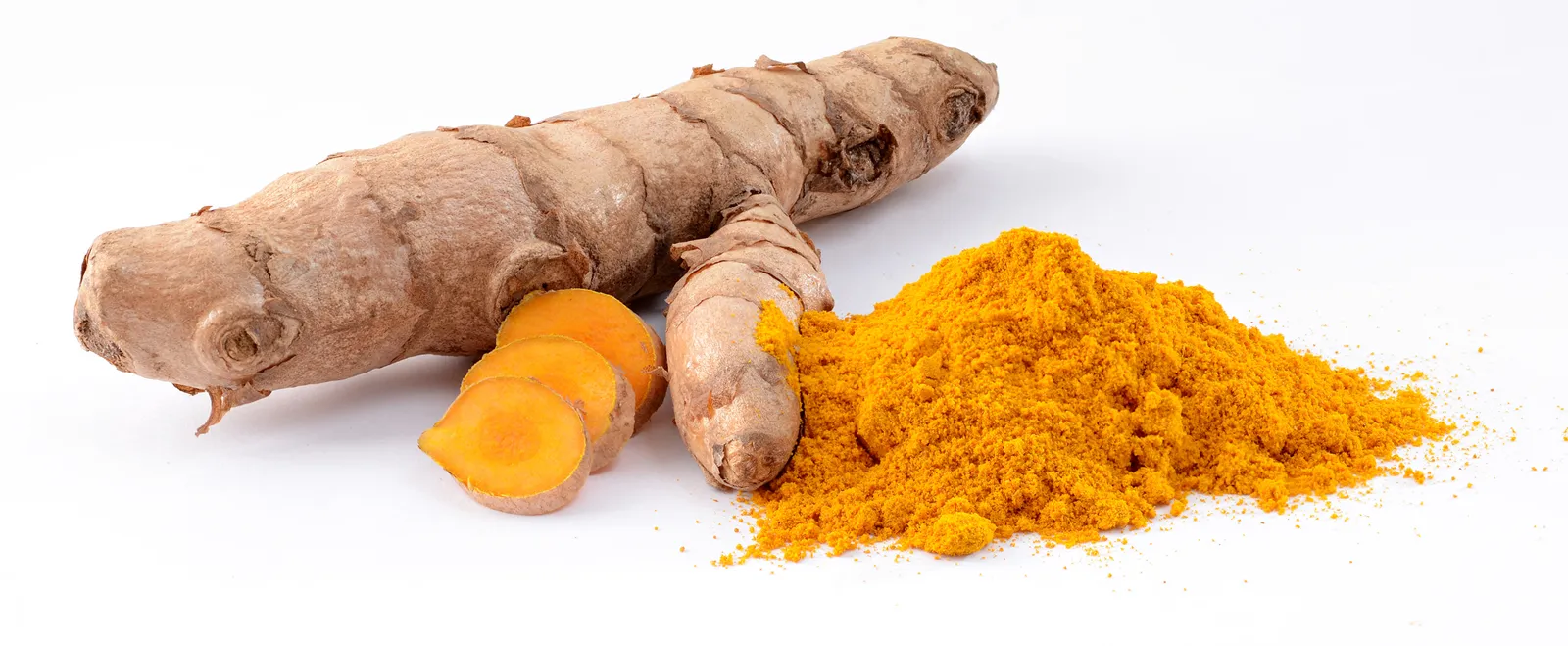
Curcuma longa wild, commonly known as wild turmeric, is a fascinating herbaceous perennial belonging to the esteemed Zingiberaceae family, which also includes ginger and cardamom. This robust plant is indigenous to the subtropical and tropical regions of South Asia, where it has flourished for millennia in its natural habitats, including the undergrowth of forests, open grasslands, and often as an understory plant in agricultural fields.
Morphologically, Curcuma longa wild is characterized by its substantial size, typically reaching heights of approximately 1 to 1.5 meters. Its foliage is striking, featuring large, lanceolate leaves that can measure up to 60 cm in length and 15 cm in width. These leaves present a smooth, dark green surface with slightly wavy margins, contributing to the plant's lush appearance.
The true spectacle often lies beneath the soil and in its inflorescence. The plant produces impressive cylindrical spikes of vibrant yellow flowers, each composed of three petal-like tepals gracefully encircling a central cone. These flowers emerge from the ground, adding a splash of color to its verdant surroundings.
The most valued part of Curcuma longa wild is its rhizomatous root system. These subterranean stems are thick and fleshy, often appearing pale yellow in color, a distinguishing characteristic compared to the deeper orange hue of some cultivated turmeric varieties. The outer skin of the rhizome is notably rough and fibrous, giving it a textured appearance.
These rhizomes are not merely roots but modified stems that store nutrients and allow the plant to propagate vegetatively. Wild turmeric thrives in well-drained, fertile soils, preferring environments with ample sunlight and high humidity, conditions typical of its native tropical ecosystems. Historically and culturally, Curcuma longa wild holds immense significance, deeply embedded in the traditional medicinal practices of Ayurveda, Traditional Chinese Medicine (TCM), and Unani systems, where its healing properties have been revered for centuries.
Trusted Scientific References
1. Authoritative external sources for Curcuma longa wild
1.1 Wikipedia — Curcuma longa wild
1.2 Kew POWO (Plants of the World Online)
1.3 PubMed — peer-reviewed research
1.4 NCBI Taxonomy Browser
1.5 GBIF — Global Biodiversity
1.1.Curcuma Longa Wild — Distinguishing Points
- ✓Rhizomatous Perennial — Curcuma longa wild grows from robust, underground stems known as rhizomes, allowing it to persist year after year.
- ✓Vibrant Yellow Flowers — It produces striking cylindrical spikes of bright yellow flowers, adding to its aesthetic appeal in its natural habitat.
- ✓Large Lanceolate Leaves — The plant is characterized by its substantial, dark green, lanceolate-shaped leaves that can reach significant lengths.
- ✓Fleshy Rhizomes — The primary medicinal component is its thick, fleshy rhizome, which is often pale yellow internally and fibrous externally.
- ✓Zingiberaceae Family — As a member of the ginger family, it shares botanical characteristics with other aromatic and medicinal plants like ginger and cardamom.
- ✓South Asian Origin — This species is indigenous to the tropical and subtropical regions of South Asia, where it has been cultivated and used for centuries.
- ✓Traditional Medicine Staple — Curcuma longa wild holds profound historical and ongoing significance in Ayurvedic, Traditional Chinese Medicine, and Unani practices.
- ✓Curcumin — Rich — Its medicinal efficacy is largely due to its high concentration of curcuminoids, particularly curcumin, known for its therapeutic effects.
- ✓Antioxidant Powerhouse — It is a powerful natural antioxidant, effectively combating free radicals and protecting cells from oxidative stress.
- ✓Pale Yellow Rhizome Interior — A notable feature is the pale yellow color of its rhizome flesh, which can distinguish it from some deeper orange cultivated turmeric varieties.
- ✓Adaptable Growth — It thrives in warm, humid conditions with well-drained, fertile soil, showing adaptability within its preferred climate zones.
- ✓Versatile Applications — The plant is utilized for a wide array of medicinal purposes, both through internal consumption and external topical application.
- ✓Medicinal Root — The subterranean rhizome is the most valued part, harvested for its concentrated bioactive compounds.
- ✓Distinct Aroma — Curcuma longa wild possesses a characteristic earthy, slightly pungent, and warm aroma, distinct from other ginger relatives.
- ✓Historical Significance — Its use dates back thousands of years, integral to ancient healing rituals, culinary traditions, and dyeing processes.
1.2.Curcuma Longa Wild — In Brief
- ✓Primary Use — Potent anti-inflammatory and antioxidant properties.
- ✓Key Compound — Curcuminoids, with curcumin being the most prominent.
- ✓Traditional System — Widely revered in Ayurvedic, TCM, and Unani medicine.
- ✓Plant Part — The rhizome is the primary medicinal and culinary part.
- ✓Family — Belongs to the Zingiberaceae family, alongside ginger.
- ✓Habitat — Native to tropical and subtropical regions of South Asia.
- ✓Common Name — Often referred to as Wild Turmeric.
- ✓Versatile Application — Used internally for systemic benefits and topically for skin and wounds.
2.Curcuma Longa Wild — Botanical Identity
3.Curcuma Longa Wild — Key Data
4.Curcuma Longa Wild — Botanical Description
5.Curcuma Longa Wild — Native Range & Habitat
6.Curcuma Longa Wild — Traditional Uses
7.Curcuma Longa Wild — Phytochemistry
- ✓Curcuminoids — Curcumin (diferuloylmethane, C21H20O6), Demethoxycurcumin, Bisdemethoxycurcumin. These are the primary active compounds, responsible for the plant's potent anti-inflammatory, antioxidant, and anticancer properties.
- ✓Volatile Oils (Terpenoids) — ar-Turmerone, alpha-Turmerone, beta-Turmerone, Zingiberene, Sabinene, Cineole. These compounds contribute to the distinctive aroma and possess anti-inflammatory, antimicrobial, and neuroprotective actions.
- ✓Polysaccharides — Ukonans. These water-soluble compounds are known for their immunomodulatory effects, enhancing the body's natural defense mechanisms.
- ✓Flavonoids — Quercetin, Kaempferol. These are powerful antioxidants that also exhibit anti-inflammatory and potential anticancer activities, contributing to overall cellular protection.
- ✓Phenolic Acids — Caffeic Acid, Ferulic Acid. These compounds are strong antioxidants that help protect against oxidative stress and support various physiological functions.
- ✓Dietary Fibers — Cellulose, Hemicellulose, Lignin. Essential for digestive health, promoting bowel regularity and supporting a healthy gut microbiome.
- ✓Minerals — Iron, Manganese, Potassium, Magnesium, Zinc. These micronutrients are vital for numerous bodily functions, including enzyme activity, bone health, and electrolyte balance.
- ✓Vitamins — Vitamin C, Vitamin B6 (Pyridoxine), Niacin (Vitamin B3). Essential cofactors for metabolic processes, immune function, and antioxidant defense.
- ✓Resins — Complex mixtures of organic compounds, contributing to the plant's traditional medicinal properties, though their specific pharmacological actions are less defined.
- ✓Sterols — Beta-sitosterol. A plant sterol known for its anti-inflammatory and cholesterol-lowering potential.
- ✓Fatty Acids — Linoleic acid, Oleic acid. Essential fatty acids that play roles in cellular structure, energy production, and inflammatory responses.
- ✓Alkaloids — Trace amounts, specific alkaloids and their actions in Curcuma longa wild are less extensively characterized but may contribute to its overall bioactivity.
- ✓Tannins — Astringent compounds that can contribute to antimicrobial and anti-inflammatory effects, particularly in topical applications.
8.Curcuma Longa Wild — Scientific Evidence
- ✓Potent Anti-inflammatory Agent — Curcuma longa wild is widely celebrated for its significant anti-inflammatory properties, primarily attributed to its active compounds, curcuminoids. These compounds work by inhibiting key inflammatory pathways, such as NF-κB and the production of COX-2 and LOX enzymes, effectively reducing inflammation throughout the body. This makes wild turmeric highly beneficial for conditions like arthritis and general inflammatory responses.
- ✓Powerful Antioxidant Properties — The curcuminoids in Curcuma longa wild are formidable antioxidants, capable of neutralizing harmful free radicals and boosting the body's endogenous antioxidant enzyme systems. This action protects cells from oxidative damage, a major contributor to aging and chronic diseases, supporting overall cellular health and vitality.
- ✓Hepatoprotective and Liver Support — In traditional systems like Ayurveda and TCM, wild turmeric has been a cornerstone for liver health. It aids in protecting liver cells from damage, enhancing the liver's detoxification processes, and promoting healthy bile secretion, which is crucial for fat digestion and waste elimination.
- ✓Digestive Aid and Gut Health — Curcuma longa wild acts as an effective digestive stimulant, promoting the production of digestive enzymes and bile. It helps alleviate symptoms of indigestion, bloating, and gas, and supports a healthy gut microbiome, contributing to improved nutrient absorption and overall digestive comfort.
- ✓Broad-Spectrum Antimicrobial Activity — Research indicates that wild turmeric possesses significant antimicrobial properties, effective against various bacterial and fungal pathogens. This makes it a valuable natural remedy for preventing and treating infections, both internally and externally, as traditionally used for skin infections.
- ✓Accelerates Wound Healing — Topically, Curcuma longa wild has been traditionally applied as poultices to wounds and burns. Its anti-inflammatory and antiseptic qualities help to clean the wound, reduce swelling, prevent infection, and promote faster tissue regeneration and scar reduction.
- ✓Supports Joint Health and Mobility — Due to its potent anti-inflammatory effects, wild turmeric is highly effective in mitigating pain, stiffness, and swelling associated with joint conditions, including osteoarthritis and rheumatoid arthritis. Regular use can contribute to improved joint function and flexibility.
- ✓Cardioprotective Effects — Emerging research suggests that Curcuma longa wild can support cardiovascular health. It may help improve endothelial function, reduce LDL cholesterol levels, and prevent the oxidation of lipids, thereby contributing to a healthier heart and circulatory system.
- ✓Neuroprotective Potential — The active compounds in wild turmeric, particularly curcumin, have demonstrated the ability to cross the blood-brain barrier. They exert neuroprotective effects by reducing oxidative stress and inflammation in the brain, offering potential benefits for cognitive function and protection against neurodegenerative conditions.
- ✓Potential Anticancer Properties — While more research is needed, preliminary studies suggest that curcuminoids may possess anticancer properties. They have been shown to induce apoptosis (programmed cell death) in cancer cells, inhibit tumor growth, and prevent angiogenesis (formation of new blood vessels that feed tumors) in various models.
- ✓Immunomodulatory Benefits — Curcuma longa wild helps to modulate the immune system, balancing its response rather than merely stimulating it. This can be beneficial in both overactive immune conditions and for boosting a weakened immune response, contributing to overall immune resilience.
- ✓Antiallergic Action — Traditional uses and some modern studies point to wild turmeric's ability to exert antiallergic effects. It may help to stabilize mast cells and modulate histamine release, thereby reducing symptoms associated with allergic reactions.
- ✓Mood Enhancement and Antidepressant Effects — Some studies indicate that curcumin may influence neurotransmitter levels in the brain, such as serotonin and dopamine. This suggests a potential role for Curcuma longa wild in supporting mood balance and alleviating symptoms of depression.
- ✓Respiratory System Support — In traditional medicine, wild turmeric is used to alleviate symptoms of respiratory issues like coughs, colds, and bronchitis. Its anti-inflammatory and antimicrobial actions can help clear congestion and soothe irritated airways.
- ✓Menstrual Health Regulator — Traditionally, Curcuma longa wild has been employed to address menstrual disorders. It is believed to help regulate menstrual cycles and reduce associated pain and discomfort due to its anti-inflammatory and emmenagogue properties.
- ✓Dermatological Applications — Beyond wound healing, wild turmeric is used to treat various skin infections, reduce acne, and improve overall skin complexion. Its antiseptic and anti-inflammatory qualities contribute to healthier, clearer skin.
- ✓Blood Purification — In Ayurvedic and Unani traditions, Curcuma longa wild is revered as a 'blood purifier.' While not a direct scientific term, this refers to its systemic detoxifying effects, supporting the body's natural processes to eliminate toxins and maintain healthy blood composition.
- ✓Natural Antiseptic — Historically, wild turmeric rhizomes have been crushed and applied directly to minor cuts, scrapes, and insect bites. Its inherent antiseptic properties help to prevent infection and promote a clean healing environment.
8.1.Curcuma Longa Wild — Reported Uses
9.Curcuma Longa Wild — Cautions & Contraindications
9.1.Curcuma Longa Wild — Caution Notes
- ✓Digestive Upset — High doses of Curcuma longa wild, particularly concentrated extracts, can lead to mild digestive discomfort, including nausea, diarrhea, stomach cramps, or bloating in sensitive individuals.
- ✓Acid Reflux/Heartburn — Some individuals may experience increased acid reflux or heartburn, especially when consuming wild turmeric on an empty stomach or in large quantities, due to its potential to stimulate bile production.
- ✓Allergic Reactions — Although rare, allergic reactions such as skin rashes, itching, or contact dermatitis can occur, particularly with topical application or in individuals sensitive to plants in the Zingiberaceae family.
- ✓Gallbladder Contractions — Wild turmeric stimulates gallbladder contractions to release bile. While beneficial for digestion, this can exacerbate symptoms in individuals with gallstones or bile duct obstruction, potentially causing pain or complications.
- ✓Increased Bleeding Risk — Due to its mild anticoagulant properties, Curcuma longa wild may increase the risk of bleeding, especially when taken with blood-thinning medications or before surgery.
- ✓Hypoglycemia — Wild turmeric has shown potential to lower blood sugar levels. Individuals with diabetes, especially those on hypoglycemic medications, should monitor their blood glucose closely to avoid hypoglycemia.
- ✓Kidney Stone Formation — Although not a common concern, Curcuma longa wild contains oxalates. In very high doses, there's a theoretical, minor risk of contributing to kidney stone formation in susceptible individuals, though this is generally low.
- ✓Iron Absorption Inhibition — High doses of wild turmeric may theoretically interfere with iron absorption. Individuals with iron deficiency or anemia should use it cautiously or consult a healthcare professional.
- ✓Liver Enzyme Elevation — While generally hepatoprotective, in rare cases and at extremely high doses, some individuals might experience transient elevation of liver enzymes, particularly in those with pre-existing liver conditions.
9.2.Curcuma Longa Wild — Toxicity Assessment
- ✓Drug Interactions — Curcuma longa wild can interact with several medications. It may potentiate the effects of anticoagulant and antiplatelet drugs (e.g., warfarin, aspirin), increasing the risk of bleeding. It can also interfere with anti-diabetic medications, potentially leading to hypoglycemia. Caution is advised with acid-reducing drugs (e.g., antacids, H2 blockers, PPIs) as it may increase stomach acid.
- ✓Pregnancy Warning — Medicinal doses of Curcuma longa wild are generally not recommended during pregnancy. It may have emmenagogue effects, stimulating uterine contractions, which could pose a risk. Culinary use in small amounts is typically considered safe, but consultation with a healthcare provider is crucial.
- ✓Lactation Warning — There is insufficient reliable information regarding the safety of Curcuma longa wild during breastfeeding. Due to the lack of data, it is generally advised for nursing mothers to avoid therapeutic doses.
- ✓Gallbladder Disease — Individuals with gallstones, bile duct obstruction, or other gallbladder conditions should avoid Curcuma longa wild. Its ability to stimulate bile flow and gallbladder contractions can worsen these conditions or cause severe pain.
- ✓Prior to Surgery — Due to its potential to increase bleeding risk, it is recommended to discontinue the use of Curcuma longa wild products at least two weeks before any scheduled surgical procedure.
- ✓Diabetes Management — People with diabetes should use wild turmeric with caution and under medical supervision, especially if they are on blood-sugar-lowering medications, as it may cause additive hypoglycemic effects.
- ✓Iron Deficiency Anemia — Individuals diagnosed with iron deficiency or anemia should be cautious with high intake of Curcuma longa wild, as it may potentially impair iron absorption. Consult a healthcare professional for guidance.
- ✓Children — Therapeutic doses of Curcuma longa wild are generally not recommended for infants and young children without professional medical advice due to limited safety data.
- ✓Liver Conditions — While often beneficial for liver health, individuals with severe or pre-existing liver diseases should consult a specialist before using wild turmeric, as individual responses can vary.
- ✓Gastroesophageal Reflux Disease (GERD) — Individuals prone to GERD or severe heartburn may find their symptoms exacerbated by wild turmeric, particularly in higher doses.
10.Curcuma Longa Wild — Preparations & Uses
- ✓Decoction/Tea — For internal use, prepare a decoction by simmering 1-2 teaspoons of dried, sliced, or powdered Curcuma longa wild rhizome in one cup of water for 10-15 minutes. Strain and consume 2-3 times daily. This method is effective for digestive issues, inflammation, and respiratory support.
- ✓Powder (Internal) — The powdered rhizome can be ingested directly. A typical dosage is 1-3 grams daily, mixed with warm water, milk, honey, or added to food. It's often taken with a pinch of black pepper to enhance curcumin absorption. Useful for systemic anti-inflammatory and antioxidant benefits.
- ✓Topical Application (Paste/Poultice) — For skin conditions, wounds, or localized inflammation, mix wild turmeric powder with water, honey, aloe vera gel, or a carrier oil (like coconut oil) to form a thick paste. Apply directly to the affected area, leave for 20-30 minutes, then rinse. Repeat 1-2 times daily.
- ✓Tincture — A tincture is an alcohol-based extract. Follow manufacturer's instructions for dosage, typically 2-5 ml, 1-3 times daily. Tinctures offer a concentrated form for systemic benefits like immune support and anti-inflammatory action.
- ✓Infused Oil (External) — To make an infused oil, gently heat dried wild turmeric rhizome in a carrier oil (e.g., sesame or olive oil) for several hours. Strain and use this oil for massage to relieve joint pain, muscle aches, or for general skin health. Apply as needed.
- ✓Capsules/Tablets — Standardized extracts of Curcuma longa wild are available in capsule or tablet form, providing precise dosing of curcuminoids. Always adhere to the dosage recommendations provided by the manufacturer or a healthcare professional, typically 500-1000 mg of extract daily.
- ✓Culinary Use — Fresh or dried wild turmeric powder can be incorporated into cooking, similar to common turmeric. It adds an earthy flavor and vibrant color to curries, soups, smoothies, and rice dishes, providing mild therapeutic benefits through diet.
- ✓Gargle/Mouthwash — For oral health issues like sore throat or gum inflammation, mix half a teaspoon of wild turmeric powder in a glass of warm water, possibly with a pinch of salt. Gargle for 30 seconds to 1 minute, 2-3 times a day.
- ✓Compress — Soak a clean cloth in a warm decoction of wild turmeric. Apply the moist compress to swollen joints or bruises to reduce inflammation and pain. Leave on for 15-20 minutes, several times a day.
- ✓Facial Mask — For skin brightening and anti-acne effects, combine wild turmeric powder with chickpea flour, yogurt, or milk to create a face mask. Apply evenly, let it dry for 15-20 minutes, then gently wash off.
11.Curcuma Longa Wild — Cultivation & Care
- ✓Soil Requirements — Curcuma longa wild thrives best in well-drained, fertile, sandy-loam to clay-loam soils with a pH range of 5.5 to 7.5. Good organic matter content is crucial for optimal rhizome development.
- ✓Climate — This plant prefers a warm, humid, tropical to subtropical climate. Ideal temperatures for growth range from 20°C to 35°C, with consistent rainfall or irrigation during the growing season.
- ✓Sunlight — While it can tolerate full sun in some conditions, Curcuma longa wild generally prefers partial shade, especially in hotter climates, receiving about 4-6 hours of direct sunlight per day. Too much intense sun can scorch leaves.
- ✓Watering — Consistent moisture is vital throughout the growing period. The soil should be kept evenly moist but never waterlogged, as excessive water can lead to rhizome rot. Reduce watering after the leaves start to yellow, indicating maturity.
- ✓Propagation — The primary method of propagation is using healthy rhizome cuttings, often referred to as 'sets.' Each set should have at least one or two 'eyes' or buds, weighing approximately 20-30 grams.
- ✓Planting — Rhizome sets are typically planted shallowly, about 5-7 cm deep, with the buds facing upwards. Spacing should allow for adequate growth, generally 20-30 cm apart in rows that are 30-45 cm apart.
- ✓Fertilization — Curcuma longa wild benefits from rich organic matter. Incorporate well-rotted compost or manure into the soil before planting. During growth, a balanced NPK fertilizer can be applied, with higher potassium levels favored during rhizome development.
- ✓Pest & Disease Management — Generally resilient, but can be susceptible to rhizome rot (due to waterlogging) and leaf spot diseases. Good drainage, proper spacing, and occasional organic fungicides can mitigate issues. Pests like shoot borers or nematodes can be managed with neem oil or biological controls.
- ✓Harvesting — Rhizomes are typically ready for harvest 7-10 months after planting, usually when the leaves begin to turn yellow and dry. Careful digging is required to avoid damaging the rhizomes.
- ✓Post-harvest Processing — After harvesting, the rhizomes are cleaned, boiled (cured) for a period, and then dried in the sun or using mechanical dryers. This process enhances the color, aroma, and shelf-life, and is essential for developing the desired curcuminoid content. The dried rhizomes are then polished to remove fibrous roots.
Reviewed by the Flora Medical Global Botanical Review Panel
Multi-disciplinary editorial group · Botany · Ethnobotany · Herbal-medicine literature
Who reviewed this: This page was checked by the Flora Medical Global Botanical Review Panel — an in-house editorial group of botany graduates, ethnobotany researchers, and horticulture practitioners who collectively maintain our 7,000+ plant encyclopedia. Meet the team.
Our 4-step verification process
1. Taxonomic verification
Scientific names and synonyms cross-checked against Kew POWO, World Flora Online, and The Plant List.
2. Phytochemical & medicinal cross-reference
Active compounds, traditional uses, and reported activities are cross-referenced with PubMed, USDA Dr. Duke's database, and peer-reviewed ethnobotanical literature.
3. Conservation & distribution check
Distribution, ecology, and conservation status confirmed against GBIF occurrence records and the IUCN Red List.
4. Editorial & safety review
Every entry passes an editorial pass for clarity, originality, and safety notices (toxicity, contraindications, dosage caveats) before publication.
Last reviewed:
Important medical disclaimer: This content is for educational and research purposes only. It is not medical advice and is not a substitute for consultation with a licensed healthcare provider. Do not use any herb to self-treat a medical condition without professional guidance.
Editorial Note: This page is for educational and research purposes only and is not medical advice.
Written by: Flora Medical Global Editorial Team
Reviewed by: Flora Medical Global Botanical Review Panel
Last Updated: June 15, 2026





Curcuma Longa Wild — Comments & Community Reviews
Rate this plant