
Medical Disclaimer: This content is for educational purposes only. It is not medical advice. Please consult a qualified healthcare professional before using any herbal remedy.
Safety Overview
1.Cycas Revoluta — Botanical Snapshot
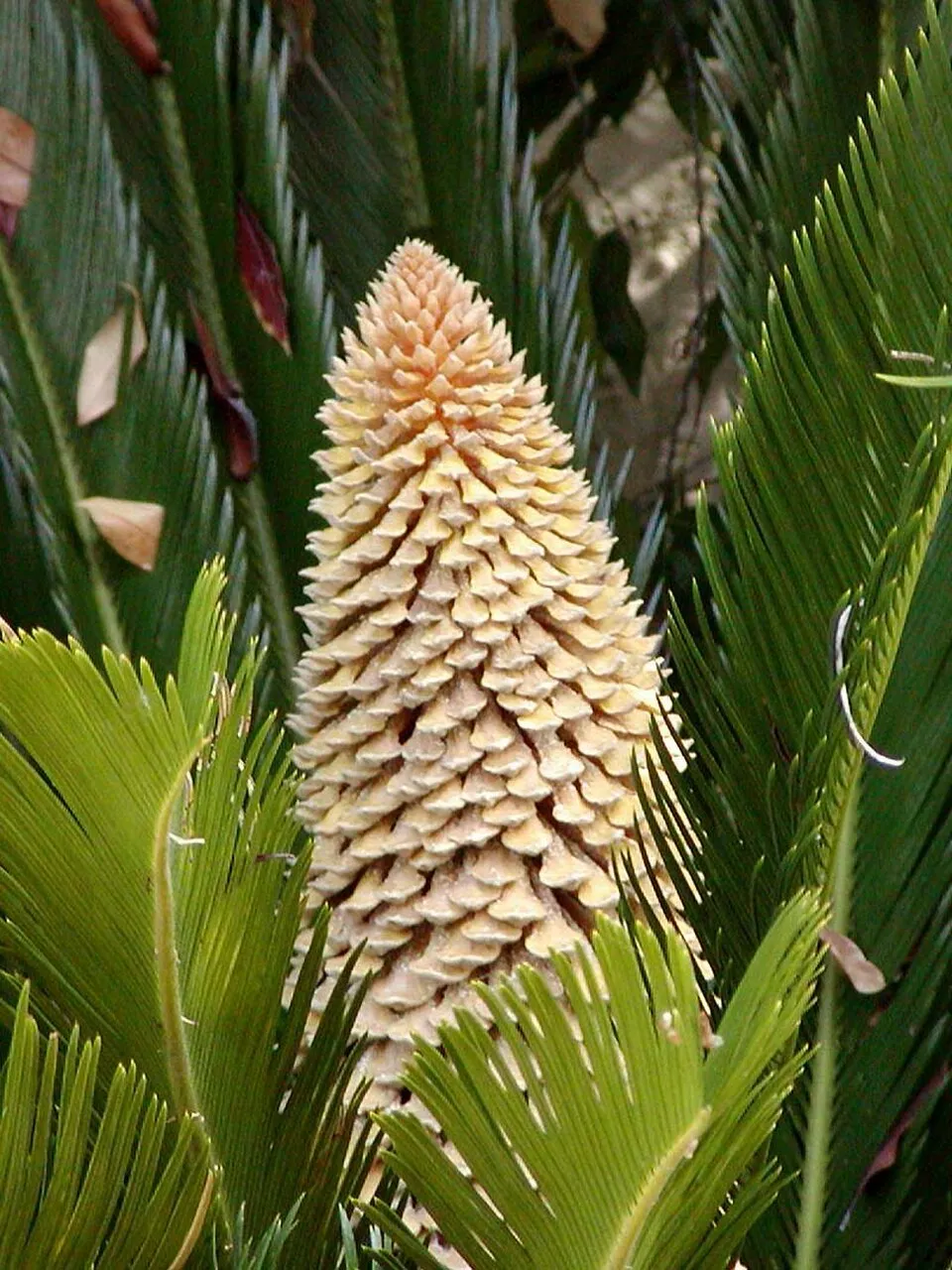
Cycas revoluta, widely recognized as sago palm, king sago, or sago cycad, is an iconic and ancient gymnosperm belonging to the Cycadaceae family. Despite its misleading common name, it is fundamentally a cycad, an archaic group of seed plants that first emerged during the Permian period, earning them the moniker 'living fossils.' Indigenous to the southern Japanese islands, including the Ryukyu Islands, Shikoku, and Kyushu, Cycas revoluta naturally thrives in subtropical to tropical climates, preferring well-drained soils often found on rocky slopes and coastal terrains. Its remarkably slow growth rate and distinctive architectural elegance, characterized by a robust, columnar trunk and a symmetrical crown of stiff, dark green, glossy pinnate leaves, have cemented its status as a highly prized ornamental plant globally, gracing both indoor spaces and outdoor gardens.
Historically, the plant’s interaction with human societies has been complex and perilous. While its seeds, and indeed all parts, contain highly toxic compounds like cycasin and its potent aglycone, methylazoxymethanol (MAM), traditional communities in its native regions developed intricate and labor-intensive processing methods to detoxify the stem pith, extracting a starchy substance known as 'sago.' This starch served as a critical famine food, albeit one associated with significant health risks due to the inherent toxicity. Botanically, Cycas revoluta exhibits clear sexual dimorphism, with individual male and female plants.
Male specimens produce large, erect, cone-like strobili laden with pollen, whereas female plants form a looser cluster of ovule-bearing structures at the crown's center, which, upon fertilization, develop into prominent, often vibrant orange-red seeds. The fronds, or leaves, are pinnately compound, extending from the trunk's apex, typically reaching 1-1.5 meters in length, each adorned with numerous narrow, rigid leaflets that are characteristically rolled downwards along their margins (revolute), which gives the species its epithet. The plant's hardy nature allows it to endure periods of drought and can persist for well over a century, gradually developing its rugged, textured trunk.
Trusted Scientific References
1. Authoritative external sources for Cycas revoluta
1.1 Wikipedia — Cycas revoluta
1.2 Kew POWO (Plants of the World Online)
1.3 PubMed — peer-reviewed research
1.4 NCBI Taxonomy Browser
1.5 GBIF — Global Biodiversity
1.1.Cycas Revoluta — Notable Characteristics
- ✓Living Fossil — Represents an ancient lineage of seed plants (cycads).
- ✓Dioecious — Exhibits separate male and female plants for reproduction.
- ✓Palm — like Foliage — Features stiff, dark green, pinnately compound fronds.
- ✓Slow Growing — Develops a stout, columnar trunk over many decades.
- ✓Highly Toxic — Contains potent neurotoxins and carcinogens in all parts.
- ✓Drought Tolerant — Resilient to dry periods once established.
- ✓Ornamental Value — Widely cultivated for its striking architectural form.
- ✓Sago Source (Historical) — Pith traditionally processed for starch after extreme detoxification.
- ✓Evergreen Nature — Retains its distinctive foliage year-round.
- ✓Adaptable to Containers — Suitable for indoor growing and bonsai.
1.2.Cycas Revoluta — Concise Overview
- ✓Cycas revoluta, or sago palm, is an ancient, palm-like gymnosperm native to Japan.
- ✓All parts are highly toxic, containing potent neurotoxins (BMAA) and carcinogens (cycasin, MAM).
- ✓Primarily valued as an ornamental landscape plant and for bonsai due to its unique appearance and slow growth.
- ✓Historically, its stem pith was processed into a famine food (sago) after dangerous detoxification.
- ✓Not used in modern herbal medicine due to severe toxicity; ingestion is often fatal, especially for pets.
- ✓Requires bright, indirect light and well-drained soil, sensitive to frost and overwatering.
2.Cycas Revoluta — Nomenclature & Classification
3.Cycas Revoluta — Vital Statistics
4.Cycas Revoluta — Physical Description
5.Cycas Revoluta — Native Range & Habitat
6.Cycas Revoluta — Folk Medicine Applications
7.Cycas Revoluta — Phytochemistry
- ✓Azoxyglycosides — Primarily cycasin, macrozamin, and neocycasins (A-F), which are potent genotoxic and neurotoxic compounds responsible for the plant's severe toxicity. Cycasin is the most abundant and well-studied.
- ✓Methylazoxymethanol (MAM) — The highly reactive aglycone formed from the enzymatic hydrolysis of cycasin, acting as a powerful carcinogen, hepatotoxin, and neurotoxin.
- ✓Beta-methylamino-L-alanine (BMAA) — A non-protein amino acid neurotoxin, primarily found in the seeds, linked to neurodegenerative disorders in humans and animals.
- ✓Flavonoids — General plant secondary metabolites, likely present in small quantities, contributing to plant defense but not therapeutically significant given the plant's overall toxicity.
- ✓Tannins — Astringent polyphenolic compounds, common in many plants, which may offer some protective properties to the plant itself.
- ✓Sterols — Including beta-sitosterol, common plant sterols found in cell membranes, typically present in various plant tissues.
- ✓Polysaccharides — Predominantly starch, which is abundantly stored in the stem pith and was historically extracted as a food source after extensive detoxification.
- ✓Fatty Acids — Various fatty acids are present in the seeds, contributing to their nutritional profile if processed safely, but their consumption is not advised.
8.Cycas Revoluta — Evidence-Based Benefits
- ✓Traditional Famine Food Source — Historically, indigenous communities in parts of Asia meticulously processed the stem pith of Cycas revoluta to extract edible starch (sago) during times of scarcity, after extensive detoxification processes to reduce its inherent toxicity.
- ✓Neurotoxicological Research Model — The plant's unique neurotoxins, such as BMAA, are crucial in scientific research to understand the mechanisms underlying specific neurodegenerative diseases like ALS/PDC.
- ✓Carcinogenesis Research Tool — The potent carcinogens, cycasin and its metabolite methylazoxymethanol (MAM), are utilized in laboratory studies to investigate pathways of tumor initiation and development.
- ✓Potential Antimicrobial Activity (In Vitro) — Some preliminary in vitro studies suggest certain non-toxic extracts or isolated compounds might possess minor antimicrobial properties, though this is not a basis for medicinal use.
- ✓Antioxidant Properties (Limited) — While overshadowed by its toxicity, some plant parts may contain general plant antioxidants, which could be studied for their isolated effects in a controlled research environment.
- ✓Ethnobotanical Significance — The historical and cultural importance of Cycas revoluta as a survival food offers valuable insights into human adaptation and traditional detoxification methods.
- ✓Botanical Education — Its status as a 'living fossil' provides an invaluable educational resource for studying ancient plant lineages and evolutionary biology.
8.1.Cycas Revoluta — Indications & Uses
9.Cycas Revoluta — Cautions & Contraindications
9.1.Cycas Revoluta — Warnings
- ✓Severe Gastrointestinal Distress — Ingestion of any part can cause acute nausea, vomiting, abdominal pain, and diarrhea.
- ✓Acute Liver Failure — Potent hepatotoxins (MAM, cycasin) can lead to rapid and often fatal liver necrosis and failure.
- ✓Progressive Neurological Damage — Neurotoxins like BMAA can cause tremors, seizures, paralysis, and contribute to chronic neurodegenerative conditions.
- ✓Carcinogenicity — Cycasin and its metabolites are powerful carcinogens, increasing the risk of various cancers upon chronic exposure.
- ✓Renal Dysfunction — Kidney damage can occur following significant exposure to the plant's toxins.
- ✓Pet Poisoning — Extremely toxic to dogs, cats, and other animals, often resulting in severe liver damage, neurological signs, and death.
- ✓Reproductive Toxicity — Potential for adverse effects on reproductive health due to systemic toxicity.
9.2.Cycas Revoluta — Toxicity Assessment
- ✓HIGHLY TOXIC — All parts of Cycas revoluta, especially the seeds, are extremely poisonous and must never be ingested by humans or animals.
- ✓Keep Out of Reach — Ensure plants are inaccessible to children and pets to prevent accidental poisoning, which can be fatal.
- ✓No Internal Use — This plant has no safe internal medicinal applications and should not be used in any herbal remedies.
- ✓Wear Protective Gear — Handle with gloves when pruning or repotting, as sap or dust from dried parts may cause skin or respiratory irritation.
- ✓Immediate Medical Attention — In case of suspected ingestion, contact poison control or emergency medical services immediately.
- ✓Avoid Contact with Mucous Membranes — Prevent plant material from coming into contact with eyes, nose, or mouth.
- ✓Traditional Detoxification Risks — Historical methods of detoxification were complex, labor-intensive, and still carried significant risks of chronic health issues.
10.Cycas Revoluta — Preparation Methods
- ✓Ornamental Landscaping — Primarily cultivated globally as a striking ornamental plant for tropical and subtropical gardens, providing an exotic and ancient aesthetic.
- ✓Houseplant Cultivation — Popular as an indoor container plant in cooler climates, valued for its distinctive foliage and low maintenance.
- ✓Bonsai Art — Its slow growth, compact size, and rugged trunk make it a favored specimen for traditional Japanese bonsai cultivation.
- ✓Historical Famine Food (Detoxified) — Historically, traditional communities would meticulously process the stem pith to extract starch (sago) as a survival food, involving extensive leaching and cooking to remove toxins; this practice is extremely dangerous and not recommended today.
- ✓Scientific Research Material — Used in toxicology and neurobiology studies to investigate the effects of its potent neurotoxins and carcinogens (e.g., BMAA, cycasin).
- ✓Botanical Garden Display — Frequently featured in botanical gardens and conservatories as a representative of ancient plant lineages (cycads) for educational purposes.
- ✓Not for Medicinal Consumption — Due to its extreme toxicity, Cycas revoluta is never used in modern medical herbalism for internal consumption or direct therapeutic applications.
11.Cycas Revoluta — Garden Cultivation
- ✓Climate Requirements — Thrives in subtropical to tropical zones; sensitive to frost, with foliage damage occurring below 15°F (-9°C).
- ✓Soil Preferences — Prefers moist, well-drained, sandy loam soils with an acidic to neutral pH (6.0-7.0).
- ✓Light Conditions — Requires bright, indirect sunlight; direct harsh sun can scorch fronds. Indoors, filtered sunlight for 4-6 hours daily is ideal.
- ✓Watering Regime — Drought-tolerant once established, but avoid overwatering or poor drainage, which can lead to root rot.
- ✓Propagation Techniques — Can be propagated from seeds (requires both male and female plants) or by removing and replanting suckers that emerge at the base.
- ✓Maintenance & Pruning — Low maintenance; primarily involves removing dead or yellowing fronds to maintain aesthetic appeal.
- ✓Pests and Diseases — Susceptible to scale insects (especially cycad aulacaspis scale), mealybugs, spider mites, and root rot from excessive moisture.
- ✓Container Growth — Excellent choice for containers, patios, or bonsai due to its slow growth rate and architectural form.
Reviewed by the Flora Medical Global Botanical Review Panel
Multi-disciplinary editorial group · Botany · Ethnobotany · Herbal-medicine literature
Who reviewed this: This page was checked by the Flora Medical Global Botanical Review Panel — an in-house editorial group of botany graduates, ethnobotany researchers, and horticulture practitioners who collectively maintain our 7,000+ plant encyclopedia. Meet the team.
Our 4-step verification process
1. Taxonomic verification
Scientific names and synonyms cross-checked against Kew POWO, World Flora Online, and The Plant List.
2. Phytochemical & medicinal cross-reference
Active compounds, traditional uses, and reported activities are cross-referenced with PubMed, USDA Dr. Duke's database, and peer-reviewed ethnobotanical literature.
3. Conservation & distribution check
Distribution, ecology, and conservation status confirmed against GBIF occurrence records and the IUCN Red List.
4. Editorial & safety review
Every entry passes an editorial pass for clarity, originality, and safety notices (toxicity, contraindications, dosage caveats) before publication.
Last reviewed:
Important medical disclaimer: This content is for educational and research purposes only. It is not medical advice and is not a substitute for consultation with a licensed healthcare provider. Do not use any herb to self-treat a medical condition without professional guidance.
Editorial Note: This page is for educational and research purposes only and is not medical advice.
Written by: Flora Medical Global Editorial Team
Reviewed by: Flora Medical Global Botanical Review Panel
Last Updated: June 15, 2026





Cycas Revoluta — Comments & Community Reviews
Rate this plant