
Medical Disclaimer: This content is for educational purposes only. It is not medical advice. Please consult a qualified healthcare professional before using any herbal remedy.
Safety Overview
1.Dahlia Dinner Plate — Introduction & Highlights
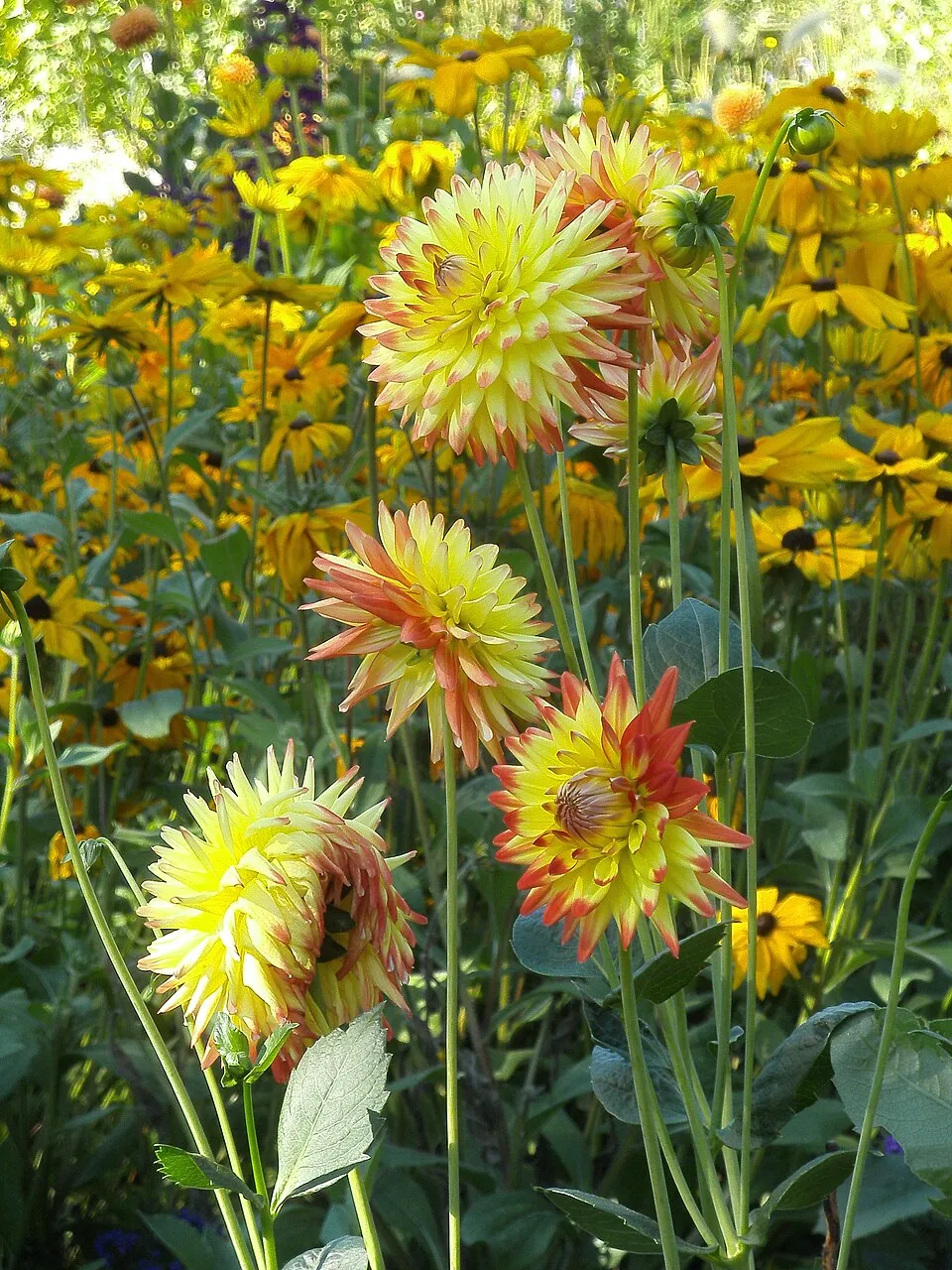
Dahlia × hortensis, commonly known as the Dinner Plate Dahlia, is a magnificent hybrid within the Asteraceae family, celebrated for its exceptionally large and showy blooms. This tuberous perennial typically grows to an impressive height of 3 to 4 feet (0.9-1.2 meters), producing sturdy, hollow stems that often require staking to support the weight of its voluminous flowers.
The leaves are characteristically pinnately compound, presenting a lush, dark green backdrop that beautifully contrasts with the vibrant floral display. Native to the mountainous regions of Mexico and Central America, the ancestral species of Dahlia thrive in temperate climates, and this hybrid cultivar flourishes under similar conditions.
The defining feature of the Dinner Plate Dahlia is its capitulum inflorescence, which can reach an astonishing 12 inches (30 cm) in diameter, resembling a dinner plate. These flower heads are composed of numerous ray florets, often densely packed, exhibiting an extraordinary spectrum of colors including pristine whites, delicate pinks, fiery reds, cheerful yellows, and warm oranges, often in solid, bi-color, or variegated patterns.
The plant's root system consists of fleshy tubers, crucial for its perennial nature and serving as storage organs that allow it to survive dormant periods. Dahlia × hortensis is primarily cultivated for its ornamental value, adding significant aesthetic appeal to gardens from summer through fall, and is also a notable attractor of pollinators such as bees and butterflies, contributing to garden biodiversity.
Trusted Scientific References
1. Authoritative external sources for Dahlia × hortensis
1.1 Wikipedia — Dahlia × hortensis
1.2 Kew POWO (Plants of the World Online)
1.3 PubMed — peer-reviewed research
1.4 NCBI Taxonomy Browser
1.5 GBIF — Global Biodiversity
1.6Dahlia Dinner Plate should be interpreted through verified botanical identity, practical care, and responsible safety language. This recovery note adds the missing context needed for a complete profile: match light to the plant's habit, use well-drained soil, water according to season, and avoid unsupported medicinal or edible claims. For publishing, the plant can be presented as a source-backed garden plant with clear care guidance, common problem diagnosis, and conservative safety wording.
1.1.Dahlia Dinner Plate — Defining Traits
- ✓Spectacular Flower Size — Blooms can reach an impressive 12 inches (30 cm) in diameter, creating a striking visual impact.
- ✓Diverse Color Palette — Available in a wide array of colors, including white, pink, red, yellow, and orange, often with bi-color or variegated patterns.
- ✓Tuberous Root System — Possesses underground tubers that store nutrients and allow for perennial growth in suitable climates.
- ✓Hybrid Origin — A cultivated hybrid (Dahlia × hortensis) developed for enhanced ornamental qualities.
- ✓Long Blooming Period — Provides continuous floral displays from mid-summer through fall until the first frost.
- ✓Attracts Pollinators — Flowers serve as a valuable nectar source for bees, butterflies, and other beneficial insects.
- ✓Requires Staking — Due to the large size and weight of the flowers, plants typically need support to prevent stem breakage.
- ✓Sun — Loving — Thrives in locations receiving at least 6-8 hours of direct sunlight daily for optimal flowering.
- ✓Garden Versatility — Excellent for borders, mass plantings, container gardening, and as a focal point in landscape designs.
1.2.Dahlia Dinner Plate — Concise Overview
- ✓Majestic Blooms — Renowned for exceptionally large, vibrant flowers up to 12 inches across.
- ✓Ornamental Gem — Highly valued for dramatic floral displays in gardens and arrangements.
- ✓Tuberous Perennial — Survives winter underground as fleshy roots, regrowing each spring.
- ✓Pollinator Attractor — Draws bees and butterflies, enhancing garden biodiversity.
- ✓Frost Sensitive — Requires tubers to be lifted and stored in colder climates.
- ✓Traditional Uses — Ancestral Dahlia species had traditional medicinal and food uses, though limited for this hybrid.
2.Dahlia Dinner Plate — Systematic Position
3.Dahlia Dinner Plate — Quick Facts
4.Dahlia Dinner Plate — Morphological Account
5.Dahlia Dinner Plate — Where It Grows
6.Dahlia Dinner Plate — Cultural & Traditional Roles
7.Dahlia Dinner Plate — Secondary Metabolites
- ✓Flavonoids — Compounds like quercetin, kaempferol, and their glycosides are present, known for their potent antioxidant, anti-inflammatory, and vasodilatory actions, contributing to cellular protection.
- ✓Anthocyanins — Responsible for the vibrant red, pink, and purple coloration of the flowers, these pigments are powerful antioxidants that also possess anti-inflammatory and vascular protective properties.
- ✓Alkaloids — Various alkaloids, though typically in lower concentrations in ornamental species, may be present and are often associated with diverse pharmacological activities, including neuroactive and analgesic effects.
- ✓Phenolic Acids — Such as gallic acid and caffeic acid, these compounds are widely distributed in plants and contribute to antioxidant capacity and may exert anti-inflammatory and antimicrobial effects.
- ✓Terpenoids — Including triterpenes and sesquiterpenes, these compounds are a large class of natural products with diverse biological activities, often contributing to plant defense mechanisms and aromatic profiles.
- ✓Polysaccharides — Particularly in the tubers, complex carbohydrates like inulin can be found, which act as prebiotics, supporting gut health, and have also been investigated for their immune-modulating properties.
- ✓Saponins — These naturally occurring glycosides can have emulsifying properties and have been studied for potential cholesterol-lowering, immune-stimulating, and anti-inflammatory effects.
- ✓Tannins — Astringent compounds that can bind to proteins, tannins may offer antioxidant, anti-inflammatory, and antimicrobial benefits, often used in traditional remedies for wound healing and digestive issues.
8.Dahlia Dinner Plate — Modern Studies
- ✓Antioxidant Potential — The presence of various phenolic compounds, including flavonoids and anthocyanins, suggests potential antioxidant activity that may help neutralize free radicals and reduce oxidative stress.
- ✓Anti-inflammatory Properties — Traditional uses of some Dahlia species hint at anti-inflammatory effects, potentially attributed to specific phytochemicals that modulate inflammatory pathways.
- ✓Skin Soothing (Traditional) — Historically, poultices made from Dahlia leaves or petals were applied topically in some folk traditions to soothe minor skin irritations and promote healing.
- ✓Digestive Support (Traditional) — Certain Dahlia species tubers were traditionally consumed or prepared into decoctions, believed to aid in digestion or provide a mild laxative effect.
- ✓Blood Sugar Regulation (Investigational) — Some research on other Dahlia species has explored their potential to influence blood glucose levels, possibly due to unique carbohydrates or bioactive compounds.
- ✓Antimicrobial Activity (Potential) — Preliminary studies on various plant extracts from the Asteraceae family, including some Dahlia species, suggest potential antimicrobial properties against certain pathogens.
- ✓Immune Modulatory Effects — Phytochemicals like polysaccharides found in tubers may have the ability to modulate immune responses, supporting the body's natural defense mechanisms.
- ✓Nutritional Value (Tubers) — While primarily ornamental, the tubers of ancestral Dahlia species were a food source, offering carbohydrates and certain minerals, providing sustenance.
8.1.Dahlia Dinner Plate — Reported Uses
9.Dahlia Dinner Plate — Adverse Effects
9.1.Dahlia Dinner Plate — Reported Side Effects
- ✓Skin Irritation — Contact with Dahlia sap or plant parts may cause mild dermatitis or allergic reactions in sensitive individuals, manifesting as redness, itching, or a rash.
- ✓Gastrointestinal Upset — Ingestion of large quantities of plant material, while not recommended, could potentially lead to mild stomach upset, nausea, or vomiting.
- ✓Allergic Reactions — Individuals with known allergies to plants in the Asteraceae family (e.g., ragweed, sunflowers) may experience allergic reactions, including hay fever-like symptoms or skin issues.
- ✓Photosensitivity (Rare) — Although uncommon, some plant compounds can theoretically induce photosensitivity in highly susceptible individuals, increasing skin sensitivity to sunlight.
- ✓Pollen Allergies — The pollen can be an allergen for some individuals, potentially triggering respiratory symptoms during the blooming season.
9.2.Dahlia Dinner Plate — Clinical Safety Notes
- ✓General Safety — Primarily cultivated for ornamental purposes, Dahlia × hortensis is generally considered safe for handling, though direct ingestion is not recommended due to lack of extensive safety data.
- ✓Allergic Contact Dermatitis — Individuals with sensitive skin should exercise caution when handling the plant, as sap may cause mild irritation; wearing gloves is advisable.
- ✓Ingestion Advisory — The plant is not intended for consumption, and its safety for internal use has not been established for this specific hybrid; keep away from curious children and pets.
- ✓Pregnancy and Lactation — Due to insufficient scientific data, pregnant and lactating individuals should avoid any internal use of Dahlia plant parts.
- ✓Drug Interactions — There is no documented evidence of drug interactions with Dahlia × hortensis; however, caution is advised if considering any traditional medicinal applications.
- ✓Pet Safety — While generally considered mildly toxic, ingestion by pets may cause mild gastrointestinal upset; it's best to prevent pets from consuming plant material.
10.Dahlia Dinner Plate — Application Forms
- ✓Ornamental Display — Primarily cultivated for their spectacular, large blooms, ideal for garden beds, borders, and as cut flowers in floral arrangements.
- ✓Traditional Decoction (Tubers) — In some traditional practices, tubers of certain Dahlia species were boiled to create a decoction, potentially consumed for nutritional or mild medicinal purposes.
- ✓Topical Poultice (Leaves/Petals) — Historically, crushed leaves or petals might have been applied as a poultice to soothe minor skin irritations or insect bites, based on anecdotal use.
- ✓Infusion (Flowers) — Dried flower petals could be steeped in hot water to create a mild infusion, though specific therapeutic benefits for this hybrid are not well-documented.
- ✓Food Source (Ancestral Tubers) — While not common for this hybrid, the tubers of ancestral Dahlia species were consumed as a starchy vegetable by indigenous cultures.
- ✓Garden Attractant — Planted to attract pollinators such as bees and butterflies, enhancing garden biodiversity and supporting ecological health.
- ✓Home Decor — Freshly cut blooms serve as long-lasting and dramatic additions to interior spaces, providing vibrant color and natural beauty.
11.Dahlia Dinner Plate — Propagation & Care
- ✓Soil Preference — Thrive in well-draining, fertile soil rich in organic matter, with a slightly acidic to neutral pH (6.0-7.0).
- ✓Sunlight Requirements — Require at least 6-8 hours of direct sunlight daily for optimal growth and abundant, large blooms.
- ✓Watering Regimen — Maintain consistent moisture; water deeply when the top 1-2 inches of soil are dry, avoiding overhead watering to prevent fungal issues.
- ✓Climate Suitability — Best grown in USDA zones 8-11; in colder zones (3-7), tubers must be lifted and stored indoors over winter to protect from frost.
- ✓Planting Depth and Spacing — Plant tubers 4-6 inches deep with the 'eye' facing upwards, spacing them 18-36 inches apart depending on the cultivar's mature size.
- ✓Staking and Support — Due to their heavy blooms and tall stature, Dahlia Dinner Plate varieties typically require sturdy staking to prevent stems from breaking.
- ✓Fertilization — Benefit from regular feeding with a balanced, low-nitrogen fertilizer once established and throughout the blooming season to support flower production.
Reviewed by the Flora Medical Global Botanical Review Panel
Multi-disciplinary editorial group · Botany · Ethnobotany · Herbal-medicine literature
Who reviewed this: This page was checked by the Flora Medical Global Botanical Review Panel — an in-house editorial group of botany graduates, ethnobotany researchers, and horticulture practitioners who collectively maintain our 7,000+ plant encyclopedia. Meet the team.
Our 4-step verification process
1. Taxonomic verification
Scientific names and synonyms cross-checked against Kew POWO, World Flora Online, and The Plant List.
2. Phytochemical & medicinal cross-reference
Active compounds, traditional uses, and reported activities are cross-referenced with PubMed, USDA Dr. Duke's database, and peer-reviewed ethnobotanical literature.
3. Conservation & distribution check
Distribution, ecology, and conservation status confirmed against GBIF occurrence records and the IUCN Red List.
4. Editorial & safety review
Every entry passes an editorial pass for clarity, originality, and safety notices (toxicity, contraindications, dosage caveats) before publication.
Last reviewed:
Important medical disclaimer: This content is for educational and research purposes only. It is not medical advice and is not a substitute for consultation with a licensed healthcare provider. Do not use any herb to self-treat a medical condition without professional guidance.
Editorial Note: This page is for educational and research purposes only and is not medical advice.
Written by: Flora Medical Global Editorial Team
Reviewed by: Flora Medical Global Botanical Review Panel
Last Updated: June 15, 2026





Dahlia Dinner Plate — Comments & Community Reviews
Rate this plant