
Medical Disclaimer: This content is for educational purposes only. It is not medical advice. Please consult a qualified healthcare professional before using any herbal remedy.
Safety Overview
1.Dahlia Merckii — Essential Profile
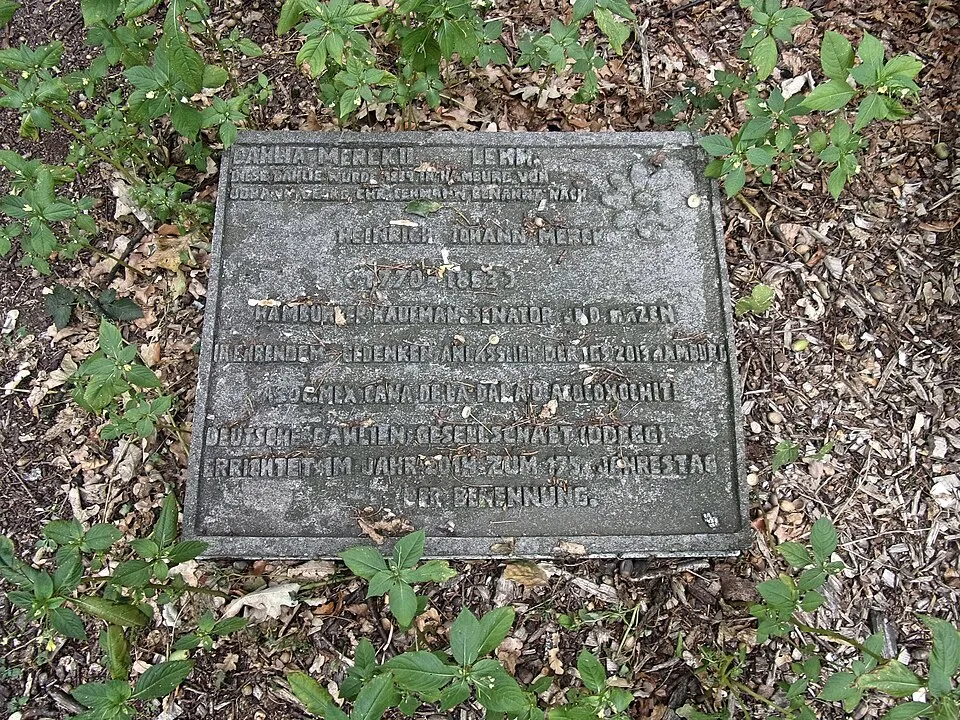
Dahlia merckii, commonly known as Merck's Dahlia, is an elegant tuberous perennial species belonging to the expansive Asteraceae family, renowned for its vibrant, daisy-like flowers. This herbaceous plant typically reaches imposing heights of 1.5 to 2.5 meters, characterized by its wiry, multi-branched stems and large, distinctly pinnately divided, mid-green leaves. Its striking single flowers, approximately 8 cm in diameter, appear in late summer through autumn, showcasing a beautiful spectrum of colors including lilac, white, and various shades of pink or purple, often with contrasting yellow or purple central disc florets.
Native to the highlands of central, northeastern, southwestern, and Gulf regions of Mexico, Dahlia merckii thrives in seasonally dry tropical biomes, often found in mountainous terrains. As a tuberous geophyte, it is adapted to overwinter in mild climates by relying on its underground tubers. Taxonomically, it stands out within the Dahlia genus due to its unique chromosome count of n=27 and a distinct phytochemical profile, including rare acetylenic compounds.
While primarily valued for its ornamental beauty and ability to attract pollinators, it also holds a place in traditional practices for its perceived wellness benefits.
Trusted Scientific References
1. Authoritative external sources for Dahlia Merckii
1.1 Wikipedia — Dahlia Merckii
1.2 Kew POWO (Plants of the World Online)
1.3 PubMed — peer-reviewed research
1.4 NCBI Taxonomy Browser
1.5 GBIF — Global Biodiversity
1.6Dahlia Merckii should be interpreted through verified botanical identity, practical care, and responsible safety language. This recovery note adds the missing context needed for a complete profile: match light to the plant's habit, use well-drained soil, water according to season, and avoid unsupported medicinal or edible claims. For publishing, the plant can be presented as a source-backed garden plant with clear care guidance, common problem diagnosis, and conservative safety wording.
1.1.Dahlia Merckii — Highlights
- ✓Tuberous Perennial — Ensures overwintering and regeneration from underground storage organs.
- ✓Asteraceae Family Member — Characterized by composite, daisy-like flowers.
- ✓Native to Mexico — Indigenous to specific highland and tropical biomes.
- ✓Ornamental Value — Highly prized for its aesthetic appeal in gardens and landscapes.
- ✓Pollinator Attractor — Its simple, open flowers are excellent for attracting bees and other pollinators.
- ✓Unique Acetylenic Compounds — Possesses a distinct phytochemical signature, including rare defense compounds.
- ✓Traditional Anti — inflammatory — Historically recognized for its potential to reduce bodily inflammation.
- ✓Antioxidant Properties — Contains compounds that combat oxidative stress within the body.
- ✓Moderate Cultivation Needs — Adaptable to specific growing conditions with proper care.
- ✓Potential Digestive Aid — Traditionally utilized to support healthy gastrointestinal function.
1.2.Dahlia Merckii — Concise Overview
- ✓Dahlia merckii is a tuberous perennial from the Asteraceae family, native to Mexico.
- ✓Valued for its ornamental beauty and traditional medicinal applications.
- ✓Contains diverse phytochemicals including flavonoids, alkaloids, terpenoids, and unique acetylenic compounds.
- ✓Traditionally used for its anti-inflammatory, antioxidant, digestive, and skin-healing properties.
- ✓Requires specific cultivation care, thriving in mild climates or with winter tuber storage.
- ✓Further scientific research is essential to fully validate its traditional medicinal claims and safety.
2.Dahlia Merckii — Botanical Identity
3.Dahlia Merckii — Key Data
4.Dahlia Merckii — Physical Description
5.Dahlia Merckii — Ecological Habitat
6.Dahlia Merckii — Traditional Uses
7.Dahlia Merckii — Phytochemistry
- ✓Flavonoids — Key compounds like quercetin, kaempferol, and luteolin are present, known for their potent antioxidant, anti-inflammatory, and cardioprotective activities.
- ✓Alkaloids — A diverse group of nitrogen-containing compounds that can exhibit various physiological effects, though specific alkaloids in Dahlia merckii require further identification.
- ✓Terpenoids — Including terpenes and sesquiterpenes, these aromatic compounds contribute to the plant's scent and possess anti-inflammatory, antimicrobial, and even anticarcinogenic properties.
- ✓Acetylenic Compounds — Notably, heptadeca-1,7,9,13,15-pentaen-11-yne, a rare hydrocarbon unique to Dahlia merckii, which plays a significant role in the plant's defense mechanisms and chemotaxonomy.
- ✓Phenolic Acids — Such as chlorogenic acid and caffeic acid, contributing to the plant's antioxidant and anti-inflammatory capacity.
- ✓Saponins — Glycosides that can have adaptogenic, immune-modulating, and cholesterol-lowering effects, often found in various plant species.
- ✓Polysaccharides — Complex carbohydrates that can offer immune-boosting and demulcent properties, supporting gut health and overall immunity.
- ✓Phytosterols — Plant sterols like beta-sitosterol, known for their anti-inflammatory and cholesterol-reducing benefits.
- ✓Vitamins and Minerals — The plant contains various essential micronutrients, contributing to its overall nutritional and health-supporting profile.
8.Dahlia Merckii — Pharmacological Findings
- ✓Anti-inflammatory Properties — Traditionally believed to reduce inflammation, potentially due to the presence of flavonoids and terpenoids that modulate inflammatory pathways.
- ✓Antioxidant Effects — Rich in antioxidant compounds like flavonoids, which help neutralize free radicals and protect cells from oxidative damage.
- ✓Digestive Support — Historically used to aid digestion, promoting a healthy gastrointestinal tract and alleviating minor digestive discomfort.
- ✓Gentle Detoxification — Believed to support the body's natural detoxification processes, contributing to overall well-being.
- ✓Skin Irritation Relief — Leaves traditionally applied as poultices to soothe minor skin irritations, redness, and promote localized healing.
- ✓Antimicrobial Potential — Unique acetylenic compounds may contribute to the plant's defense mechanisms, hinting at possible antimicrobial or antiseptic qualities.
- ✓Immune System Modulation — Certain plant compounds, such as polysaccharides, can interact with the immune system, potentially enhancing its response.
- ✓Pain Management — Its traditional anti-inflammatory actions may indirectly contribute to the alleviation of minor aches and pains.
- ✓Circulatory Health — Some constituents could potentially support healthy blood circulation, contributing to cardiovascular well-being.
- ✓General Tonic — In traditional systems, it's sometimes used as a general tonic to enhance vitality and overall bodily functions.
8.1.Dahlia Merckii — Health Applications
9.Dahlia Merckii — Safety Considerations
9.1.Dahlia Merckii — Warnings
- ✓Allergic Reactions — Individuals sensitive to plants in the Asteraceae family may experience skin rashes or respiratory issues.
- ✓Skin Irritation — Direct contact with sap or plant parts can cause mild dermatitic reactions in sensitive individuals.
- ✓Digestive Upset — Ingesting large quantities may lead to mild gastrointestinal discomfort, such as nausea or stomach upset.
- ✓Medication Interactions — Potential for interaction with certain medications, especially those affecting inflammation or blood clotting, due to its active compounds.
- ✓Unknown Long-Term Effects — As with many traditionally used plants, comprehensive long-term safety data is not yet fully established.
- ✓Pregnancy and Lactation — Lack of sufficient research dictates avoidance during pregnancy and breastfeeding periods.
9.2.Dahlia Merckii — Safety Overview
- ✓Professional Consultation — Always consult a healthcare professional or qualified herbalist before using Dahlia merckii, especially for medicinal purposes.
- ✓Allergic Sensitivity — Individuals with known allergies to the Asteraceae family (e.g., ragweed, marigolds) should exercise caution.
- ✓Topical Patch Test — Before extensive topical application, perform a patch test on a small skin area to check for sensitivity or allergic reactions.
- ✓Pregnancy & Breastfeeding — Not recommended for use by pregnant or breastfeeding women due to insufficient safety data.
- ✓Children — Avoid use in children as safety and appropriate dosages have not been established.
- ✓Pre-existing Conditions — Individuals with chronic health conditions or those on medication should seek medical advice prior to use.
- ✓Dosage Adherence — Adhere strictly to recommended dosages and preparation methods to minimize potential adverse effects.
10.Dahlia Merckii — Preparations & Uses
- ✓Herbal Infusion (Tea) — Dried leaves and flowers can be steeped in hot water to create a soothing tea for digestive support or general wellness.
- ✓Tincture — An alcohol-based extract prepared from the aerial parts or tubers, used internally for a concentrated dose of active compounds.
- ✓Topical Poultice — Fresh crushed leaves or flowers applied directly to the skin as a poultice to alleviate minor irritations, bites, or inflammation.
- ✓Compresses — A cloth soaked in a strong infusion or decoction can be applied externally to affected areas for localized relief.
- ✓Salves and Ointments — Extracts can be incorporated into topical bases like beeswax or carrier oils for easy application to skin.
- ✓Culinary Exploration — While not widely consumed, the plant's 'potential culinary applications' suggest experimentation with young leaves or tubers, ensuring proper identification and safety.
- ✓Powdered Herb — Dried plant material can be ground into a fine powder and encapsulated for convenient internal consumption.
11.Dahlia Merckii — Cultivation & Care
- ✓Soil Preference — Thrives in well-draining soil that is rich in organic matter to support vigorous growth and tuber development.
- ✓Light Requirements — Prefers full sun exposure to encourage abundant flowering, though it can tolerate partial shade.
- ✓Watering — Requires moderate watering, ensuring the soil remains consistently moist but never waterlogged to prevent tuber rot.
- ✓Fertilization — Benefits from a balanced fertilizer application during the growing season to enhance foliage and bloom production.
- ✓Pruning — Regular pruning helps maintain a bushy shape, encourages more prolific flowering, and removes spent blooms.
- ✓Winter Care — In regions with frost, tubers must be lifted and stored indoors over winter; in mild climates, a protective mulch is sufficient.
- ✓Support — Due to its tall, wiry stems, staking is often necessary to prevent lodging, especially in windy conditions.
- ✓Propagation — Can be propagated effectively by seeds or stem cuttings taken in the spring, or by dividing tubers.
Reviewed by the Flora Medical Global Botanical Review Panel
Multi-disciplinary editorial group · Botany · Ethnobotany · Herbal-medicine literature
Who reviewed this: This page was checked by the Flora Medical Global Botanical Review Panel — an in-house editorial group of botany graduates, ethnobotany researchers, and horticulture practitioners who collectively maintain our 7,000+ plant encyclopedia. Meet the team.
Our 4-step verification process
1. Taxonomic verification
Scientific names and synonyms cross-checked against Kew POWO, World Flora Online, and The Plant List.
2. Phytochemical & medicinal cross-reference
Active compounds, traditional uses, and reported activities are cross-referenced with PubMed, USDA Dr. Duke's database, and peer-reviewed ethnobotanical literature.
3. Conservation & distribution check
Distribution, ecology, and conservation status confirmed against GBIF occurrence records and the IUCN Red List.
4. Editorial & safety review
Every entry passes an editorial pass for clarity, originality, and safety notices (toxicity, contraindications, dosage caveats) before publication.
Last reviewed:
Important medical disclaimer: This content is for educational and research purposes only. It is not medical advice and is not a substitute for consultation with a licensed healthcare provider. Do not use any herb to self-treat a medical condition without professional guidance.
Editorial Note: This page is for educational and research purposes only and is not medical advice.
Written by: Flora Medical Global Editorial Team
Reviewed by: Flora Medical Global Botanical Review Panel
Last Updated: June 15, 2026





Dahlia Merckii — Comments & Community Reviews
Rate this plant