

Medical Disclaimer: This content is for educational purposes only. It is not medical advice. Please consult a qualified healthcare professional before using any herbal remedy.
Safety Overview
1.Dahlia Pompom — Introduction & Highlights
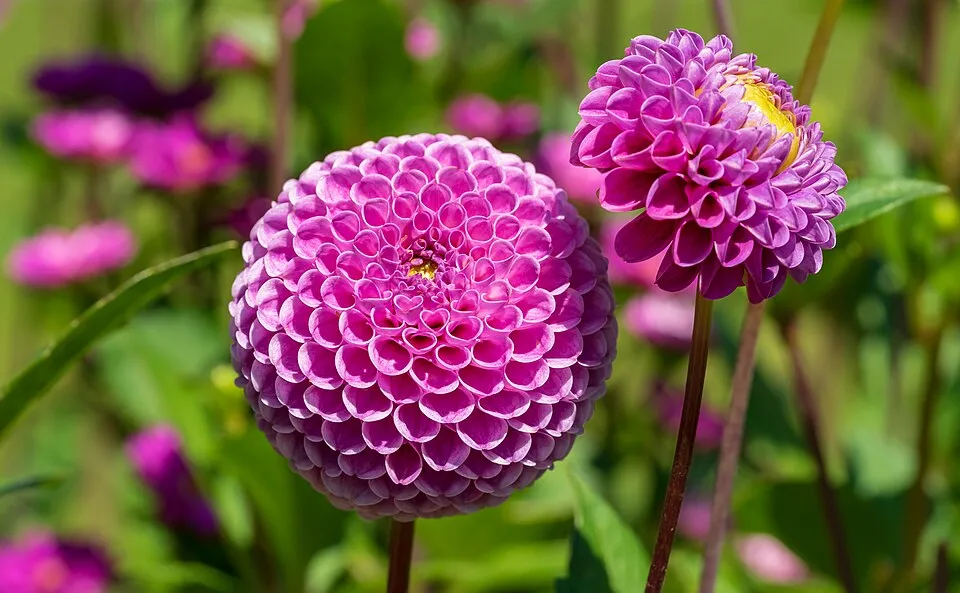
Dahlia Pompon, scientifically known as Dahlia Pompon and a cherished member of the Asteraceae family, is a captivating perennial flowering plant renowned for its distinctive, compact blooms. This variety is characterized by its bushy growth habit, typically reaching heights of 1 to 4 feet, depending on the cultivar and environmental conditions. Its dense foliage comprises somewhat lobed, dark green leaves that provide a lush backdrop to its vibrant flowers.
The 'pompon' designation refers to its unique, spherical or ball-shaped flowers, which feature tightly packed, incurved petals creating a perfectly rounded form. These exquisite blooms display a broad spectrum of colors, ranging from pure whites and sunny yellows to intense pinks, fiery reds, and deep purples, often with intriguing bicolors or blends.
Native to the highlands of central Mexico, Yucatan, and Guatemala, where its tubers were historically a vital food source and medicinal plant for pre-Columbian civilizations, Dahlia Pompon thrives in well-drained soil generously enriched with organic matter. This ensures adequate moisture retention without succumbing to waterlogging, crucial for healthy root development. For optimal growth and prolific flowering, the plant demands full sun exposure, requiring a minimum of six hours of direct sunlight daily.
Blooming from mid-summer through the first significant frost, it offers a continuous display of color, making it a popular choice for garden borders, container plantings, and as an exceptional cut flower. Beyond its ornamental appeal, Dahlia Pompon actively supports local biodiversity by attracting beneficial pollinators like butterflies and bees. Proper care involves consistent watering, especially during dry periods, and regular fertilization throughout the growing season to encourage robust foliage and abundant, long-lasting blooms.
Its striking appearance and relatively straightforward cultivation make Pompon Dahlias a favorite among gardeners worldwide.
Trusted Scientific References
1. Authoritative external sources for Dahlia Pompon
1.1 Wikipedia — Dahlia Pompon
1.2 Kew POWO (Plants of the World Online)
1.3 PubMed — peer-reviewed research
1.4 NCBI Taxonomy Browser
1.5 GBIF — Global Biodiversity
1.1.Dahlia Pompom — Standout Qualities
- ✓Botanical Name — Dahlia Pompon
- ✓Family — Asteraceae (Daisy family)
- ✓Common Names — Pompon Dahlia, Dahlia
- ✓Edible Parts — Tubers (historically consumed)
- ✓Medicinal Uses — Digestive aid, antimicrobial, antioxidant, anti-inflammatory, antidiabetic potential.
- ✓Key Compounds — Inulin, flavonoids, anthocyanins, phenolic acids, alkaloids.
- ✓Origin — Central Mexico, Yucatan, and Guatemala.
- ✓Growth Habit — Perennial, bushy, producing compact, ball-shaped flowers.
- ✓Bloom Time — Mid-summer through the first frost, offering extended color.
- ✓Ornamental Value — Highly prized for its striking appearance in gardens and as a cut flower.
1.2.Dahlia Pompom — In Brief
- ✓Ancient Food & Medicine — Valued by pre-Columbian cultures for its nutritious tubers and antibiotic properties.
- ✓Rich in Inulin — Tubers are a significant source of prebiotic fiber, supporting gut health and blood sugar.
- ✓Phytochemical Powerhouse — Flowers contain potent antioxidants (flavonoids, anthocyanins) and anti-inflammatory compounds.
- ✓Ornamental & Edible — A stunning garden plant with historical culinary uses, offering both beauty and potential health benefits.
- ✓Potential Antimicrobial — Tuber skin traditionally used for its compounds with antibiotic activity, warranting further study.
- ✓Exercise Caution — Limited modern research on medicinal efficacy and safety necessitates professional guidance for therapeutic use.
2.Dahlia Pompom — Taxonomic Classification
3.Dahlia Pompom — Botanical Stats
4.Dahlia Pompom — Morphological Account
5.Dahlia Pompom — Habitat & Distribution
6.Dahlia Pompom — Historical Applications
7.Dahlia Pompom — Bioactive Constituents
- ✓Inulin — A fructan polysaccharide, abundant in the tubers, acting as a prebiotic fiber that supports gut microbiota and aids in blood sugar regulation.
- ✓Carbohydrates — Primarily found in the tubers, providing a significant energy source and contributing to the plant's nutritional value.
- ✓Alkaloids — Nitrogen-containing organic compounds present in some plant parts, historically associated with antibiotic properties in the tuber skin.
- ✓Flavonoids — A diverse group of polyphenolic compounds, including quercetin glycosides, found in flowers and leaves, known for their potent antioxidant and anti-inflammatory activities.
- ✓Anthocyanins — Pigment molecules responsible for the vibrant colors of Dahlia flowers, exhibiting strong antioxidant effects and potential benefits for cardiovascular health.
- ✓Phenolic Acids — Such as chlorogenic acid, found in flowers and leaves, contributing to the plant's antioxidant, anti-inflammatory, and potentially antidiabetic properties.
- ✓Polyacetylenes — Lipophilic compounds found in roots and tubers, which have demonstrated a range of biological activities, including potential antimicrobial effects.
- ✓Saponins — Glycosides that can have immunomodulatory, anti-inflammatory, and cholesterol-lowering properties, present in various plant tissues.
- ✓Triterpenes — A class of naturally occurring compounds with potential anti-inflammatory and adaptogenic qualities, common in many Asteraceae species.
- ✓Vitamins and Minerals — The tubers and leaves contain essential micronutrients, contributing to the plant's overall nutritional profile.
8.Dahlia Pompom — Modern Studies
- ✓Digestive Health Support — Dahlia Pompon tubers are a rich source of inulin, a prebiotic fiber that nourishes beneficial gut bacteria, promoting a healthy digestive system and improved nutrient absorption.
- ✓Blood Sugar Regulation — The inulin content in Dahlia tubers can help moderate blood glucose levels by slowing carbohydrate absorption, offering potential benefits for blood sugar management.
- ✓Antimicrobial Properties — Historically, the skin of Dahlia tubers contained compounds valued for their antibiotic effects, traditionally used to combat minor infections and aid wound healing.
- ✓Antioxidant Protection — Dahlia flowers are rich in flavonoids and anthocyanins, potent antioxidants that neutralize free radicals, protecting cells from oxidative damage and supporting overall cellular health.
- ✓Anti-inflammatory Action — The phenolic acids and flavonoids present in Dahlia flowers exhibit anti-inflammatory effects, potentially alleviating symptoms associated with chronic inflammatory conditions.
- ✓Potential Antidiabetic Effects — Modern research indicates that extracts from Dahlia flowers may possess properties that contribute to antidiabetic effects, supporting further investigation into their role in metabolic health.
- ✓Nutritional Supplementation — The tubers' high inulin content makes them a valuable food supplement, particularly in subtropical regions, offering a source of dietary fiber and energy.
- ✓Traditional Wound Healing — Indigenous cultures historically applied preparations from the tuber skin to wounds, leveraging its perceived antibiotic qualities to prevent infection and facilitate healing.
- ✓General Wellness & Vitality — The diverse array of phytochemicals, including vitamins and minerals, contributes to overall well-being, enhancing the body's natural defense mechanisms.
- ✓Skin Health Benefits — The antioxidant and anti-inflammatory compounds can contribute to healthier skin by reducing oxidative stress and inflammation, potentially aiding in topical applications for skin irritation.
8.1.Dahlia Pompom — Health Applications
9.Dahlia Pompom — Precautions & Warnings
9.1.Dahlia Pompom — Caution Notes
- ✓Allergic Reactions — Contact dermatitis or skin irritation may occur in sensitive individuals, particularly from direct handling of sap.
- ✓Digestive Discomfort — High intake of inulin from tubers can lead to gastrointestinal upset, including gas, bloating, and abdominal cramps, especially in sensitive individuals.
- ✓Hypoglycemic Risk — Dahlia extracts may lower blood sugar levels, posing a risk for individuals with diabetes, especially if combined with antidiabetic medications.
- ✓Hypotensive Risk — Some compounds might have a mild hypotensive effect, which could interact with blood pressure-lowering medications.
- ✓Oral Irritation — Ingesting raw plant parts, especially in large quantities, might cause mild irritation to the mouth and throat.
- ✓Photosensitivity — While rare, some Asteraceae plants can induce photosensitivity; monitor for increased sun sensitivity after consumption or topical application.
- ✓Drug Interactions — Limited research means potential interactions with various prescription medications are not fully understood, necessitating caution.
9.2.Dahlia Pompom — Safety Profile
- ✓Pregnancy and Breastfeeding — Insufficient reliable information; pregnant or breastfeeding individuals should avoid medicinal use of Dahlia Pompon.
- ✓Children — Not recommended for internal medicinal use in children due to lack of comprehensive safety data specific to this demographic.
- ✓Diabetic Patients — Individuals with diabetes should use Dahlia Pompon products with extreme caution and under medical supervision due to potential blood sugar-lowering effects.
- ✓Individuals on Anticoagulants or Antihypertensives — Consult a healthcare provider before use, as Dahlia may interact with medications that affect blood clotting or blood pressure.
- ✓Allergy to Asteraceae Family — People with known allergies to other plants in the Asteraceae family (e.g., ragweed, marigolds, chrysanthemums) may experience cross-reactivity.
- ✓Raw Ingestion — Avoid consuming large quantities of raw tubers or leaves, as they may cause mild gastrointestinal distress or irritation.
- ✓Professional Medical Advice — Always seek guidance from a qualified healthcare professional or medical herbalist before using Dahlia Pompon for therapeutic purposes.
10.Dahlia Pompom — Preparation & Dosage
- ✓Culinary Preparation of Tubers — Historically, Dahlia tubers can be peeled, boiled, roasted, or fried as a nutritious vegetable, similar to potatoes, but with a unique sweet, earthy flavor.
- ✓Traditional Tuber Poultices — The skin of Dahlia tubers was traditionally crushed and applied as a poultice to minor wounds or skin infections, leveraging its perceived antibiotic properties.
- ✓Herbal Infusions from Flowers — Dried Dahlia flowers can be steeped in hot water to create an herbal infusion, consumed for its antioxidant and general wellness benefits.
- ✓Tincture Production — Alcoholic extracts (tinctures) can be prepared from Dahlia flowers or tubers to concentrate their active phytochemicals for more potent internal use.
- ✓Decoctions for Inulin Extraction — Dahlia tubers can be boiled to create a decoction, a method effective for extracting water-soluble compounds like inulin, consumed for digestive support.
- ✓Topical Compresses for Inflammation — Infusions or decoctions from Dahlia flowers or leaves can be cooled and used as topical compresses to soothe skin inflammation or irritation.
- ✓Dietary Fiber Supplementation — Processed inulin-rich extracts from Dahlia tubers can be incorporated into food products or taken as a dietary supplement for gut health.
- ✓Ornamental and Aromatherapy Use — Beyond medicinal applications, the vibrant flowers are used in floral arrangements and their subtle fragrance can contribute to sensory well-being.
11.Dahlia Pompom — Growing Guide
- ✓Soil Preparation — Plant in well-drained, fertile soil enriched with ample organic matter to ensure good aeration and moisture retention.
- ✓Sunlight Requirements — Ensure full sun exposure, meaning at least 6-8 hours of direct sunlight daily, for optimal flowering and growth.
- ✓Planting Tubers — Plant tubers horizontally 4-6 inches deep with the 'eye' pointing upwards, after the last spring frost when soil temperatures are consistently warm.
- ✓Watering Regimen — Provide consistent and deep watering, especially during dry spells and the flowering period, but avoid waterlogging.
- ✓Fertilization Schedule — Apply a balanced, low-nitrogen fertilizer every 3-4 weeks once plants are established, to encourage bloom production over excessive foliage.
- ✓Staking and Support — Taller Dahlia Pompon varieties may require staking or caging to support heavy blooms and prevent stems from breaking.
- ✓Deadheading Practices — Regularly remove spent flowers (deadhead) to promote continuous blooming and redirect plant energy into new flower development.
- ✓Winter Storage — In regions with cold winters (below USDA Zone 8), carefully dig up tubers after the first frost, clean, and store them in a cool, dark, and dry place over winter.
Reviewed by the Flora Medical Global Botanical Review Panel
Multi-disciplinary editorial group · Botany · Ethnobotany · Herbal-medicine literature
Who reviewed this: This page was checked by the Flora Medical Global Botanical Review Panel — an in-house editorial group of botany graduates, ethnobotany researchers, and horticulture practitioners who collectively maintain our 7,000+ plant encyclopedia. Meet the team.
Our 4-step verification process
1. Taxonomic verification
Scientific names and synonyms cross-checked against Kew POWO, World Flora Online, and The Plant List.
2. Phytochemical & medicinal cross-reference
Active compounds, traditional uses, and reported activities are cross-referenced with PubMed, USDA Dr. Duke's database, and peer-reviewed ethnobotanical literature.
3. Conservation & distribution check
Distribution, ecology, and conservation status confirmed against GBIF occurrence records and the IUCN Red List.
4. Editorial & safety review
Every entry passes an editorial pass for clarity, originality, and safety notices (toxicity, contraindications, dosage caveats) before publication.
Last reviewed:
Important medical disclaimer: This content is for educational and research purposes only. It is not medical advice and is not a substitute for consultation with a licensed healthcare provider. Do not use any herb to self-treat a medical condition without professional guidance.
Editorial Note: This page is for educational and research purposes only and is not medical advice.
Written by: Flora Medical Global Editorial Team
Reviewed by: Flora Medical Global Botanical Review Panel
Last Updated: June 15, 2026





Dahlia Pompom — Comments & Community Reviews
Rate this plant