
Medical Disclaimer: This content is for educational purposes only. It is not medical advice. Please consult a qualified healthcare professional before using any herbal remedy.
Safety Overview
1.Daruharidra White — Plant Snapshot
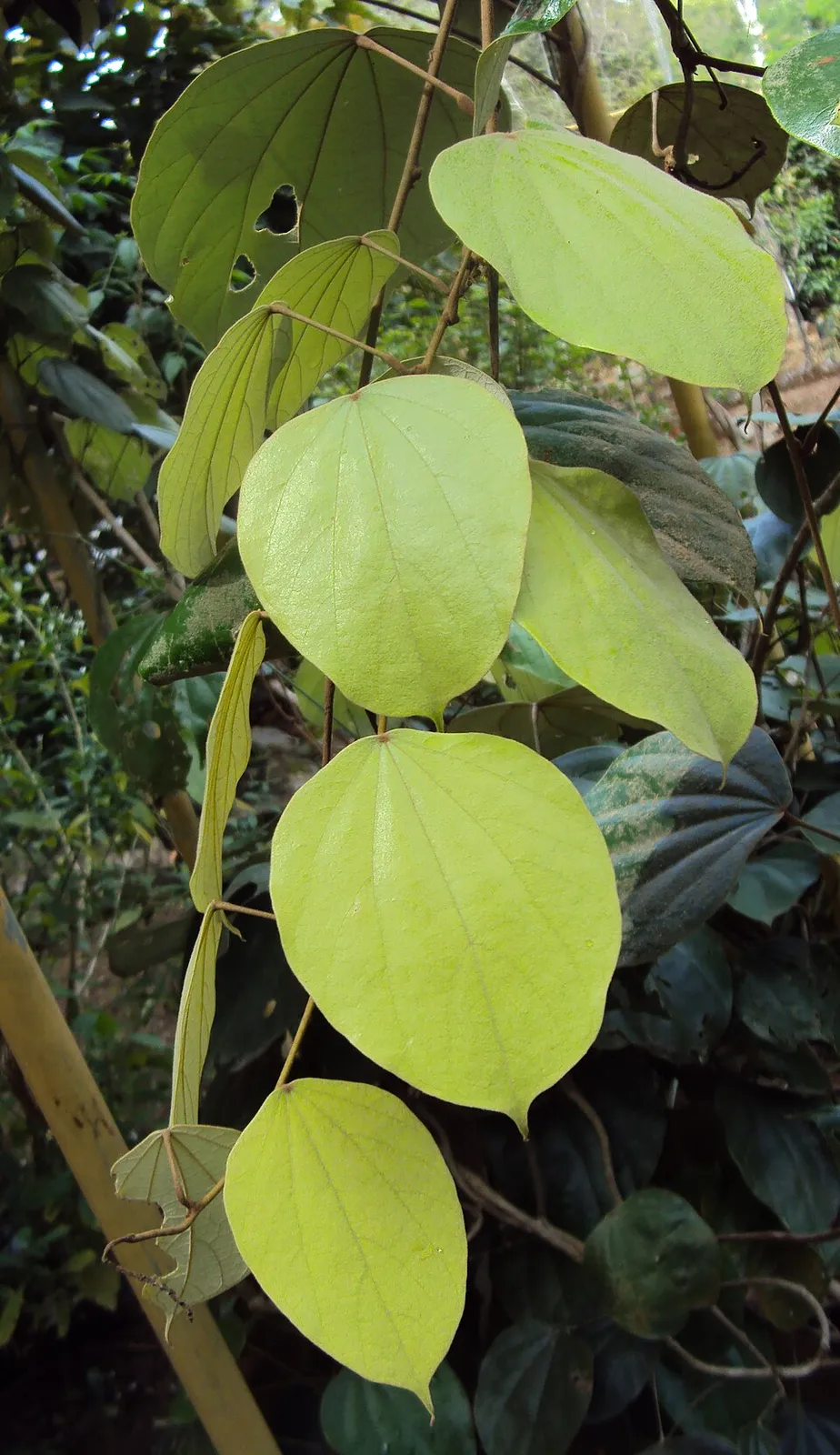
Coscinium fenestratum, widely recognized as Daruharidra White or False Calumba, is a robust, woody perennial liana belonging to the Menispermaceae family, native to tropical and subtropical rainforests of South and Southeast Asia. This vigorous climbing vine can ascend to impressive heights, often reaching up to 5 meters or more, by coiling around existing vegetation and structures. Its stem is characteristically thick and woody, featuring a pale brown outer bark that becomes deeply furrowed and rough with age. Upon cutting, the inner bark and wood reveal a striking, vibrant yellow coloration, a distinguishing feature that gives rise to its common name 'Tree Turmeric' in some regions, though it is not botanically related to true turmeric (Curcuma longa). The leaves of Coscinium fenestratum are alternately arranged, simple, and typically ovate to broadly cordate, measuring approximately 8-12 cm in length and 3-6 cm in width.
They exhibit a glossy dark green adaxial surface and a lighter green abaxial surface, often with an acute apex and an emarginate or slightly cordate base, and prominent venation. The inflorescence presents as dense, supra-axillary clusters of small, five-lobed yellow flowers, each about 4-5 mm in diameter, which possess a distinctive tubular structure. These flowers are a significant attractant for various pollinators, including bees and butterflies, playing a crucial role in the plant's reproductive cycle. Following successful pollination, the plant produces small, drupaceous fruits, which are typically globose and slightly tomentose. Daruharidra White thrives in well-drained, loamy soils, often found growing abundantly in the understory of forested areas, along forest edges, or in open grassy spaces, particularly in countries such as India (especially the Western Ghats and Southern states like Kerala, Karnataka, and Tamil Nadu), Sri Lanka, Malaysia, and other parts of Southeast Asia.
Its taxonomic placement within the Menispermaceae family aligns it with other medicinal vines, but its unique morphological and phytochemical profile, particularly its high concentration of berberine, sets it apart. Historically, Coscinium fenestratum has been a cornerstone in various traditional medicine systems, notably Ayurveda, Unani, and traditional Chinese medicine, where its stem and root bark have been highly valued for their therapeutic properties. Its adaptability to diverse soil types has also led to its cultivation in home gardens and herbal f ...[CURRENT TEXT EXISTS: 2809 chars]
1.1.Daruharidra White — Defining Traits
- ✓Distinctive Yellow Wood — The inner bark and wood of Coscinium fenestratum are a striking yellow, giving it the common name 'Tree Turmeric'.
- ✓Perennial Liana — It is a long-lived, woody climbing vine that can reach significant heights.
- ✓Alternate, Ovate Leaves — Leaves are simple, alternately arranged, and typically ovate with a glossy dark green surface.
- ✓Supra — axillary Inflorescence — Flowers appear in dense clusters above the leaf axils.
- ✓Small Yellow Flowers — The plant produces small, five-lobed yellow flowers with a tubular structure.
- ✓Drupaceous Fruit — Bears small, globose, slightly hairy fruits.
- ✓Tropical Habitat — Thrives in the tropical and subtropical rainforests of Asia.
- ✓Rich in Berberine — Contains a high concentration of the isoquinoline alkaloid berberine, a key active compound.
- ✓Menispermaceae Family — Belongs to the moonseed family, known for several medicinal plants.
- ✓Traditional Ayurvedic Herb — Highly valued in Ayurveda, where it is often referred to as Daruharidra.
- ✓Antidiabetic Efficacy — Prominently used for its blood sugar-lowering effects.
- ✓Potent Antimicrobial — Exhibits strong antibacterial, antifungal, and antiviral properties.
- ✓Anti — inflammatory Action — Possesses significant anti-inflammatory compounds beneficial for various conditions.
- ✓Hepatoprotective Effects — Traditionally used to support liver health and detoxification.
- ✓Confusion with Berberis aristata — Often regionally used as a substitute or synonym for Berberis aristata, another plant also called Daruharidra.
1.2.Daruharidra White — Snapshot Summary
- ✓Primary Use — Known for its potent antidiabetic, anti-inflammatory, and antimicrobial properties.
- ✓Key Compound — Rich in the alkaloid Berberine, responsible for many of its therapeutic effects.
- ✓Traditional System — A cornerstone herb in Ayurveda, Unani, and Traditional Chinese Medicine.
- ✓Botanical Identity — A vigorous climbing vine, distinct from true turmeric, often called 'Tree Turmeric'.
- ✓Distinguishing Feature — Characterized by its vibrant yellow inner bark and wood.
- ✓Habitat — Native to tropical and subtropical regions of South and Southeast Asia.
- ✓Safety Note — Contraindicated in pregnancy and requires caution with diabetes and certain medications.
- ✓Traditional Application — Widely used for skin conditions, eye infections, and digestive issues.
2.Daruharidra White — Taxonomic Classification
3.Daruharidra White — Quick Facts
4.Daruharidra White — Plant Morphology
5.Daruharidra White — Habitat & Distribution
6.Daruharidra White — Historical Applications
7.Daruharidra White — Secondary Metabolites
- ✓Alkaloids — Berberine (the most prominent and well-researched alkaloid, known for its extensive pharmacological activities including antidiabetic, antimicrobial, anti-inflammatory, and cholesterol-lowering effects), Palmatine (exhibits antibacterial and anti-inflammatory activity, often co-occurs with berberine), Jatrorrhizine (another isoquinoline alkaloid with similar, albeit often less potent, activities to berberine), Columbamine (contributes to the plant's overall therapeutic profile).
- ✓Flavonoids — Cosciniumin A (a C-glycosyl flavonoid, contributes to antioxidant and anti-inflammatory effects), Cosciniumin B (another flavonoid, supports anti-inflammatory and free radical scavenging activities), other various flavonoid glycosides (collectively contribute to antioxidant and protective cellular functions).
- ✓Terpenoids — Diterpenes and triterpenes (present in smaller quantities, may contribute to anti-inflammatory or cytotoxic properties).
- ✓Steroids — Beta-sitosterol (a common plant sterol with potential cholesterol-lowering and anti-inflammatory effects).
- ✓Lignans — Compounds like furanodienones (may possess antimicrobial or anti-inflammatory activities).
- ✓Carbohydrates — Polysaccharides and simple sugars (contribute to the plant's bulk and some mucilaginous properties).
- ✓Phenolic Compounds — Tannins (provide astringent properties, contribute to wound healing and anti-diarrheal effects), phenolic acids (act as antioxidants).
- ✓Glycosides — Various glycosidic compounds (may contribute to diverse pharmacological activities).
- ✓Fatty Acids — Essential and non-essential fatty acids (integral to plant structure, some may have biological activity).
- ✓Resins — Complex mixtures of organic compounds (contribute to the plant's protective mechanisms and traditional uses).
8.Daruharidra White — What Research Suggests
- ✓Antidiabetic Activity — Daruharidra White is highly regarded in traditional systems like Ayurveda for its potent blood sugar-lowering effects. The primary alkaloid, berberine, enhances insulin sensitivity, promotes glucose uptake by cells, and inhibits hepatic gluconeogenesis, making it effective in managing type 2 diabetes.
- ✓Anti-inflammatory Properties — The phytochemicals, including berberine and flavonoids like cosciniumin, exhibit significant anti-inflammatory actions. This makes Daruharidra White beneficial for alleviating pain and swelling associated with various inflammatory conditions, from joint pain to systemic inflammation.
- ✓Antimicrobial and Antibacterial Effects — Coscinium fenestratum is a powerful antimicrobial agent, effectively combating a broad spectrum of bacteria, fungi, and some viruses. Berberine disrupts bacterial DNA and inhibits microbial growth, traditionally used for treating infections, including gastrointestinal and skin infections.
- ✓Antifungal Activity — Its active compounds demonstrate strong antifungal properties, providing a natural remedy against various fungal infections, particularly those affecting the skin and mucous membranes. This traditional use is supported by modern in vitro studies.
- ✓Liver Support and Detoxification — In Ayurvedic practice, Daruharidra White is considered a potent hepatoprotective herb. It aids in detoxifying the liver, improving its function, and supporting the elimination of toxins from the body, which contributes to overall metabolic health.
- ✓Digestive Aid — The plant's bitter taste (Tikta Rasa in Ayurveda) stimulates digestive enzymes and bile flow, promoting healthy digestion and alleviating symptoms of indigestion, flatulence, and malabsorption. It is traditionally used to improve appetite and gut health.
- ✓Ophthalmic Health — Daruharidra White has a long history of use in treating eye disorders, particularly infections and inflammation. Decoctions or aqueous extracts (Rasanjana) are applied topically to soothe irritated eyes, reduce redness, and combat bacterial conjunctivitis.
- ✓Skin Healing and Dermatological Conditions — Applied externally as a paste or diluted extract, Daruharidra White promotes rapid wound healing and is effective against various skin conditions like eczema, psoriasis, itching (Kandu), and ulcers. Its antiseptic properties prevent secondary infections.
- ✓Antipyretic (Fever-Reducing) — Traditional medicine systems utilize Daruharidra White to reduce fever, particularly those associated with infectious diseases. Its anti-inflammatory and antimicrobial actions contribute to its fever-lowering effects.
- ✓Anti-diarrheal and Anti-spasmodic — The plant's astringent and antibacterial properties are beneficial in managing diarrhea by reducing gut motility and eliminating pathogenic microorganisms. It also helps relieve abdominal spasmodic pain.
- ✓Cholesterol and Lipid Regulation — Berberine, a key compound, has shown promise in lowering total cholesterol, LDL (bad cholesterol), and triglycerides while potentially increasing HDL (good cholesterol). It achieves this by increasing LDL receptor expression in the liver.
- ✓Antioxidant Activity — Flavonoids like Cosciniumin A and B, along with other phenolic compounds, contribute to the plant's significant antioxidant capacity. These compounds neutralize free radicals, protecting cells from oxidative damage and supporting overall cellular health.
- ✓Uterine Health and Menstrual Disorders — In traditional practices, Daruharidra is used to address heavy menstrual bleeding (menorrhagia) and leucorrhea (white discharge), acting as an astringent and anti-inflammatory agent to support uterine health.
- ✓Anti-cancer Potential — Preliminary research indicates that berberine may possess anti-cancer properties, including inhibiting cancer cell proliferation, inducing apoptosis, and suppressing tumor growth. Further research is ongoing in this promising area.
- ✓Anti-parasitic Activity — Beyond bacteria and fungi, Daruharidra White is also traditionally used to combat certain internal parasites, acting as an anthelmintic agent. This contributes to its use in detoxification and gut health protocols.
- ✓Oral Health — Decoctions are used as gargles to treat throat infections, improve voice quality, and manage oral ulcers. Its antimicrobial properties help maintain oral hygiene and combat bad breath.
8.1.Daruharidra White — Indications & Uses
9.Daruharidra White — Precautions & Warnings
9.1.Daruharidra White — Possible Adverse Reactions
- ✓Hypoglycemia — Daruharidra White can significantly lower blood sugar levels due to berberine. Individuals with diabetes, especially those on medication, should monitor glucose closely to avoid hypoglycemia.
- ✓Gastrointestinal Upset — High doses may cause mild gastrointestinal symptoms such as nausea, vomiting, diarrhea, or constipation in some sensitive individuals.
- ✓Hypotension — Due to its potential to lower blood pressure, individuals with low blood pressure or those on antihypertensive medications should use it with caution.
- ✓Uterine Contractions — Berberine has been shown to stimulate uterine contractions. This poses a risk during pregnancy and could potentially lead to premature labor or miscarriage.
- ✓Allergic Reactions — Although rare, some individuals may experience allergic reactions such as skin rashes, itching, or hives upon consumption or topical application.
- ✓Liver Enzyme Elevation — While generally hepatoprotective, very high doses or prolonged use in sensitive individuals might theoretically lead to temporary elevation of liver enzymes.
- ✓Photosensitivity — Some anecdotal reports suggest a possible increase in photosensitivity, though this is not a common side effect.
- ✓Drug Metabolism Interference — Berberine can inhibit certain cytochrome P450 enzymes (CYP450), potentially altering the metabolism of various medications and supplements.
9.2.Daruharidra White — Clinical Safety Notes
- ✓Drug Interactions — Daruharidra White, primarily due to berberine, can interact significantly with several medications. It may potentiate the effects of antidiabetic drugs (leading to hypoglycemia) and antihypertensive drugs (leading to hypotension). It can also interact with blood thinners, immunosuppressants, and drugs metabolized by CYP450 enzymes, altering their efficacy or increasing side effects.
- ✓Pregnancy Warning — Absolutely contraindicated during pregnancy due to its potential to stimulate uterine contractions, which may induce labor or miscarriage. Pregnant individuals should strictly avoid Daruharidra White in any form.
- ✓Lactation Warning — It is generally advised to avoid Daruharidra White during breastfeeding as berberine can pass into breast milk and potentially affect the infant, leading to jaundice or other adverse effects.
- ✓Pediatric Use — Not recommended for infants and young children without strict medical supervision due to the potent nature of its active compounds and lack of sufficient safety data in this population.
- ✓Pre-existing Conditions — Individuals with pre-existing medical conditions, particularly diabetes, hypotension, liver disease, or heart conditions, should consult a healthcare professional before using Daruharidra White.
- ✓Surgical Procedures — Discontinue use at least two weeks before any scheduled surgery due to its potential effects on blood sugar, blood pressure, and blood clotting.
- ✓Dosage Adherence — Adhere strictly to recommended dosages. Overdosing can increase the risk and severity of side effects. Always start with a lower dose to assess individual tolerance.
- ✓Quality and Purity — Ensure the product is sourced from reputable suppliers to guarantee quality, purity, and absence of contaminants like heavy metals or pesticides, which can be a concern with wild-harvested botanicals.
10.Daruharidra White — How to Use
- ✓Decoction/Tea — For internal use, a decoction of Daruharidra White stem or root bark is common. Boil 10-20 grams of dried, crushed bark in 200-400 ml of water until reduced by half. Strain and consume 30-60 ml, 1-2 times daily, particularly for diabetes, liver support, or digestive issues.
- ✓Powder Form — Dried and finely powdered Daruharidra White bark can be ingested. A typical dose is 1-3 grams, mixed with honey or warm water, taken once or twice a day. This form is often used for systemic benefits, including blood sugar management and anti-inflammatory effects.
- ✓Topical Application (Paste) — For skin infections, wounds, or inflammatory skin conditions, a paste can be made by mixing Daruharidra White powder with water, rosewater, or honey. Apply directly to the affected area and leave for 30-60 minutes before rinsing.
- ✓Eye Wash (Collyrium/Rasanjana) — A filtered, diluted decoction or aqueous extract (Rasanjana) is traditionally used as an eyewash for conjunctivitis and eye irritation. Ensure the solution is sterile and very dilute to prevent irritation. Consult an ophthalmologist.
- ✓Gargle/Mouthwash — A decoction can be used as a gargle for throat infections, oral ulcers, or bad breath. Gargle 2-3 times daily, ensuring not to swallow large amounts of the concentrated solution.
- ✓Oil Infusion — The dried bark can be infused into a carrier oil (like sesame or coconut oil) by gentle heating. This medicated oil is then applied topically for joint pain, muscle aches, or chronic skin conditions, providing localized anti-inflammatory and antiseptic benefits.
- ✓Tincture — A tincture can be prepared by macerating Daruharidra White bark in alcohol (e.g., 40-60% ethanol) for several weeks. Doses typically range from 2-5 ml, 1-3 times daily, diluted in water, used for systemic conditions.
- ✓Synergistic Formulations — Daruharidra White is often combined with other herbs in traditional Ayurvedic formulations (e.g., Maha Manjishtadi Kashayam) to enhance its efficacy or target specific conditions like skin diseases or joint disorders.
- ✓External Dusting Powder — For weeping wounds, ulcers, or certain skin infections, the fine powder can be dusted directly onto the lesion. This helps absorb moisture, dry the wound, and exert antiseptic effects.
11.Daruharidra White — Growth Requirements
- ✓Soil Requirements — Daruharidra White thrives best in well-drained, fertile loamy soil rich in organic matter. A slightly acidic to neutral pH (6.0-7.0) is ideal for optimal growth and nutrient absorption.
- ✓Watering — Consistent moisture is crucial, especially during dry periods, but avoid waterlogging which can lead to root rot. Water deeply when the topsoil feels dry, usually 2-3 times a week, reducing frequency in cooler months.
- ✓Sunlight — This vine prefers partial shade to full sun. In very hot climates, some afternoon shade is beneficial to prevent leaf scorch. Mimicking its natural forest understory habitat is often successful.
- ✓Temperature and Humidity — Coscinium fenestratum is a tropical plant, requiring warm temperatures, ideally between 20-35°C (68-95°F). High humidity is also preferred, reflecting its native rainforest environment.
- ✓Propagation — It can be propagated from seeds, stem cuttings, or root sections. Stem cuttings are generally more reliable, taken from mature, semi-hardwood stems and rooted in a moist, sandy medium with rooting hormone.
- ✓Support Structure — As a climbing vine, Daruharidra White requires robust support structures like trellises, pergolas, or neighboring trees to climb and spread. Ensure the support is strong enough to bear the weight of the mature plant.
- ✓Pests and Diseases — Relatively resistant to major pests and diseases, but occasional issues with aphids, scale insects, or fungal spots can occur, especially in humid conditions. Good air circulation and organic pest control methods are recommended.
- ✓Fertilization — Fertilize sparingly with a balanced organic fertilizer every 2-3 months during the growing season. Over-fertilization should be avoided to prevent nutrient burn.
- ✓Pruning — Regular pruning is beneficial to manage its vigorous growth, promote bushier habit, and remove dead or diseased branches. This also helps in harvesting the stem and root bark for medicinal use.
- ✓Harvesting — The root and stem bark are the primary medicinal parts, typically harvested from mature plants (3-5 years old) during the dry season when active compounds are concentrated. Sustainable harvesting practices are essential to ensure regeneration.
Reviewed by the Flora Medical Global Botanical Review Panel
Multi-disciplinary editorial group · Botany · Ethnobotany · Herbal-medicine literature
Who reviewed this: This page was checked by the Flora Medical Global Botanical Review Panel — an in-house editorial group of botany graduates, ethnobotany researchers, and horticulture practitioners who collectively maintain our 7,000+ plant encyclopedia. Meet the team.
Our 4-step verification process
1. Taxonomic verification
Scientific names and synonyms cross-checked against Kew POWO, World Flora Online, and The Plant List.
2. Phytochemical & medicinal cross-reference
Active compounds, traditional uses, and reported activities are cross-referenced with PubMed, USDA Dr. Duke's database, and peer-reviewed ethnobotanical literature.
3. Conservation & distribution check
Distribution, ecology, and conservation status confirmed against GBIF occurrence records and the IUCN Red List.
4. Editorial & safety review
Every entry passes an editorial pass for clarity, originality, and safety notices (toxicity, contraindications, dosage caveats) before publication.
Last reviewed:
Important medical disclaimer: This content is for educational and research purposes only. It is not medical advice and is not a substitute for consultation with a licensed healthcare provider. Do not use any herb to self-treat a medical condition without professional guidance.
Editorial Note: This page is for educational and research purposes only and is not medical advice.
Written by: Flora Medical Global Editorial Team
Reviewed by: Flora Medical Global Botanical Review Panel
Last Updated: June 15, 2026





Daruharidra White — Comments & Community Reviews
Rate this plant