
Medical Disclaimer: This content is for educational purposes only. It is not medical advice. Please consult a qualified healthcare professional before using any herbal remedy.
Safety Overview
1.Dasylirion Wheeleri — At a Glance
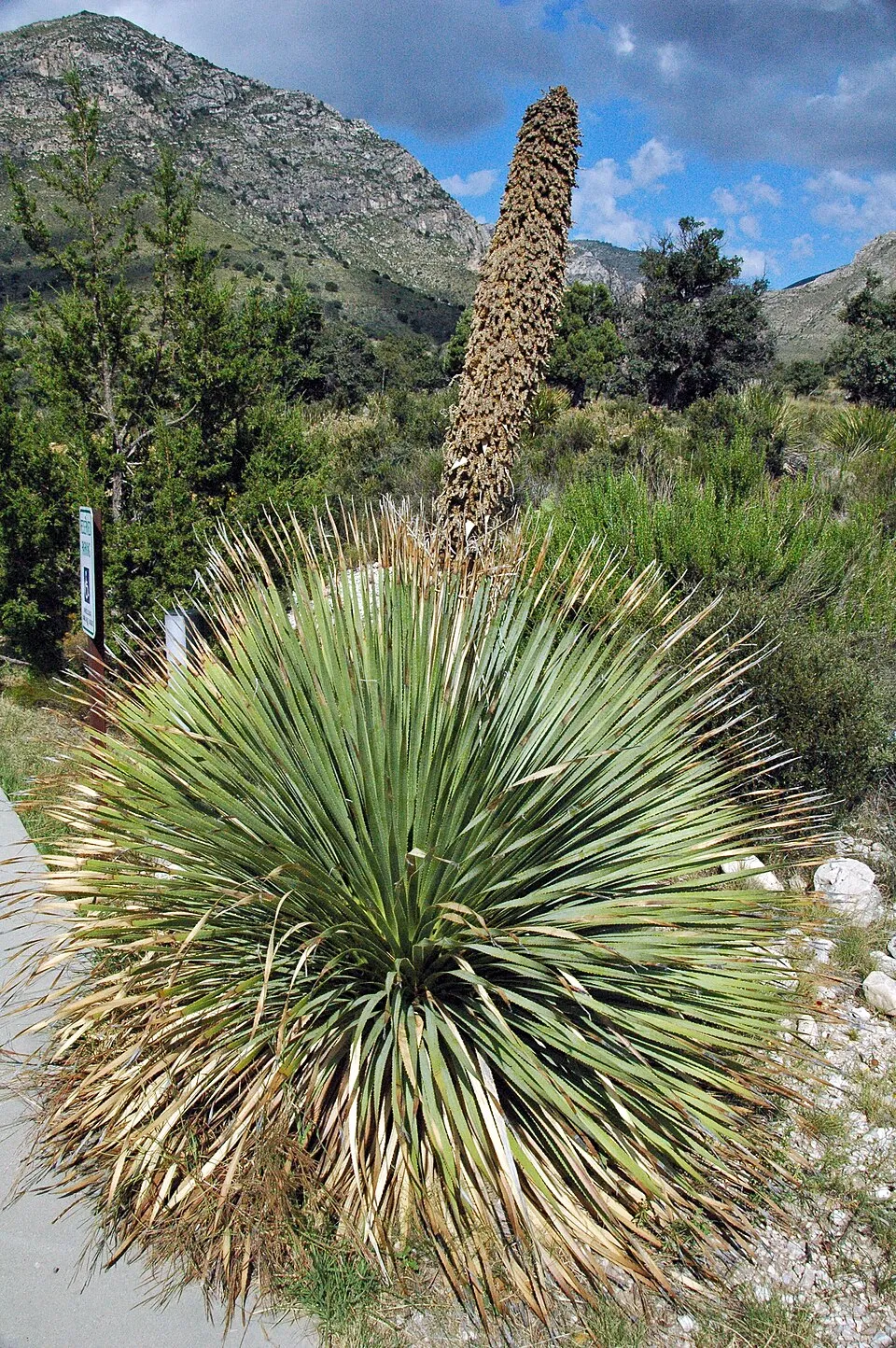
Dasylirion wheeleri, commonly known as common sotol or desert spoon, is a striking, large native desert leaf succulent shrub belonging to the Asparagaceae family (historically classified under Nolinaceae or Agavaceae). This resilient perennial forms a dense basal clump of slender, sword-like leaves, each typically 0.8 to 1.6 inches (2-4 cm) wide at the base and notably edged with sharp, marginal prickles. The plant develops a short, woody trunk, which can be partially buried or rise up to 3 feet (0.91 m) above ground.
Its most dramatic feature is a towering, central inflorescence, a long terminal panicle that can reach an impressive 6 to 17 feet (1.8-5.2 m) in height, bearing thousands of tiny, inconspicuous flowers. Dasylirion wheeleri is a dioecious species, meaning individual plants are either male or female, with the female plants producing small, three-winged capsules containing the seeds.
Native to the arid and semi-arid regions of the southwestern United States and Mexico, Dasylirion wheeleri thrives across western Texas, southern Arizona, and New Mexico, extending into parts of Mexico. Its distribution in Arizona spans from the Mazatzal and Quivari mountains to Greenlee and Cochise counties, while in New Mexico, it is found along the Gila River and Rio Grande drainages, reaching eastward to White Mountain in Lincoln County. In Texas, it is prevalent in the Trans-Pecos region and western Edwards Plateau.
This plant typically inhabits hillsides and slopes within chaparral, desert and semidesert grasslands, and southwestern oak woodland communities, at elevations ranging from 3,000 to 5,000 feet (914-1,524 m). It prefers shallow, rocky, or gravelly soils with excellent drainage, often found on limestone and granite substrates, and is well-adapted to conditions where subsurface water is generally scarce.
Trusted Scientific References
1. Authoritative external sources for Dasylirion Wheeleri
1.1 Wikipedia — Dasylirion Wheeleri
1.2 Kew POWO (Plants of the World Online)
1.3 PubMed — peer-reviewed research
1.4 NCBI Taxonomy Browser
1.5 GBIF — Global Biodiversity
1.1.Dasylirion Wheeleri — Highlights
- ✓Botanical Name — Dasylirion wheeleri S. Wats.
- ✓Common Names — Common sotol, desert spoon, spoon-flower, Wheeler sotol.
- ✓Family — Asparagaceae (formerly Nolinaceae or Agavaceae).
- ✓Growth Habit — Large, succulent, perennial shrub forming dense basal clumps.
- ✓Distinctive Foliage — Slender, sword-like leaves with characteristic marginal prickles.
- ✓Impressive Inflorescence — Produces a tall, central flowering stalk up to 17 feet high.
- ✓Native Range — Arid and semi-arid regions of western Texas, New Mexico, Arizona, and Mexico.
- ✓Ecological Role — Important browse and cover for bighorn sheep and other native wildlife.
- ✓Traditional Uses — Source of the alcoholic beverage 'sotol,' fiber for crafts, and emergency livestock feed.
- ✓Xeriscape Plant — Highly prized for its extreme drought tolerance and architectural beauty in dryland landscaping.
1.2.Dasylirion Wheeleri — Quick Summary
- ✓Dasylirion wheeleri is a resilient desert succulent shrub native to the Southwestern US and Mexico.
- ✓Valued historically for its traditional 'sotol' alcoholic beverage and versatile fibrous materials.
- ✓Highly drought-tolerant, it thrives in rocky, well-drained soils and high-desert elevations.
- ✓Serves as crucial fodder for livestock during droughts and a prominent ornamental in xeriscaping.
- ✓Lacks extensive modern medicinal research; its primary significance lies in cultural and utilitarian applications.
2.Dasylirion Wheeleri — Scientific Identity
3.Dasylirion Wheeleri — Vital Statistics
4.Dasylirion Wheeleri — Botanical Description
5.Dasylirion Wheeleri — Native Range & Habitat
6.Dasylirion Wheeleri — Traditional Uses
7.Dasylirion Wheeleri — Chemical Profile
- ✓Given the limited specific ethnobotanical and phytochemical research on Dasylirion wheeleri documented in available sources, a detailed list of identified chemical constituents with specific actions is not extensively reported. However, as a member of the broader Asparagaceae family, and based on its succulent nature and traditional uses, it is likely to contain general classes of compounds common to desert plants:
- ✓Saponins — These foam-forming glycosides are often present in desert succulents and may contribute to plant defense mechanisms against herbivores and pathogens.
- ✓Steroidal Glycosides — Compounds structurally related to animal steroids, which can play roles in plant metabolism, growth regulation, and potentially exert biological activities.
- ✓Flavonoids — A diverse group of polyphenolic compounds widely distributed in plants, typically functioning as potent antioxidants, UV protectants, and plant pigments.
- ✓Polysaccharides — Complex carbohydrates that form structural components of the plant and serve as energy reserves, potentially offering immunomodulatory or prebiotic effects.
- ✓Sugars (Fructans) — Given the 'sugary trunks' used for fodder and fermentation, various simple sugars and fructans are likely abundant as readily available energy sources.
- ✓Fibrous Carboxylates — Essential structural components like cellulose and lignin, responsible for the plant's rigidity and durability, crucial for its use in crafts and paper.
- ✓Volatile Organic Compounds (VOCs) — While not specifically identified, many plants, including some succulents, produce VOCs for communication, defense, or pollinator attraction.
- ✓Minerals and Trace Elements — As with all living organisms, the plant accumulates essential minerals and trace elements from its rocky and gravelly soil environment.
8.Dasylirion Wheeleri — Evidence-Based Benefits
- ✓Traditional Fermentation — Historically, indigenous peoples and Mexicans utilized the roasted flower head to produce 'sotol,' an alcoholic beverage, a practice rooted in ancient cultural traditions.
- ✓Livestock Sustenance — The sugary trunks and leaf bases provide a crucial emergency food source for cattle, particularly during severe drought conditions in arid regions.
- ✓Handicraft Material — Its tough, fibrous leaves are a valuable natural resource, meticulously processed and woven into durable mats, baskets, and ropes for various utilitarian purposes.
- ✓Construction & Utility — The robust leaves have been traditionally employed as an effective natural thatch for roofing and shelter, contributing to sustainable building practices.
- ✓Paper Manufacturing — The high fiber content of the leaves makes Dasylirion wheeleri a historical and potential future source material for paper production.
- ✓Ornamental Value — Cultivated extensively in xeriscape and arid landscape designs for its unique architectural form, striking silhouette, and extreme drought tolerance.
- ✓Ecological Support — Provides significant cover and browse for various wildlife species, including bighorn sheep, contributing to biodiversity in its native ecosystems.
- ✓Cultural Heritage — Represents a significant plant in the cultural identity and traditions of its native regions, embodying historical practices of resourcefulness and adaptation.
- ✓Drought Resilience — Its inherent ability to thrive in harsh, arid conditions makes it a sustainable resource and a model for survival in challenging environments.
- ✓Soil Stabilization — Its robust root system helps anchor soils on hillsides and slopes, contributing to erosion control in fragile desert ecosystems.
8.1.Dasylirion Wheeleri — Conditions Traditionally Used For
9.Dasylirion Wheeleri — Cautions & Contraindications
9.1.Dasylirion Wheeleri — Possible Adverse Reactions
- ✓Allergic Reactions — While not widely documented, individuals may experience contact dermatitis or other allergic reactions from handling the plant's sap or consuming its products.
- ✓Gastrointestinal Discomfort — Ingestion of raw or improperly prepared plant parts might lead to digestive upset, nausea, or irritation due to potential natural compounds or fibrous texture.
- ✓Mechanical Injury — The sharp, marginal prickles on the leaves pose a significant risk of cuts, punctures, or skin irritation during handling, harvesting, or close contact.
- ✓Alcohol-Related Effects — Overconsumption of the distilled 'sotol' beverage can lead to severe intoxication, dehydration, hangover symptoms, and other health risks associated with ethanol.
- ✓Lack of Data — Comprehensive scientific data on specific side effects from direct consumption of Dasylirion wheeleri plant material in humans is not extensively available in modern literature.
- ✓Potential Toxin Buildup — As with many wild plants, improper preparation or consuming parts not traditionally used could lead to exposure to unknown or concentrated plant compounds.
9.2.Dasylirion Wheeleri — Safety Profile
- ✓Prickly Leaves — Always exercise extreme caution when handling Dasylirion wheeleri due to its sharp, marginal leaf prickles; protective gloves and clothing are highly recommended.
- ✓Alcohol Consumption — The traditional 'sotol' beverage is alcoholic; consumption should be responsible, moderate, and adhere strictly to legal age and quantity restrictions.
- ✓Pregnancy and Lactation — Due to a significant lack of scientific research regarding its effects, pregnant and lactating individuals should completely avoid consuming any Dasylirion wheeleri preparations.
- ✓Children and Pets — Keep all raw plant material and any derived products, especially alcoholic beverages, well out of reach of children and domestic animals.
- ✓Limited Research — The safety profile for internal consumption of Dasylirion wheeleri plant parts is not well-established or extensively documented in modern scientific literature.
- ✓Traditional Preparation — If considering traditional consumption methods, ensure they are followed precisely, as improper preparation may fail to neutralize potential irritants or undesirable compounds.
- ✓Consultation — Individuals with pre-existing health conditions or those on medication should consult a healthcare professional before considering any internal use of Dasylirion wheeleri.
10.Dasylirion Wheeleri — Usage Guide
- ✓Traditional Sotol Production — The plant's central meristematic core, often referred to as the 'heart' or flower head, is traditionally harvested, roasted in underground pits for about 24 hours, and then its expressed juice is distilled to create the alcoholic beverage known as 'sotol'.
- ✓Fiber Crafting — The tough, fibrous leaves of Dasylirion wheeleri are meticulously processed and woven by artisans to create a variety of durable goods, including mats, baskets, and ropes.
- ✓Thatching Material — Historically, the robust and water-resistant leaves have been utilized as a natural and effective material for roofing and thatch in traditional dwellings.
- ✓Paper Manufacturing — Due to its high fibrous content, the plant's leaves have been explored for their potential in paper production, showcasing its versatility as a material source.
- ✓Ornamental Gardening — Widely cultivated as a distinctive architectural plant in xeriscapes and arid gardens, valued for its unique form, low water requirements, and striking appearance.
- ✓Dried Floral Arrangements — The broad, spoon-like leaf bases, which give the plant one of its common names 'desert spoon,' are often harvested and incorporated into dried floral and botanical arrangements for their aesthetic appeal and durability.
- ✓Livestock Fodder — During periods of severe drought, the sugary trunks and leaf bases are prepared, sometimes by burning off the sharp leaves or splitting the flower stalks, to provide essential emergency feed for cattle and other livestock.
11.Dasylirion Wheeleri — How to Grow
- ✓Seed Propagation — Dasylirion wheeleri can be easily propagated from seed, which is typically encased in a three-winged capsule; cold stratification may enhance germination rates.
- ✓Vegetative Reproduction — The plant effectively reproduces vegetatively by sprouting from its thick, woody, and often subterranean caudex, enabling rapid regrowth after disturbance.
- ✓Soil Requirements — Thrives in well-drained, shallow, rocky, or gravelly soils, showing a particular preference for limestone and granite substrates.
- ✓Water Management — Highly drought-tolerant once established, requiring minimal to no supplemental irrigation, making it an ideal choice for xeriscaping.
- ✓Light Exposure — Prefers full sun exposure for optimal growth, mimicking its natural habitat on open hillsides and desert plains.
- ✓Temperature Tolerance — Exhibits good cold tolerance, adapting well to the significant temperature fluctuations characteristic of its native high desert elevations.
- ✓Planting Location — Best situated on hillsides, slopes, or elevated garden beds to ensure excellent drainage and prevent waterlogging, which can be detrimental to succulents.
- ✓Growth Rate — Generally a slow-growing plant, especially when young, but can achieve significant size and develop its characteristic trunk over many years.
Reviewed by the Flora Medical Global Botanical Review Panel
Multi-disciplinary editorial group · Botany · Ethnobotany · Herbal-medicine literature
Who reviewed this: This page was checked by the Flora Medical Global Botanical Review Panel — an in-house editorial group of botany graduates, ethnobotany researchers, and horticulture practitioners who collectively maintain our 7,000+ plant encyclopedia. Meet the team.
Our 4-step verification process
1. Taxonomic verification
Scientific names and synonyms cross-checked against Kew POWO, World Flora Online, and The Plant List.
2. Phytochemical & medicinal cross-reference
Active compounds, traditional uses, and reported activities are cross-referenced with PubMed, USDA Dr. Duke's database, and peer-reviewed ethnobotanical literature.
3. Conservation & distribution check
Distribution, ecology, and conservation status confirmed against GBIF occurrence records and the IUCN Red List.
4. Editorial & safety review
Every entry passes an editorial pass for clarity, originality, and safety notices (toxicity, contraindications, dosage caveats) before publication.
Last reviewed:
Important medical disclaimer: This content is for educational and research purposes only. It is not medical advice and is not a substitute for consultation with a licensed healthcare provider. Do not use any herb to self-treat a medical condition without professional guidance.
Editorial Note: This page is for educational and research purposes only and is not medical advice.
Written by: Flora Medical Global Editorial Team
Reviewed by: Flora Medical Global Botanical Review Panel
Last Updated: June 15, 2026





Dasylirion Wheeleri — Comments & Community Reviews
Rate this plant