
Medical Disclaimer: This content is for educational purposes only. It is not medical advice. Please consult a qualified healthcare professional before using any herbal remedy.
Safety Overview
1.Davallia Fejeensis — Plant Snapshot
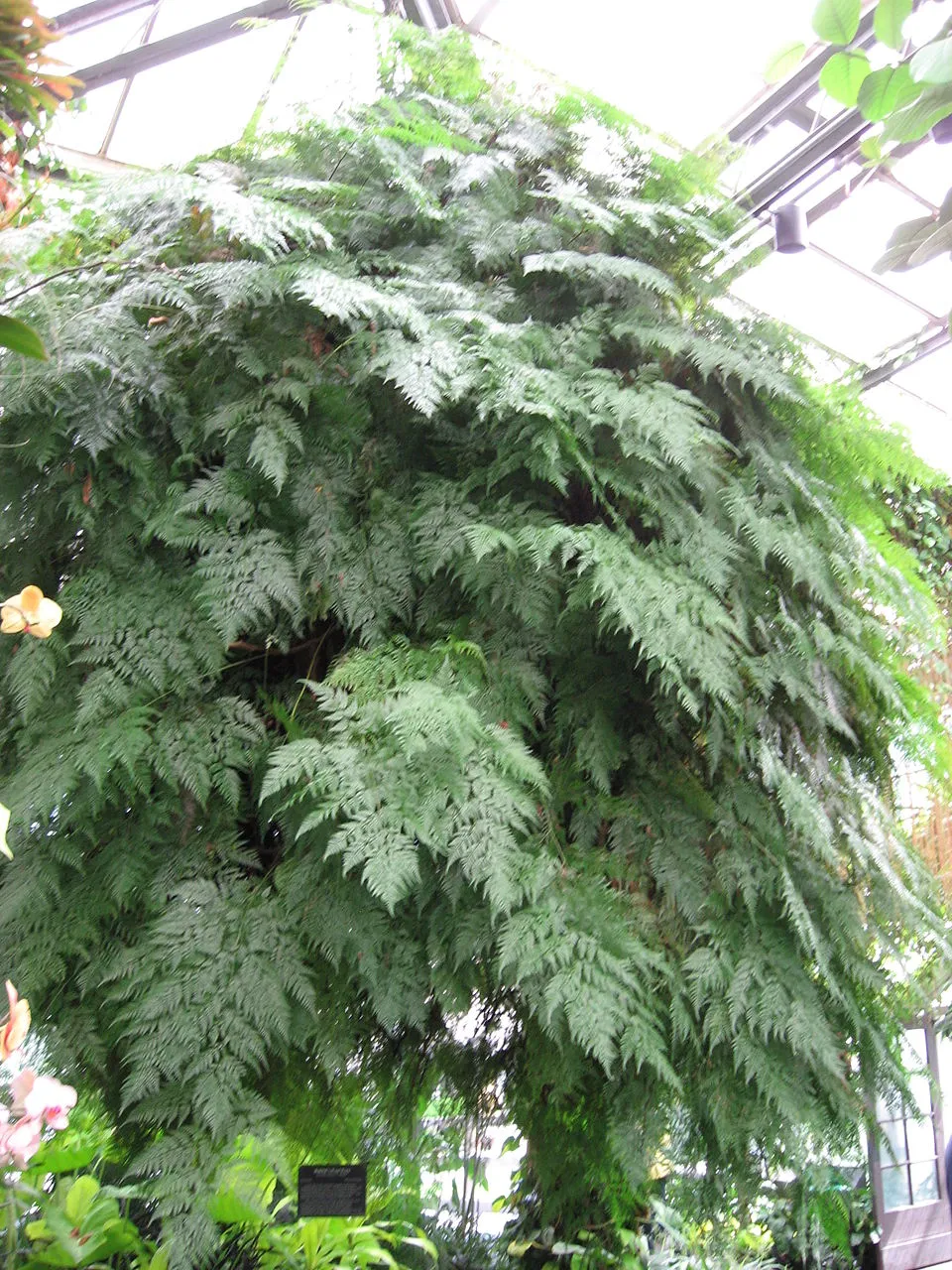
Davallia fejeensis, commonly known as the Rabbit's Foot Fern, is a captivating epiphytic herbaceous perennial fern belonging to the Davalliaceae family. This species is native to the lush, humid environments of the Fiji Islands and the Caroline Islands, where it typically grows on trees or rocks rather than in soil. Its most distinctive feature is its dense covering of soft, fuzzy rhizomes that creep conspicuously over the surface of its growing medium and often cascade over the edges of pots, strikingly resembling a rabbit's or hare's foot.
The fronds are delicate, lacy, and multi-pinnate, presenting an evergreen foliage that adds a vibrant touch of green to any setting. These fronds emerge from the creeping rhizomes at intervals, creating a full and elegant display. Davallia fejeensis thrives in conditions of high humidity, consistent moisture, and indirect, bright light, making it a popular and ideal choice for indoor cultivation, particularly in bathrooms, terrariums, or hanging baskets.
It is often taxonomically referenced as Davallia solida var. fejeensis, highlighting its relationship within the genus. While primarily cultivated for its striking ornamental appeal, its presence contributes to a humid and aesthetically pleasing indoor environment.
Trusted Scientific References
1. Authoritative external sources for Davallia fejeensis
1.1 Wikipedia — Davallia fejeensis
1.2 Kew POWO (Plants of the World Online)
1.3 PubMed — peer-reviewed research
1.4 NCBI Taxonomy Browser
1.5 GBIF — Global Biodiversity
1.6Davallia Fejeensis should be interpreted through verified botanical identity, practical care, and responsible safety language. This recovery note adds the missing context needed for a complete profile: match light to the plant's habit, use well-drained soil, water according to season, and avoid unsupported medicinal or edible claims. For publishing, the plant can be presented as a source-backed indoor plant with clear care guidance, common problem diagnosis, and conservative safety wording.
1.1.Davallia Fejeensis — Standout Qualities
- ✓Common Names — Rabbit's Foot Fern, Dainty Rabbit's-Foot Fern, Fijian Hares' Foot Fern, Lacy Hare's Foot.
- ✓Scientific Name — Davallia fejeensis (often cited as Davallia solida var. fejeensis).
- ✓Family — Davalliaceae, a family of epiphytic and lithophytic ferns.
- ✓Habitat — Native to tropical Fiji and Caroline Islands, typically growing epiphytically or lithophytically.
- ✓Morphology — Features delicate, lacy, multi-pinnate evergreen fronds and distinctive fuzzy, creeping rhizomes.
- ✓Growth Habit — An herbaceous perennial with a spreading, cascading growth, ideal for hanging displays.
- ✓Environmental Needs — Requires high humidity, consistent moisture, indirect light, and warm indoor temperatures.
- ✓Toxicity — Classified as non-toxic for humans, cats, dogs, and horses.
- ✓Primary Use — Exclusively cultivated as an ornamental houseplant for its unique beauty.
- ✓Medicinal Use — No significant or documented traditional or modern medicinal applications specific to this species.
1.2.Davallia Fejeensis — In Brief
- ✓Ornamental fern with distinctive fuzzy, creeping rhizomes resembling a rabbit's foot.
- ✓Native to the tropical regions of Fiji and the Caroline Islands.
- ✓Thrives in high humidity, bright indirect light, and warm temperatures.
- ✓Primarily valued for its aesthetic appeal and ability to enhance indoor air humidity.
- ✓Generally considered non-toxic to humans and common household pets.
- ✓Lacks widespread documented traditional or modern specific medicinal uses.
2.Davallia Fejeensis — Taxonomic Classification
3.Davallia Fejeensis — Botanical Stats
4.Davallia Fejeensis — Structural Profile
5.Davallia Fejeensis — Habitat & Distribution
6.Davallia Fejeensis — Historical Applications
7.Davallia Fejeensis — Bioactive Constituents
- ✓Specific phytochemical research directly on Davallia fejeensis is limited. However, based on general fern chemistry and studies on related Davallia species, the following classes of compounds are expected to be present:
- ✓Flavonoids — Key compounds include glycosides of kaempferol and quercetin, recognized for their potent antioxidant, anti-inflammatory, and potentially neuroprotective activities.
- ✓Phenolic Acids — Derivatives of caffeic acid and other phenolic compounds contribute significantly to the plant's overall antioxidant capacity and may possess anti-inflammatory properties.
- ✓Triterpenoids — Compounds such as hopane-type triterpenes are found in some Davallia species and are associated with anti-inflammatory, cytotoxic, and hepatoprotective effects.
- ✓Polysaccharides — Various complex carbohydrates, including beta-glucans, can contribute to immunomodulatory effects and provide structural integrity.
- ✓Steroids — Phytoecdysteroids, plant-derived steroids, may be present and have been linked to various biological activities in other plant species.
- ✓Tannins — Astringent compounds that exhibit antioxidant, antimicrobial, and anti-inflammatory properties, often contributing to the plant's defense mechanisms.
- ✓Saponins — Glycosides that can have diverse pharmacological actions, including anti-inflammatory, hemolytic, and cholesterol-lowering potential.
- ✓Volatile Organic Compounds (VOCs) — Released in small amounts, contributing to the plant's subtle scent and potentially interacting with the indoor environment.
- ✓Minerals — Essential micronutrients absorbed from the growing medium, vital for the plant's metabolic functions.
8.Davallia Fejeensis — Modern Studies
- ✓It is crucial to note that Davallia fejeensis is primarily valued as an ornamental plant and lacks widespread documentation of specific medicinal benefits in mainstream research or traditional medicine systems like Ayurveda, TCM, or Unani. Unlike some other Davallia species (e.g., Davallia mariesii, used in TCM for bone fracture healing), D. fejeensis has not been traditionally employed for therapeutic purposes. Therefore, the following potential benefits are largely extrapolated from general fern phytochemistry and studies on related species, rather than direct evidence for Davallia fejeensis:
- ✓Antioxidant Properties — Ferns, including Davallia species, often contain flavonoids and phenolic acids that can help neutralize free radicals and reduce oxidative stress in the body.
- ✓Anti-inflammatory Potential — Compounds like flavonoids and triterpenoids, commonly found in ferns, may modulate inflammatory pathways, offering a hypothetical anti-inflammatory effect.
- ✓Air Purification (Indoor) — As an indoor plant, it contributes to indoor air quality by increasing ambient humidity and potentially filtering some airborne toxins, a general benefit of many houseplants.
- ✓Bone Health Support (Hypothetical) — Drawing an analogy to related species like Davallia mariesii (Gu Sui Bu), which is traditionally used for bone fracture healing, suggests a very speculative potential for similar compounds within the genus, though unproven for D. fejeensis.
- ✓Immunomodulatory Effects — Polysaccharides and other secondary metabolites present in various ferns can potentially support and balance immune system function.
- ✓Dermatological Applications (Topical, Speculative) — Extracts from some fern species are explored for soothing skin irritations or promoting skin health due to their antioxidant and anti-inflammatory attributes.
- ✓Detoxification Support — Flavonoids and phenolic compounds are known to support the body's natural detoxification processes by enhancing enzyme activity.
- ✓General Well-being Enhancement — The aesthetic presence of lush indoor plants like the Rabbit's Foot Fern can contribute to psychological well-being, reducing stress and improving mood.
- ✓Antimicrobial Activity (Theoretical) — Some fern extracts exhibit mild antimicrobial properties against certain pathogens in laboratory settings, a potential shared by some Davallia species.
- ✓Vascular Health Support — Antioxidant compounds may help protect blood vessel integrity by reducing oxidative damage.
8.1.Davallia Fejeensis — Health Applications
9.Davallia Fejeensis — Risk Profile
9.1.Davallia Fejeensis — Warnings
- ✓Davallia fejeensis is generally considered a safe plant, particularly for ornamental purposes, with no documented severe side effects. However, some minor considerations exist:
- ✓Allergic Reactions — Rare, but individuals with extreme plant sensitivities might experience mild skin irritation or contact dermatitis from handling the fronds or rhizomes.
- ✓Gastrointestinal Upset — Ingestion is not recommended; while generally non-toxic, consuming plant material could lead to mild digestive discomfort, nausea, or vomiting.
- ✓Spore Inhalation — Inhalation of a large quantity of spores, though uncommon in a typical home environment, could theoretically cause respiratory irritation in highly sensitive individuals.
- ✓No Known Drug Interactions — Due to its lack of medicinal application, there are no documented interactions with pharmaceutical medications.
- ✓Toxicity to Pets — It is listed as non-toxic to cats, dogs, and horses, meaning accidental ingestion by pets is unlikely to cause serious harm.
- ✓Overwatering Symptoms — While not a human side effect, improper watering can lead to root rot and fungal issues, which affect the plant's health.
9.2.Davallia Fejeensis — Toxicity Assessment
- ✓The safety profile of Davallia fejeensis is generally favorable, especially considering its primary use as an ornamental houseplant:
- ✓Non-toxic Classification — The plant is widely recognized as non-toxic to humans and common household pets, including cats, dogs, and horses.
- ✓External Use Only — Strictly recommended for ornamental display; internal consumption or topical application for medicinal purposes is not supported by scientific evidence or traditional use.
- ✓Allergic Sensitivity — Individuals with a history of plant allergies should exercise caution when handling the plant to prevent potential, albeit rare, contact dermatitis.
- ✓Pregnancy and Lactation — No safety data exists regarding its use during pregnancy or lactation; therefore, internal use is strongly contraindicated.
- ✓Pediatric Use — Not recommended for internal use in children due to the absence of specific safety and efficacy data.
- ✓Drug Interactions — There are no documented drug interactions for Davallia fejeensis because it is not used therapeutically.
- ✓Environmental Safety — Safe for indoor environments and does not pose known ecological risks when cultivated responsibly.
10.Davallia Fejeensis — How to Use
- ✓Davallia fejeensis is primarily cultivated for its aesthetic appeal and is not traditionally used for medicinal purposes. Therefore, usage methods focus on its ornamental and environmental benefits:
- ✓Ornamental Display — Best used as an indoor decorative plant in homes, offices, or conservatories to enhance interior aesthetics.
- ✓Air Humidity Enhancement — Place in living spaces to naturally increase ambient humidity, particularly beneficial in dry indoor environments.
- ✓Terrarium Inclusion — An excellent choice for closed or open terrariums due to its preference for high humidity and unique growth habit.
- ✓Hanging Basket Plant — Its creeping rhizomes that spill over the pot make it perfect for hanging baskets, showcasing its 'rabbit's foot' appearance.
- ✓Green Wall Integration — Can be incorporated into vertical gardens or living walls for its lush foliage and epiphytic nature.
- ✓Aesthetic Well-being — Simply enjoying its beauty and the act of caring for it can contribute to mental relaxation and overall well-being.
- ✓Air Quality Contribution — As a general houseplant, it contributes to a healthier indoor environment by converting carbon dioxide to oxygen and potentially filtering some air pollutants.
11.Davallia Fejeensis — Growing Guide
- ✓Cultivating Davallia fejeensis, the Rabbit's Foot Fern, successfully indoors requires attention to its tropical native habitat conditions:
- ✓Lighting — Provide bright, indirect light; avoid direct sunlight which can scorch its delicate fronds.
- ✓Humidity — Prefers high humidity. Mist regularly, use a pebble tray, or place in naturally humid areas like bathrooms or terrariums.
- ✓Watering — Keep the potting mixture consistently moist but not waterlogged. Allow the top half-inch of soil to dry out between waterings.
- ✓Soil — Use a well-draining, peat-based potting mixture that retains some moisture, such as an orchid or fern mix.
- ✓Temperature — Maintain warm temperatures above 55°F (13°C); it is intolerant of cold drafts or temperatures below this range.
- ✓Fertilization — Feed monthly during the growing season (spring and summer) with a diluted liquid fertilizer, reducing frequency in winter.
- ✓Propagation — Easily propagated by taking 2-3 inch rhizome tip cuttings, ensuring one or two fronds are attached, and pinning them onto moist potting medium.
- ✓Container — Ideal for hanging baskets or shallow pots, allowing its distinctive fuzzy rhizomes to creep over the edges.
Reviewed by the Flora Medical Global Botanical Review Panel
Multi-disciplinary editorial group · Botany · Ethnobotany · Herbal-medicine literature
Who reviewed this: This page was checked by the Flora Medical Global Botanical Review Panel — an in-house editorial group of botany graduates, ethnobotany researchers, and horticulture practitioners who collectively maintain our 7,000+ plant encyclopedia. Meet the team.
Our 4-step verification process
1. Taxonomic verification
Scientific names and synonyms cross-checked against Kew POWO, World Flora Online, and The Plant List.
2. Phytochemical & medicinal cross-reference
Active compounds, traditional uses, and reported activities are cross-referenced with PubMed, USDA Dr. Duke's database, and peer-reviewed ethnobotanical literature.
3. Conservation & distribution check
Distribution, ecology, and conservation status confirmed against GBIF occurrence records and the IUCN Red List.
4. Editorial & safety review
Every entry passes an editorial pass for clarity, originality, and safety notices (toxicity, contraindications, dosage caveats) before publication.
Last reviewed:
Important medical disclaimer: This content is for educational and research purposes only. It is not medical advice and is not a substitute for consultation with a licensed healthcare provider. Do not use any herb to self-treat a medical condition without professional guidance.
Editorial Note: This page is for educational and research purposes only and is not medical advice.
Written by: Flora Medical Global Editorial Team
Reviewed by: Flora Medical Global Botanical Review Panel
Last Updated: June 15, 2026





Davallia Fejeensis — Comments & Community Reviews
Rate this plant