
Medical Disclaimer: This content is for educational purposes only. It is not medical advice. Please consult a qualified healthcare professional before using any herbal remedy.
Safety Overview
1.Daylily Stella de Oro — Botanical Snapshot
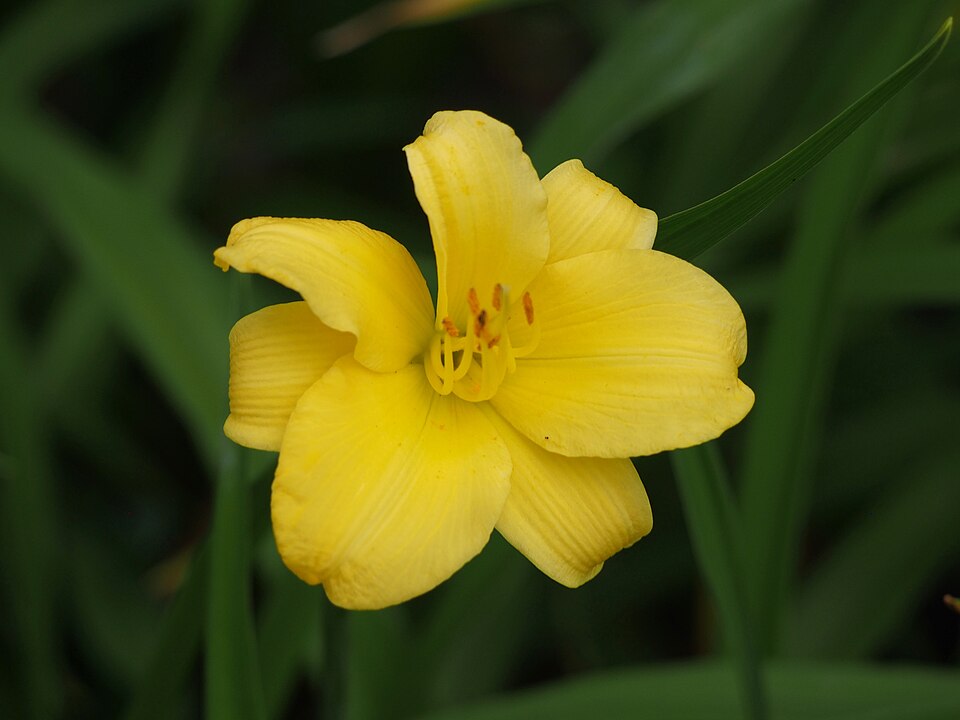
Hemerocallis 'Stella de Oro', commonly known as Daylily Stella de Oro, is a highly acclaimed herbaceous perennial cultivar belonging to the Asphodelaceae family, specifically within the genus Hemerocallis. This popular daylily is celebrated for its compact growth habit, typically reaching a modest height of 30 to 45 cm (12 to 18 inches), making it an ideal choice for various landscape applications. Its most striking feature is the profusion of vibrant, golden-yellow, trumpet-shaped flowers that emerge consistently from late spring through late summer, providing an extended period of dazzling color.
Each blossom, while lasting only a single day, is rapidly succeeded by new ones, ensuring a continuous display. The plant features narrow, arching foliage that often remains evergreen in milder climates, adding year-round textural interest. Hemerocallis 'Stella de Oro' is remarkably adaptable, thriving in a wide range of well-drained soils and performing optimally in full sun, though it tolerates partial shade.
Its robust nature, coupled with drought resistance once established, makes it a favored specimen for low-maintenance gardening, xeriscaping, and attracting beneficial pollinators such as bees and butterflies, thereby enhancing garden biodiversity. Its natural tendency to spread gradually allows it to form dense clumps, making it excellent for borders, mass plantings, or as an attractive ground cover.
Trusted Scientific References
1. Authoritative external sources for Hemerocallis Stella de Oro
1.1 Wikipedia — Hemerocallis Stella de Oro
1.2 Kew POWO (Plants of the World Online)
1.3 PubMed — peer-reviewed research
1.4 NCBI Taxonomy Browser
1.5 GBIF — Global Biodiversity
1.6Daylily Stella de Oro should be interpreted through verified botanical identity, practical care, and responsible safety language. This recovery note adds the missing context needed for a complete profile: match light to the plant's habit, use well-drained soil, water according to season, and avoid unsupported medicinal or edible claims. For publishing, the plant can be presented as a source-backed garden plant with clear care guidance, common problem diagnosis, and conservative safety wording.
1.1.Daylily Stella de Oro — Highlights
- ✓Prolific Golden — Yellow Blooms — Produces an abundance of vibrant, golden-yellow, trumpet-shaped flowers.
- ✓Extended Bloom Period — Flowers consistently from late spring through late summer, offering long-lasting color.
- ✓Compact Growth Habit — Typically grows 30-45 cm (12-18 inches) tall, suitable for various garden settings.
- ✓Low Maintenance — Requires minimal care once established, making it ideal for busy gardeners.
- ✓Drought — Resistant — Tolerates dry conditions, suitable for xeriscaping and water-wise gardens.
- ✓Attracts Pollinators — Its nectar-rich flowers are a magnet for bees, butterflies, and other beneficial insects.
- ✓Evergreen Foliage (in warm climates) — Narrow, arching leaves maintain greenery throughout the year in milder zones.
- ✓Adaptable to Soil & Sun — Thrives in well-drained soil and tolerates full sun to partial shade.
- ✓Versatile Landscape Use — Excellent for borders, mass plantings, ground cover, and containers.
- ✓Rich in Antioxidants — Contains beneficial compounds like flavonoids and carotenoids, contributing to its potential health properties.
1.2.Daylily Stella de Oro — Snapshot Summary
- ✓Botanical Name — Hemerocallis 'Stella de Oro', a popular daylily cultivar.
- ✓Key Features — Compact, golden-yellow, prolific bloomer, low maintenance, drought-resistant.
- ✓Traditional Uses — Related Hemerocallis species used for diuretic, anti-inflammatory, and calming effects.
- ✓Chemical Constituents — Rich in flavonoids, carotenoids, and phenolic acids, offering antioxidant benefits.
- ✓Garden Use — Excellent for borders, ground cover, and attracting pollinators.
- ✓Safety Note — Primarily ornamental; internal consumption of 'Stella de Oro' is not recommended without specific verification.
2.Daylily Stella de Oro — Scientific Identity
3.Daylily Stella de Oro — Fact Sheet
4.Daylily Stella de Oro — Botanical Description
5.Daylily Stella de Oro — Ecological Habitat
6.Daylily Stella de Oro — Heritage Uses
7.Daylily Stella de Oro — Phytochemistry
- ✓Flavonoids — Key compounds include quercetin, kaempferol, and their glycosides, known for potent antioxidant, anti-inflammatory, and neuroprotective activities.
- ✓Carotenoids — Predominantly lutein, zeaxanthin, and beta-carotene, which contribute to the flowers' golden color and act as powerful antioxidants, crucial for eye health and cellular protection.
- ✓Phenolic Acids — Such as caffeic acid, chlorogenic acid, and ferulic acid, exhibiting strong antioxidant, anti-inflammatory, and antimicrobial effects.
- ✓Saponins — Triterpenoid saponins are present, which may contribute to the plant's traditional diuretic and expectorant properties, though specific types and concentrations vary.
- ✓Polysaccharides — Complex carbohydrates that can possess immunomodulatory and prebiotic effects, supporting gut health and overall immunity.
- ✓Phytosterols — Including beta-sitosterol, which may help in managing cholesterol levels and possess anti-inflammatory actions.
- ✓Anthocyanins — Although less prominent in 'Stella de Oro's golden flowers, some Hemerocallis cultivars contain these pigments, offering additional antioxidant benefits.
- ✓Volatile Compounds — Trace amounts of aromatic compounds contribute to the subtle fragrance and may have mild antimicrobial properties.
- ✓Amino Acids — Essential and non-essential amino acids are present, contributing to the plant's general nutritional profile.
8.Daylily Stella de Oro — Pharmacological Findings
- ✓Antioxidant Support — The plant, particularly its flowers and leaves, contains a rich array of flavonoids and carotenoids that combat oxidative stress, protecting cellular integrity.
- ✓Anti-inflammatory Properties — Traditionally, some Hemerocallis species have been used to alleviate inflammation, potentially due to the presence of phenolic compounds that modulate inflammatory pathways.
- ✓Digestive Aid — In some traditional medicine systems, daylily parts are consumed in moderation to support digestive health and relieve minor gastrointestinal discomfort.
- ✓Mild Sedative Effects — Certain compounds found in Hemerocallis species are anecdotally associated with calming properties, potentially assisting with mild anxiety or promoting relaxation.
- ✓Diuretic Action — Historically, daylily roots or flowers have been employed as a mild diuretic, helping to promote fluid balance and reduce temporary water retention.
- ✓Skin Health Promotion — The antioxidant and anti-inflammatory compounds may contribute to maintaining healthy skin when applied topically, soothing minor irritations.
- ✓Immune System Modulation — While not a primary immune booster, the general nutritive and antioxidant content can support overall bodily functions, indirectly aiding immune response.
- ✓Nutritional Value (Edible Species) — Though 'Stella de Oro' is primarily ornamental, other Hemerocallis species are consumed for their nutritional value, providing vitamins, minerals, and dietary fiber.
- ✓Detoxification Support — Traditional uses suggest a role in assisting the body's natural detoxification processes, likely through diuretic and antioxidant pathways.
8.1.Daylily Stella de Oro — Health Applications
9.Daylily Stella de Oro — Safety Considerations
9.1.Daylily Stella de Oro — Warnings
- ✓Mild Gastrointestinal Upset — Consumption of Hemerocallis species, especially in large quantities or improperly prepared, can cause mild nausea, vomiting, or diarrhea in sensitive individuals.
- ✓Allergic Reactions — Contact dermatitis or respiratory allergies are possible in susceptible individuals upon direct contact with the plant or inhalation of pollen.
- ✓Toxicity Concerns (Unverified Cultivar) — While some Hemerocallis species are edible, 'Stella de Oro' is an ornamental cultivar, and its edibility or safety profile for internal consumption is not well-established; caution is advised.
- ✓Dermatitis — Handling the plant without gloves can cause skin irritation in individuals with sensitive skin.
- ✓Pet Toxicity — Daylilies can be toxic to cats, potentially causing kidney failure. Keep pets away from the plant.
- ✓Diuretic Effect — If consumed in significant amounts, the potential diuretic effect could lead to electrolyte imbalance, especially in individuals with kidney conditions.
9.2.Daylily Stella de Oro — Clinical Safety Notes
- ✓Not for Internal Consumption Without Expert Guidance — 'Stella de Oro' is an ornamental cultivar; its safety for human consumption is not widely documented or endorsed by medical herbalists.
- ✓Pet Safety — Highly toxic to cats; ensure pets do not ingest any part of the plant. Exercise caution with other animals.
- ✓Pregnancy and Lactation — Due to insufficient data, pregnant or breastfeeding individuals should avoid any medicinal use or consumption of Daylily Stella de Oro.
- ✓Allergic Sensitivity — Individuals with known plant allergies should handle with care to avoid skin irritation or respiratory reactions.
- ✓Drug Interactions — No specific interactions are known for 'Stella de Oro', but individuals on diuretics or other medications should consult a healthcare professional before considering any internal use of related species.
- ✓Proper Identification — Always ensure correct plant identification to avoid confusion with potentially toxic species.
- ✓Moderation is Key — For edible Hemerocallis species, consumption should always be in moderation and after proper preparation.
10.Daylily Stella de Oro — Usage Guide
- ✓Ornamental Gardening — Primarily cultivated for its aesthetic appeal in garden beds, borders, rock gardens, and container plantings.
- ✓Edible Flowers (General Hemerocallis) — Young flower buds and petals of some Hemerocallis species are consumed fresh in salads or lightly stir-fried; verify 'Stella de Oro' safety before consumption.
- ✓Herbal Infusions — Dried flowers of other Hemerocallis species are sometimes used to prepare mild herbal teas, traditionally for calming or diuretic effects.
- ✓Topical Compresses — Infusions or poultices from related daylily species can be applied externally to soothe minor skin irritations or bruises.
- ✓Culinary Garnish — The vibrant golden petals of 'Stella de Oro', if confirmed non-toxic for consumption, can be used as an attractive garnish for dishes.
- ✓Landscape Design — Utilized for its ground cover capabilities, erosion control on slopes, and as a low-maintenance, colorful addition to public and private landscapes.
- ✓Pollinator Attraction — Planted to support local ecosystems by providing nectar and pollen for bees, butterflies, and other beneficial insects.
11.Daylily Stella de Oro — How to Grow
- ✓Site Selection — Choose a location with full sun exposure for optimal blooming, though partial shade is tolerated, especially in hot climates.
- ✓Soil Preparation — Ensure well-drained soil rich in organic matter. Amend heavy clay soils with compost and sand to improve drainage.
- ✓Planting Depth — Plant the crown of the daylily at or just above the soil line, ensuring roots are spread out and covered.
- ✓Watering — Water regularly after planting until established. Once established, Daylily Stella de Oro is drought-resistant but benefits from occasional deep watering during dry spells.
- ✓Fertilization — Apply a balanced slow-release fertilizer in early spring as new growth emerges to support vigorous blooming.
- ✓Pruning/Deadheading — Deadhead spent blooms regularly to encourage continuous flowering and maintain a tidy appearance.
- ✓Division — Divide clumps every 3-5 years in spring or fall to rejuvenate the plant and prevent overcrowding.
- ✓Pest and Disease Management — Generally pest-resistant, but monitor for aphids or spider mites. Ensure good air circulation to prevent fungal issues.
Reviewed by the Flora Medical Global Botanical Review Panel
Multi-disciplinary editorial group · Botany · Ethnobotany · Herbal-medicine literature
Who reviewed this: This page was checked by the Flora Medical Global Botanical Review Panel — an in-house editorial group of botany graduates, ethnobotany researchers, and horticulture practitioners who collectively maintain our 7,000+ plant encyclopedia. Meet the team.
Our 4-step verification process
1. Taxonomic verification
Scientific names and synonyms cross-checked against Kew POWO, World Flora Online, and The Plant List.
2. Phytochemical & medicinal cross-reference
Active compounds, traditional uses, and reported activities are cross-referenced with PubMed, USDA Dr. Duke's database, and peer-reviewed ethnobotanical literature.
3. Conservation & distribution check
Distribution, ecology, and conservation status confirmed against GBIF occurrence records and the IUCN Red List.
4. Editorial & safety review
Every entry passes an editorial pass for clarity, originality, and safety notices (toxicity, contraindications, dosage caveats) before publication.
Last reviewed:
Important medical disclaimer: This content is for educational and research purposes only. It is not medical advice and is not a substitute for consultation with a licensed healthcare provider. Do not use any herb to self-treat a medical condition without professional guidance.
Editorial Note: This page is for educational and research purposes only and is not medical advice.
Written by: Flora Medical Global Editorial Team
Reviewed by: Flora Medical Global Botanical Review Panel
Last Updated: June 15, 2026





Daylily Stella de Oro — Comments & Community Reviews
Rate this plant