


Medical Disclaimer: This content is for educational purposes only. It is not medical advice. Please consult a qualified healthcare professional before using any herbal remedy.
Safety Overview
1.Delphinium Pacific — Essential Profile
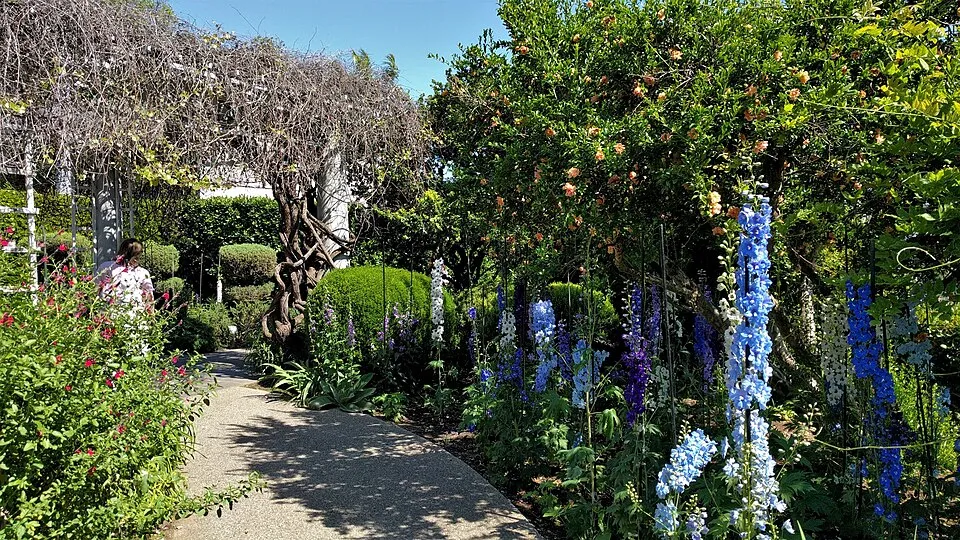
Delphinium Pacific Giants, a distinguished cultivar group within the genus Delphinium, are magnificent perennial herbs belonging to the Ranunculaceae family. These striking plants are celebrated for their imposing vertical flower spikes, which can majestically ascend to heights of 1.2 to 1.8 meters (4 to 6 feet). The intricate, spurred flowers present a captivating palette of blue, purple, white, and occasionally pink hues, arranged densely along robust stems.
Their unique morphology, characterized by multiple sepals and petals forming a distinctive 'spur,' makes them highly attractive to a diverse array of pollinators, including various species of bees and butterflies. The basal foliage consists of deeply lobed, palmately divided, dark green leaves that provide an appealing textural contrast in garden settings even when not in bloom.
While the 'Pacific Giants' are garden cultivars, their wild ancestors are typically found thriving in the moist, cool, mountainous regions of the western United States and Canada. These plants prefer well-draining soils rich in organic matter, with a slightly acidic to neutral pH range, ideally between 6.0 and 7.0. They flourish in full sunlight, which encourages prolific blooming, but can tolerate partial shade, particularly in hotter climates where afternoon sun can be intense.
Consistent moisture is crucial, especially during their active growth and flowering periods, though established plants can endure short periods of drought. Due to their considerable height and often heavy flower loads, staking is frequently required to prevent wind damage and maintain their upright posture, making them a dramatic and essential component of traditional cottage gardens and perennial borders in USDA hardiness zones 3 to 7.
Trusted Scientific References
1. Authoritative external sources for Delphinium Pacific Giants
1.1 Wikipedia — Delphinium Pacific Giants
1.2 Kew POWO (Plants of the World Online)
1.3 PubMed — peer-reviewed research
1.4 NCBI Taxonomy Browser
1.5 GBIF — Global Biodiversity
1.1.Delphinium Pacific — Distinguishing Points
- ✓Botanical Name — Delphinium Pacific Giants
- ✓Family — Ranunculaceae
- ✓Common Names — Pacific Giants, Larkspur (general genus term)
- ✓Growth Habit — Tall, erect perennial herb with strong vertical presence
- ✓Flower Color — Predominantly blue, purple, white, and pink cultivars
- ✓Height — Reaches an impressive 1.2 to 1.8 meters (4-6 feet) tall
- ✓Habitat — Cultivated, but wild ancestors found in moist, mountainous regions of Western North America
- ✓Primary Use — Exclusively ornamental garden plant for borders and cut flowers
- ✓Key Chemical — Delphinine, a highly potent and lethal neurotoxic alkaloid
- ✓Toxicity — Classified as extremely poisonous; ingestion is fatal.
1.2.Delphinium Pacific — Snapshot Summary
- ✓Stunning ornamental perennial, but highly toxic.
- ✓Contains lethal diterpenoid alkaloids like delphinine.
- ✓UNSAFE for any medicinal or internal human/animal use.
- ✓Ingestion causes severe cardiovascular, respiratory, and neurological depression.
- ✓Keep strictly out of reach of children and pets.
- ✓Primarily grown for its breathtaking aesthetic appeal in gardens.
2.Delphinium Pacific — Nomenclature & Classification
3.Delphinium Pacific — Key Data
4.Delphinium Pacific — Physical Description
5.Delphinium Pacific — Origin & Spread
6.Delphinium Pacific — Heritage Uses
7.Delphinium Pacific — Chemical Profile
- ✓Diterpenoid Alkaloids — These are the primary toxic compounds, including delphinine, delphinidine, ajacine, and methyllycaconitine. Delphinine, a potent neurotoxin, is responsible for the severe cardiovascular, respiratory, and neuromuscular effects, acting as a nicotinic acetylcholine receptor antagonist.
- ✓Flavonoids — Common plant secondary metabolites such as kaempferol and quercetin are present, typically functioning as antioxidants and plant pigments, though their minor potential benefits are entirely eclipsed by the plant's overwhelming toxicity.
- ✓Saponins — These glycosides are found in various plant parts and contribute to the plant's overall toxicity, potentially causing gastrointestinal irritation and hemolytic effects upon ingestion.
- ✓Organic Acids — Various organic acids are present, typical of plant metabolism, but do not contribute to the plant's medicinal value or toxicity in a significant way compared to the alkaloids.
- ✓Glycosides — Beyond saponins, other glycosidic compounds may be present, which could contribute to the plant's pharmacological profile, though the diterpenoid alkaloids remain the most critical from a safety perspective.
- ✓Tannins — Astringent polyphenolic compounds that may be found in the foliage, potentially offering some protective role for the plant against herbivores, but are not relevant for human medicinal use due to the plant's toxicity.
8.Delphinium Pacific — Evidence-Based Benefits
- ✓Traditional Use for Intestinal Worms — Historically, certain folk traditions, primarily in Europe, suggested using Delphinium preparations to expel intestinal parasites, though this practice is extremely dangerous and lacks modern scientific validation, posing significant health risks.
- ✓Traditional Use for Fluid Retention — Unsubstantiated historical accounts claim Delphinium was employed to address issues of fluid retention, acting as a diuretic, but this use is highly toxic and unsupported by any credible scientific evidence.
- ✓Traditional Use for Poor Appetite — In some traditional contexts, Delphinium was purportedly used to stimulate appetite; however, the plant's severe toxicity makes any internal application profoundly unsafe and life-threatening.
- ✓Traditional Use for Insomnia — There are historical mentions of Delphinium being used as a sedative to promote relaxation and aid sleep, yet this traditional application is exceedingly hazardous due to its potent neurotoxic alkaloids.
- ✓Traditional Use as a Sedative — Beyond insomnia, some folk medicine traditions believed Delphinium possessed general sedative properties to induce calm, a notion entirely overshadowed by its lethal poisonous nature and lack of therapeutic safety.
- ✓Absence of Proven Therapeutic Benefits — It is critically important to note that despite these historical and traditional claims, Delphinium Pacific Giants, and the Delphinium genus in general, are classified as highly toxic and possess no proven, safe therapeutic benefits for human consumption.
8.1.Delphinium Pacific — Health Applications
9.Delphinium Pacific — Safety & Side Effects
9.1.Delphinium Pacific — Warnings
- ✓Cardiovascular Depression — Ingestion can lead to severe bradycardia (slowed heart rate), arrhythmias, and profound hypotension (low blood pressure) due potentially to its effects on cardiac ion channels and the nervous system.
- ✓Respiratory Failure — Delphinium toxicity causes significant respiratory depression, leading to labored breathing, paralysis of respiratory muscles, and ultimately lung failure and asphyxiation.
- ✓Neurological Symptoms — Symptoms include muscle weakness, tremors, uncontrolled spasms, convulsions, and even paralysis, stemming from the neurotoxic effects of its diterpenoid alkaloids on nerve impulse transmission.
- ✓Gastrointestinal Distress — Ingestion frequently results in acute nausea, persistent vomiting, severe abdominal pain, excessive salivation, and diarrhea.
- ✓Skin Irritation — Direct contact with the plant sap, particularly for sensitive individuals, may cause contact dermatitis, itching, and localized skin rashes.
- ✓Fatal Outcomes — Due to its extreme toxicity, ingestion of any part of the plant, especially seeds or young shoots, can be lethal to humans and livestock, necessitating immediate medical intervention.
9.2.Delphinium Pacific — Safety Overview
- ✓Extreme Toxicity — Delphinium Pacific Giants is classified as highly toxic and is UNSAFE for human or animal consumption in any form; all parts of the plant are poisonous.
- ✓Avoid Ingestion — Absolutely no part of this plant, including flowers, leaves, stems, or seeds, should ever be consumed due to its lethal diterpenoid alkaloid content.
- ✓Pregnancy and Lactation Contraindication — The plant is strictly contraindicated for pregnant and breastfeeding individuals due to severe risks of fetal harm or transfer of toxins via breast milk.
- ✓Children and Pets — Keep all parts of the plant, especially accessible areas in gardens, out of reach of children and pets, who are highly susceptible to its poisonous effects.
- ✓Handling Precautions — Wear protective gloves when handling the plant, especially when cutting, pruning, or working with bare roots, to prevent skin irritation or accidental ingestion.
- ✓Emergency Protocol — In case of suspected or accidental ingestion, seek immediate emergency medical attention or contact a poison control center, as rapid intervention is crucial for survival.
- ✓Educational Awareness — Educate others about the plant's toxicity, especially when planting in public spaces or gardens frequented by children and animals.
10.Delphinium Pacific — Preparations & Uses
- ✓Ornamental Garden Display — Primarily cultivated for its striking floral spikes, Delphinium Pacific Giants serves as a magnificent vertical accent in garden borders, cottage gardens, and formal plantings.
- ✓Cut Flower Arrangements — The tall, elegant flower spikes are highly prized by florists and gardeners for their structural beauty and vibrant colors in fresh and dried floral designs.
- ✓Pollinator Attraction — Planted in groups, it enhances garden biodiversity by attracting beneficial pollinators like bees and butterflies to the environment.
- ✓Landscape Enhancement — Utilized to create dramatic visual impact and add height to perennial beds, blending beautifully with other flowering plants.
- ✓STRICTLY NOT for Internal Consumption — Due to extreme and lethal toxicity, Delphinium Pacific Giants must never be used internally in teas, tinctures, or any ingestible preparations by humans or animals.
- ✓Topical Caution — Even topical applications should be approached with extreme caution due to potential skin irritation and the possibility of systemic absorption of toxic compounds; wear gloves when handling.
- ✓Educational Display — Can be used in botanical gardens or educational settings to highlight the diversity of plant forms and the importance of plant identification and safety.
11.Delphinium Pacific — Cultivation & Care
- ✓Soil Preparation — Thrives in rich, well-draining loam with ample organic matter; amend heavy clay soils with compost and grit to improve drainage.
- ✓Sunlight Requirements — Prefers full sun (at least 6 hours daily) for best flowering, but can tolerate partial shade in hot afternoon climates to prevent scorching.
- ✓Watering — Requires consistent moisture, especially during dry spells and the flowering period; avoid waterlogging, which can lead to root rot.
- ✓PH Preference — Grows best in slightly acidic to neutral soil, with an ideal pH range of 6.0 to 7.0.
- ✓Staking — Due to their tall growth habit and heavy flower spikes, provide sturdy stakes early in the growing season to prevent wind damage and support upright growth.
- ✓Hardiness Zones — Best suited for USDA hardiness zones 3 to 7, where they can establish and perennialize effectively.
- ✓Propagation — Can be grown from seed (requires cold stratification), by division in early spring, or from basal cuttings.
- ✓Pest and Disease Management — Monitor for slugs, snails, powdery mildew, and crown rot; ensure good air circulation and appropriate watering to mitigate issues.
Reviewed by the Flora Medical Global Botanical Review Panel
Multi-disciplinary editorial group · Botany · Ethnobotany · Herbal-medicine literature
Who reviewed this: This page was checked by the Flora Medical Global Botanical Review Panel — an in-house editorial group of botany graduates, ethnobotany researchers, and horticulture practitioners who collectively maintain our 7,000+ plant encyclopedia. Meet the team.
Our 4-step verification process
1. Taxonomic verification
Scientific names and synonyms cross-checked against Kew POWO, World Flora Online, and The Plant List.
2. Phytochemical & medicinal cross-reference
Active compounds, traditional uses, and reported activities are cross-referenced with PubMed, USDA Dr. Duke's database, and peer-reviewed ethnobotanical literature.
3. Conservation & distribution check
Distribution, ecology, and conservation status confirmed against GBIF occurrence records and the IUCN Red List.
4. Editorial & safety review
Every entry passes an editorial pass for clarity, originality, and safety notices (toxicity, contraindications, dosage caveats) before publication.
Last reviewed:
Important medical disclaimer: This content is for educational and research purposes only. It is not medical advice and is not a substitute for consultation with a licensed healthcare provider. Do not use any herb to self-treat a medical condition without professional guidance.
Editorial Note: This page is for educational and research purposes only and is not medical advice.
Written by: Flora Medical Global Editorial Team
Reviewed by: Flora Medical Global Botanical Review Panel
Last Updated: June 15, 2026





Delphinium Pacific — Comments & Community Reviews
Rate this plant