
Medical Disclaimer: This content is for educational purposes only. It is not medical advice. Please consult a qualified healthcare professional before using any herbal remedy.
Safety Overview
1.Desmodium Canadense — Overview
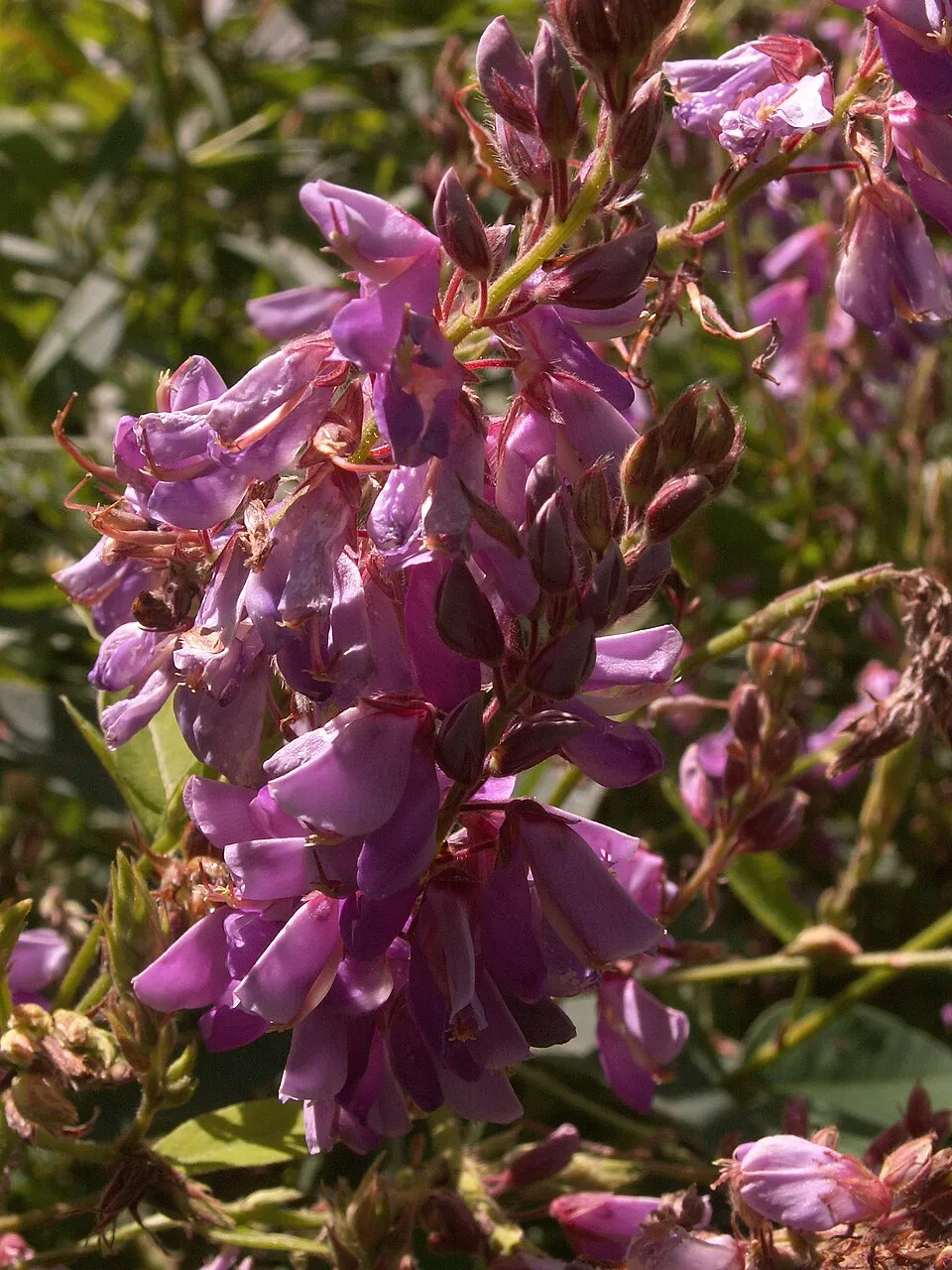
Desmodium canadense, commonly known as Showy Ticktrefoil, is a resilient perennial legume native to North America, belonging to the Fabaceae family. This robust herbaceous plant typically reaches heights of 3 to 4 feet, though it can extend up to 6 feet under optimal conditions, exhibiting an erect growth habit with stems covered in fine white hairs. Its distinctive foliage consists of trifoliate, compound leaves arranged alternately, featuring lanceolate leaflets measuring 2 to 3.5 inches in length with rounded tips and fine, hooked hairs on their undersides.
During mid-summer, from July to August, the plant bursts into vibrant bloom with pea-like flowers, approximately half an inch in size, displaying shades of pink to purple, often accented with a darker pink and yellow patch at their center. These unscented blossoms are densely packed along elongated racemes on the upper half of the plant, sometimes giving it a graceful, nodding appearance. Following pollination, the flowers develop into flattened, segmented seed pods known as loments, typically 2.5 inches long with 3 to 5 segments, covered in tiny hooked hairs that readily adhere to clothing and animal fur, aiding in seed dispersal.
Showy Ticktrefoil is widely distributed across the central United States, extending northward into Canada, as far west as the Dakotas, and eastward to the Atlantic coast from Virginia to Maine, thriving in diverse habitats. It is commonly found in tall grass prairies, along riverbanks, lake edges, and wet meadows, but also adapts well to open woods, rocky and sandy prairies, roadsides, and disturbed areas, preferring full sun and moist, well-drained loamy soils.
Trusted Scientific References
1. Authoritative external sources for Desmodium Canadense
1.1 Wikipedia — Desmodium Canadense
1.2 Kew POWO (Plants of the World Online)
1.3 PubMed — peer-reviewed research
1.4 NCBI Taxonomy Browser
1.5 GBIF — Global Biodiversity
1.6Desmodium Canadense should be interpreted through verified botanical identity, practical care, and responsible safety language. This recovery note adds the missing context needed for a complete profile: match light to the plant's habit, use well-drained soil, water according to season, and avoid unsupported medicinal or edible claims. For publishing, the plant can be presented as a source-backed garden plant with clear care guidance, common problem diagnosis, and conservative safety wording.
1.1.Desmodium Canadense — Standout Qualities
- ✓Native North American — Native North American perennial legume.
- ✓Erect, clumping growth habit, reaching 3 — 6 feet.
- ✓Showy pink to purple pea — like flowers in racemes.
- ✓Distinctive trifoliate leaves — Distinctive trifoliate leaves with hooked hairs on undersides.
- ✓Produces segmented, clinging — Produces segmented, clinging seed pods (loments).
- ✓Highly attractive to — Highly attractive to pollinators like bees, bumblebees, and hummingbirds.
- ✓Important forage and — Important forage and habitat plant for various wildlife, including deer and game birds.
- ✓Possesses traditional anti — inflammatory and antioxidant properties.
- ✓Nitrogen — fixing plant, enhancing soil fertility.
- ✓Adaptable to a — Adaptable to a wide range of soil types, preferring moist, well-drained conditions.
1.2.Desmodium Canadense — In Brief
- ✓Desmodium canadense, or Showy Ticktrefoil, is a native North American perennial legume.
- ✓Characterized by its trifoliate leaves and striking pink-purple pea-like flowers.
- ✓Traditionally valued for its anti-inflammatory, antioxidant, and digestive support properties.
- ✓Rich in beneficial phytochemicals including flavonoids, alkaloids, and tannins.
- ✓An important pollinator plant, attracting bees and hummingbirds, and a vital wildlife food source.
- ✓Thrives in full sun and well-drained soils, requiring minimal nitrogen due to its nitrogen-fixing capabilities.
2.Desmodium Canadense — Systematic Position
3.Desmodium Canadense — Reference Facts
4.Desmodium Canadense — Morphological Account
5.Desmodium Canadense — Geographic Distribution
6.Desmodium Canadense — Historical Applications
7.Desmodium Canadense — Active Compounds
- ✓Flavonoids — Key compounds like quercetin, kaempferol, and their glycosides are present, contributing significantly to the plant's antioxidant, anti-inflammatory, and antiallergic effects.
- ✓Alkaloids — Various nitrogen-containing compounds are found, which may possess diverse pharmacological activities influencing metabolic pathways and nervous system functions.
- ✓Tannins — Both hydrolyzable and condensed tannins are present, imparting astringent properties that can contribute to antimicrobial effects and support tissue integrity.
- ✓Essential Oils — Volatile aromatic compounds contribute to the plant's characteristic scent and may offer subtle antimicrobial or calming properties.
- ✓Saponins — These glycosides exhibit detergent-like properties and are often associated with immune-modulating and cholesterol-lowering effects in various plants.
- ✓Phenolic Acids — Compounds such as caffeic acid and ferulic acid are potent antioxidants, playing a crucial role in the plant's defense mechanisms and contributing to anti-inflammatory responses.
- ✓Polysaccharides — Complex carbohydrates that can possess immune-stimulating properties and act as prebiotics, supporting gut health.
- ✓Glycosides — A broad category of compounds where active principles are bound to sugar molecules, often influencing their solubility, bioavailability, and pharmacological activity.
- ✓Terpenoids — A diverse group of isoprenoid derivatives, which can include compounds with anti-inflammatory, antimicrobial, and adaptogenic potential.
8.Desmodium Canadense — Research Insights
- ✓Anti-inflammatory Properties — Desmodium canadense is traditionally recognized for its capacity to reduce inflammation throughout the body, potentially mitigating discomfort associated with various inflammatory conditions.
- ✓Antioxidant Activity — Rich in beneficial compounds, this plant helps combat oxidative stress by neutralizing free radicals, thereby protecting cellular integrity and promoting overall health.
- ✓Digestive System Support — Historically employed to soothe and alleviate a range of digestive issues, it may help in maintaining gastrointestinal comfort and regularity.
- ✓Respiratory Health Enhancement — Traditional uses suggest its efficacy in reducing symptoms of respiratory conditions, offering relief for airways and promoting clearer breathing.
- ✓Skin Health Improvement — Applied topically or consumed, it is believed to contribute to healthier skin, potentially by reducing inflammation and promoting cellular regeneration.
- ✓General Wellness Promotion — In traditional systems like Ayurveda, Desmodium canadense is valued for its role in enhancing overall vitality and supporting systemic balance.
- ✓Immune System Modulation — The presence of various phytochemicals may contribute to modulating immune responses, helping the body maintain its protective functions.
- ✓Detoxification Support — Its antioxidant and anti-inflammatory actions may indirectly support the body's natural detoxification processes by reducing the burden of cellular damage.
- ✓Minor Wound Healing — Due to its traditional anti-inflammatory and potentially astringent properties, it may assist in the natural healing process of minor cuts and abrasions.
- ✓Astringent Effects — The tannins present may provide astringent actions, useful in toning tissues and potentially reducing excessive secretions or bleeding.
8.1.Desmodium Canadense — Reported Uses
9.Desmodium Canadense — Risk Profile
9.1.Desmodium Canadense — Side Effects & Warnings
- ✓Allergic Reactions — Sensitive individuals may experience allergic responses, including skin rashes, itching, or respiratory symptoms upon contact or ingestion.
- ✓Gastrointestinal Discomfort — High doses or individual sensitivities may lead to mild gastrointestinal upset such as nausea, stomach cramps, or diarrhea.
- ✓Drug Interactions — There is a potential for Desmodium canadense to interact with prescription medications, particularly those affecting blood clotting, liver enzymes, or immune function.
- ✓Pregnancy and Lactation Concerns — Due to insufficient scientific data on its effects during these periods, use by pregnant or breastfeeding individuals is generally advised against.
- ✓Pediatric Use — Lack of specific safety studies for children necessitates caution; use in pediatric populations should only be under the guidance of a qualified healthcare professional.
- ✓Over-Consumption Risks — Excessive intake may lead to unknown systemic effects, as the concentrated phytochemicals could have unintended impacts on physiological processes.
- ✓Contamination Risks — As with any herbal product, there is a potential risk of contamination with pesticides, heavy metals, or microbial agents if not sourced from reputable and tested suppliers.
9.2.Desmodium Canadense — Toxicity Assessment
- ✓Professional Consultation — Always consult a qualified healthcare provider or medical herbalist before incorporating Desmodium canadense into your health regimen, especially if you have pre-existing conditions or are on medication.
- ✓Patch Test for Topical Use — Prior to widespread topical application, perform a small patch test on a discreet area of skin to check for any allergic reactions or sensitivities.
- ✓Adhere to Recommended Dosages — Strictly follow recommended dosages; exceeding them may increase the risk of adverse effects and diminish potential benefits.
- ✓Avoid During Pregnancy and Breastfeeding — Due to limited safety data, pregnant and lactating individuals should refrain from using this herb.
- ✓Monitor for Drug Interactions — Be vigilant for potential interactions with pharmaceutical drugs, particularly anticoagulants, immunosuppressants, or medications for diabetes and blood pressure.
- ✓Source Reputability — Ensure that all plant material is sourced from reputable suppliers who can guarantee its authenticity, purity, and freedom from contaminants.
- ✓Discontinue Use if Adverse Reactions Occur — Cease consumption immediately if any unusual or severe symptoms develop and seek prompt medical attention.
10.Desmodium Canadense — Preparation & Dosage
- ✓Herbal Infusion (Tea) — Dried leaves and flowers can be steeped in hot water to create a soothing tea, traditionally consumed for digestive comfort or respiratory support.
- ✓Tincture — Plant material extracted in alcohol, producing a concentrated liquid form for internal use, often for its anti-inflammatory or antioxidant benefits.
- ✓Poultice — Fresh or dried crushed leaves, mixed with a little water, can be applied directly to the skin for localized inflammation, minor skin irritations, or to support skin health.
- ✓Decoction — Roots or tougher parts of the plant may be simmered in water for a longer period to extract their compounds, suitable for more robust traditional remedies.
- ✓Capsules/Tablets — Powdered plant material or standardized extracts can be encapsulated or pressed into tablets for convenient and precise oral dosing, often for systemic wellness support.
- ✓Topical Ointment/Cream — Extracts infused into carrier oils can be incorporated into balms, ointments, or creams for external application to address skin conditions or joint discomfort.
- ✓Syrup — Herbal extracts combined with a natural sweetener can create a palatable syrup, particularly useful for addressing respiratory conditions or as a general tonic.
- ✓Gargle/Mouthwash — Infusions or diluted tinctures can be used as a gargle to soothe throat discomfort or as a natural mouthwash for oral hygiene.
11.Desmodium Canadense — Propagation & Care
- ✓Site Selection — Prefers full sun exposure for optimal growth and abundant flowering, though it can tolerate and adapt to partial shade conditions.
- ✓Soil Requirements — Thrives in well-drained soils, showing adaptability to a wide range of textures from coarse sands to fine clays, but ideally favors loamy soils with adequate moisture. It is indifferent to soil pH.
- ✓Watering — Requires moderate, consistent watering, especially during dry spells, to ensure sufficient soil moisture without becoming waterlogged.
- ✓Propagation — Best propagated by seeds that have been scarified to aid germination, and ideally treated with appropriate legume inoculants to facilitate nitrogen fixation. Seeds should be planted shallowly, about 1/4 inch deep.
- ✓Planting Time — Can be sown in early spring after the last frost has passed, or in late fall to allow the seeds to overwinter and germinate naturally the following spring.
- ✓Weed Management — Critical during the establishment phase; prepare a clean, firm seedbed. Ongoing control involves timely mowing above the plant height, cultivation between rows, and strategic use of grass-selective herbicides.
- ✓Fertilization — As a nitrogen-fixing legume, Desmodium canadense does not require nitrogen inputs. Phosphorus and potassium applications should be based on soil test results for established stands.
- ✓Maintenance — Regular pruning of spent flowers can encourage bushier growth and prolong the blooming period. The plant is fire tolerant, and controlled burns can enhance stand vigor in appropriate ecosystems.
Reviewed by the Flora Medical Global Botanical Review Panel
Multi-disciplinary editorial group · Botany · Ethnobotany · Herbal-medicine literature
Who reviewed this: This page was checked by the Flora Medical Global Botanical Review Panel — an in-house editorial group of botany graduates, ethnobotany researchers, and horticulture practitioners who collectively maintain our 7,000+ plant encyclopedia. Meet the team.
Our 4-step verification process
1. Taxonomic verification
Scientific names and synonyms cross-checked against Kew POWO, World Flora Online, and The Plant List.
2. Phytochemical & medicinal cross-reference
Active compounds, traditional uses, and reported activities are cross-referenced with PubMed, USDA Dr. Duke's database, and peer-reviewed ethnobotanical literature.
3. Conservation & distribution check
Distribution, ecology, and conservation status confirmed against GBIF occurrence records and the IUCN Red List.
4. Editorial & safety review
Every entry passes an editorial pass for clarity, originality, and safety notices (toxicity, contraindications, dosage caveats) before publication.
Last reviewed:
Important medical disclaimer: This content is for educational and research purposes only. It is not medical advice and is not a substitute for consultation with a licensed healthcare provider. Do not use any herb to self-treat a medical condition without professional guidance.
Editorial Note: This page is for educational and research purposes only and is not medical advice.
Written by: Flora Medical Global Editorial Team
Reviewed by: Flora Medical Global Botanical Review Panel
Last Updated: June 15, 2026





Desmodium Canadense — Comments & Community Reviews
Rate this plant