

Medical Disclaimer: This content is for educational purposes only. It is not medical advice. Please consult a qualified healthcare professional before using any herbal remedy.
Safety Overview
1.Dianthus Barbatus — Introduction & Highlights
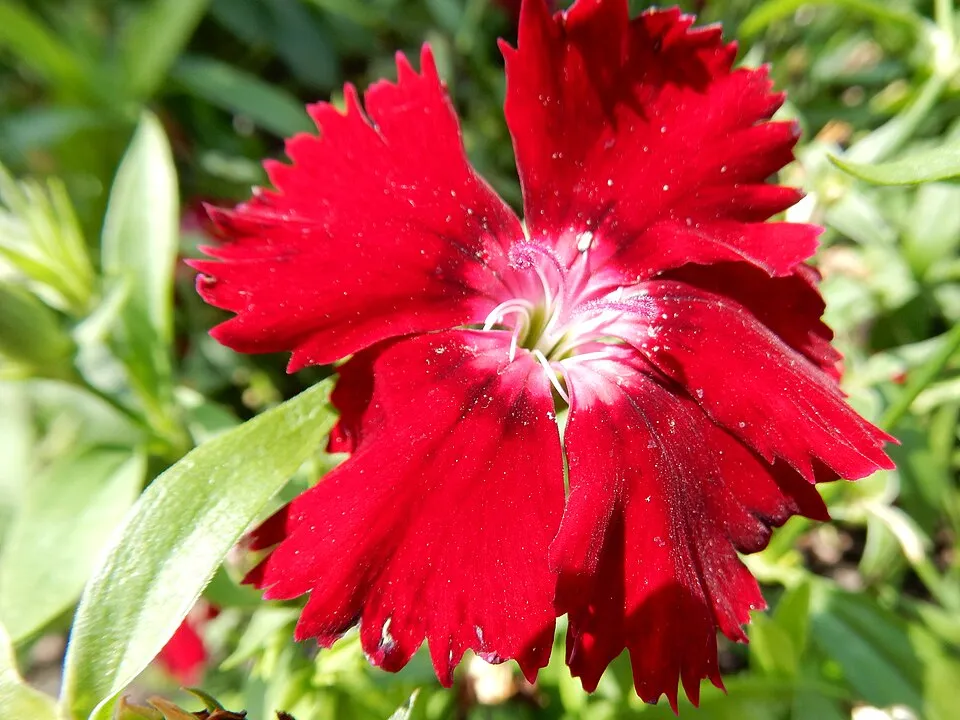
Dianthus barbatus, widely recognized by its common names Sweet William and Sweet John, is a charming herbaceous plant belonging to the Caryophyllaceae family. This species typically behaves as a biennial or a short-lived perennial, often cultivated as an annual in various temperate garden settings.
It forms a dense, bushy clump, usually reaching a mature height of 30 to 60 centimeters. The foliage consists of lanceolate, often glaucous green leaves with smooth margins, providing a lush backdrop to its vibrant floral display.
The most striking feature of Sweet William is its inflorescence—dense, rounded clusters of flowers, known as cymes, that bloom profusely from late spring through early fall. The individual flowers are relatively small but present a spectacular array of colors, ranging from pure white, various shades of pink and red, to deep purple, and frequently exhibit attractive bicolor patterns or contrasting 'eyes'.
A distinctive characteristic referenced in its scientific epithet 'barbatus' is the presence of beard-like tufts of hairs at the throat of the petals, adding to its unique aesthetic.
Native to southern Europe and parts of Asia, Dianthus barbatus has been widely naturalized and cultivated across the globe due to its ornamental value and adaptability. It thrives in well-drained, loamy soils that are slightly alkaline and prefers locations with full sun to partial shade, requiring at least six hours of sunlight daily for optimal growth and flowering.
While primarily celebrated as an ornamental, its historical presence in traditional herbal practices hints at a broader significance beyond its visual appeal.
Trusted Scientific References
1. Authoritative external sources for Dianthus Barbatus
1.1 Wikipedia — Dianthus Barbatus
1.2 Kew POWO (Plants of the World Online)
1.3 PubMed — peer-reviewed research
1.4 NCBI Taxonomy Browser
1.5 GBIF — Global Biodiversity
1.6Dianthus Barbatus should be interpreted through verified botanical identity, practical care, and responsible safety language. This recovery note adds the missing context needed for a complete profile: match light to the plant's habit, use well-drained soil, water according to season, and avoid unsupported medicinal or edible claims. For publishing, the plant can be presented as a source-backed garden plant with clear care guidance, common problem diagnosis, and conservative safety wording.
1.1.Dianthus Barbatus — Key Features
- ✓Botanical Identity — Dianthus barbatus, commonly known as Sweet William, a member of the Caryophyllaceae family.
- ✓Growth Habit — Biennial or short-lived perennial, forming bushy clumps up to 60 cm tall.
- ✓Distinctive Flowers — Dense, rounded clusters of vibrant, often bicolor flowers with 'bearded' petals.
- ✓Medicinal Properties — Noted for anti-inflammatory, antiseptic, and antioxidant actions.
- ✓Traditional Applications — Used in Ayurveda for digestion and skin, and TCM for respiratory health.
- ✓Phytochemical Richness — Contains beneficial flavonoids, saponins, and essential oils.
- ✓Cultivation Ease — Adaptable garden plant thriving in well-drained soil and moderate sunlight.
- ✓Pollinator Attractor — Flowers attract various pollinators, enhancing garden biodiversity.
- ✓Low Toxicity Profile — Generally considered low toxicity, but caution advised for ingestion.
- ✓Ornamental Value — Highly valued for its colorful blooms in cottage gardens and floral arrangements.
1.2.Dianthus Barbatus — At-a-Glance Summary
- ✓Dianthus barbatus, or Sweet William, is a vibrant biennial/perennial known for its ornamental and traditional medicinal uses.
- ✓Rich in flavonoids and saponins, offering anti-inflammatory, antiseptic, and antioxidant benefits.
- ✓Historically used in Ayurveda and TCM for digestive, skin, and respiratory support.
- ✓Requires well-drained soil and sun to partial shade for cultivation.
- ✓Potential for mild skin irritation or gastrointestinal upset if ingested in large amounts.
- ✓Not recommended for pregnant/lactating individuals or young children without professional advice.
2.Dianthus Barbatus — Scientific Profile
3.Dianthus Barbatus — Botanical Stats
4.Dianthus Barbatus — Morphological Account
5.Dianthus Barbatus — Where It Grows
6.Dianthus Barbatus — Cultural & Traditional Roles
7.Dianthus Barbatus — Active Compounds
- ✓Flavonoids — Key compounds include quercetin, kaempferol, and their glycosides, which are potent antioxidants and contribute significantly to the plant's anti-inflammatory and free radical scavenging activities.
- ✓Triterpenoid Saponins — These compounds are responsible for the plant's foaming properties and are believed to contribute to its expectorant, hemolytic, and potentially immunomodulatory actions.
- ✓Volatile Oils — Present in small quantities, these essential oils impart a delicate fragrance and may possess mild antimicrobial and carminative properties, contributing to the plant's traditional uses.
- ✓Anthocyanins — These water-soluble pigments are responsible for the vibrant red, pink, and purple hues of Sweet William flowers and also function as powerful antioxidants.
- ✓Phenolic Acids — Compounds such as caffeic acid and ferulic acid are found, contributing to the overall antioxidant and anti-inflammatory capacity of the plant material.
- ✓Glycosides — Various glycosidic compounds, including cardiac glycosides in some related species, are present, influencing diverse biological activities, though specific types and concentrations in Dianthus barbatus require further study.
- ✓Steroids — Phytosterols like beta-sitosterol are typically found in plant tissues, contributing to anti-inflammatory and cholesterol-lowering potential.
- ✓Polysaccharides — Complex carbohydrates that can contribute to immunomodulatory effects and overall plant structure, potentially supporting gut health when ingested.
8.Dianthus Barbatus — Modern Studies
- ✓Anti-inflammatory Properties — Sweet William contains compounds like flavonoids and saponins that may help reduce inflammation throughout the body, potentially alleviating symptoms associated with inflammatory conditions.
- ✓Antiseptic Action — Traditionally, the plant has been applied topically for its antiseptic qualities, aiding in the cleansing of minor wounds and preventing infection by inhibiting microbial growth.
- ✓Digestive Health Support — In Ayurvedic practices, Dianthus barbatus is believed to possess carminative properties, assisting in digestion, soothing gastrointestinal discomfort, and alleviating issues such as bloating and indigestion.
- ✓Skin Soothing and Healing — Due to its anti-inflammatory and antiseptic effects, preparations from Sweet William have been used for skin treatments to soothe irritations, reduce redness, and promote the healing of minor cuts or abrasions.
- ✓Respiratory System Aid — Traditional Chinese Medicine (TCM) utilizes this plant for respiratory ailments, suggesting its potential to act as an expectorant or antitussive, helping to clear congestion and ease coughs.
- ✓Antioxidant Activity — The presence of flavonoids and other phenolic compounds provides antioxidant benefits, helping to neutralize free radicals and protect cells from oxidative damage.
- ✓Diuretic Effects — Some traditional applications suggest a mild diuretic action, potentially supporting kidney function and aiding in the elimination of excess fluids from the body.
- ✓Antimicrobial Potential — Beyond general antiseptic uses, research on related Dianthus species indicates broader antimicrobial activity against certain bacteria and fungi, suggesting potential for broader infection control.
- ✓Cardiotonic Support — Although less documented, some historical texts hint at mild cardiotonic properties, suggesting a supportive role for cardiovascular health, though modern research is limited.
8.1.Dianthus Barbatus — Health Applications
9.Dianthus Barbatus — Adverse Effects
9.1.Dianthus Barbatus — Reported Side Effects
- ✓Skin Irritation — Direct contact with the plant sap may cause mild skin irritation or dermatitis in sensitive individuals.
- ✓Gastrointestinal Upset — Ingestion of large quantities of Dianthus barbatus can lead to mild gastrointestinal symptoms, including nausea, vomiting, or diarrhea.
- ✓Allergic Reactions — Individuals with known allergies to plants in the Caryophyllaceae family may experience allergic reactions, such as skin rashes or respiratory symptoms.
- ✓Low Toxicity — While generally considered to have low toxicity if ingested, it is not recommended for consumption in large amounts or by sensitive populations.
- ✓Interaction with Medications — Potential interactions with certain medications, particularly those affecting blood clotting or gastric acidity, have not been thoroughly studied but should be considered.
- ✓Oral Irritation — Chewing or ingesting parts of the plant may cause mild irritation to the mouth and throat.
9.2.Dianthus Barbatus — Toxicity Assessment
- ✓Pregnancy and Lactation — Due to insufficient safety data, pregnant and breastfeeding individuals should avoid using Dianthus barbatus.
- ✓Young Children and Pets — Keep the plant out of reach of young children and pets, as ingestion can cause mild toxicity; consult a veterinarian if ingestion occurs.
- ✓Allergic Sensitivity — Individuals with a history of plant allergies, especially to members of the carnation family, should exercise caution.
- ✓Consultation with Healthcare Professional — Always consult a qualified medical herbalist or healthcare provider before using Dianthus barbatus for medicinal purposes, especially if on medication or with pre-existing health conditions.
- ✓Topical Use Precautions — Perform a patch test on a small area of skin before extensive topical application to check for adverse reactions.
- ✓Dosage Adherence — Adhere strictly to recommended dosages and preparation guidelines when using herbal remedies derived from Sweet William.
- ✓Identification Accuracy — Ensure correct plant identification to avoid confusion with other species that may have different properties or higher toxicity.
10.Dianthus Barbatus — How to Use
- ✓Herbal Infusion — Dried flowers and leaves can be steeped in hot water to create a tea, traditionally used for digestive support and respiratory ailments.
- ✓Topical Poultice — Crushed fresh leaves or flowers can be applied directly to the skin as a poultice to soothe irritations, minor wounds, and insect bites.
- ✓Tincture Preparation — The plant material can be macerated in alcohol to create a concentrated tincture, allowing for longer shelf life and controlled dosing for internal use.
- ✓Decoction for Baths — A stronger decoction can be added to bathwater to alleviate widespread skin inflammation or general body aches.
- ✓Infused Oil/Salve — Flowers can be infused into a carrier oil (e.g., olive, almond) to create a soothing oil or salve for topical application on irritated skin.
- ✓Compress Application — A cloth soaked in a strong infusion or decoction can be applied as a compress to specific areas for localized anti-inflammatory or antiseptic effects.
- ✓Culinary Garnish — The petals, known for their slightly spicy or clove-like flavor, can be used sparingly as an edible garnish in salads or desserts, adding both color and a unique taste.
- ✓Aromatic Sachets — Dried flowers can be incorporated into sachets for their mild fragrance, though primary medicinal use is typically through ingestion or topical application.
11.Dianthus Barbatus — Growth Requirements
- ✓Soil Preference — Sweet William thrives in well-draining, loamy soil enriched with organic matter; it prefers a slightly alkaline pH.
- ✓Sunlight Requirements — Best grown in full sun to partial shade, ideally receiving at least 6 hours of direct sunlight daily for robust flowering.
- ✓Watering Regime — Maintain consistent moisture, especially during dry spells and the blooming period, but avoid waterlogging to prevent root rot.
- ✓Fertilization — Apply a balanced organic fertilizer every few weeks during the active growing season to promote vigorous growth and abundant blooms.
- ✓Pruning and Deadheading — Regular deadheading of spent flowers encourages continuous blooming and prevents self-seeding; pruning helps maintain plant shape and remove damaged foliage.
- ✓Pest and Disease Management — Be vigilant for common issues like crown rot and rust, particularly in poorly drained conditions; protect against snails and slugs, especially in shaded areas.
- ✓Propagation — Can be propagated by seeds, which are typically sown in late summer or early spring for blooms the following year, or by cuttings from established plants.
- ✓Winter Care — In colder climates, provide a layer of mulch to protect the root crown of perennial varieties through winter.
Reviewed by the Flora Medical Global Botanical Review Panel
Multi-disciplinary editorial group · Botany · Ethnobotany · Herbal-medicine literature
Who reviewed this: This page was checked by the Flora Medical Global Botanical Review Panel — an in-house editorial group of botany graduates, ethnobotany researchers, and horticulture practitioners who collectively maintain our 7,000+ plant encyclopedia. Meet the team.
Our 4-step verification process
1. Taxonomic verification
Scientific names and synonyms cross-checked against Kew POWO, World Flora Online, and The Plant List.
2. Phytochemical & medicinal cross-reference
Active compounds, traditional uses, and reported activities are cross-referenced with PubMed, USDA Dr. Duke's database, and peer-reviewed ethnobotanical literature.
3. Conservation & distribution check
Distribution, ecology, and conservation status confirmed against GBIF occurrence records and the IUCN Red List.
4. Editorial & safety review
Every entry passes an editorial pass for clarity, originality, and safety notices (toxicity, contraindications, dosage caveats) before publication.
Last reviewed:
Important medical disclaimer: This content is for educational and research purposes only. It is not medical advice and is not a substitute for consultation with a licensed healthcare provider. Do not use any herb to self-treat a medical condition without professional guidance.
Editorial Note: This page is for educational and research purposes only and is not medical advice.
Written by: Flora Medical Global Editorial Team
Reviewed by: Flora Medical Global Botanical Review Panel
Last Updated: June 15, 2026





Dianthus Barbatus — Comments & Community Reviews
Rate this plant