
Medical Disclaimer: This content is for educational purposes only. It is not medical advice. Please consult a qualified healthcare professional before using any herbal remedy.
Safety Overview
1.Dianthus Chinensis — Botanical Snapshot
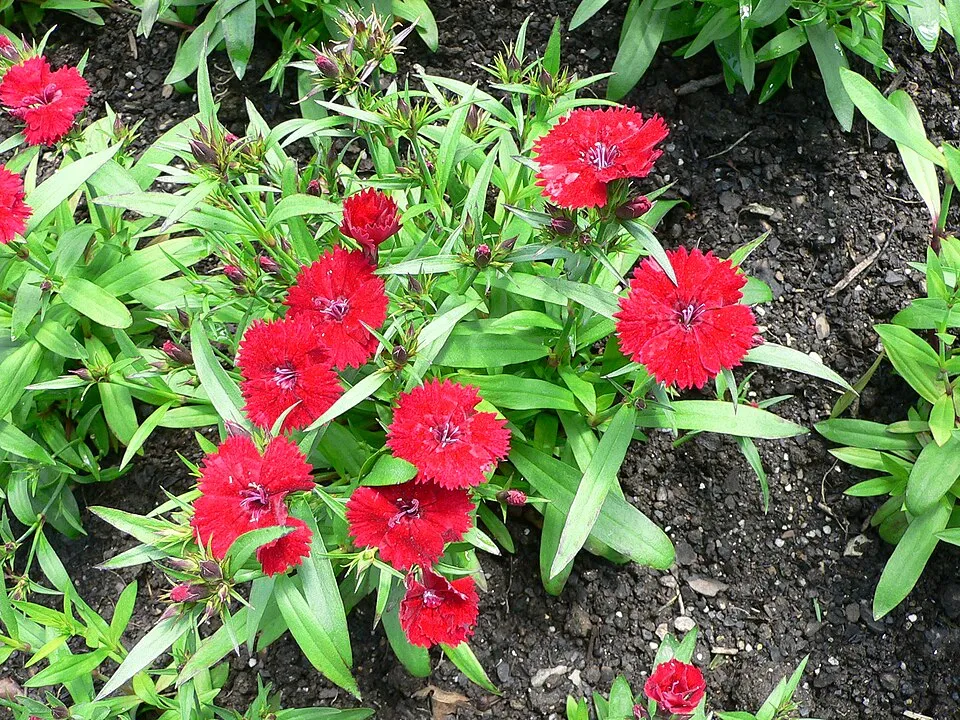
Dianthus chinensis, commonly known as Chinese Pink or Rainbow Pink, is an exquisite perennial herbaceous flowering plant belonging to the Caryophyllaceae family. This species is indigenous to East Asia, particularly China and Korea, where it thrives in a diverse array of natural habitats including sandy forest margins, dry hillsides, mountain scrub, rocky ravines, and along meadows and streamsides. The plant typically achieves a height of 30 to 70 centimeters, presenting slender, linear, grey-green leaves that can extend up to 15 centimeters in length.
Its most captivating feature is its profusion of vibrant, aromatic flowers, which bloom in a spectrum of colors including delicate pinks, fiery reds, and pure whites. These blooms are often characterized by their distinctive fringed or serrated petal margins, lending them an eye-catching, unique appearance. While naturally a perennial, Dianthus chinensis is frequently cultivated as an annual or biennial in temperate gardens due to its vigorous first-year flowering and subsequent decline.
Flowering typically occurs from late spring through late summer, specifically from July to August, making it a popular choice for ornamental landscapes and supporting local biodiversity and pollinators within USDA hardiness zones 5-8.
Trusted Scientific References
1. Authoritative external sources for Dianthus chinensis
1.1 Wikipedia — Dianthus chinensis
1.2 Kew POWO (Plants of the World Online)
1.3 PubMed — peer-reviewed research
1.4 NCBI Taxonomy Browser
1.5 GBIF — Global Biodiversity
1.6Dianthus Chinensis should be interpreted through verified botanical identity, practical care, and responsible safety language. This recovery note adds the missing context needed for a complete profile: match light to the plant's habit, use well-drained soil, water according to season, and avoid unsupported medicinal or edible claims. For publishing, the plant can be presented as a source-backed garden plant with clear care guidance, common problem diagnosis, and conservative safety wording.
1.1.Dianthus Chinensis — Notable Characteristics
- ✓Botanical Name — Dianthus chinensis L.
- ✓Common Names — Chinese Pink, Rainbow Pink, China Pink, Annual Pink.
- ✓Plant Family — Caryophyllaceae (Carnation Family).
- ✓Native Range — Indigenous to China and Korea in East Asia.
- ✓Medicinal Uses — Diuretic, Antiphlogistic, Anthelmintic, Emmenagogue, Febrifuge.
- ✓Key Constituents — Flavonoids, Triterpenoid Saponins, Glycosides, Phenolic Acids.
- ✓Habitat Preference — Diverse, found in sandy forest margins, hillsides, and meadows.
- ✓Ornamental Value — Highly prized for its vibrant, fringed, and aromatic flowers.
- ✓USDA Hardiness — Generally hardy in USDA zones 5 through 8.
- ✓Traditional System — Primarily utilized in Traditional Chinese Medicine (TCM).
1.2.Dianthus Chinensis — In Brief
- ✓Dianthus chinensis, or Chinese Pink, is a vibrant perennial native to East Asia, cherished for its ornamental and medicinal value.
- ✓Valued in traditional Chinese medicine (TCM) for its potent diuretic, anti-inflammatory, and antimicrobial properties.
- ✓Rich in bioactive compounds like flavonoids, saponins, and glycosides, contributing to its diverse therapeutic actions.
- ✓Commonly utilized for supporting urinary tract health, addressing menstrual irregularities, and treating various skin conditions.
- ✓Requires well-drained soil and ample sunlight for optimal growth, thriving with consistent yet moderate care.
- ✓Strongly contraindicated during pregnancy and requires professional consultation for individuals with pre-existing health conditions.
2.Dianthus Chinensis — Nomenclature & Classification
3.Dianthus Chinensis — Fact Sheet
4.Dianthus Chinensis — Botanical Description
5.Dianthus Chinensis — Ecological Habitat
6.Dianthus Chinensis — Folk Medicine Applications
7.Dianthus Chinensis — Key Phytochemicals
- ✓Flavonoids — Key compounds include quercetin, kaempferol, and their glycosides (e.g., rutin), which are potent antioxidants and anti-inflammatory agents.
- ✓Glycosides — A diverse group including various flavonoid glycosides and triterpenoid saponin glycosides, contributing to diuretic and anti-inflammatory actions.
- ✓Saponins — Specifically triterpenoid saponins (e.g., dianthosides), responsible for its diuretic, anti-inflammatory, and expectorant properties.
- ✓Volatile Compounds — Minor amounts of aromatic compounds contribute to the flower's fragrance and may possess mild antimicrobial activity.
- ✓Phenolic Acids — Such as caffeic acid and ferulic acid, which are known for their antioxidant and free-radical scavenging capabilities.
- ✓Steroids — Presence of steroidal compounds, which can have hormonal and anti-inflammatory effects.
- ✓Polysaccharides — Complex carbohydrates that may contribute to immunomodulatory activities, enhancing the body's natural defenses.
- ✓Anthocyanins — Pigments responsible for the vibrant colors of the flowers, also possessing antioxidant properties.
8.Dianthus Chinensis — Scientific Evidence
- ✓Anthelmintic Action — Traditionally used to expel parasitic worms from the gastrointestinal tract, contributing to digestive health.
- ✓Antibacterial Properties — Exhibits inhibitory effects against various bacterial strains, supporting the body's defense mechanisms against infections.
- ✓Antiphlogistic Effects — Helps to reduce inflammation throughout the body, making it beneficial for inflammatory conditions both internally and externally.
- ✓Diaphoretic Activity — Promotes perspiration, which can assist in lowering fever and detoxifying the body by expelling toxins through the skin.
- ✓Diuretic Support — Acts on the kidneys to increase urine flow, aiding in the treatment of urinary tract infections, kidney stones, and fluid retention.
- ✓Emmenagogue Effect — Stimulates or regulates menstrual flow, traditionally used for amenorrhea or delayed menstruation, though requiring careful use.
- ✓Febrifuge Qualities — Possesses fever-reducing properties, helping to alleviate symptoms associated with febrile conditions.
- ✓Haemostatic Action — Aids in controlling minor internal bleeding by promoting blood clotting, historically applied for various hemorrhagic conditions.
- ✓Ophthalmic Application — Crushed old leaves have been traditionally used to clear eyesight and address certain eye complaints.
- ✓General Tonic — Considered a bitter tonic herb that stimulates the digestive and urinary systems, enhancing overall systemic function and vitality.
- ✓Urinary Tract Health — Specifically employed in Traditional Chinese Medicine (TCM) for acute urinary tract infections, especially cystitis, and for urinary stones.
- ✓External Skin Treatment — Applied topically to treat skin inflammations, swellings, and other dermatological irritations.
8.1.Dianthus Chinensis — Indications & Uses
9.Dianthus Chinensis — Safety Considerations
9.1.Dianthus Chinensis — Side Effects & Warnings
- ✓Gastrointestinal Upset — May cause mild nausea, stomach discomfort, or diarrhea in sensitive individuals, especially with high doses.
- ✓Allergic Reactions — Rare instances of allergic reactions such as skin rashes, itching, or respiratory irritation may occur, particularly in individuals sensitive to the Caryophyllaceae family.
- ✓Uterine Contractions — Due to its emmenagogue properties, it can potentially stimulate uterine contractions, posing a risk during pregnancy.
- ✓Electrolyte Imbalance — Prolonged or excessive use as a diuretic may lead to electrolyte imbalances, particularly potassium depletion.
- ✓Drug Interactions — May interact with diuretic medications, increasing their effect, and potentially with blood thinners due to its haemostatic properties or saponin content.
- ✓Skin Irritation — While used topically for inflammation, some sensitive individuals might experience mild skin irritation or dermatitis upon external application.
9.2.Dianthus Chinensis — Safety Profile
- ✓Pregnancy and Lactation — Absolutely contraindicated during pregnancy due to its emmenagogue properties, which can induce uterine contractions and lead to miscarriage. Avoid during lactation.
- ✓Children — Use with extreme caution in children, and only under the direct supervision and recommendation of a qualified healthcare professional.
- ✓Pre-existing Conditions — Individuals with kidney disease, heart conditions, or bleeding disorders should consult a healthcare provider before use.
- ✓Prior to Surgery — Discontinue use at least two weeks before any scheduled surgery due to potential interactions with blood clotting mechanisms.
- ✓Allergic Sensitivity — Individuals with known allergies to plants in the Caryophyllaceae family (e.g., carnations) should avoid Dianthus chinensis.
- ✓Dosage Adherence — Strict adherence to recommended dosages is critical; excessive use can increase the risk and severity of side effects.
- ✓Professional Consultation — Always seek advice from a qualified medical herbalist or healthcare professional before using Dianthus chinensis for medicinal purposes.
10.Dianthus Chinensis — Usage Guide
- ✓Herbal Tea/Infusion — Prepare an infusion using dried aerial parts (flowers and leaves) steeped in hot water for diuretic and febrifuge benefits.
- ✓Decoction Preparation — For a more potent extract, simmer the dried whole plant, especially tougher parts, in water to create a decoction, often used for urinary issues.
- ✓Tincture Extraction — Create an alcohol-based tincture from fresh or dried plant material for a concentrated, long-lasting medicinal preparation.
- ✓Poultice/Compress — Crush fresh leaves and flowers to form a poultice, applying it topically to skin inflammations, swellings, or minor irritations.
- ✓Topical Infused Oil — Infuse dried Dianthus chinensis into a carrier oil (e.g., olive, almond) for topical application on skin conditions, providing soothing relief.
- ✓Internal Powder — The dried whole plant can be finely powdered and encapsulated for internal consumption, traditionally used for conditions like constipation.
- ✓Traditional Eye Wash — An infusion made from old leaves has been historically used as a mild eye wash for clearing the eyesight, though modern caution is advised.
- ✓Sitz Bath — A strong decoction can be added to bathwater for a sitz bath, particularly for addressing urinary tract discomfort or external inflammations.
11.Dianthus Chinensis — Garden Cultivation
- ✓Soil Preference — Thrives in well-drained, sandy or loamy soils with a slightly acidic to neutral pH range of 6.0 to 7.0, avoiding heavy clay.
- ✓Light Requirements — Prefers full sun exposure for optimal flowering and growth, though it can tolerate light partial shade; avoids deep shade.
- ✓Watering Regimen — Requires regular watering to maintain consistent soil moisture, but it is crucial to avoid overwatering to prevent root rot.
- ✓Propagation Techniques — Can be successfully propagated from seeds, typically sown in spring, or through stem cuttings taken in early summer.
- ✓Maintenance Practices — Deadheading spent flowers encourages continuous blooming throughout the growing season and improves plant vigor.
- ✓Fertilization Schedule — Apply a balanced, all-purpose fertilizer during the active growing period to support healthy development and abundant flowering.
- ✓Spacing Recommendations — Space plants approximately 30-38 centimeters (12-15 inches) apart to ensure adequate air circulation and prevent fungal diseases.
- ✓Hardiness and Climate — Hardy in USDA zones 5-8 and UK zone 7, tolerating moderate cold but benefiting from winter protection in colder regions.
Reviewed by the Flora Medical Global Botanical Review Panel
Multi-disciplinary editorial group · Botany · Ethnobotany · Herbal-medicine literature
Who reviewed this: This page was checked by the Flora Medical Global Botanical Review Panel — an in-house editorial group of botany graduates, ethnobotany researchers, and horticulture practitioners who collectively maintain our 7,000+ plant encyclopedia. Meet the team.
Our 4-step verification process
1. Taxonomic verification
Scientific names and synonyms cross-checked against Kew POWO, World Flora Online, and The Plant List.
2. Phytochemical & medicinal cross-reference
Active compounds, traditional uses, and reported activities are cross-referenced with PubMed, USDA Dr. Duke's database, and peer-reviewed ethnobotanical literature.
3. Conservation & distribution check
Distribution, ecology, and conservation status confirmed against GBIF occurrence records and the IUCN Red List.
4. Editorial & safety review
Every entry passes an editorial pass for clarity, originality, and safety notices (toxicity, contraindications, dosage caveats) before publication.
Last reviewed:
Important medical disclaimer: This content is for educational and research purposes only. It is not medical advice and is not a substitute for consultation with a licensed healthcare provider. Do not use any herb to self-treat a medical condition without professional guidance.
Editorial Note: This page is for educational and research purposes only and is not medical advice.
Written by: Flora Medical Global Editorial Team
Reviewed by: Flora Medical Global Botanical Review Panel
Last Updated: June 15, 2026





Dianthus Chinensis — Comments & Community Reviews
Rate this plant