

Medical Disclaimer: This content is for educational purposes only. It is not medical advice. Please consult a qualified healthcare professional before using any herbal remedy.
Safety Overview
1.Dicentra Eximia — Essential Profile
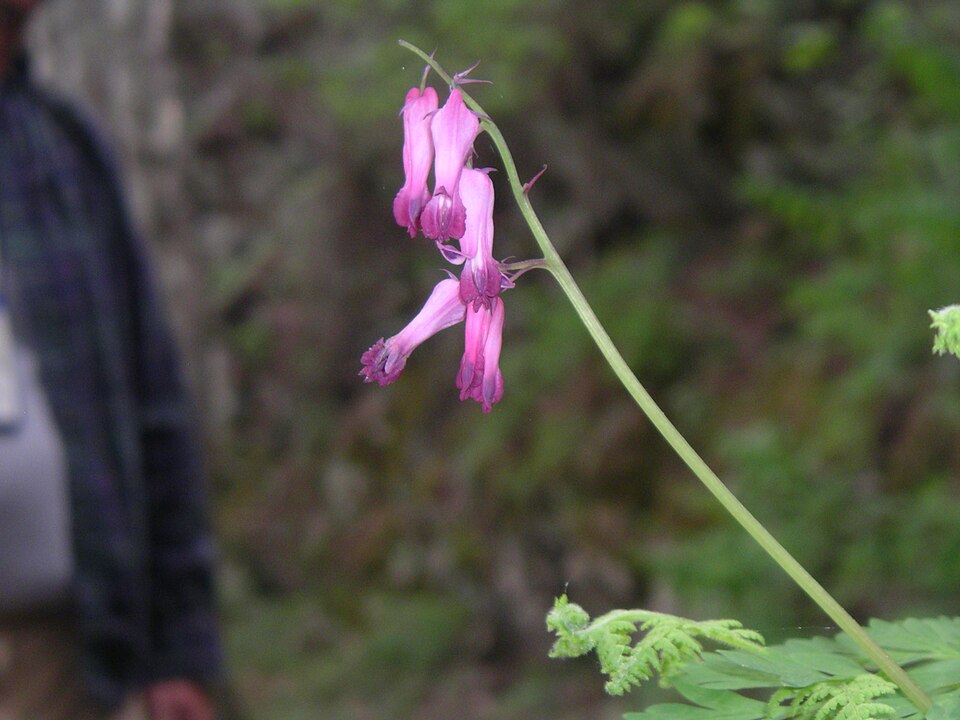
Dicentra eximia, commonly known as Fringed Bleeding Heart or Wild Bleeding Heart, is a captivating native herbaceous perennial celebrated for its delicate beauty. This striking plant typically reaches a height of 30 to 45 centimeters (12 to 18 inches), forming attractive arching mounds. Its foliage is a distinctive feature, characterized by finely dissected, fern-like, ternately decompound leaves that often exhibit a lovely bluish-green hue, providing a soft texture to the garden.
During an extended blooming period from late spring well into fall, and sometimes reblooming in warmer climates, Dicentra eximia produces numerous heart-shaped flowers. These pendulous blooms, typically pink to purplish-pink, measure approximately 2 to 3 centimeters across and are borne on slender, erect-spreading flower scapes that rise gracefully above the lacy foliage.
Ecologically, Dicentra eximia is indigenous to the forest floors, rocky woods, and ledges of the Appalachian Mountains in eastern North America, particularly noted as a native species in North Carolina. It thrives in temperate climates, preferring rich, moist, well-drained soils that are abundant in organic matter. While it flourishes in partial to full shade, it can tolerate more direct sunlight if consistently provided with ample moisture.
The plant readily naturalizes in suitable conditions, often propagating through seed dispersal aided by ants, making it an excellent choice for native plant gardens, woodland settings, and shaded rockeries. Taxonomically, Dicentra eximia belongs to the Papaveraceae family, specifically the Fumarioideae subfamily, a classification that underscores its botanical relationship to other poppy-like plants.
Trusted Scientific References
1. Authoritative external sources for Dicentra Eximia
1.1 Wikipedia — Dicentra Eximia
1.2 Kew POWO (Plants of the World Online)
1.3 PubMed — peer-reviewed research
1.4 NCBI Taxonomy Browser
1.5 GBIF — Global Biodiversity
1.6Dicentra Eximia should be interpreted through verified botanical identity, practical care, and responsible safety language. This recovery note adds the missing context needed for a complete profile: match light to the plant's habit, use well-drained soil, water according to season, and avoid unsupported medicinal or edible claims. For publishing, the plant can be presented as a source-backed garden plant with clear care guidance, common problem diagnosis, and conservative safety wording.
1.1.Dicentra Eximia — Distinguishing Points
- ✓Native Appalachian perennial — Native Appalachian perennial wildflower.
- ✓Distinctive heart — shaped pink to purplish-pink pendulous flowers.
- ✓Elegant, finely dissected, fern — like foliage, often with a bluish-green tint.
- ✓Contains toxic isoquinoline — Contains toxic isoquinoline alkaloids throughout all plant parts.
- ✓Blooms prolifically from — Blooms prolifically from late spring through fall, offering extended garden interest.
- ✓Highly attractive to — Highly attractive to hummingbirds, bees, and other beneficial pollinators.
- ✓Excellent choice for — Excellent choice for shade gardens, rock gardens, and native plant landscapes.
- ✓Known for being a low — maintenance plant with minimal pest or disease issues.
- ✓Exhibits natural resistance — Exhibits natural resistance to browsing by deer and rabbits.
- ✓Capable of naturalizing — Capable of naturalizing through seed dispersal, often aided by ants.
1.2.Dicentra Eximia — Concise Overview
- ✓Ornamental perennial native to the Appalachian Mountains, known as Fringed Bleeding Heart.
- ✓Features delicate, fern-like leaves and distinctive heart-shaped pink to purplish-pink flowers.
- ✓Thrives in moist, shaded, well-drained garden environments, making it ideal for woodland settings.
- ✓All plant parts are toxic due to the presence of isoquinoline alkaloids; it is not safe for consumption.
- ✓Valued primarily for its aesthetic appeal in gardens and its role as an important pollinator plant.
- ✓Generally low maintenance, naturally resistant to deer and rabbits, and can naturalize easily.
2.Dicentra Eximia — Botanical Identity
3.Dicentra Eximia — Fact Sheet
4.Dicentra Eximia — Botanical Description
5.Dicentra Eximia — Native Range & Habitat
6.Dicentra Eximia — Folk Medicine Applications
7.Dicentra Eximia — Phytochemistry
- ✓Isoquinoline Alkaloids — The primary class of toxic compounds, including protopine, cryptopine, and dicentrine, which are responsible for the plant's poisonous properties and its effects on the nervous system and gastrointestinal tract.
- ✓Protopine — A significant isoquinoline alkaloid found in Dicentra eximia, known for its sedative and analgesic potential in highly controlled pharmacological studies, but toxic in crude plant form.
- ✓Cryptopine — Another prominent isoquinoline alkaloid contributing to the plant's overall toxicity, with documented anticholinergic and central nervous system depressant effects.
- ✓Dicentrine — A specific and potent alkaloid characteristic of Dicentra species, implicated in the neurotoxic effects observed upon ingestion of the plant material.
- ✓Sanguinarine — Although present in smaller quantities compared to some other Papaveraceae members, sanguinarine contributes to the plant's cytotoxicity and can cause dermal irritation.
- ✓Chelerythrine — Another benzophenanthridine alkaloid often found alongside sanguinarine, recognized for its antimicrobial properties but also its high toxicity and ability to inhibit enzymes.
- ✓Flavonoids — Various flavonoid compounds are present, acting as natural antioxidants and providing UV protection to the plant, though not the primary compounds of medicinal or toxicological concern in this species.
- ✓Organic Acids — A range of organic acids are present, playing essential roles in the plant's metabolic processes and contributing to its overall chemical profile.
- ✓Glycosides — May contain various glycosidic compounds, which can have diverse biological activities, but specific toxic glycosides are not the main concern as are the alkaloids.
- ✓Resins — Minor components that contribute to the plant's structural integrity and potentially serve in defense mechanisms against herbivores.
- ✓Volatile Compounds — Small quantities of volatile organic compounds may be present, contributing to subtle scents or acting as chemical signals for insect deterrence.
- ✓Triterpenoids — Compounds with complex structures and diverse biological roles, often involved in plant defense and growth regulation.
8.Dicentra Eximia — Scientific Evidence
- ✓Caution — Not recommended for internal medicinal use due to the presence of toxic isoquinoline alkaloids throughout all plant parts, posing significant health risks.
- ✓Historical Misconceptions — Despite its common name, there is no credible historical record of safe traditional herbal applications for human ailments from Dicentra eximia.
- ✓Homeopathic Context — Occasionally referenced in highly diluted homeopathic preparations for specific nervous system complaints, but this practice is distinct from traditional herbal medicine and should not be confused with crude plant use.
- ✓External Application Risks — Direct external application of plant material or sap can cause skin irritation, contact dermatitis, or allergic reactions in sensitive individuals.
- ✓Animal Toxicity — Known to be poisonous to livestock and domestic pets if ingested, leading to symptoms such as gastrointestinal distress and potential neurological effects.
- ✓Botanical Confusion — The plant's resemblance to other species highlights the critical importance of accurate identification, especially when considering any plant for medicinal purposes.
- ✓Ornamental Value — The primary benefit of Dicentra eximia lies in its aesthetic appeal as a beautiful garden perennial, enhancing landscape beauty.
- ✓Ecological Role — Serves as a valuable nectar source, particularly for hummingbirds, bees, and butterflies, significantly contributing to local pollinator populations and ecosystem health.
- ✓Educational Importance — Its toxic nature serves as an important botanical example, emphasizing the crucial distinction between ornamental garden plants and those suitable for medicinal preparations.
- ✓Public Safety — Education on the poisonous properties of Dicentra eximia is essential to prevent accidental ingestion by children or pets, promoting general public safety.
- ✓Pharmacological Interest — While toxic in its natural state, the unique alkaloid compounds within Dicentra eximia may hold interest for future pharmacological research into novel therapeutic agents under strict laboratory control.
- ✓Absence of Clinical Evidence — Lacks any scientific or clinical trial data supporting safe or effective medicinal use in humans, reinforcing its classification as a non-medicinal plant.
8.1.Dicentra Eximia — Conditions Traditionally Used For
9.Dicentra Eximia — Safety Considerations
9.1.Dicentra Eximia — Caution Notes
- ✓Gastrointestinal Distress — Ingestion of any part of the plant can lead to symptoms such as nausea, vomiting, diarrhea, and severe abdominal pain.
- ✓Neurological Symptoms — Consumption, particularly in larger quantities, may cause tremors, incoordination, lethargy, and other central nervous system disturbances due to its alkaloid content.
- ✓Dermatitis — Direct skin contact with the sap or foliage can cause irritation, redness, itching, or allergic reactions in sensitive individuals.
- ✓Cardiac Irregularities — In severe cases of ingestion, some isoquinoline alkaloids found in Dicentra species have been linked to potential adverse cardiac effects.
- ✓Liver Toxicity — Prolonged or significant exposure to the alkaloids present in Dicentra eximia may pose a risk to liver function, particularly in animals.
- ✓Animal Poisoning — Known to be highly toxic to pets and livestock, leading to a range of gastrointestinal and neurological disturbances requiring veterinary intervention.
- ✓Oral Irritation — Chewing or ingesting parts of the plant can cause a burning sensation or irritation in the mouth and throat, followed by systemic symptoms.
9.2.Dicentra Eximia — Risk Assessment
- ✓Not for Internal Consumption — All parts of Dicentra eximia are considered toxic and should never be ingested by humans or animals under any circumstances.
- ✓Keep Away from Children and Pets — Ensure the plant is placed in garden areas inaccessible to curious children and domestic animals to prevent accidental poisoning.
- ✓Handle with Care — Individuals with sensitive skin should wear protective gloves when handling the plant to avoid potential contact dermatitis from the plant sap.
- ✓Proper Identification — It is crucial to correctly identify Dicentra eximia, as it can be confused with other plants, some of which may also be toxic or have different properties.
- ✓Emergency Protocol — In the event of accidental ingestion, seek immediate medical attention or contact a poison control center without delay.
- ✓Avoid Self-Medication — Due to its inherent toxic nature, Dicentra eximia should never be used for self-treatment, homeopathic remedies, or any form of home herbal preparation.
- ✓Garden Placement — Consider planting Dicentra eximia in secluded garden areas where casual contact or accidental ingestion is less likely, particularly in family gardens.
10.Dicentra Eximia — Preparations & Uses
- ✓Ornamental Display — Primarily cultivated as an attractive garden perennial, valued for its distinctive heart-shaped flowers and delicate, fern-like foliage that adds texture to landscapes.
- ✓Shade Garden Accent — Excellently suited for enhancing shaded borders, woodland settings, and areas beneath deciduous trees where it can thrive in filtered light.
- ✓Rock Garden Specimen — Its compact size, graceful form, and preference for well-drained conditions make it a striking and delicate addition to rock gardens.
- ✓Pollinator Attraction — Planted specifically to draw hummingbirds, bees, and butterflies, thereby contributing significantly to local biodiversity and ecological health in home gardens.
- ✓Cutting Flowers — The charming, pendulous blooms can be harvested for small, delicate floral arrangements, adding a unique and whimsical touch to indoor displays.
- ✓Naturalizing — Allows to spread by seed in appropriate conditions, creating enchanting naturalized drifts and informal groundcover in native plant landscapes.
- ✓Educational Tool — Utilized in botanical gardens, arboretums, and educational settings to showcase native flora and highlight important plant identification distinctions.
- ✓Container Gardening — Can be successfully grown in containers in shady spots, provided there is adequate drainage and consistent moisture, offering flexible placement in patios or balconies.
11.Dicentra Eximia — How to Grow
- ✓Soil Preparation — Requires rich, well-drained soil generously amended with organic matter to ensure adequate moisture retention and aeration, mimicking its native woodland habitat.
- ✓Light Requirements — Thrives best in partial to full shade, especially in hotter climates, though it can tolerate more sun if consistently provided with abundant water.
- ✓Watering — Maintain consistently moist soil throughout the growing season; avoid waterlogging, particularly during winter, which can lead to detrimental root rot.
- ✓Climate & Hardiness — Hardy in USDA zones 3-9, preferring cool, moist conditions characteristic of its native Appalachian Mountain environment.
- ✓Propagation — Can be readily propagated by seed, often dispersed naturally by ants (myrmecochory), or by carefully dividing established clumps in early spring or fall.
- ✓Garden Placement — Ideal for woodland gardens, shaded borders, rock gardens, native plant landscapes, and naturalized areas where its delicate foliage can flourish.
- ✓Maintenance — Generally low-maintenance; deadheading spent blooms can encourage further flowering, and it exhibits natural resistance to deer and rabbit browsing.
- ✓Winter Care — Ensure excellent drainage during winter months to prevent root damage from excessive moisture, particularly in regions experiencing cold and wet conditions.
Reviewed by the Flora Medical Global Botanical Review Panel
Multi-disciplinary editorial group · Botany · Ethnobotany · Herbal-medicine literature
Who reviewed this: This page was checked by the Flora Medical Global Botanical Review Panel — an in-house editorial group of botany graduates, ethnobotany researchers, and horticulture practitioners who collectively maintain our 7,000+ plant encyclopedia. Meet the team.
Our 4-step verification process
1. Taxonomic verification
Scientific names and synonyms cross-checked against Kew POWO, World Flora Online, and The Plant List.
2. Phytochemical & medicinal cross-reference
Active compounds, traditional uses, and reported activities are cross-referenced with PubMed, USDA Dr. Duke's database, and peer-reviewed ethnobotanical literature.
3. Conservation & distribution check
Distribution, ecology, and conservation status confirmed against GBIF occurrence records and the IUCN Red List.
4. Editorial & safety review
Every entry passes an editorial pass for clarity, originality, and safety notices (toxicity, contraindications, dosage caveats) before publication.
Last reviewed:
Important medical disclaimer: This content is for educational and research purposes only. It is not medical advice and is not a substitute for consultation with a licensed healthcare provider. Do not use any herb to self-treat a medical condition without professional guidance.
Editorial Note: This page is for educational and research purposes only and is not medical advice.
Written by: Flora Medical Global Editorial Team
Reviewed by: Flora Medical Global Botanical Review Panel
Last Updated: June 15, 2026





Dicentra Eximia — Comments & Community Reviews
Rate this plant