

Medical Disclaimer: This content is for educational purposes only. It is not medical advice. Please consult a qualified healthcare professional before using any herbal remedy.
Safety Overview
1.Dieffenbachia Tropic Snow — At a Glance
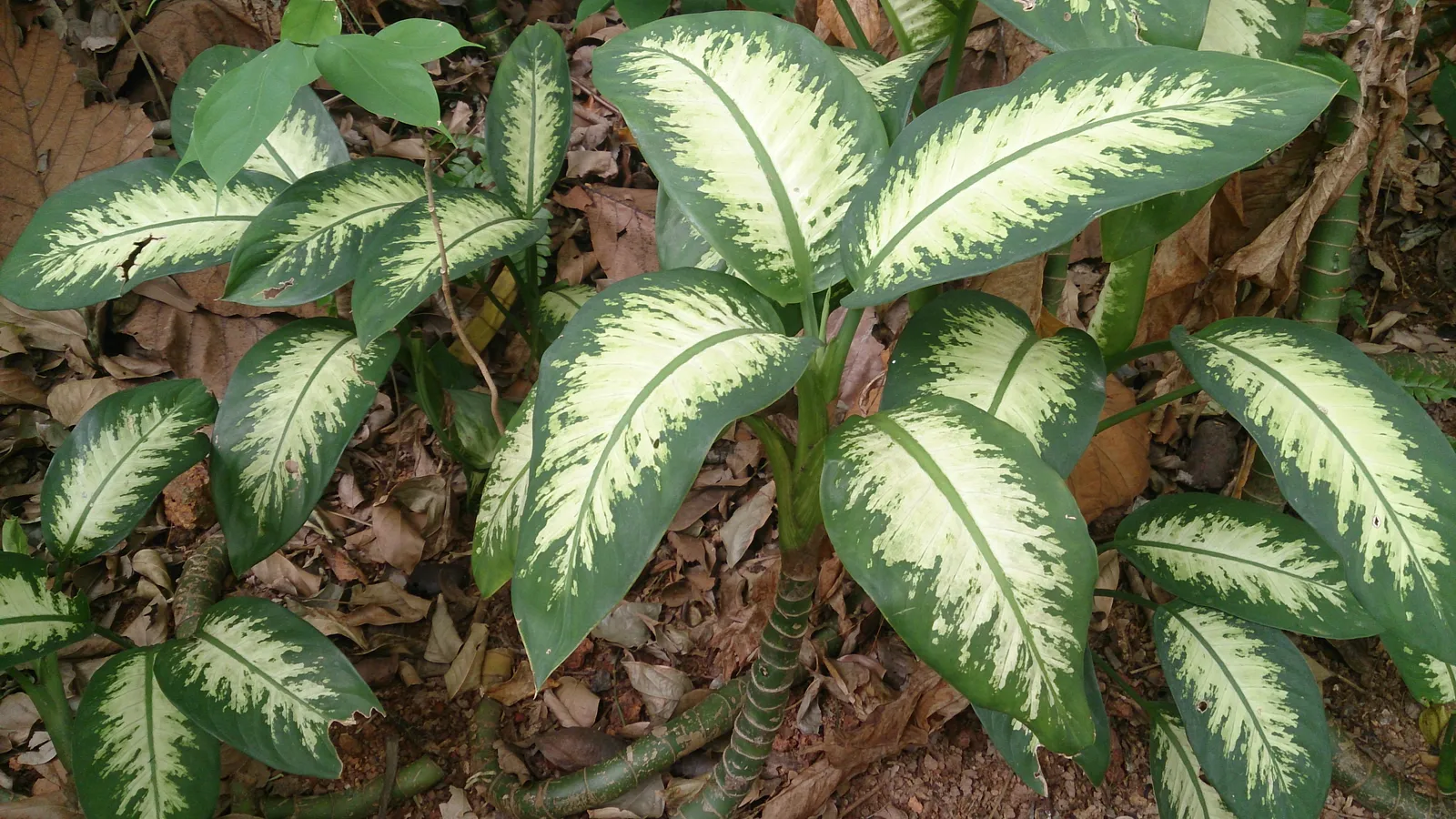
Dieffenbachia Tropic Snow, commonly known as the dumb cane, is a distinguished cultivar of the Dieffenbachia genus, celebrated for its exceptionally ornamental foliage. This robust herbaceous perennial typically achieves an indoor height of 3 to 4 feet, though some specimens can reach up to 10 feet in optimal conditions, forming a prominent vertical accent in any space. Its large, captivating leaves are the plant's defining feature, often growing up to 12 inches long and 6 inches wide. They exhibit a striking variegation of deep emerald green adorned with irregular, creamy white or pale yellow spots and streaks, resembling a painter's artistic splashes.
The leaves are typically oval to lanceolate in shape, supported by thick, succulent petioles that contribute to the plant's sturdy and upright posture. The stem itself is generally erect, smooth, and pale green. While Dieffenbachia Tropic Snow can occasionally produce an inconspicuous spathe and spadix inflorescence, typically white to light-green, it is overwhelmingly cultivated for its dramatic foliar display rather than its flowers. Native to the humid, shaded understories of tropical forests in Central and South America, this plant thrives in warm, consistently moist environments that mimic its natural habitat.
Taxonomically, it belongs to the Araceae family, a diverse group known for many popular ornamental plants, underscoring its aesthetic appeal. Despite its visual charm, it is crucial to note its inherent toxicity, a characteristic that also gives rise to its common name, 'dumb cane,' due to the temporary speech impairment it can cause upon ingestion.
Trusted Scientific References
1. Authoritative external sources for Dieffenbachia Tropic Snow
1.1 Wikipedia — Dieffenbachia Tropic Snow
1.2 Kew POWO (Plants of the World Online)
1.3 PubMed — peer-reviewed research
1.4 NCBI Taxonomy Browser
1.5 GBIF — Global Biodiversity
1.6Dieffenbachia Tropic Snow should be interpreted through verified botanical identity, practical care, and responsible safety language. This recovery note adds the missing context needed for a complete profile: match light to the plant's habit, use well-drained soil, water according to season, and avoid unsupported medicinal or edible claims. For publishing, the plant can be presented as a source-backed indoor plant with clear care guidance, common problem diagnosis, and conservative safety wording.
1.1.Dieffenbachia Tropic Snow — Distinguishing Points
- ✓Striking Variegated Foliage — Large, oval to lanceolate leaves with dramatic patterns of deep green and creamy white.
- ✓Robust Indoor Plant — Sturdy, erect stems support lush, dense foliage, making it a prominent indoor specimen.
- ✓Tropical Aesthetic — Instantly adds an exotic, vibrant, and luxurious feel to any indoor environment.
- ✓Air Purifying Qualities — Contributes to indoor air quality by filtering some volatile organic compounds, albeit modestly.
- ✓High Toxicity — Contains calcium oxalate raphides, making it highly irritating and toxic if ingested or contacted.
- ✓Relatively Easy to Grow — Considered low-to-moderate maintenance for those familiar with tropical houseplants.
- ✓Prefers Indirect Light — Thrives in bright, filtered light, mimicking its natural understory habitat.
- ✓Requires Warmth and Humidity — Best suited for consistent warm temperatures and higher ambient humidity.
- ✓Common Name Origin — 'Dumb cane' reflects the temporary speech impairment caused by ingestion-induced swelling.
- ✓Non — Medicinal Plant — Solely cultivated for its decorative value, with no safe or recognized medicinal applications.
1.2.Dieffenbachia Tropic Snow — Quick Summary
- ✓Highly ornamental foliage plant with striking green and creamy white variegation.
- ✓Native to tropical Central and South American rainforests.
- ✓Contains toxic calcium oxalate crystals and proteolytic enzymes, causing severe irritation.
- ✓Known as 'dumb cane' due to the temporary speech loss caused by oral swelling if ingested.
- ✓Requires bright, indirect light, warm temperatures, and consistent soil moisture.
- ✓Strictly an ornamental plant; never ingest and keep strictly out of reach of children and pets.
2.Dieffenbachia Tropic Snow — Scientific Identity
3.Dieffenbachia Tropic Snow — Vital Statistics
4.Dieffenbachia Tropic Snow — Botanical Features
5.Dieffenbachia Tropic Snow — Ecological Habitat
6.Dieffenbachia Tropic Snow — Traditional Uses
7.Dieffenbachia Tropic Snow — Phytochemistry
- ✓Calcium Oxalate Crystals (Raphides) — The primary toxic constituents, these needle-like, insoluble crystals are found in idioblasts throughout the plant's tissues, particularly in the sap. Upon contact or ingestion, they cause immediate, intense mechanical irritation and pain.
- ✓Proteolytic Enzymes — Enzymes such as 'dieffenbachin' are present in the sap and are believed to act synergistically with calcium oxalate raphides. They break down proteins, enhancing the irritant effect and contributing to inflammation and tissue damage.
- ✓Saponins — These naturally occurring glycosides can cause mild irritation and gastrointestinal upset if ingested. While less potent than the oxalates, they contribute to the overall toxic profile.
- ✓Alkaloids (Potential Trace) — Some species within the Araceae family may contain various alkaloids, though specific toxic alkaloids in Dieffenbachia are not as prominently documented as the calcium oxalates.
- ✓Glycosides (General) — Beyond saponins, other glycosidic compounds might be present, contributing to the plant's defense mechanisms and potential irritant properties upon ingestion.
- ✓Flavonoids — Common plant pigments and antioxidants, these are generally not considered toxic but are part of the plant's overall phytochemical makeup.
- ✓Terpenoids — A diverse class of organic compounds found in many plants, which can contribute to plant aroma or defense, though specific toxic terpenoids are not primary concerns for Dieffenbachia.
- ✓Phenolic Compounds — These compounds, including simple phenols and tannins, are widely distributed in plants and can act as antioxidants or anti-feedants, contributing to the plant's chemical defense system.
- ✓Organic Acids (e.g., Citric Acid) — Various organic acids are present in plant metabolism, supporting growth and defense, though their direct toxic contribution is typically minor compared to oxalates.
8.Dieffenbachia Tropic Snow — Scientific Evidence
- ✓Absence of Medicinal Use — Dieffenbachia Tropic Snow is unequivocally not recognized or used in any traditional or modern herbal medicine system due to its profound toxicity; its primary role is ornamental.
- ✓Ornamental Value — It is highly prized for its striking variegated foliage, serving as an aesthetic enhancer and a focal point in interior design, adding lush tropical beauty to homes and offices.
- ✓Air Purification Properties (Limited) — Like many houseplants, it can contribute marginally to indoor air quality by absorbing some volatile organic compounds (VOCs), though this benefit is minor compared to its toxic risks.
- ✓Educational Tool for Plant Safety — Its well-documented toxicity makes it a valuable plant for illustrating the importance of identifying and safely handling potentially harmful botanical species.
- ✓Biophilic Design Element — Incorporates natural elements into indoor spaces, potentially contributing to psychological well-being through connection with nature, provided strict safety protocols are observed.
- ✓Humidity Enhancement — Its broad leaves contribute to local humidity, which can be beneficial in dry indoor environments, indirectly supporting the health of other humidity-loving plants.
- ✓Shade Tolerance — Its ability to thrive in partial shade makes it suitable for various indoor locations where other plants might struggle, expanding options for green decor.
- ✓Non-Allergenic Foliage — Generally, the foliage itself does not produce airborne allergens, making it suitable for many individuals sensitive to pollen, assuming no direct contact or ingestion.
- ✓Aesthetic Diversity — The unique 'Tropic Snow' variegation offers distinct visual appeal compared to other Dieffenbachia varieties, allowing for diverse interior landscaping options.
- ✓Minimal Pest Issues (Indoors) — When properly cared for, it tends to be relatively resistant to common indoor pests, simplifying its maintenance as an ornamental plant.
8.1.Dieffenbachia Tropic Snow — Reported Uses
9.Dieffenbachia Tropic Snow — Cautions & Contraindications
9.1.Dieffenbachia Tropic Snow — Caution Notes
- ✓Oral Irritation — Immediate, intense burning sensation, pain, and numbness in the mouth, tongue, and throat upon ingestion.
- ✓Swelling and Dysphagia — Rapid and severe swelling of oral tissues, pharynx, and larynx, leading to difficulty swallowing and potentially airway obstruction.
- ✓Gastrointestinal Distress — Nausea, vomiting, abdominal pain, and diarrhea may occur following ingestion of plant material.
- ✓Skin Irritation (Dermatitis) — Contact with the plant's sap can cause localized itching, redness, burning, blistering, and rash on sensitive skin.
- ✓Ocular Damage — Splashing sap into the eyes results in severe pain, burning, conjunctivitis, corneal abrasion, and temporary vision impairment or blindness.
- ✓Voice Loss (Aphonia) — Swelling of the vocal cords and surrounding tissues can temporarily render a person unable to speak, giving rise to the common name 'dumb cane'.
- ✓Respiratory Distress — In severe cases of laryngeal edema, breathing difficulties and stridor can develop, requiring immediate medical intervention.
9.2.Dieffenbachia Tropic Snow — Clinical Safety Notes
- ✓High Toxicity — Dieffenbachia Tropic Snow is highly toxic if any part is ingested or if its sap comes into contact with mucous membranes or open wounds.
- ✓Keep Away from Children and Pets — Absolutely critical to place this plant in locations entirely inaccessible to toddlers, young children, and all household pets due to severe poisoning risk.
- ✓Wear Protective Gear — Always wear thick gloves and eye protection when handling, pruning, or repotting to prevent skin and eye contact with the irritating sap.
- ✓Immediate Medical Attention — In case of accidental ingestion, severe skin contact, or eye exposure, seek emergency medical care or contact a poison control center immediately.
- ✓No Internal Use — Under no circumstances should any part of Dieffenbachia Tropic Snow be consumed or used internally for any purported medicinal or dietary purpose.
- ✓Thorough Hand Washing — After any interaction with the plant, even when wearing gloves, wash hands thoroughly with soap and water to remove any residual sap.
- ✓Educate Household Members — Inform all family members and regular visitors about the plant's toxic nature and the necessary precautions.
10.Dieffenbachia Tropic Snow — Preparations & Uses
- ✓Ornamental Display — Primarily cultivated as an indoor decorative plant, valued for its striking variegated foliage and tropical aesthetic.
- ✓Air Quality Enhancement — Position in living spaces to potentially contribute to ambient air purification by absorbing some volatile organic compounds, ensuring it is out of reach.
- ✓Interior Landscaping — Utilized as a prominent focal point or accent plant in homes, offices, and commercial interiors to add a lush, vibrant touch.
- ✓Safe Handling Protocol — Always wear protective gloves and eye protection when handling the plant, especially during pruning, repotting, or propagation, to avoid contact with toxic sap.
- ✓Strategic Placement — Place the plant in elevated locations or areas inaccessible to curious toddlers, children, and all household pets to mitigate accidental ingestion risks.
- ✓Educational Demonstration — Can be used in botanical or horticultural education to illustrate plant identification, toxicity, and the importance of safety precautions with ornamental species.
- ✓Propagation for Collection Expansion — Cuttings can be taken from healthy stems for propagation, always observing stringent safety measures, to expand a personal collection or share with other enthusiasts.
- ✓Decorative Groupings — Combine with other non-toxic houseplants to create visually appealing arrangements, ensuring Dieffenbachia is clearly identified and its toxic nature communicated.
11.Dieffenbachia Tropic Snow — Garden Cultivation
- ✓Bright, Indirect Light — Place in a location receiving ample bright, filtered light; direct sunlight can scorch its delicate leaves.
- ✓Well-Draining Potting Mix — Use a fertile, peat-based or coco coir-rich potting mix with added perlite to ensure excellent drainage and aeration.
- ✓Consistent Moisture — Water thoroughly when the top 1-2 inches of soil feel dry to the touch; reduce watering frequency during winter.
- ✓Warm Temperatures — Maintain temperatures between 65-75°F (18-24°C) and protect from cold drafts or temperatures below 60°F (15°C).
- ✓High Humidity — Prefers high humidity; consider misting, using a pebble tray, or placing it in a naturally humid room like a bathroom.
- ✓Regular Fertilization — Feed every 4-6 weeks during the spring and summer growing season with a balanced liquid fertilizer diluted to half strength.
- ✓Rotate Periodically — Turn the plant every few weeks to ensure even growth and prevent it from leaning towards the light source.
- ✓Repot When Root-Bound — Repot into a slightly larger container every 1-2 years or when roots begin to emerge from drainage holes, always wearing gloves.
Reviewed by the Flora Medical Global Botanical Review Panel
Multi-disciplinary editorial group · Botany · Ethnobotany · Herbal-medicine literature
Who reviewed this: This page was checked by the Flora Medical Global Botanical Review Panel — an in-house editorial group of botany graduates, ethnobotany researchers, and horticulture practitioners who collectively maintain our 7,000+ plant encyclopedia. Meet the team.
Our 4-step verification process
1. Taxonomic verification
Scientific names and synonyms cross-checked against Kew POWO, World Flora Online, and The Plant List.
2. Phytochemical & medicinal cross-reference
Active compounds, traditional uses, and reported activities are cross-referenced with PubMed, USDA Dr. Duke's database, and peer-reviewed ethnobotanical literature.
3. Conservation & distribution check
Distribution, ecology, and conservation status confirmed against GBIF occurrence records and the IUCN Red List.
4. Editorial & safety review
Every entry passes an editorial pass for clarity, originality, and safety notices (toxicity, contraindications, dosage caveats) before publication.
Last reviewed:
Important medical disclaimer: This content is for educational and research purposes only. It is not medical advice and is not a substitute for consultation with a licensed healthcare provider. Do not use any herb to self-treat a medical condition without professional guidance.
Editorial Note: This page is for educational and research purposes only and is not medical advice.
Written by: Flora Medical Global Editorial Team
Reviewed by: Flora Medical Global Botanical Review Panel
Last Updated: June 15, 2026





Dieffenbachia Tropic Snow — Comments & Community Reviews
Rate this plant