
Medical Disclaimer: This content is for educational purposes only. It is not medical advice. Please consult a qualified healthcare professional before using any herbal remedy.
Safety Overview
1.Dischidia Ruscifolia — Essential Profile
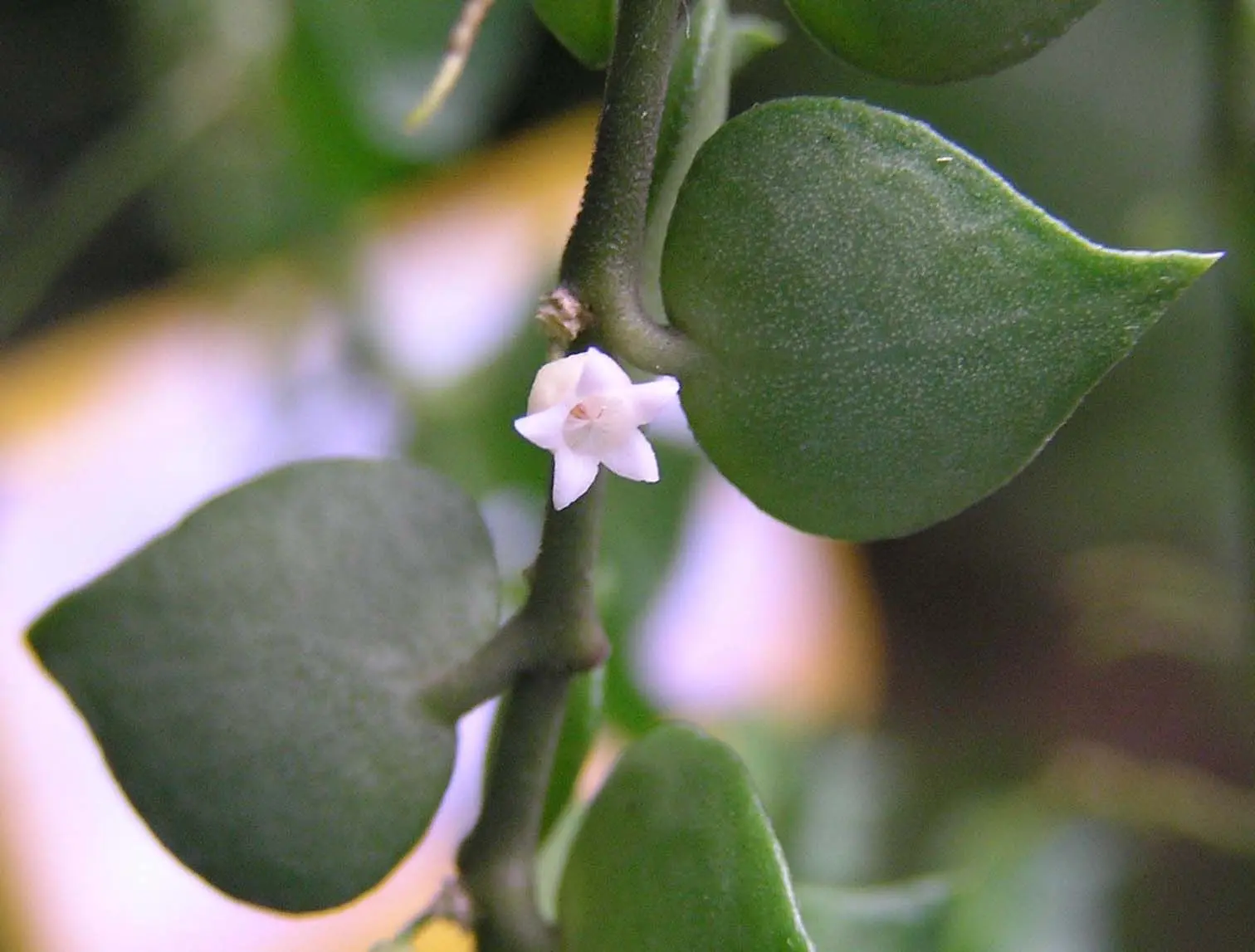
Dischidia ruscifolia, commonly known as Million Hearts, is a captivating epiphytic plant native to the lush tropical forests of Southeast Asia, where it typically anchors itself to trees and branches. This unique growth habit is crucial to understanding its cultivation needs. Morphologically, Million Hearts is distinguished by its delicate, trailing stems that can extend several meters, making it an ideal candidate for hanging displays. Its most striking feature is its profusion of small, heart-shaped leaves, measuring approximately 3 to 6 centimeters (1 to 2.4 inches) in length.
These vibrant green leaves possess a distinctive glossy texture that beautifully reflects light, enhancing their aesthetic appeal. While primarily grown for its foliage, Dischidia ruscifolia also produces tiny, tubular white flowers, which, despite their diminutive size, are known to emit a surprisingly pleasant fragrance, especially when conditions are optimal. The plant thrives in warm, humid environments, replicating its natural rainforest habitat. Taxonomically, Dischidia ruscifolia belongs to the Apocynaceae family, a diverse group that includes other well-known genera such as Hoya, Adenium, and Plumeria.
This familial connection hints at potential shared botanical characteristics, including the presence of milky sap. Its captivating appearance and relatively undemanding nature contribute to its popularity among indoor gardeners seeking unique and aesthetically pleasing trailing plants.
Trusted Scientific References
1. Authoritative external sources for Dischidia ruscifolia
1.1 Wikipedia — Dischidia ruscifolia
1.2 Kew POWO (Plants of the World Online)
1.3 PubMed — peer-reviewed research
1.4 NCBI Taxonomy Browser
1.5 GBIF — Global Biodiversity
1.6Dischidia Ruscifolia should be interpreted through verified botanical identity, practical care, and responsible safety language. This recovery note adds the missing context needed for a complete profile: match light to the plant's habit, use well-drained soil, water according to season, and avoid unsupported medicinal or edible claims. For publishing, the plant can be presented as a source-backed indoor plant with clear care guidance, common problem diagnosis, and conservative safety wording.
1.1.Dischidia Ruscifolia — Highlights
- ✓Epiphytic Growth Habit — Naturally grows on other plants or structures, not in soil.
- ✓Trailing Stems — Long, delicate stems make it ideal for hanging baskets and cascading displays.
- ✓Heart — Shaped Leaves — Distinctive, small, glossy, vibrant green foliage.
- ✓Native to Southeast Asia — Thrives in warm, humid tropical environments.
- ✓Apocynaceae Family Member — Related to Hoya and other latex-producing plants.
- ✓Fragrant White Flowers — Produces tiny, tubular white blooms with a noticeable scent.
- ✓Easy Propagation — Readily roots from stem cuttings in water or moist substrate.
- ✓Low Maintenance — Relatively simple to care for once its epiphytic needs are met.
- ✓Rapid Growth Rate — Known for vigorous growth under optimal conditions.
- ✓Ornamental Value — Highly prized for its unique aesthetic in indoor gardening.
1.2.Dischidia Ruscifolia — Concise Overview
- ✓Dischidia ruscifolia, or Million Hearts, is an ornamental epiphytic plant from Southeast Asia.
- ✓It features trailing stems and small, glossy, heart-shaped leaves, with tiny fragrant white flowers.
- ✓Cultivation requires a well-draining, chunky substrate like orchid bark and bright, indirect light.
- ✓Propagation is easy via stem cuttings; its milky sap can cause mild skin irritation.
- ✓There is very limited scientific research or traditional medicinal documentation for this species.
- ✓Primarily valued for its aesthetic appeal as a low-maintenance indoor houseplant.
2.Dischidia Ruscifolia — Scientific Identity
3.Dischidia Ruscifolia — Key Data
4.Dischidia Ruscifolia — Botanical Description
5.Dischidia Ruscifolia — Origin & Spread
6.Dischidia Ruscifolia — Folk Medicine Applications
7.Dischidia Ruscifolia — Phytochemistry
- ✓Undocumented Specific Compounds — Comprehensive phytochemical analysis for Dischidia ruscifolia is currently limited, meaning specific chemical constituents and their concentrations are not well-documented.
- ✓Potential Cardiac Glycosides — Drawing from its Apocynaceae family lineage, there is a possibility that Dischidia ruscifolia may contain cardiac glycosides, such as those found in genera like Digitalis, which are known for their impact on heart function, though this remains unconfirmed for this species.
- ✓Hypothetical Alkaloids — Many plants within the Apocynaceae family are rich in various types of alkaloids, which can exhibit diverse pharmacological activities; the presence and nature of any such compounds in Million Hearts are yet to be thoroughly investigated.
- ✓Flavonoids — It is plausible that, like most green plants, Dischidia ruscifolia contains various flavonoids, which are polyphenolic compounds known for their antioxidant properties, although specific flavonoid profiles are uncharacterized.
- ✓Terpenoids — General plant metabolism often produces terpenoids, which include a vast array of compounds with potential anti-inflammatory, antimicrobial, or aromatic qualities; their specific occurrence in this Dischidia species is unknown.
- ✓Saponins — These soap-like glycosides are found in many plant families and could potentially be present in Dischidia ruscifolia, warranting future phytochemical exploration.
- ✓Phenolic Acids — Common plant metabolites with antioxidant and anti-inflammatory properties, phenolic acids are likely present, but their specific identification and quantification in Dischidia ruscifolia are not reported.
- ✓Latex Constituents — The milky sap (latex) characteristic of the Apocynaceae family likely contains a complex mixture of proteins, sugars, and secondary metabolites, which could include defense compounds, though detailed analysis for Dischidia ruscifolia is pending.
8.Dischidia Ruscifolia — Evidence-Based Benefits
- ✓Undocumented Therapeutic Uses — Currently, there is a significant lack of documented scientific research or traditional medicinal applications for Dischidia ruscifolia in major herbal systems like Ayurveda, Traditional Chinese Medicine (TCM), Unani, or Siddha.
- ✓Potential Cardiotonic Research — Given its classification within the Apocynaceae family, which is known to contain cardiac glycosides in some species, Dischidia ruscifolia might be a candidate for future phytochemical screening to investigate similar compounds, though no such activity is confirmed for this specific plant.
- ✓Hypothetical Antimicrobial Properties — As with many plants, preliminary studies could explore the presence of compounds with potential antimicrobial or antifungal activity, a general area of botanical research that remains uninvestigated for Million Hearts.
- ✓Antioxidant Activity Inquiry — Plants often contain various phenolic compounds and flavonoids with antioxidant potential; future research could assess if Dischidia ruscifolia exhibits free radical scavenging capabilities, though no data currently supports this.
- ✓Anti-inflammatory Potential — Many plant species possess compounds with anti-inflammatory effects; this is a speculative area of investigation for Dischidia ruscifolia, awaiting specific research.
- ✓Wound Healing Exploration — Should the plant be found to contain compounds with antiseptic or regenerative properties, its extracts could hypothetically be explored for topical wound care, though this is purely theoretical at present.
- ✓Insecticidal Properties — Some Apocynaceae members exhibit natural insecticidal qualities; this could be a future research direction for Dischidia ruscifolia, potentially leading to eco-friendly pest control applications, but is unconfirmed.
- ✓Air Purification Potential — While not a direct medicinal benefit, many houseplants contribute to indoor air quality; Dischidia ruscifolia's dense foliage could offer minor benefits in this regard, a common attribute of ornamental plants.
8.1.Dischidia Ruscifolia — Indications & Uses
9.Dischidia Ruscifolia — Cautions & Contraindications
9.1.Dischidia Ruscifolia — Reported Side Effects
- ✓Skin Irritation — The milky white sap exuded from cut stems of Dischidia ruscifolia may cause mild skin irritation or allergic reactions in sensitive individuals upon direct contact; wash hands thoroughly after handling.
- ✓Gastrointestinal Upset (Hypothetical) — While not documented for Dischidia ruscifolia, ingestion of some plants in the Apocynaceae family can lead to nausea, vomiting, or diarrhea; internal consumption of this species is not recommended.
- ✓Cardiac Effects (Hypothetical) — Due to the potential presence of cardiac glycosides, as found in other Apocynaceae, ingestion could theoretically cause adverse cardiac effects, though this is unconfirmed for Million Hearts.
- ✓Allergic Reactions — As with any plant, individuals may experience allergic reactions to pollen or plant material, manifesting as respiratory or dermatological symptoms.
- ✓Toxicity Concerns — Given the lack of specific toxicological data, and the known toxicity of some Apocynaceae members, Dischidia ruscifolia should be considered potentially toxic if ingested by humans or pets.
9.2.Dischidia Ruscifolia — Risk Assessment
- ✓Avoid Internal Consumption — Dischidia ruscifolia is not recommended for internal use due to insufficient scientific research on its safety and potential toxicity when ingested.
- ✓Handle Sap with Care — The milky sap can cause skin irritation; wear gloves when propagating or handling cut stems, and wash hands immediately after contact.
- ✓Keep Away from Children and Pets — Position the plant out of reach of children and pets to prevent accidental ingestion, given the unknown toxicity profile.
- ✓Pregnancy and Lactation — Avoid use during pregnancy and lactation due to the lack of safety data; prioritize caution in these sensitive populations.
- ✓Drug Interactions — No documented drug interactions exist, but due to unknown chemical constituents, potential interactions with medications cannot be ruled out; consult a healthcare professional before considering any unconventional use.
- ✓Allergic Sensitivities — Individuals with known plant allergies should exercise caution when handling Dischidia ruscifolia, as allergic reactions are possible.
10.Dischidia Ruscifolia — Usage Guide
- ✓Ornamental Display — The primary and widely recognized use of Dischidia ruscifolia is as an ornamental houseplant, valued for its unique trailing habit and heart-shaped foliage in hanging baskets or terrariums.
- ✓Topical Application (Hypothetical) — If future research identified beneficial compounds, a macerated poultice or infused oil from the leaves could hypothetically be applied topically for skin conditions, though this is entirely unverified.
- ✓Herbal Infusion (Hypothetical) — Should water-soluble therapeutic compounds be discovered, dried leaves or stems could potentially be steeped in hot water to create an herbal infusion, following traditional preparation methods for other medicinal plants.
- ✓Tincture Preparation (Hypothetical) — If alcohol-soluble active constituents were identified, a tincture could be prepared from the plant material, allowing for concentrated extraction, although no such application exists for this species.
- ✓Powdered Form (Hypothetical) — For internal use, if proven safe and effective, dried plant material could be ground into a fine powder for encapsulation or mixing into beverages, a common method for other herbal medicines.
- ✓Aromatic Use (Limited) — While its tiny flowers are fragrant, Dischidia ruscifolia is not typically processed for aromatic oils or potpourri due to the small yield and lack of documented traditional use.
11.Dischidia Ruscifolia — Garden Cultivation
- ✓Epiphytic Substrate — Plant Dischidia ruscifolia in a very loose, chunky potting mix, such as orchid bark or coco husk chips, rather than traditional potting soil, to mimic its natural epiphytic growth.
- ✓Prepare Potting Medium — Before use, soak orchid bark or coco husk chips in warm water for at least 30 minutes to hydrate them and improve water absorption.
- ✓Watering Regime — Allow the potting mix to dry out partially between waterings; when watering, thoroughly drench the entire substrate and allow excess water to drain completely.
- ✓Light Requirements — Provide bright, indirect light or filtered sunlight; a little morning sun is beneficial, especially indoors, but avoid harsh, prolonged direct sun to prevent leaf burn.
- ✓Fertilization Schedule — During the active growing season (spring and summer), fertilize dilutely with almost every watering using a balanced, nutritionally complete houseplant fertilizer.
- ✓Propagation from Cuttings — Easily propagate Million Hearts from stem cuttings by removing lower leaves and placing the stems in water; change water weekly until roots develop, then pot in appropriate substrate.
- ✓Humidity and Misting — This plant appreciates high humidity; misting the leaves can be beneficial as epiphytes can absorb some moisture directly through their foliage.
- ✓Ensure Drainage — Always use pots with adequate drainage holes to prevent waterlogging and root rot, which is crucial for epiphytic plants.
Reviewed by the Flora Medical Global Botanical Review Panel
Multi-disciplinary editorial group · Botany · Ethnobotany · Herbal-medicine literature
Who reviewed this: This page was checked by the Flora Medical Global Botanical Review Panel — an in-house editorial group of botany graduates, ethnobotany researchers, and horticulture practitioners who collectively maintain our 7,000+ plant encyclopedia. Meet the team.
Our 4-step verification process
1. Taxonomic verification
Scientific names and synonyms cross-checked against Kew POWO, World Flora Online, and The Plant List.
2. Phytochemical & medicinal cross-reference
Active compounds, traditional uses, and reported activities are cross-referenced with PubMed, USDA Dr. Duke's database, and peer-reviewed ethnobotanical literature.
3. Conservation & distribution check
Distribution, ecology, and conservation status confirmed against GBIF occurrence records and the IUCN Red List.
4. Editorial & safety review
Every entry passes an editorial pass for clarity, originality, and safety notices (toxicity, contraindications, dosage caveats) before publication.
Last reviewed:
Important medical disclaimer: This content is for educational and research purposes only. It is not medical advice and is not a substitute for consultation with a licensed healthcare provider. Do not use any herb to self-treat a medical condition without professional guidance.
Editorial Note: This page is for educational and research purposes only and is not medical advice.
Written by: Flora Medical Global Editorial Team
Reviewed by: Flora Medical Global Botanical Review Panel
Last Updated: June 15, 2026





Dischidia Ruscifolia — Comments & Community Reviews
Rate this plant