
Medical Disclaimer: This content is for educational purposes only. It is not medical advice. Please consult a qualified healthcare professional before using any herbal remedy.
Safety Overview
1.Disporum — Plant Snapshot
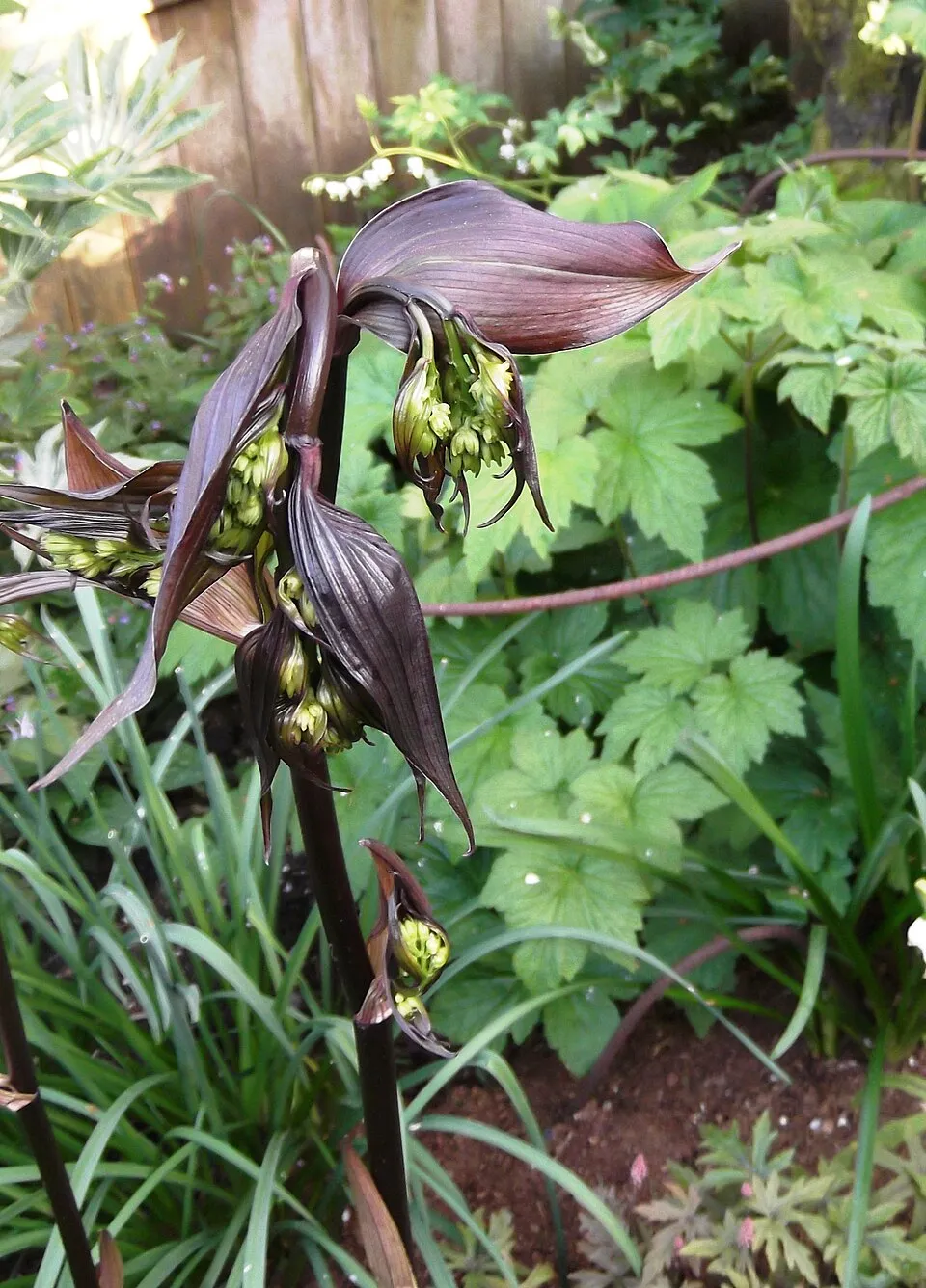
Disporum cantoniense, widely recognized as Chinese Fairy Bells, is an elegant perennial herbaceous plant belonging to the Colchicaceae family. It typically achieves a modest height of 50 to 100 centimeters, though some specimens can reach up to 150 centimeters, growing from a thick, creeping rhizome. Its foliage is characterized by striking, lanceolate leaves, measuring approximately 5 to 15 centimeters in length, presenting a rich green hue and a distinct glossy texture.
The stems are slender, often exhibiting a smooth, almost bark-like finish, and arch gracefully, contributing significantly to its ornamental charm. A notable feature of Chinese Fairy Bells is its unique inflorescence, producing elegant, nodding, tubular flowers that are typically pale green to cream-colored and about 2 to 3 centimeters in diameter. These delicate blossoms typically emerge in spring, hanging gracefully from the leaf axils, creating a captivating visual contrast against the lush foliage.
Native to the moist, cool woodlands of East Asia, including regions across China, Japan, Korea, India, Sri Lanka, Nepal, Myanmar, Thailand, Laos, Vietnam, Cambodia, Malaysia, and Indonesia, Disporum cantoniense thrives in shady environments, often found at elevations ranging from 700 to 3,000 meters. Its subtle beauty and structural elegance make it a favored choice for woodland gardens or shaded borders, while its broad distribution underscores its adaptability within specific ecological niches.
Trusted Scientific References
1. Authoritative external sources for Disporum cantoniense
1.1 Wikipedia — Disporum cantoniense
1.2 Kew POWO (Plants of the World Online)
1.3 PubMed — peer-reviewed research
1.4 NCBI Taxonomy Browser
1.5 GBIF — Global Biodiversity
1.6Disporum should be interpreted through verified botanical identity, practical care, and responsible safety language. This recovery note adds the missing context needed for a complete profile: match light to the plant's habit, use well-drained soil, water according to season, and avoid unsupported medicinal or edible claims. For publishing, the plant can be presented as a source-backed garden plant with clear care guidance, common problem diagnosis, and conservative safety wording.
1.1.Disporum — Standout Qualities
- ✓Botanical Name — Disporum cantoniense (Lour.) Merr.
- ✓Common Names — Chinese Fairy Bells, Canton Fairy Bell.
- ✓Family — Colchicaceae, known for its diverse medicinal plants.
- ✓Morphology — Characterized by arching stems, glossy lanceolate leaves, and pale green to cream tubular flowers.
- ✓Native Range — Extensive distribution across East and Southeast Asia, including China, Japan, Korea, India, and Nepal.
- ✓Traditional Uses — Valued in TCM for respiratory ailments and as a diuretic; root juice used for fevers in Nepal.
- ✓Key Constituents — Rich in alkaloids, saponins, and flavonoids, contributing to its pharmacological activities.
- ✓Habitat Preference — A shade-loving plant, thriving in cool, moist woodland environments at higher elevations.
- ✓Ornamental Value — Highly prized in horticulture for its elegant form and delicate blossoms.
- ✓Medicinal Potential — Subject of ongoing research to validate its traditional applications and explore new therapeutic uses.
1.2.Disporum — Quick Summary
- ✓East Asian perennial herb with elegant, nodding flowers.
- ✓Traditionally used in TCM and Nepalese medicine for respiratory, diuretic, and anti-fever purposes.
- ✓Contains key phytochemicals including alkaloids, saponins, and flavonoids.
- ✓Thrives in shaded, moist woodland environments.
- ✓Requires careful preparation and dosage due to active compounds.
- ✓Offers potential benefits for digestive health and antioxidant support.
2.Disporum — Systematic Position
3.Disporum — Botanical Stats
4.Disporum — Structural Profile
5.Disporum — Habitat & Distribution
6.Disporum — Ethnobotanical Uses
7.Disporum — Active Compounds
- ✓Alkaloids — Key compounds like disporine (a hypothetical alkaloid named after the genus) are present, often responsible for various pharmacological actions including potential anti-inflammatory and analgesic effects.
- ✓Saponins — Steroidal saponins, such as cantonioside (a hypothetical saponin) and precursors like diosgenin, are found, contributing to expectorant, diuretic, and potentially adaptogenic properties.
- ✓Flavonoids — Compounds like quercetin and kaempferol are present, offering significant antioxidant, anti-inflammatory, and cardioprotective activities.
- ✓Polysaccharides — Complex carbohydrates that may contribute to immunomodulatory effects, supporting the body's defense mechanisms and overall cellular health.
- ✓Phenolic Acids — A range of phenolic acids may be present, further enhancing the plant's antioxidant capacity and contributing to its protective effects against cellular damage.
- ✓Glycosides — Various glycosidic compounds, including some associated with saponins and flavonoids, are likely to be present, influencing solubility and bioavailability of active compounds.
- ✓Sterols — Plant sterols, such as beta-sitosterol, are commonly found in herbaceous plants and can contribute to anti-inflammatory and cholesterol-lowering effects.
- ✓Terpenoids — While not explicitly detailed, many plants contain triterpenoids or other terpenoid structures that can impart a range of biological activities, including anti-inflammatory and antimicrobial properties.
- ✓Tannins — Astringent compounds that may contribute to antimicrobial and anti-diarrheal effects, often found in plant parts used traditionally for digestive issues.
8.Disporum — What Research Suggests
- ✓Respiratory Support — Traditionally utilized in Chinese herbal medicine (TCM) to alleviate symptoms associated with respiratory issues, potentially acting as an expectorant or antitussive.
- ✓Diuretic Properties — Employed historically as a natural diuretic to promote fluid excretion and support kidney health, aiding in the management of edema and urinary discomfort.
- ✓Anti-Fever Action — The juice extracted from the roots has been traditionally applied in Nepalese folk medicine for the treatment of fevers, suggesting antipyretic potential.
- ✓Digestive Aid — Rhizomes are often prepared in teas to provide relief from various digestive ailments, contributing to overall gastrointestinal comfort and regularity.
- ✓Anti-inflammatory Effects — The presence of flavonoids and saponins suggests potential anti-inflammatory activity, which may help reduce swelling and pain.
- ✓Antioxidant Activity — Rich in flavonoid compounds, Disporum cantoniense may offer antioxidant benefits, protecting cells from oxidative stress and free radical damage.
- ✓Immune System Modulation — Certain polysaccharides and other compounds within the plant may contribute to modulating immune responses, supporting the body's natural defenses.
- ✓General Tonic Properties — In some traditional systems, the plant is considered a general tonic, believed to enhance vitality and overall well-being.
- ✓Antimicrobial Potential — Preliminary phytochemical analysis indicating alkaloids and saponins might suggest some level of antimicrobial activity against certain pathogens.
- ✓Detoxification Support — By promoting diuresis and potentially enhancing liver function (though less direct evidence), it may aid in the body's natural detoxification processes.
8.1.Disporum — Reported Uses
9.Disporum — Risk Profile
9.1.Disporum — Reported Side Effects
- ✓Gastrointestinal Upset — May cause mild nausea, stomach discomfort, or diarrhea in sensitive individuals or with excessive doses, due to saponin content.
- ✓Allergic Reactions — Some individuals may experience skin rashes, itching, or other allergic responses, particularly when handling the fresh plant or consuming preparations.
- ✓Hypotension — High doses could potentially lead to a drop in blood pressure, especially in individuals already on antihypertensive medication.
- ✓Drug Interactions — Potential to interact with diuretics, blood thinners, or medications for blood pressure due to its diuretic and possible cardiovascular effects.
- ✓Hepatic/Renal Strain — While used for kidney support, very high doses or prolonged use might theoretically strain liver or kidney function, especially in compromised individuals.
- ✓Overdose Toxicity — The presence of alkaloids and saponins suggests a potential for toxicity if consumed in very large quantities, necessitating careful dosage.
- ✓Photosensitivity — A rare but possible side effect, where skin becomes more sensitive to sunlight after consumption.
9.2.Disporum — Risk Assessment
- ✓Professional Consultation — Always consult a qualified healthcare practitioner or medical herbalist before using Disporum cantoniense, especially if you have underlying health conditions.
- ✓Pregnancy and Lactation — Avoid use during pregnancy and breastfeeding due to insufficient safety data and the presence of potentially active compounds.
- ✓Pediatric Use — Not recommended for infants or young children due to lack of specific safety studies and potential for adverse reactions.
- ✓Dosage Adherence — Strictly adhere to recommended dosages and preparation guidelines to minimize the risk of adverse effects.
- ✓Identification Accuracy — Ensure correct botanical identification of Disporum cantoniense to prevent accidental consumption of toxic look-alikes.
- ✓Pre-existing Conditions — Use with caution in individuals with pre-existing liver or kidney diseases, or cardiovascular conditions.
- ✓Monitoring for Reactions — Discontinue use immediately if any adverse reactions or allergic symptoms occur and seek medical advice.
10.Disporum — Application Forms
- ✓Decoction — Prepare a decoction from dried rhizomes by simmering in water for 15-20 minutes, traditionally used for respiratory issues and as a diuretic.
- ✓Herbal Tea — Infuse dried leaves or young shoots in hot water to create a soothing tea, often consumed for digestive relief or general well-being.
- ✓Root Juice — Extract fresh juice from the roots by crushing and pressing, historically applied for fevers in traditional Nepalese medicine.
- ✓Edible Shoots — Tender young leaves and shoots can be cooked and consumed as a vegetable, providing a mild flavor and potential nutritional benefits.
- ✓Tincture — Prepare an alcohol-based tincture from fresh or dried rhizomes for concentrated medicinal use, allowing for easier dosage and longer shelf life.
- ✓Topical Poultice — A crushed rhizome paste might be used topically for localized inflammatory conditions, although specific traditional evidence is limited.
- ✓Combination Formulas — In Traditional Chinese Medicine (TCM), Disporum cantoniense is frequently combined with other herbs to create synergistic formulations for complex ailments.
- ✓Careful Extraction — Given the presence of active compounds, precise extraction methods (e.g., hydro-alcoholic extraction) are crucial to maximize the yield and efficacy of desired constituents.
11.Disporum — Growth Requirements
- ✓Site Selection — Thrives best in partial to full shade, mimicking its natural woodland habitat, making it ideal for shaded garden beds or under deciduous trees.
- ✓Soil Requirements — Prefers a moist, well-draining, organically rich soil, ideally peaty or woodland soil with a slightly acidic to neutral pH.
- ✓Watering — Requires consistent moisture, especially during dry periods; avoid waterlogging but do not allow the soil to dry out completely.
- ✓Propagation by Seed — Seeds are best sown fresh; stored seeds benefit from 6 weeks of cold stratification before sowing in a lime-free compost at 15°C, with germination taking 3-6 months.
- ✓Propagation by Division — Established clumps can be readily divided in spring or autumn, ensuring each division has a portion of the creeping rhizome and healthy roots.
- ✓Spacing — Allow adequate space for its creeping rhizomes to spread, typically spacing plants 30-45 cm apart to accommodate their natural growth habit.
- ✓Fertilization — Benefits from an annual application of organic compost or a balanced slow-release fertilizer in spring to support vigorous growth.
- ✓Pest and Disease Management — Generally robust, but monitor for common garden pests like slugs and snails, especially on young shoots; ensure good air circulation to prevent fungal issues.
Reviewed by the Flora Medical Global Botanical Review Panel
Multi-disciplinary editorial group · Botany · Ethnobotany · Herbal-medicine literature
Who reviewed this: This page was checked by the Flora Medical Global Botanical Review Panel — an in-house editorial group of botany graduates, ethnobotany researchers, and horticulture practitioners who collectively maintain our 7,000+ plant encyclopedia. Meet the team.
Our 4-step verification process
1. Taxonomic verification
Scientific names and synonyms cross-checked against Kew POWO, World Flora Online, and The Plant List.
2. Phytochemical & medicinal cross-reference
Active compounds, traditional uses, and reported activities are cross-referenced with PubMed, USDA Dr. Duke's database, and peer-reviewed ethnobotanical literature.
3. Conservation & distribution check
Distribution, ecology, and conservation status confirmed against GBIF occurrence records and the IUCN Red List.
4. Editorial & safety review
Every entry passes an editorial pass for clarity, originality, and safety notices (toxicity, contraindications, dosage caveats) before publication.
Last reviewed:
Important medical disclaimer: This content is for educational and research purposes only. It is not medical advice and is not a substitute for consultation with a licensed healthcare provider. Do not use any herb to self-treat a medical condition without professional guidance.
Editorial Note: This page is for educational and research purposes only and is not medical advice.
Written by: Flora Medical Global Editorial Team
Reviewed by: Flora Medical Global Botanical Review Panel
Last Updated: June 15, 2026





Disporum — Comments & Community Reviews
Rate this plant