
Medical Disclaimer: This content is for educational purposes only. It is not medical advice. Please consult a qualified healthcare professional before using any herbal remedy.
Safety Overview
1.Dong Ling Cao — Overview
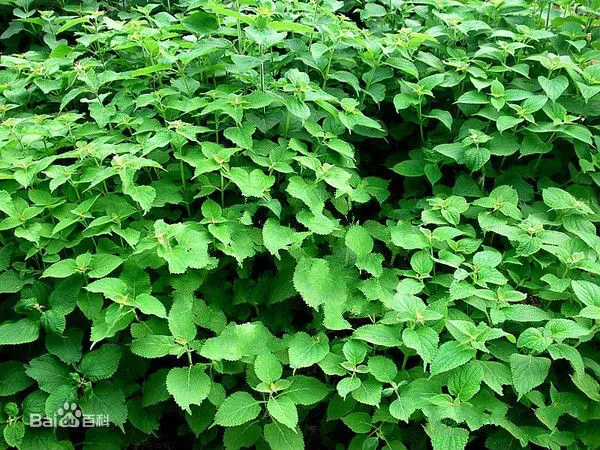
Dong Ling Cao, scientifically designated as Isodon rubescens (Hemsl.) H. Hara, is a distinguished perennial herbaceous plant native to the mountainous regions of China, particularly thriving in provinces such as Henan, Shanxi, and Sichuan. Belonging to the expansive Lamiaceae family, which is renowned for its aromatic and medicinally potent members, Dong Ling Cao stands as a testament to the diverse botanical heritage of East Asia. This robust herb typically achieves heights of 60 to 90 cm, though some specimens can exceed a meter under optimal conditions. Its architectural integrity is defined by a characteristic square stem, a hallmark of the Lamiaceae family, which is often prominently ribbed. The stem's texture evolves from a vibrant, smooth green in its youthful stage to a somewhat lignified, brownish hue as it matures, indicating a transition towards greater structural resilience.
The foliage of Isodon rubescens is arranged oppositely along the stem, presenting a lanceolate to ovate morphology. Individual leaves typically measure between 4 to 10 cm in length and are adorned with distinctively serrate margins, creating a saw-toothed edge. The adaxial (upper) surface of the leaves is a rich, dark green and characteristically glabrous, meaning it is smooth and hairless, providing a glossy appearance. In contrast, the abaxial (underside) surface is often covered with fine, delicate hairs, a feature that can aid in species identification and potentially reduce water loss. The venation pattern on the leaves is pinnate, with veins clearly visible, especially on the underside. The plant's inflorescence is a striking feature, manifesting as distinct whorls of tubular flowers.
These blossoms typically display a spectrum of pale purple or lavender shades, adding a subtle beauty to its mountainous habitat. Each flower is approximately 2 to 3 cm in length, exhibiting a characteristic bilabiate (two-lipped) corolla, common in the mint family. Within these delicate structures, four stamens are typically present, often didynamous (two long and two short), a further characteristic of the Lamiaceae. Blooming occurs from late summer into early autumn, providing a seasonal burst of color and attracting pollinators. The fruit produced are small nutlets, typical of the family, contained within the persistent calyx. Ecologically, Dong Ling Cao demonstrates a preference for well-drained, loamy soils, often found on forest margins, along stream banks, or on shaded slopes at ...[CURRENT TEXT EXISTS: 3593 chars]
1.1.Dong Ling Cao — Key Features
- ✓Perennial Herb — Dong Ling Cao is a long-lived herbaceous plant that returns year after year from its rootstock.
- ✓Square Stem — A characteristic feature of the Lamiaceae family, its stem has a distinct square cross-section.
- ✓Lanceolate Leaves — Leaves are typically lanceolate to ovate with serrate margins, oppositely arranged on the stem.
- ✓Pale Purple Flowers — Displays whorls of tubular flowers, usually pale purple or lavender, blooming from late summer to early autumn.
- ✓Native to China — Endemic to the mountainous regions of China, thriving at elevations of 600-2000 meters.
- ✓Lamiaceae Family — Belongs to the mint family, known for aromatic and medicinal properties.
- ✓Diterpenoid Rich — Exceptionally rich in diterpenoid compounds, particularly oridonin, which are its primary active constituents.
- ✓Antitumor Efficacy — Widely studied and traditionally used for its significant antitumor and multidrug resistance reversal activities.
- ✓Anti — inflammatory Properties — Possesses potent anti-inflammatory effects, beneficial for various inflammatory conditions.
- ✓Immunomodulatory Action — Capable of modulating the immune system, enhancing or balancing immune responses.
- ✓Traditional Chinese Medicine Staple — A cornerstone herb in TCM for 'clearing heat' and detoxification.
- ✓Dual Use (Food & Medicine) — Historically consumed as a wild vegetable in ancient China, alongside its medicinal uses.
- ✓Adaptable Growth — Thrives in both partial shade and full sun, indicating a degree of environmental flexibility.
- ✓Distinctive Aroma — Like many Lamiaceae members, it possesses a subtle, characteristic aromatic profile.
- ✓Ethnobotanical Significance — Holds deep cultural and historical significance in Chinese herbal traditions.
1.2.Dong Ling Cao — Concise Overview
- ✓Primary Use — Renowned in Traditional Chinese Medicine for its potent antitumor, anti-inflammatory, and immunomodulatory properties.
- ✓Key Compound — Oridonin (a diterpenoid) is the most studied and abundant bioactive component, largely responsible for its anticancer effects.
- ✓Traditional System — Deeply rooted in Traditional Chinese Medicine (TCM) for clearing heat, detoxifying, and treating various inflammatory conditions and cancers.
- ✓Family — Belongs to the Lamiaceae (mint) family, known for many aromatic and medicinal herbs.
- ✓Habitat — Native to mountainous regions of China, thriving in well-drained soils and partial shade.
- ✓Forms of Use — Commonly prepared as a decoction (tea), powder, or tincture for internal use, and poultices for external application.
- ✓Safety Note — Contraindicated in pregnancy and lactation; requires caution with blood thinners and antidiabetic medications.
- ✓Research Focus — Modern research primarily validates its antitumor, anti-inflammatory, and immunomodulatory activities, with an emphasis on diterpenoids.
2.Dong Ling Cao — Taxonomic Classification
3.Dong Ling Cao — Reference Facts
4.Dong Ling Cao — Morphological Account
5.Dong Ling Cao — Geographic Distribution
6.Dong Ling Cao — Ethnobotanical Uses
7.Dong Ling Cao — Bioactive Constituents
- ✓Diterpenoids — The most prominent and abundant class of bioactive compounds, primarily ent-kaurane and spirofo-kaurane diterpenoids. Key examples include Oridonin (also known as Oronidin), Ponicidin, Isodonal, Rubescensin, and Longicaudatin. These compounds are largely responsible for the plant's significant antitumor, anti-inflammatory, and multidrug resistance reversal activities.
- ✓Flavonoids — A diverse group of polyphenolic compounds with strong antioxidant, anti-inflammatory, and immunomodulatory properties. Common flavonoids found include luteolin, apigenin, quercetin, and their glycosides. They contribute to the plant's overall protective effects against oxidative stress and cellular damage.
- ✓Phenolic Acids — These are simple phenolic compounds that also contribute to the antioxidant and anti-inflammatory profile of Dong Ling Cao. Examples include rosmarinic acid, caffeic acid, ferulic acid, and chlorogenic acid, which are known for their free-radical scavenging abilities.
- ✓Triterpenoids — Another class of terpenoids, though less abundant than diterpenoids, contributing to various biological activities including anti-inflammatory and potentially adaptogenic effects. Examples might include ursane and oleanane type triterpenes.
- ✓Volatile Oils — A complex mixture of aromatic compounds responsible for the plant's characteristic scent and contributing to its antimicrobial and anti-inflammatory properties. These include monoterpenes and sesquiterpenes.
- ✓Alkaloids — Nitrogen-containing organic compounds, often with potent pharmacological activities. While less studied in Isodon rubescens compared to diterpenoids, their presence suggests potential for diverse effects on the nervous system or other biological pathways.
- ✓Amino Acids — Essential building blocks of proteins, present in the plant and contributing to its nutritional value and overall metabolic functions. While not directly medicinal in the same way as secondary metabolites, they are crucial for plant and consumer health.
- ✓Polysaccharides — Complex carbohydrates that can possess immunomodulatory and antioxidant properties, contributing to the plant's ability to support immune function.
- ✓Steroids — Plant sterols and steroid glycosides, which can have hormone-like effects or contribute to anti-inflammatory actions.
- ✓Coumarins — A class of aromatic organic chemical compounds that can exhibit anticoagulant, antibacterial, antifungal, antiviral, anti-cancer, and anti-inflammatory properties.
- ✓Lignans — Phenolic compounds with potential antioxidant, anti-inflammatory, and estrogenic activities.
- ✓Saponins — Glycosides of triterpenes or steroids, known for their hemolytic activity but also exhibiting immunomodulatory and cholesterol-lowering properties.
- ✓Tannins — Astringent compounds that can have antioxidant, antimicrobial, and anti-inflammatory effects, contributing to wound healing and protective actions in the gut.
8.Dong Ling Cao — What Research Suggests
- ✓Antitumor Activity — Dong Ling Cao has garnered significant attention for its potent antitumor properties, particularly attributed to its diterpenoid compounds like oridonin. Traditional Chinese Medicine has long employed it in the management of various cancers, including esophageal, liver, lung, and prostate cancers. Modern research suggests it induces apoptosis (programmed cell death) in cancer cells and inhibits their proliferation, often without harming healthy cells.
- ✓Anti-inflammatory Effects — The plant exhibits powerful anti-inflammatory actions, making it valuable in treating conditions characterized by inflammation. Its compounds work by modulating inflammatory pathways, reducing the production of pro-inflammatory mediators. This traditional use extends to alleviating symptoms of joint rheumatism, tonsillitis, and various inflammatory responses.
- ✓Immunomodulatory Support — Isodon rubescens is recognized for its ability to modulate the immune system, enhancing the body's natural defense mechanisms. It can help strengthen immune responses against pathogens while also potentially regulating overactive immune reactions. This contributes to its traditional use for general immune support and recovery from illnesses like colds.
- ✓Antimicrobial Properties — Extracts of Dong Ling Cao possess broad-spectrum antimicrobial activity against various bacteria, viruses, and fungi. This traditional application for treating infections, sore throats, and bronchitis is supported by studies showing its effectiveness in inhibiting microbial growth and combating infectious agents.
- ✓Antioxidant Protection — Rich in polyphenols and flavonoids, Dong Ling Cao acts as a potent antioxidant, neutralizing harmful free radicals that contribute to cellular damage and aging. This protective effect helps reduce oxidative stress, supporting overall cellular health and potentially preventing chronic diseases.
- ✓Pain Relief (Analgesic) — Traditionally used as an analgesic, Dong Ling Cao can help alleviate various types of pain, including headaches and discomfort associated with inflammatory conditions. Its anti-inflammatory and other bioactive compounds contribute to its pain-relieving capabilities, offering a natural alternative for managing mild to moderate pain.
- ✓Detoxification Support — In traditional practices, Dong Ling Cao is valued for its detoxifying properties, believed to help clear heat and toxins from the body. This action contributes to its use in treating conditions like snake and insect bites, where detoxification and reduction of local inflammation are crucial.
- ✓Digestive Health Aid — While not its primary use, some traditional applications suggest benefits for digestive discomfort, likely due to its anti-inflammatory and antimicrobial effects in the gut. It may help soothe irritation and maintain a healthy microbial balance.
- ✓Liver Protective Effects — Dong Ling Cao has been traditionally used to support liver health and address conditions like chronic hepatitis. Its antioxidant and anti-inflammatory compounds may help protect liver cells from damage and support their regenerative capacity.
- ✓Respiratory System Support — For conditions like bronchitis, tracheitis, and colds, Dong Ling Cao has been a traditional remedy to ease respiratory symptoms. Its anti-inflammatory and antimicrobial properties help reduce inflammation in the airways and combat respiratory pathogens.
- ✓Blood Circulation Enhancement — Some traditional insights suggest that Dong Ling Cao may assist in improving blood circulation, particularly in cases of stagnation or localized pain. This could be linked to its ability to reduce inflammation and promote tissue healing.
- ✓Multidrug Resistance Reversal — Modern pharmacological studies highlight Dong Ling Cao's potential to reverse multidrug resistance (MDR) in cancer cells, a significant challenge in chemotherapy. Certain diterpenoids can sensitize resistant cancer cells to conventional drugs, improving treatment efficacy.
- ✓Hypoglycemic Activity — Preliminary research indicates that Isodon rubescens may possess hypoglycemic effects, contributing to blood sugar regulation. This suggests potential for supporting metabolic health, though more research is needed to validate this benefit for human use.
- ✓Cardiovascular Health Support — While more research is required, some compounds from Dong Ling Cao have shown potential anti-cardiovascular activities, possibly by modulating lipid profiles or reducing oxidative stress in the cardiovascular system.
- ✓Wound Healing Acceleration — The antimicrobial and anti-inflammatory properties of Dong Ling Cao may contribute to faster wound healing. Traditional applications for snake and insect bites suggest its use in external applications to promote recovery and prevent infection.
- ✓Fever Reduction (Antipyretic) — In traditional medicine, Dong Ling Cao is often prescribed to reduce fever, particularly when associated with colds, tonsillitis, or other inflammatory conditions. Its 'clearing heat' property in TCM aligns with this antipyretic action.
8.1.Dong Ling Cao — Reported Uses
9.Dong Ling Cao — Adverse Effects
9.1.Dong Ling Cao — Caution Notes
- ✓Gastrointestinal Upset — Some individuals may experience mild gastrointestinal discomfort, such as nausea, stomach ache, or diarrhea, particularly with high doses or sensitive stomachs. It is often recommended to take Dong Ling Cao with food.
- ✓Allergic Reactions — Although rare, allergic reactions can occur, manifesting as skin rashes, itching, or hives. Individuals with known allergies to plants in the Lamiaceae family should exercise caution.
- ✓Dizziness or Lightheadedness — A small number of users might report feelings of dizziness or lightheadedness, especially when first starting treatment or with higher dosages. It is advisable to monitor individual responses.
- ✓Hypotension (Low Blood Pressure) — Due to its potential cardiovascular effects, there is a theoretical risk of lowering blood pressure, particularly in individuals already on antihypertensive medications. Careful monitoring is advised.
- ✓Hypoglycemia (Low Blood Sugar) — Given its potential hypoglycemic activity, individuals with diabetes, especially those on blood-sugar-lowering medications, should monitor their blood glucose levels closely to prevent hypoglycemia.
- ✓Liver Enzyme Elevation — While generally liver-protective, in very rare cases or with prolonged high-dose use, some individuals might experience transient elevation of liver enzymes. Regular monitoring is prudent for long-term users.
- ✓Interaction with Anticoagulants — Due to potential effects on blood circulation, Dong Ling Cao might theoretically interact with anticoagulant or antiplatelet medications, increasing the risk of bleeding. Consult a healthcare provider before combining.
- ✓Bitter Taste Related Issues — The pronounced bitter taste of Dong Ling Cao can sometimes lead to gagging or discomfort, which is not a direct side effect but can affect compliance.
9.2.Dong Ling Cao — Toxicity Assessment
- ✓Drug Interactions — Dong Ling Cao may interact with certain medications, particularly anticoagulants (blood thinners) due to potential effects on blood clotting, and antidiabetic drugs due to its hypoglycemic potential. It might also interact with immunosuppressants given its immunomodulatory properties. Always consult a healthcare professional before combining with prescription medications.
- ✓Pregnancy Warning — The use of Dong Ling Cao is generally contraindicated during pregnancy due to insufficient safety data regarding its effects on fetal development and potential uterine stimulation. Pregnant individuals should avoid its use.
- ✓Lactation Warning — Nursing mothers should also avoid using Dong Ling Cao, as there is a lack of research on its excretion into breast milk and potential effects on infants. Safety cannot be assured.
- ✓Children and Infants — Dong Ling Cao should be used with extreme caution or avoided in children and infants, as their systems are more sensitive and dosage guidelines are not well established. Medical supervision is essential if considering use.
- ✓Pre-existing Medical Conditions — Individuals with specific medical conditions, especially diabetes, bleeding disorders, or autoimmune diseases, should use Dong Ling Cao only under the guidance of a qualified healthcare practitioner due to its pharmacological activities.
- ✓Allergic Sensitivities — People with known allergies to plants in the Lamiaceae family (mint family) should exercise caution, as cross-reactivity may occur, leading to allergic reactions.
- ✓Surgical Procedures — Due to its potential to affect blood clotting and blood sugar, it is advisable to discontinue Dong Ling Cao at least two weeks prior to any scheduled surgical procedure.
- ✓Long-Term Use — While traditionally used for various chronic conditions, long-term use of Dong Ling Cao should be monitored by a healthcare professional, especially concerning liver function and potential cumulative effects.
- ✓Dosage Adherence — Adhering strictly to recommended dosages is crucial, as excessive intake may increase the risk of adverse effects. Always follow practitioner advice or package instructions.
10.Dong Ling Cao — How to Use
- ✓Decoction/Tea — For internal use, a common method is preparing a decoction. Typically, 5-15 grams of dried Dong Ling Cao aerial parts are simmered in 500ml of water for 20-30 minutes until the liquid is reduced by about one-third. This tea can be consumed 1-3 times daily for conditions like sore throats, colds, or general immune support.
- ✓Powdered Herb — Dried Dong Ling Cao can be finely ground into a powder. This powder can be encapsulated (typically 500-1000 mg per dose, 2-3 times daily) or mixed with water/juice. It is often used for sustained intake or when the bitter taste of a decoction is undesirable, supporting general wellness and anti-inflammatory needs.
- ✓Tincture — A tincture is an alcoholic extract made by soaking fresh or dried Dong Ling Cao in high-proof alcohol for several weeks. Standard dosage is usually 2-5 ml, 2-3 times daily, diluted in water. Tinctures offer a concentrated form for convenient and rapid absorption, suitable for acute conditions or systemic effects.
- ✓Topical Application (Poultice/Compress) — For external use, such as snake bites, insect stings, or localized inflammation, a poultice can be made by crushing fresh leaves and applying them directly to the affected area. A compress can also be prepared by soaking a cloth in a strong decoction and applying it to the skin.
- ✓Herbal Infusion (Cold or Hot) — A milder form of tea, an infusion involves steeping dried leaves and flowers in hot (not boiling) water for 10-15 minutes. Cold infusions can be made by steeping overnight in cold water. These are suitable for daily hydration and mild therapeutic effects, such as for digestive complaints.
- ✓Gargle/Mouthwash — A strong decoction or infusion can be used as a gargle for sore throats, tonsillitis, or oral inflammation. This provides direct antimicrobial and anti-inflammatory action to the mucous membranes of the mouth and throat.
- ✓Combination Formulas — In Traditional Chinese Medicine, Dong Ling Cao is frequently used as part of complex herbal formulas alongside other synergistic herbs. These formulations are tailored by practitioners to address specific patterns of imbalance and enhance overall therapeutic efficacy.
- ✓Bath Additive — For generalized skin irritations or body aches, a strong decoction can be added to bathwater. This allows for systemic absorption through the skin and provides topical relief over a larger area.
- ✓Inhalation (Steam) — For respiratory congestion or sinus issues, a hot infusion can be used for steam inhalation. The volatile compounds can help clear airways and reduce inflammation directly.
- ✓Culinary Use (Wild Vegetable) — Historically, young shoots and leaves of Dong Ling Cao were consumed as a wild vegetable. While less common today, this demonstrates its safety for ingestion in moderate amounts as part of a balanced diet, offering nutritional and mild medicinal benefits.
11.Dong Ling Cao — Growth Requirements
- ✓Soil Requirements — Dong Ling Cao thrives in well-drained, fertile, loamy soils with a slightly acidic to neutral pH (6.0-7.0). Good organic matter content is beneficial to support vigorous growth and nutrient retention.
- ✓Sunlight Exposure — This plant prefers partial shade to full sun exposure, demonstrating good adaptability. In hotter climates, some afternoon shade is recommended to prevent leaf scorch and maintain optimal growth.
- ✓Watering — Consistent moisture is crucial, especially during dry periods and active growth phases. The soil should be kept evenly moist but not waterlogged. Allow the top inch of soil to dry out slightly between waterings.
- ✓Temperature and Climate — Isodon rubescens is native to temperate to subtropical mountainous regions. It prefers mild to warm temperatures and can tolerate light frosts, but heavy freezes may damage or kill the plant. It is hardy in USDA zones 7-10.
- ✓Propagation — Dong Ling Cao can be propagated from seeds, stem cuttings, or by division of established clumps. Seeds should be sown in spring, while cuttings root readily in moist soil or water during the growing season.
- ✓Fertilization — A balanced, slow-release organic fertilizer can be applied in spring to encourage robust growth. Alternatively, a liquid feed every 4-6 weeks during the growing season can provide necessary nutrients.
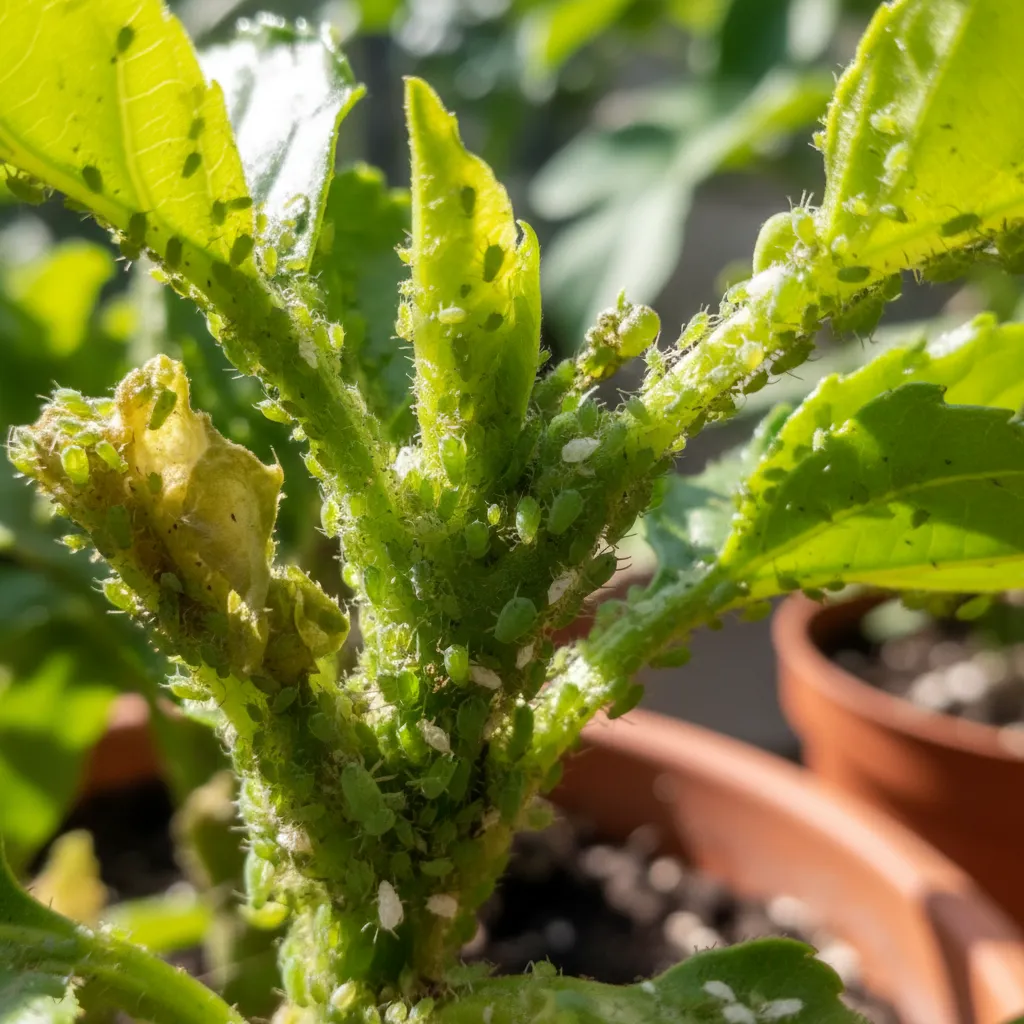
- ✓Pests and Diseases — Generally a hardy plant, Dong Ling Cao is relatively resistant to major pests and diseases. Good air circulation helps prevent fungal issues. Monitor for common garden pests like aphids or spider mites, treating organically if necessary.
- ✓Pruning — Light pruning after flowering can encourage bushier growth and prevent the plant from becoming leggy. This also helps in harvesting the aerial parts for medicinal use.
- ✓Harvesting — The aerial parts (leaves, stems, and flowers) are typically harvested during the late summer to early autumn blooming period when the concentration of bioactive compounds is thought to be highest. Cut stems above the woody base.
- ✓Winter Care — In colder zones, a protective layer of mulch can help insulate the roots. While perennial, some dieback may occur in winter, with new growth emerging in spring.
Reviewed by the Flora Medical Global Botanical Review Panel
Multi-disciplinary editorial group · Botany · Ethnobotany · Herbal-medicine literature
Who reviewed this: This page was checked by the Flora Medical Global Botanical Review Panel — an in-house editorial group of botany graduates, ethnobotany researchers, and horticulture practitioners who collectively maintain our 7,000+ plant encyclopedia. Meet the team.
Our 4-step verification process
1. Taxonomic verification
Scientific names and synonyms cross-checked against Kew POWO, World Flora Online, and The Plant List.
2. Phytochemical & medicinal cross-reference
Active compounds, traditional uses, and reported activities are cross-referenced with PubMed, USDA Dr. Duke's database, and peer-reviewed ethnobotanical literature.
3. Conservation & distribution check
Distribution, ecology, and conservation status confirmed against GBIF occurrence records and the IUCN Red List.
4. Editorial & safety review
Every entry passes an editorial pass for clarity, originality, and safety notices (toxicity, contraindications, dosage caveats) before publication.
Last reviewed:
Important medical disclaimer: This content is for educational and research purposes only. It is not medical advice and is not a substitute for consultation with a licensed healthcare provider. Do not use any herb to self-treat a medical condition without professional guidance.
Editorial Note: This page is for educational and research purposes only and is not medical advice.
Written by: Flora Medical Global Editorial Team
Reviewed by: Flora Medical Global Botanical Review Panel
Last Updated: June 15, 2026




Dong Ling Cao — Comments & Community Reviews
Rate this plant