
Medical Disclaimer: This content is for educational purposes only. It is not medical advice. Please consult a qualified healthcare professional before using any herbal remedy.
Safety Overview
1.Du Zhong — At a Glance
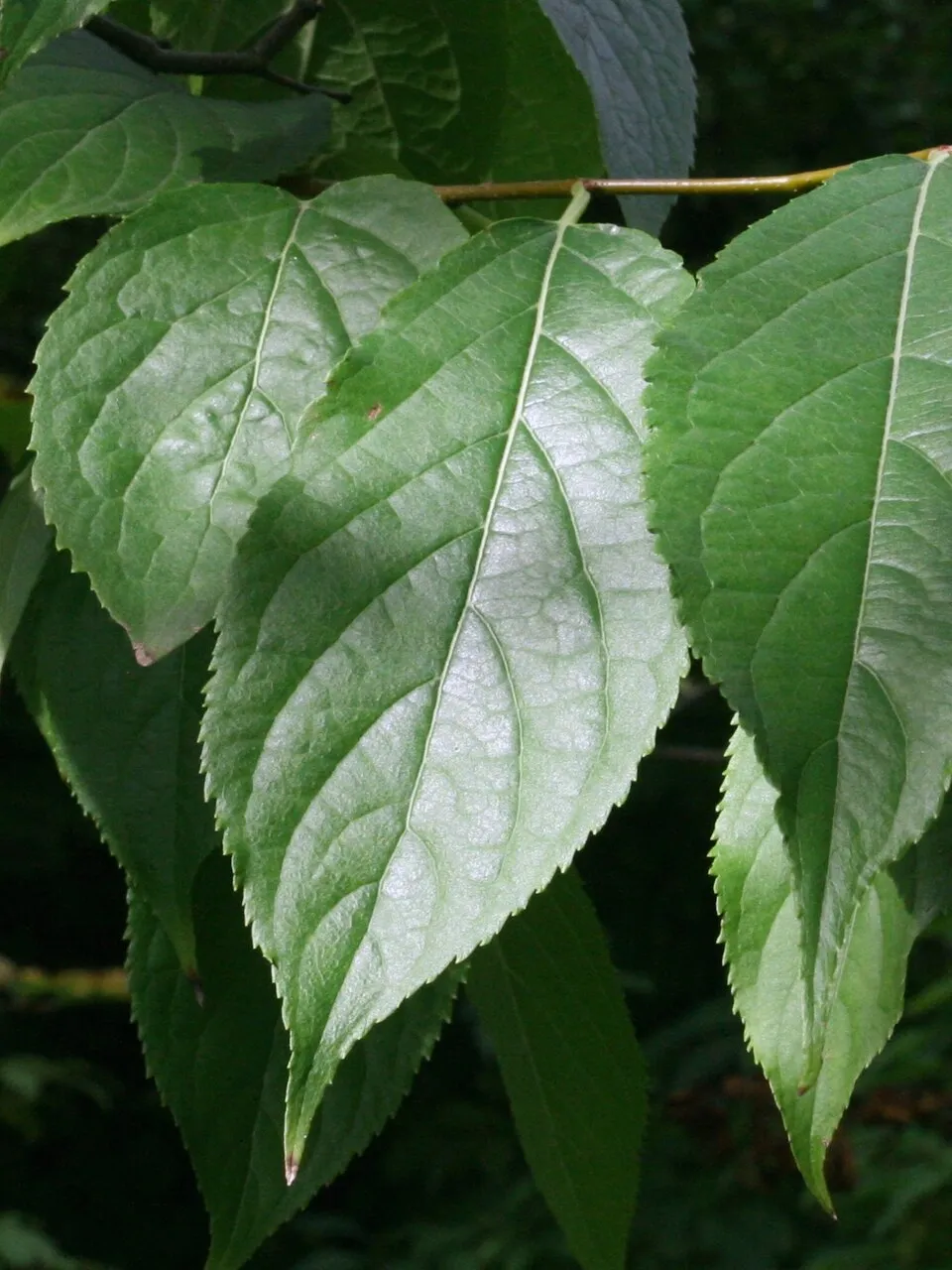
Du Zhong, scientifically known as Eucommia ulmoides, is a remarkable deciduous tree native to the mountainous regions of central and southwest China, particularly thriving in provinces like Sichuan, Yunnan, Hubei, and Shaanxi. This robust species typically reaches heights of 10 to 15 meters, though mature specimens can exceed 20 meters, and belongs to the monotypic family Eucommiaceae, signifying its unique evolutionary lineage. Its trunk is characterized by a thick, greyish-brown bark, deeply fissured and notably fibrous; when a piece of bark or a leaf is broken, fine, elastic strands of gutta-percha (trans-1,4-polyisoprene) become visible, a distinguishing morphological feature unique to this genus. The leaves of Du Zhong are arranged alternately along the stems, exhibiting an ovate to elliptical shape with finely serrated margins and pointed apices. They possess a glossy dark green adaxial surface and a slightly paler abaxial surface, typically measuring between 8 to 18 cm in length and 3 to 7 cm in width.
The venation is pinnate, clearly visible, contributing to the leaf's robust appearance. In early spring, before the full emergence of leaves, Eucommia ulmoides produces small, inconspicuous, greenish-yellow flowers. These apetalous (lacking petals) and unisexual flowers appear in clusters in the leaf axils, with male and female flowers typically borne on separate trees (dioecious), though sometimes on the same tree. Following successful pollination, the female flowers develop into distinctive brownish-green, flattened, winged fruits known as samaras, each containing a single seed, which are dispersed by wind in late summer or autumn. Ecologically, Du Zhong prefers temperate climates with well-drained, fertile soils, often found in mixed broadleaf forests at elevations ranging from 300 to 2500 meters.
It exhibits a preference for partial shade during its juvenile stages but can tolerate full sun as it matures. Taxonomically, the genus Eucommia has a rich fossil record, indicating its wider distribution across the Northern Hemisphere in ancient times, making its current restricted native range in China a relict. Its classification within the Eucommiaceae family highlights its distinctive morphological and chemical characteristics, setting it apart from other plant families. Historically, Du Zhong has been revered in Traditional Chinese Medicine (TCM) for over 2,000 years, often referred to as 'Du Zhong' (meaning 'heavy middle' or 'middle weight' in refe ...[CURRENT TEXT EXISTS: 2883 chars]
1.1.Du Zhong — Notable Characteristics
- ✓Fibrous Bark — The most distinctive feature, revealing elastic gutta-percha strands when broken, a unique identifier for Du Zhong.
- ✓Deciduous Tree — Sheds its leaves annually, typically reaching heights of 10-15 meters with a robust, upright growth habit.
- ✓Monotypic Family — Belongs to the Eucommiaceae family, a unique taxonomic classification with only one genus and species.
- ✓Gutta — percha Content — Produces trans-1,4-polyisoprene, a natural rubber-like polymer found in its bark and leaves.
- ✓Ovate to Elliptical Leaves — Glossy dark green leaves with serrated margins, arranged alternately along the stems.
- ✓Inconspicuous Flowers — Small, greenish-yellow, apetalous (lacking petals) flowers appearing in early spring.
- ✓Samara Fruit — Produces distinctive flattened, winged fruits, aiding in wind dispersal of its single seeds.
- ✓Native to China — Indigenous to the mountainous regions of central and southwest China, its primary natural habitat.
- ✓Kidney Yang Tonic — A fundamental herb in Traditional Chinese Medicine, valued for its ability to tonify Kidney Yang.
- ✓Bone and Tendon Strengthening — Traditionally and scientifically recognized for its osteoprotective and connective tissue strengthening properties.
- ✓Blood Pressure Regulation — A significant natural agent for managing hypertension, supported by both traditional use and modern research.
- ✓Adaptogenic Properties — Helps the body cope with physical and mental stress, enhancing overall resilience and energy.
- ✓Medicinal Food Homology — Recognized in China for both its medicinal properties and its safe use as a food ingredient.
- ✓Ancient Lineage — Has a rich fossil record, indicating a much wider historical distribution across the Northern Hemisphere.
- ✓Anti — inflammatory Effects — Contains bioactive compounds that contribute to significant anti-inflammatory actions.
1.2.Du Zhong — Snapshot Summary
- ✓Primary Use — Renowned for strengthening bones and tendons, regulating blood pressure, and tonifying kidney and liver in TCM.
- ✓Key Compound — Pinoresinol diglucoside is a primary lignan responsible for antihypertensive and osteoprotective effects.
- ✓Traditional System — A cornerstone herb in Traditional Chinese Medicine (TCM) for over 2,000 years, classified as a Kidney Yang tonic.
- ✓Plant Part Used — Primarily the bark, but leaves are also utilized for medicinal teas and culinary purposes.
- ✓Growth Habit — A deciduous tree native to mountainous regions of China, characterized by its fibrous bark.
- ✓Unique Feature — Contains gutta-percha (trans-1,4-polyisoprene) in its bark and leaves, visible as elastic strands when broken.
- ✓Adaptogenic Qualities — Helps the body adapt to various stressors, promoting overall vitality and anti-fatigue effects.
2.Du Zhong — Nomenclature & Classification
3.Du Zhong — Fact Sheet
4.Du Zhong — Botanical Features
5.Du Zhong — Ecological Habitat
6.Du Zhong — Heritage Uses
7.Du Zhong — Phytochemistry
- ✓Lignans — Pinoresinol diglucoside, Eucommioside A, and Eucommia lignan G. These are key active compounds responsible for many of Du Zhong's pharmacological actions, particularly its antihypertensive and bone-strengthening effects.
- ✓Iridoids — Geniposidic acid, Eucommiol, Aucubin, and Geniposide. These compounds contribute to the plant's anti-inflammatory, antioxidant, and immunomodulatory properties, supporting joint and liver health.
- ✓Flavonoids — Quercetin, Kaempferol, and their glycosides. These are potent antioxidants that protect cells from oxidative damage and exhibit anti-inflammatory and cardiovascular benefits.
- ✓Phenolic Acids — Chlorogenic acid, Caffeic acid, and Ferulic acid. These compounds are strong antioxidants, contributing to Du Zhong's antihypertensive, anti-diabetic, and hepatoprotective activities.
- ✓Gutta-Percha — Trans-1,4-polyisoprene. This unique rubber-like polymer is a defining feature of Eucommia ulmoides bark and leaves, historically used for industrial purposes, though its direct medicinal role is less clear, it's a marker of the plant.
- ✓Polysaccharides — Eucommia polysaccharides. These complex carbohydrates are known for their immunomodulatory, anti-tumor, and hypoglycemic effects, contributing to overall immune support and metabolic regulation.
- ✓Terpenoids — Various triterpenoids and sesquiterpenoids. These compounds contribute to the plant's diverse pharmacological profile, including anti-inflammatory and antimicrobial activities.
- ✓Alkaloids — Eucommine. While present in smaller quantities compared to other classes, alkaloids can contribute to the plant's overall bioactivity, though specific actions for eucommine are still under investigation.
- ✓Steroids — Beta-sitosterol and other plant sterols. These compounds are known for their cholesterol-lowering effects and anti-inflammatory properties.
- ✓Amino Acids — Essential and non-essential amino acids. These provide fundamental building blocks for proteins and contribute to the plant's nutritional value and general tonic effects.
- ✓Trace Elements — Potassium, Calcium, Magnesium, Zinc, and Selenium. These minerals are vital for various physiological functions, including bone health, nerve transmission, and enzymatic activities, complementing the organic compounds.
8.Du Zhong — Scientific Evidence
- ✓Bone Health Support — Du Zhong bark is renowned for its osteoprotective effects, traditionally used to strengthen bones and tendons. Modern research suggests it can promote osteoblast proliferation and differentiation, inhibit osteoclast activity, and enhance calcium absorption, making it beneficial for preventing and managing osteoporosis and bone fractures.
- ✓Blood Pressure Regulation — Eucommia ulmoides is widely studied for its antihypertensive properties. Compounds like pinoresinol diglucoside and chlorogenic acid contribute to vasodilation by modulating nitric oxide pathways and inhibiting angiotensin-converting enzyme (ACE), leading to a reduction in high blood pressure.
- ✓Anti-inflammatory Action — The bark contains various iridoids and lignans that exhibit significant anti-inflammatory activities. These compounds help to suppress pro-inflammatory cytokines and mediators, alleviating symptoms associated with arthritis, joint pain, and other inflammatory conditions.
- ✓Antioxidant Protection — Rich in phenolic compounds, flavonoids, and lignans, Du Zhong acts as a potent antioxidant. It scavenges free radicals, reduces oxidative stress, and protects cellular components from damage, which is crucial for overall health and anti-aging processes.
- ✓Kidney and Liver Tonic — In Traditional Chinese Medicine, Du Zhong is classified as a fundamental herb for nourishing the Kidney and Liver meridians. It is believed to strengthen kidney function, which in TCM encompasses bone health, reproductive vitality, and overall energy, and supports liver detoxification and regeneration.
- ✓Joint and Ligament Strengthening — Beyond bone health, Du Zhong is traditionally used to fortify joints, ligaments, and tendons. Its compounds are thought to improve the elasticity and strength of connective tissues, making it valuable for individuals with chronic joint pain, weakness, or sports-related injuries.
- ✓Immune System Modulation — Polysaccharides and other bioactive compounds in Du Zhong have demonstrated immunomodulatory effects. They can enhance the activity of immune cells, promoting a balanced immune response and increasing the body's resistance to pathogens.
- ✓Cardiovascular Health — By improving blood vessel elasticity, reducing blood pressure, and exhibiting antioxidant effects, Du Zhong contributes to overall cardiovascular well-being. It helps to prevent atherosclerosis and supports healthy circulation.
- ✓Metabolic Syndrome Management — Preliminary research suggests Du Zhong may aid in regulating blood glucose and lipid levels. Its compounds can improve insulin sensitivity and reduce fat accumulation, offering potential benefits for individuals with metabolic syndrome and type 2 diabetes.
- ✓Neuroprotective Effects — Some studies indicate that Du Zhong extracts may possess neuroprotective properties. Antioxidant and anti-inflammatory mechanisms could help protect brain cells from damage, potentially benefiting cognitive function and neurodegenerative conditions.
- ✓Reproductive Health Support — In TCM, Du Zhong is used to support reproductive health, particularly in men for impotence and frequent urination associated with kidney deficiency, and in women for threatened miscarriage due to a weak uterus. It is believed to tonify Kidney Yang, essential for reproductive vitality.
- ✓Anti-Fatigue Properties — Due to its adaptogenic qualities and ability to tonify vital energy, Du Zhong is often used to combat general fatigue and enhance physical endurance. It helps the body adapt to stress and recover more efficiently.
- ✓Skin Health Benefits — The antioxidant and anti-inflammatory properties of Du Zhong can also extend to skin health. It may help protect against UV damage, reduce inflammation, and promote collagen synthesis, contributing to a healthier, more youthful complexion.
- ✓Weight Management Aid — By influencing lipid metabolism and potentially reducing fat accumulation, Du Zhong could play a supportive role in weight management strategies, especially when combined with a healthy diet and exercise.
- ✓Anti-diabetic Potential — Chlorogenic acid and other compounds in Du Zhong have shown potential in improving glucose metabolism and reducing insulin resistance, making it an area of interest for managing diabetes.
8.1.Du Zhong — Conditions Traditionally Used For
9.Du Zhong — Cautions & Contraindications
9.1.Du Zhong — Caution Notes
- ✓Gastrointestinal Upset — Some individuals may experience mild digestive issues such as stomach discomfort, nausea, or diarrhea, especially when consuming Du Zhong on an empty stomach or in high doses.
- ✓Hypotension — Due to its blood pressure-lowering effects, Du Zhong can cause hypotension (low blood pressure) in susceptible individuals, leading to dizziness, lightheadedness, or fainting, particularly if combined with antihypertensive medications.
- ✓Allergic Reactions — Although rare, allergic reactions such as skin rash, itching, or hives may occur in sensitive individuals. Discontinue use if any signs of allergy appear.
- ✓Dizziness or Lightheadedness — Primarily associated with its hypotensive effects, dizziness can be a side effect, especially in those prone to low blood pressure or when dosage is too high.
- ✓Insomnia — Some users, particularly sensitive individuals, have reported mild insomnia or restlessness, although this is not a common side effect and may be dose-dependent.
- ✓Hormonal Imbalance — Given its traditional use for reproductive health and effects on kidney essence, there's a theoretical concern for hormonal modulation, though significant imbalances are not well-documented in standard use.
- ✓Liver/Kidney Stress (High Doses) — While generally considered safe for these organs, extremely high or prolonged doses, especially of poorly sourced material, could theoretically place undue stress on the liver or kidneys, though clinical evidence is limited.
- ✓Increased Bleeding Risk — Some compounds might have mild antiplatelet effects, potentially increasing the risk of bleeding, especially in individuals on anticoagulant therapy, though this is not a primary concern.
9.2.Du Zhong — Clinical Safety Notes
- ✓Drug Interactions — Du Zhong may interact with antihypertensive medications, potentially causing an additive effect leading to excessively low blood pressure. It might also interact with anticoagulants/antiplatelet drugs, increasing bleeding risk, and possibly with hormone-related therapies due to its traditional uses.
- ✓Pregnancy and Lactation Warning — Due to its traditional use for threatened miscarriage, and given the lack of extensive safety data for pregnant and breastfeeding women, Du Zhong should be avoided unless specifically prescribed and monitored by a qualified healthcare professional.
- ✓Children — The safety and efficacy of Du Zhong in children have not been adequately established. It is generally not recommended for pediatric use without expert medical guidance.
- ✓Pre-existing Conditions — Individuals with pre-existing low blood pressure (hypotension) should use Du Zhong with extreme caution or avoid it. Those with chronic liver or kidney disease should consult a doctor before use.
- ✓Surgery — Discontinue Du Zhong at least two weeks before any scheduled surgery due to its potential mild anticoagulant effects and influence on blood pressure.
- ✓Dosage and Duration — Adhere strictly to recommended dosages. Prolonged use at high doses without professional guidance is not advised. Consult a qualified herbalist or physician for personalized recommendations.
- ✓Quality Sourcing — Ensure Du Zhong products are sourced from reputable suppliers to avoid contamination with heavy metals, pesticides, or adulterants, which can pose significant health risks.
- ✓Allergic Sensitivity — Individuals with known allergies to plants in the Eucommiaceae family or other related botanical families should exercise caution and perform a patch test if considering topical application.
10.Du Zhong — Preparation Methods
- ✓Decoction/Tea — The most traditional method involves simmering 6-15 grams of dried Du Zhong bark (or 10-20g of leaves) in 500ml of water for 20-30 minutes. This decoction is typically consumed 1-2 times daily. It is commonly used for hypertension, joint pain, and kidney tonic effects.
- ✓Powder/Capsules — Dried Du Zhong bark can be ground into a fine powder and encapsulated or mixed with water. A common dosage is 1-3 grams of powder, 2-3 times a day. This method offers convenience and consistent dosing for general wellness and bone support.
- ✓Tincture — A tincture is prepared by macerating dried Du Zhong bark in alcohol (e.g., 40-60% ethanol) for several weeks. The typical dosage is 2-5 ml, 2-3 times daily, taken orally. Tinctures are potent and are often used for chronic conditions like hypertension or joint weakness.
- ✓Topical Application — For localized pain, such as back or knee pain, Du Zhong bark can be ground into a coarse powder, mixed with a carrier oil (like sesame oil), and applied as a poultice or liniment to the affected area. This is believed to relieve pain and strengthen local tissues.
- ✓Culinary Use/Food Homology — As a 'medicinal and food homologous' plant, Du Zhong leaves can be used to brew tea, and both bark and leaves can be incorporated into soups or stews in traditional Chinese cuisine, especially for strengthening and nourishing purposes. This allows for long-term, gentle intake.
- ✓Standardized Extracts — Commercial extracts are available, often standardized to specific active compounds like pinoresinol diglucoside or chlorogenic acid. Follow manufacturer's instructions for dosage, which typically ranges from 200-500 mg, 1-2 times daily, for targeted benefits like blood pressure management or bone health.
- ✓Herbal Wine — In some traditional practices, Du Zhong bark is steeped in rice wine or other alcoholic spirits for several weeks to create a medicinal wine. This is consumed in small quantities (e.g., 15-30 ml daily) for strengthening bones, muscles, and improving circulation.
- ✓Combination Formulas — Du Zhong is frequently combined with other herbs in Traditional Chinese Medicine formulas to enhance its effects or address complex conditions. For example, with Morinda officinalis for kidney tonic, or with Cyathula officinalis for joint pain. Consult a qualified practitioner for personalized formulas.
11.Du Zhong — How to Grow
- ✓Climate Requirements — Du Zhong thrives in temperate climates, ideally USDA hardiness zones 4-8. It prefers distinct seasons, tolerating both cold winters and warm summers. It is quite adaptable to a range of temperatures.
- ✓Sunlight Exposure — Young trees prefer partial shade, especially in hotter climates, to prevent leaf scorch. Mature trees can tolerate full sun, which can promote more vigorous growth and denser foliage.
- ✓Soil Requirements — This plant prefers well-drained, fertile soil with a slightly acidic to neutral pH (6.0-7.0). It can tolerate a variety of soil types, including loamy, sandy, or clay soils, as long as drainage is adequate to prevent root rot.
- ✓Watering — Regular watering is crucial, particularly for young trees and during dry spells, to establish a strong root system. Once established, Du Zhong is moderately drought-tolerant but benefits from consistent moisture, especially during fruit development.
- ✓Propagation — Du Zhong can be propagated by seeds, cuttings, or grafting. Seeds require cold stratification for successful germination. Cuttings are typically taken from semi-hardwood in summer and rooted with the aid of rooting hormones.
- ✓Fertilization — Apply a balanced, slow-release fertilizer in early spring, especially for young trees or those in nutrient-poor soils. Organic compost or well-rotted manure can also enrich the soil and improve plant vigor.
- ✓Pruning — Minimal pruning is generally required. Remove any dead, damaged, or diseased branches as needed. Pruning can also be done to shape the tree or manage its size, ideally in late winter or early spring before new growth emerges.
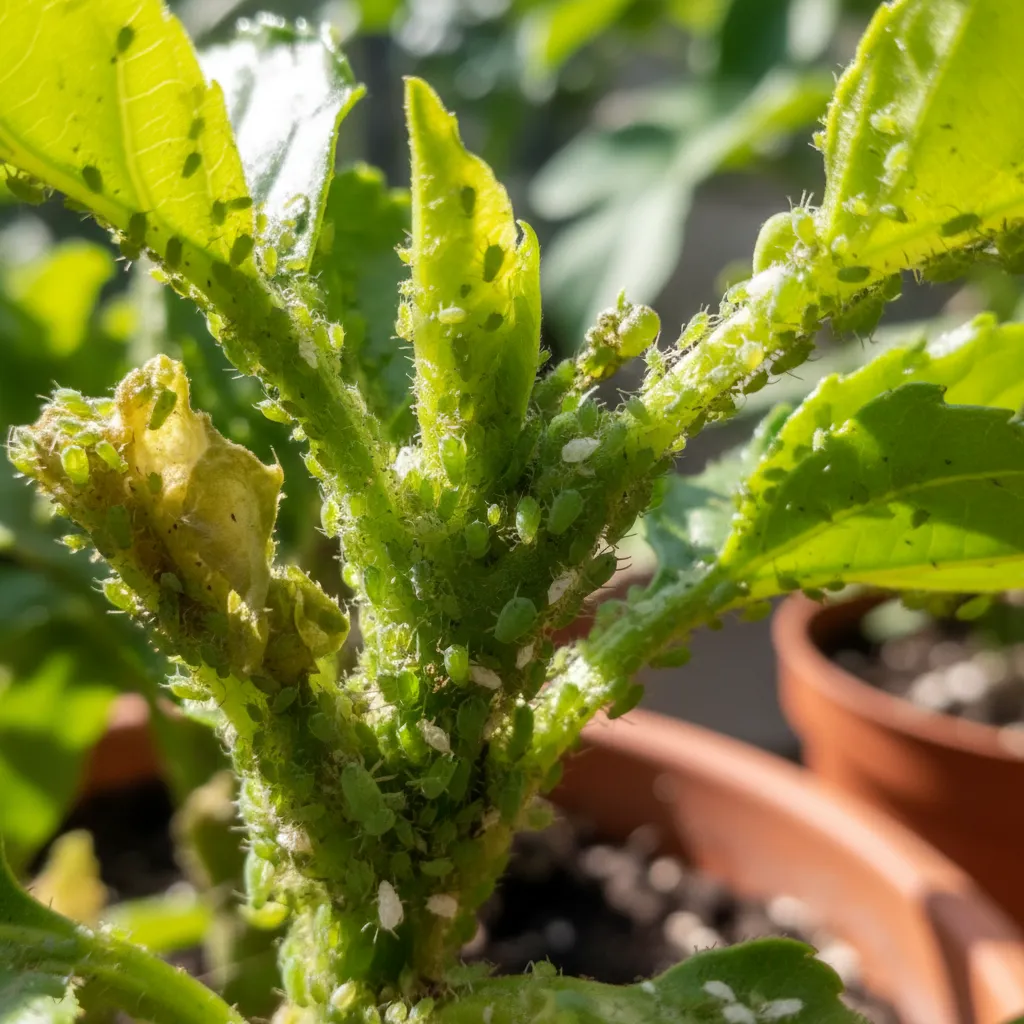
- ✓Pests and Diseases — Du Zhong is relatively resistant to most pests and diseases. Occasional issues may include aphids, scale insects, or fungal leaf spots, which can typically be managed with organic pest control methods or appropriate fungicides.
- ✓Harvesting — The primary medicinal part is the bark, which is typically harvested from trees that are at least 10-15 years old, usually in spring or autumn. Leaves can also be harvested for tea or extracts.
- ✓Landscape Use — Given its attractive foliage, unique bark, and hardiness, Du Zhong is also valued as an ornamental tree in parks and gardens, providing shade and visual interest throughout the seasons.
Reviewed by the Flora Medical Global Botanical Review Panel
Multi-disciplinary editorial group · Botany · Ethnobotany · Herbal-medicine literature
Who reviewed this: This page was checked by the Flora Medical Global Botanical Review Panel — an in-house editorial group of botany graduates, ethnobotany researchers, and horticulture practitioners who collectively maintain our 7,000+ plant encyclopedia. Meet the team.
Our 4-step verification process
1. Taxonomic verification
Scientific names and synonyms cross-checked against Kew POWO, World Flora Online, and The Plant List.
2. Phytochemical & medicinal cross-reference
Active compounds, traditional uses, and reported activities are cross-referenced with PubMed, USDA Dr. Duke's database, and peer-reviewed ethnobotanical literature.
3. Conservation & distribution check
Distribution, ecology, and conservation status confirmed against GBIF occurrence records and the IUCN Red List.
4. Editorial & safety review
Every entry passes an editorial pass for clarity, originality, and safety notices (toxicity, contraindications, dosage caveats) before publication.
Last reviewed:
Important medical disclaimer: This content is for educational and research purposes only. It is not medical advice and is not a substitute for consultation with a licensed healthcare provider. Do not use any herb to self-treat a medical condition without professional guidance.
Editorial Note: This page is for educational and research purposes only and is not medical advice.
Written by: Flora Medical Global Editorial Team
Reviewed by: Flora Medical Global Botanical Review Panel
Last Updated: June 15, 2026





Du Zhong — Comments & Community Reviews
Rate this plant