


Medical Disclaimer: This content is for educational purposes only. It is not medical advice. Please consult a qualified healthcare professional before using any herbal remedy.
Safety Overview
1.Duranta Erecta — Overview
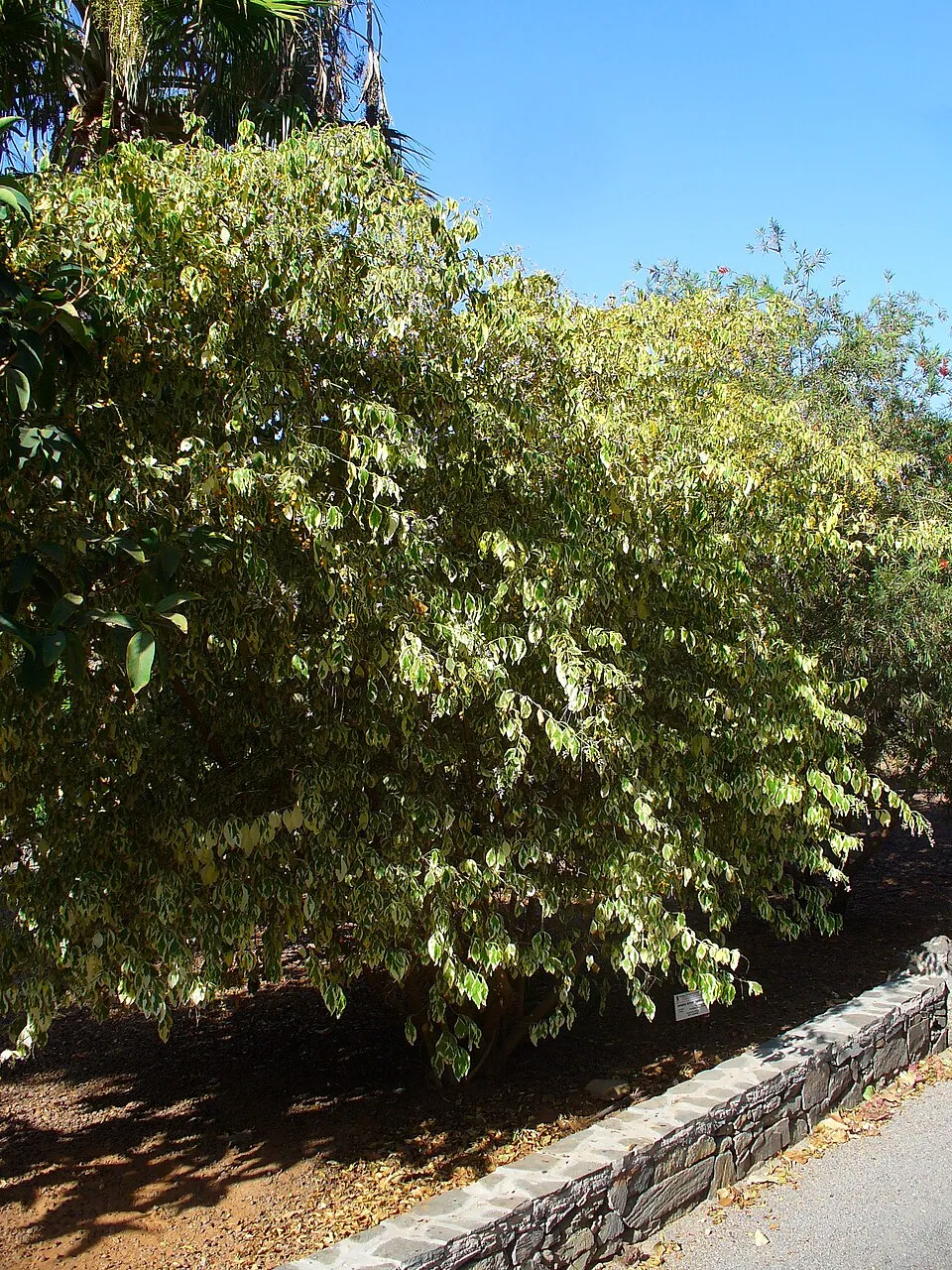
Duranta erecta, widely recognized as golden dewdrop, sky flower, or pigeon berry, is an evergreen, perennial shrub belonging to the Verbenaceae family. This species is indigenous to the warmer climes of Mexico, Central America, South America, and the Caribbean islands, where it thrives in tropical and subtropical conditions. Characterized by its vigorous, upright, and often sprawling growth habit, Duranta erecta typically reaches heights of 1 to 4 meters, making it a popular choice for hedges, screens, and ornamental landscaping.
Its attractive foliage consists of glossy, dark green leaves that are ovate to lanceolate, sometimes with slightly serrated margins. The plant produces delicate, trumpet-shaped flowers in shades of blue, lavender, purple, or white, which bloom in pendulous racemes and are highly attractive to pollinators like butterflies. Following the floral display, small, spherical, golden-yellow or orange berries develop in clusters, adding to the plant's visual appeal.
While these berries are a food source for birds, they are notably toxic to humans and domestic animals if ingested. Duranta erecta prefers full sun to partial shade and requires well-drained soil to flourish, but it can adapt to various conditions, contributing to its classification as an invasive species in some non-native regions where it outcompetes local flora.
Trusted Scientific References
1. Authoritative external sources for Duranta erecta
1.1 Wikipedia — Duranta erecta
1.2 Kew POWO (Plants of the World Online)
1.3 PubMed — peer-reviewed research
1.4 NCBI Taxonomy Browser
1.5 GBIF — Global Biodiversity
1.6Duranta Erecta should be interpreted through verified botanical identity, practical care, and responsible safety language. This recovery note adds the missing context needed for a complete profile: match light to the plant's habit, use well-drained soil, water according to season, and avoid unsupported medicinal or edible claims. For publishing, the plant can be presented as a source-backed garden plant with clear care guidance, common problem diagnosis, and conservative safety wording.
1.1.Duranta Erecta — Standout Qualities
- ✓Botanical Name — Duranta erecta (Syn. Duranta repens).
- ✓Common Names — Golden Dewdrop, Sky Flower, Pigeon Berry, Angel's Whisper.
- ✓Family — Verbenaceae (Verbena family).
- ✓Native Range — Mexico, Central America, South America, and the Caribbean.
- ✓Growth Habit — Perennial evergreen shrub, typically 1 to 4 meters tall, often with arching, sometimes spiny branches.
- ✓Flowers — Small, trumpet-shaped, in shades of blue, purple, or white, blooming in pendulous racemes.
- ✓Fruits — Small, round, golden-yellow or orange berries, forming attractive hanging clusters; highly toxic.
- ✓Key Phytochemicals — Alkaloids (e.g., durantol), flavonoids, saponins, tannins, iridoid glycosides, steroids.
- ✓Primary Use — Ornamental plant for hedges and landscapes; external use as an insect repellent.
- ✓Toxicity Warning — All plant parts are poisonous if ingested, with berries being particularly hazardous.
1.2.Duranta Erecta — In Brief
- ✓Duranta erecta is an ornamental shrub known as golden dewdrop or sky flower.
- ✓It features vibrant blue/purple flowers and attractive golden-orange berries.
- ✓All parts of the plant, especially the berries, are highly toxic if ingested by humans or animals.
- ✓Contains phytochemicals with potential external antimicrobial, antioxidant, and insecticidal properties.
- ✓Primarily used for landscaping and as a natural pest deterrent, not for internal medicinal purposes.
- ✓Requires full sun, well-drained soil, and careful handling due to its inherent toxicity.
2.Duranta Erecta — Systematic Position
3.Duranta Erecta — Quick Facts
4.Duranta Erecta — Plant Morphology
5.Duranta Erecta — Geographic Distribution
6.Duranta Erecta — Ethnobotanical Uses
7.Duranta Erecta — Secondary Metabolites
- ✓Flavonoids — Key compounds include scutellarein, pectolinaringenin, and naringenin, which are known for their strong antioxidant, anti-inflammatory, and potentially antimicrobial activities.
- ✓Alkaloids — Durantol is a prominent alkaloid identified, responsible for the plant's toxicity, alongside other nitrogen-containing compounds that may contribute to its insecticidal properties.
- ✓Saponins — Triterpenoid saponins, such as pseudo-ginsenoside-RT1, are present, exhibiting potential immunomodulatory and hypocholesterolemic effects.
- ✓Tannins — These polyphenolic compounds provide astringent properties, contributing to the plant's antioxidant and potential wound-healing capabilities when used externally.
- ✓Glycosides — The plant contains various glycosides, including iridoid glycosides like repennoside and phenylethanoid glycosides such as acteoside, which are associated with anti-inflammatory actions.
- ✓Triterpenes — Compounds like β-sitoserol are found, a phytosterol recognized for its potential anti-inflammatory and cholesterol-lowering properties.
- ✓Steroids — A general class of compounds, including phytosterols, that can influence physiological processes and cellular membrane stability.
- ✓Coumarinolignoids — Specific compounds such as cleomiscosin and repenins have been isolated, suggesting unique biological activities yet to be fully elucidated.
- ✓Phenolics — Beyond flavonoids and tannins, other phenolic acids and compounds contribute significantly to the plant's overall antioxidant capacity.
- ✓Essential Oils — Volatile aromatic compounds, although not extensively quantified, are likely present in the leaves and flowers, contributing to the plant's scent and potentially minor antimicrobial activity.
8.Duranta Erecta — Research Insights
- ✓Antioxidant Properties — Duranta erecta extracts exhibit significant antioxidant activity, attributed to high levels of flavonoids and phenolic compounds that help neutralize free radicals and protect cellular integrity.
- ✓Antimicrobial Effects — Research indicates that various parts of the plant possess antimicrobial capabilities, inhibiting the growth of certain bacteria and fungi, which supports traditional uses for minor infections.
- ✓Insecticidal Action — The plant contains natural compounds, including certain alkaloids, that confer insecticidal and repellent properties, historically used to deter pests from crops and homes.
- ✓Anti-inflammatory Potential — Flavonoids and iridoid glycosides present in Duranta erecta may contribute to anti-inflammatory effects, traditionally utilized in external applications for localized swelling and pain.
- ✓Wound Healing Support (External) — Astringent tannins and other compounds in the leaves are believed to aid in the healing of minor cuts and abrasions when applied topically, promoting tissue regeneration.
- ✓Analgesic Activity (Topical) — In some folk medicine practices, poultices or compresses made from Duranta erecta leaves are applied externally to alleviate localized pain and discomfort.
- ✓Diuretic Properties (Traditional) — Certain traditional remedies suggest diuretic effects from specific preparations, though internal use is highly cautioned due to toxicity.
- ✓Antipyretic Uses (External) — Historically, leaf preparations have been used as external compresses to help reduce fever in some traditional systems.
- ✓Hepatoprotective Potential (Preclinical) — Some phytochemicals found in the plant have shown preliminary hepatoprotective effects in in vitro studies, warranting further research with strict safety considerations.
- ✓Anthelmintic Activity (Preclinical) — Extracts have demonstrated anthelmintic potential against certain parasitic worms in laboratory settings, suggesting a possible future for external veterinary applications.
8.1.Duranta Erecta — Indications & Uses
9.Duranta Erecta — Adverse Effects
9.1.Duranta Erecta — Side Effects & Warnings
- ✓Gastrointestinal Distress — Ingestion of berries or other plant parts can lead to severe gastrointestinal symptoms, including nausea, vomiting, abdominal pain, and diarrhea.
- ✓Neurological Symptoms — Consumption of toxic compounds, such as durantol, may cause neurological effects like drowsiness, convulsions, or lethargy, particularly in children and pets.
- ✓Skin Irritation — Direct contact with sap or plant juices may cause mild skin irritation or dermatitis in sensitive individuals.
- ✓Liver and Kidney Toxicity — Prolonged or significant exposure to the plant's toxic constituents could potentially impact liver and kidney function, leading to organ damage in severe cases.
- ✓Cardiovascular Effects — In severe cases of poisoning, cardiac irregularities or other cardiovascular disturbances have been reported, requiring immediate medical intervention.
- ✓Oral Irritation — Chewing or ingesting plant material can cause irritation and burning sensations in the mouth and throat, along with swelling.
- ✓Respiratory Distress — In extreme cases of ingestion, difficulty breathing or respiratory depression may occur, particularly in vulnerable populations.
9.2.Duranta Erecta — Safety Overview
- ✓Not for Internal Consumption — All parts of Duranta erecta, especially the berries, are considered highly toxic and should never be ingested by humans or animals.
- ✓Keep Away from Children and Pets — Due to the attractive appearance of its golden berries, ensure the plant is inaccessible to young children and household pets to prevent accidental poisoning.
- ✓Handle with Gloves — When pruning or handling the plant, it is advisable to wear gloves to prevent potential skin irritation from sap, especially for individuals with sensitive skin.
- ✓Seek Medical Attention Immediately — In case of accidental ingestion, contact poison control or seek emergency medical care without delay, bringing a sample of the ingested plant part if possible.
- ✓Pregnant and Breastfeeding Women — Avoid all contact and use of Duranta erecta, as the toxic compounds could potentially harm the fetus or infant through systemic absorption.
- ✓No Therapeutic Internal Use — Duranta erecta is primarily valued for its ornamental qualities and external insecticidal properties, with no established safe internal medicinal applications.
- ✓Outdoor Cultivation Only — Due to its toxicity, it is strongly recommended to cultivate Duranta erecta outdoors where it can be managed and kept away from vulnerable individuals.
10.Duranta Erecta — How to Use
- ✓Topical Application for Skin Ailments — Traditionally, leaf poultices or crushed leaf preparations have been applied externally to address minor skin irritations or wounds.
- ✓Insect Repellent Preparation — Extracts from the leaves or twigs are utilized in some folk practices as a natural insecticidal spray or repellent against garden pests and insects.
- ✓Decoction for External Washes — A decoction made from the leaves may be employed as an external wash for its potential antimicrobial properties on the skin, strictly avoiding ingestion.
- ✓Infusion for Pain Relief (External) — In some traditional systems, warm infusions of leaves are used as compresses to alleviate localized pain or inflammation externally, such as for muscle aches.
- ✓Garden Pest Control — Due to its natural insecticidal compounds, extracts can be prepared for use as a bio-pesticide in organic gardening applications.
- ✓Herbal Ointments and Liniments — Infused oils or extracts are sometimes incorporated into topical ointments for their potential analgesic and anti-inflammatory effects on muscles and joints.
- ✓Hair and Scalp Treatments (Traditional External) — In some cultures, leaf preparations have been used as external washes for scalp conditions or to promote hair health, strictly avoiding internal contact.
11.Duranta Erecta — Growth Requirements
- ✓Soil Requirements — Prefers well-drained, fertile soil, ideally a loamy or sandy loam mixture with a slightly acidic to neutral pH (6.0-7.0).
- ✓Light Exposure — Thrives in full sun, requiring at least six hours of direct sunlight daily for optimal flowering and fruit production; tolerates partial shade but may have reduced bloom.
- ✓Watering Regimen — Requires regular and consistent watering, especially during dry periods and while establishing; mature plants exhibit good drought tolerance.
- ✓Pruning Techniques — Prune annually in late winter or early spring to maintain desired shape, control size, and encourage bushier growth and prolific flowering.
- ✓Fertilization — Apply a balanced, slow-release granular fertilizer in spring and again in mid-summer to support vigorous growth and blooming.
- ✓Pest and Disease Management — Generally robust, but monitor for common garden pests like aphids or whiteflies; ensure good air circulation to prevent fungal issues.
- ✓Climate Adaptability — Best suited for tropical and subtropical climates (USDA Zones 9-11), intolerant of frost and cold temperatures.
- ✓Propagation — Easily propagated from semi-hardwood cuttings taken in spring or summer, or from seeds, though seed germination can be slow.
Reviewed by the Flora Medical Global Botanical Review Panel
Multi-disciplinary editorial group · Botany · Ethnobotany · Herbal-medicine literature
Who reviewed this: This page was checked by the Flora Medical Global Botanical Review Panel — an in-house editorial group of botany graduates, ethnobotany researchers, and horticulture practitioners who collectively maintain our 7,000+ plant encyclopedia. Meet the team.
Our 4-step verification process
1. Taxonomic verification
Scientific names and synonyms cross-checked against Kew POWO, World Flora Online, and The Plant List.
2. Phytochemical & medicinal cross-reference
Active compounds, traditional uses, and reported activities are cross-referenced with PubMed, USDA Dr. Duke's database, and peer-reviewed ethnobotanical literature.
3. Conservation & distribution check
Distribution, ecology, and conservation status confirmed against GBIF occurrence records and the IUCN Red List.
4. Editorial & safety review
Every entry passes an editorial pass for clarity, originality, and safety notices (toxicity, contraindications, dosage caveats) before publication.
Last reviewed:
Important medical disclaimer: This content is for educational and research purposes only. It is not medical advice and is not a substitute for consultation with a licensed healthcare provider. Do not use any herb to self-treat a medical condition without professional guidance.
Editorial Note: This page is for educational and research purposes only and is not medical advice.
Written by: Flora Medical Global Editorial Team
Reviewed by: Flora Medical Global Botanical Review Panel
Last Updated: June 15, 2026





Duranta Erecta — Comments & Community Reviews
Rate this plant