
Medical Disclaimer: This content is for educational purposes only. It is not medical advice. Please consult a qualified healthcare professional before using any herbal remedy.
Safety Overview
1.Dwarf Alberta Spruce — Essential Profile
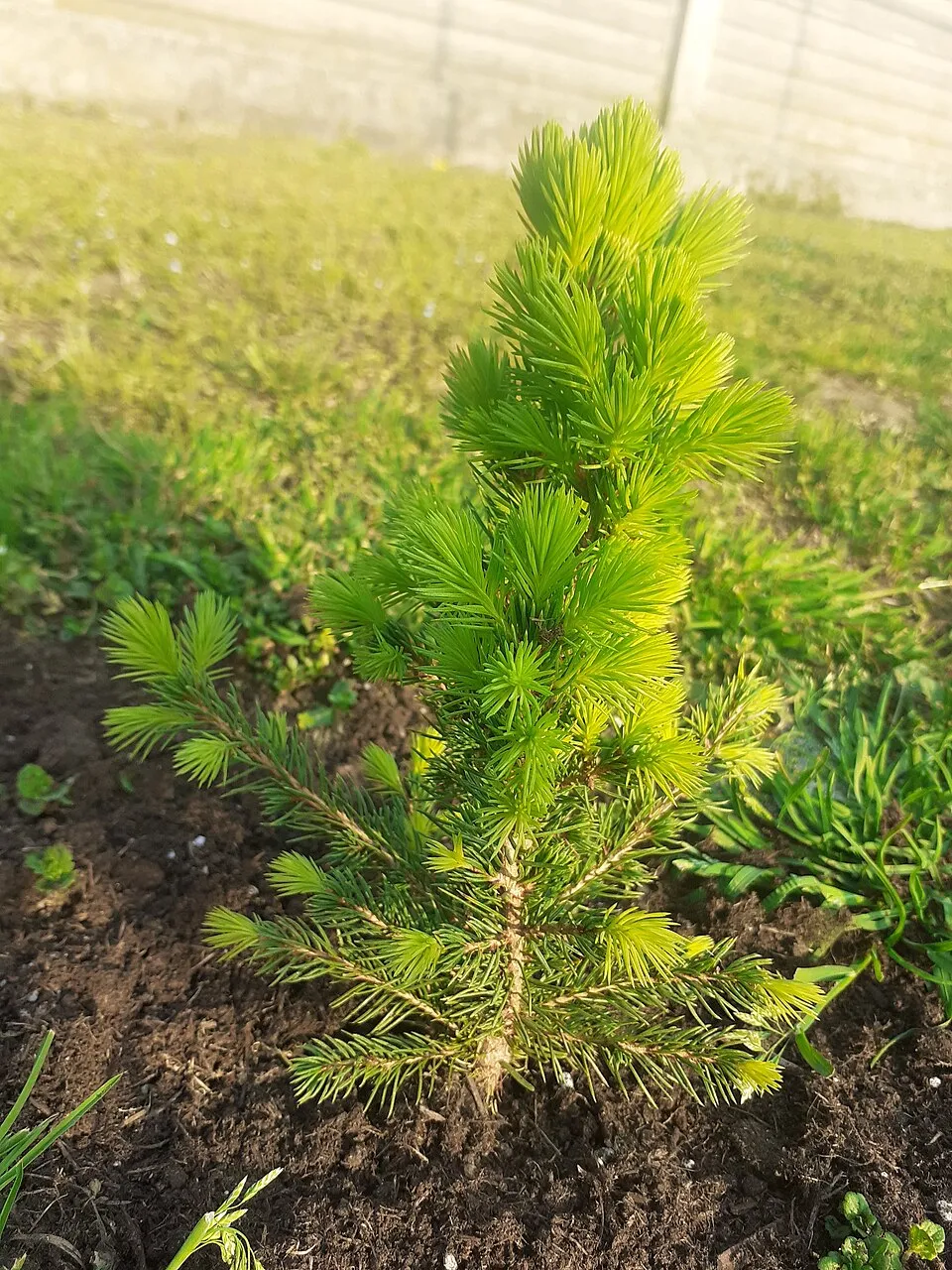
The Dwarf Alberta Spruce, botanically known as Picea glauca 'Conica', is a highly prized coniferous evergreen cultivar derived from the native North American white spruce. This exceptionally slow-growing tree forms a dense, symmetrical conical shape, making it a standout specimen in diverse landscapes. Typically maturing to a modest height of 1.5 to 3 meters (5 to 10 feet) with a spread of 1 to 2 meters (3 to 6 feet), its compact habit is a defining characteristic.
Its foliage consists of short, stiff, and sharply pointed needles, arranged radially on the branches, presenting a vibrant bluish-green hue that maintains its color year-round, offering consistent texture and visual interest. The bark of the Dwarf Alberta Spruce is initially smooth but develops a thin, flaky, grayish-brown texture with age. While the parent species, Picea glauca, is widely distributed across boreal forests from Alaska to Newfoundland, 'Conica' originated as a spontaneous mutation (witch's broom) discovered in Alberta, Canada, in the early 20th century.
This cultivar thrives in well-drained, organically rich soils and prefers environments with full sun to partial shade, requiring adequate light to maintain its dense, compact form. It is primarily cultivated for its aesthetic appeal in gardens, rockeries, foundation plantings, and as a popular choice for container gardening and holiday ornamentation.
Trusted Scientific References
1. Authoritative external sources for Picea glauca Conica
1.1 Wikipedia — Picea glauca Conica
1.2 Kew POWO (Plants of the World Online)
1.3 PubMed — peer-reviewed research
1.4 NCBI Taxonomy Browser
1.5 GBIF — Global Biodiversity
1.6Dwarf Alberta Spruce should be interpreted through verified botanical identity, practical care, and responsible safety language. This recovery note adds the missing context needed for a complete profile: match light to the plant's habit, use well-drained soil, water according to season, and avoid unsupported medicinal or edible claims. For publishing, the plant can be presented as a source-backed garden plant with clear care guidance, common problem diagnosis, and conservative safety wording.
1.1.Dwarf Alberta Spruce — Highlights
- ✓Distinctive Conical Form — Naturally grows into a perfect, dense cone shape.
- ✓Compact Size — Reaches a modest height, ideal for small gardens and containers.
- ✓Evergreen Foliage — Maintains vibrant bluish-green needles year-round.
- ✓Slow Growth Rate — Requires minimal pruning and retains its shape for many years.
- ✓Easy Care — Relatively low maintenance once established.
- ✓Deer and Rabbit Resistant — Less prone to damage from common garden pests.
- ✓Cold Hardy — Thrives in USDA Zones 2-8, tolerating cold winters.
- ✓Versatile Landscape Use — Suitable for specimen planting, hedges, borders, and rock gardens.
- ✓Attracts Birds — Provides shelter and nesting sites for various bird species.
- ✓Unique Texture — Dense, stiff needles offer rich textural contrast in the landscape.
1.2.Dwarf Alberta Spruce — At-a-Glance Summary
- ✓Dwarf Alberta Spruce is a compact, slow-growing evergreen conifer valued for its distinctive conical form.
- ✓Primarily an ornamental plant, it enhances gardens, containers, and serves as a living holiday decoration.
- ✓The parent species, Picea glauca, has a history of traditional medicinal uses by Native Americans, particularly for respiratory and skin ailments.
- ✓Its phytochemical profile includes beneficial terpenes, flavonoids, and resin acids, contributing to its traditional antiseptic and anti-inflammatory actions.
- ✓Requires full sun to partial shade and well-drained soil, with moderate care to maintain its health and aesthetic.
- ✓While generally safe for ornamental use, internal consumption of its derivatives is not recommended without expert guidance.
2.Dwarf Alberta Spruce — Scientific Identity
3.Dwarf Alberta Spruce — Key Data
4.Dwarf Alberta Spruce — Botanical Description
5.Dwarf Alberta Spruce — Origin & Spread
6.Dwarf Alberta Spruce — Traditional Uses
7.Dwarf Alberta Spruce — Phytochemistry
- ✓Monoterpenes — Key compounds like alpha-pinene, camphene, and limonene are abundant in the essential oil of Picea glauca, contributing to its characteristic aroma and exhibiting bronchodilator, antiseptic, and anti-inflammatory actions.
- ✓Sesquiterpenes — Compounds such as beta-caryophyllene and germacrene D are present, offering additional anti-inflammatory and antimicrobial properties.
- ✓Diterpenes (Resin Acids) — Abietic acid, pimaric acid, and dehydroabietic acid are major components of spruce resin, known for their strong antimicrobial effects and role in wound healing.
- ✓Flavonoids — Quercetin, catechin, and other flavonoid glycosides are found in the needles and bark, providing significant antioxidant and anti-inflammatory activities.
- ✓Lignans — Compounds like hydroxymatairesinol and coniferyl alcohol derivatives are present in the wood and bark, recognized for their potential phytoestrogenic and antioxidant benefits.
- ✓Phenolic Acids — Gallic acid, caffeic acid, and ferulic acid contribute to the plant's overall antioxidant capacity and may possess anti-inflammatory effects.
- ✓Volatile Oils — A complex mixture of the aforementioned terpenes, responsible for the aromatic and therapeutic qualities, particularly beneficial for respiratory conditions.
- ✓Tannins — Found primarily in the bark, these polyphenolic compounds confer astringent properties, useful in traditional medicine for various applications.
- ✓Sterols — Beta-sitosterol and other plant sterols are present, contributing to general plant health and potentially offering anti-inflammatory effects.
- ✓Glycosides — Various glycosides, including phenolic glycosides, contribute to the plant's defense mechanisms and potential biological activities.
8.Dwarf Alberta Spruce — Pharmacological Findings
- ✓Respiratory Support — Traditionally, the resin and essential oil from the parent White Spruce (Picea glauca) have been inhaled or consumed in decoctions to alleviate symptoms of colds, coughs, and bronchitis by acting as an expectorant and decongestant.
- ✓Antiseptic Properties — Spruce resin, rich in terpenes, exhibits natural antiseptic qualities and was historically applied topically to clean and protect minor wounds, cuts, and abrasions from infection.
- ✓Anti-inflammatory Action — Certain compounds within spruce resin and bark extracts have shown traditional use in reducing localized inflammation and pain when applied as poultices or consumed internally in small amounts.
- ✓Wound Healing — The sticky resin of Picea species acts as a protective barrier and is believed to promote the healing of skin lesions and minor burns due to its antimicrobial and regenerative properties.
- ✓Muscle and Joint Pain Relief — Infusions or liniments made from spruce needles and twigs have been traditionally used as topical applications to soothe sore muscles, arthritic joints, and rheumatic pain.
- ✓Diuretic Effects — Native American traditions sometimes utilized spruce bark or needle preparations as mild diuretics to support kidney function and help alleviate fluid retention.
- ✓Astringent Qualities — The bark of the white spruce, containing tannins, was historically used in decoctions for its astringent properties, aiding in the treatment of minor gastrointestinal upsets or as a gargle for sore throats.
- ✓Expectorant for Congestion — Inhalation of steam infused with spruce essential oil or needles can help loosen mucus and clear nasal and bronchial passages, offering relief from chest congestion.
- ✓Skin Irritation Relief — Diluted essential oil or resin salves have been used to calm minor skin irritations, insect bites, and rashes, leveraging the plant's soothing and protective compounds.
- ✓Immune System Support — While not a direct immune booster, the general wellness benefits derived from alleviating respiratory stress and promoting healing can indirectly support the body's natural defenses.
8.1.Dwarf Alberta Spruce — Health Applications
9.Dwarf Alberta Spruce — Cautions & Contraindications
9.1.Dwarf Alberta Spruce — Side Effects & Warnings
- ✓Skin Irritation — Direct contact with concentrated spruce resin or undiluted essential oil can cause contact dermatitis or allergic reactions in sensitive individuals.
- ✓Allergic Reactions — Individuals sensitive to conifers or tree sap may experience itching, redness, or respiratory symptoms upon exposure to the plant or its derivatives.
- ✓Gastrointestinal Upset — Internal consumption of spruce derivatives, particularly resin or large quantities of needles, can lead to stomach upset, nausea, or vomiting.
- ✓Photosensitivity — Some compounds in spruce oil or resin might potentially increase skin sensitivity to sunlight, though this is less common than with other phototoxic plants.
- ✓Respiratory Irritation — Excessive inhalation of concentrated essential oil vapors can irritate the respiratory tract, especially in individuals with asthma or other respiratory conditions.
- ✓Drug Interactions — While not well-studied for Picea glauca 'Conica', potent phytochemicals in some conifers could theoretically interact with certain medications, particularly anticoagulants or sedatives.
- ✓Toxicity Concerns — Ingesting large amounts of any conifer plant material without proper preparation or guidance can be toxic, particularly for children and pets.
9.2.Dwarf Alberta Spruce — Safety Overview
- ✓Ornamental Use Only — Picea glauca 'Conica' is primarily cultivated for ornamental purposes; its medicinal use is not widely studied or recommended for this specific cultivar.
- ✓External Use Caution — If using derivatives from the parent Picea glauca species (resin, essential oil), always dilute essential oils and perform a patch test before widespread topical application.
- ✓Avoid Internal Consumption — Internal use of spruce plant material or resin should only be undertaken under the strict guidance of a qualified medical herbalist due to potential toxicity and lack of specific safety data.
- ✓Pregnancy and Lactation — Pregnant or nursing individuals should avoid medicinal use of spruce derivatives due to insufficient safety data.
- ✓Children and Pets — Keep plant material and derived products out of reach of children and pets, as ingestion can cause gastrointestinal upset or more severe reactions.
- ✓Allergic Individuals — Individuals with known allergies to conifers, pine pollen, or tree sap should exercise extreme caution or avoid contact entirely.
- ✓Consult Healthcare Professional — Always consult a healthcare provider before using any herbal remedy, especially if you have pre-existing medical conditions or are taking medications.
10.Dwarf Alberta Spruce — Preparation Methods
- ✓Ornamental Display — Primarily used as a specimen plant in gardens, rockeries, foundation plantings, or as a living Christmas tree due to its perfect conical shape.
- ✓Container Planting — Excellent for container gardening on patios, balconies, or entryways, requiring regular watering and occasional repotting.
- ✓Topiary Art — Its dense foliage and compact growth habit make it highly suitable for artistic pruning into spiral or poodle topiary forms.
- ✓Traditional Resin Salve — For the parent species, resin collected from the bark can be melted and mixed with a carrier oil (e.g., olive oil) and beeswax to create a topical salve for minor cuts and skin irritations.
- ✓Essential Oil Diffusion — While 'Conica' is not typically harvested for oil, essential oil from Picea glauca needles can be diffused for aromatherapy to support respiratory health and create a refreshing ambiance.
- ✓Needle Infusion (External) — A strong infusion of Picea glauca needles can be added to bathwater for a soothing, aromatic experience or used as a compress for muscle aches.
- ✓Bark Decoction (Traditional) — Historically, the bark of the parent species was boiled to create a decoction used as an astringent wash or gargle, though internal use requires expert guidance.
- ✓Herbal Poultice (Traditional) — Crushed fresh needles or resin from the parent species could be applied directly to the skin as a poultice for localized inflammation or minor wounds.
11.Dwarf Alberta Spruce — How to Grow
- ✓Site Selection — Choose a location with full sun to partial shade; adequate light is crucial for maintaining the plant's dense, compact form.
- ✓Soil Requirements — Plant in well-drained soil that is rich in organic matter. While adaptable, it prefers slightly acidic to neutral pH levels.
- ✓Watering — Water deeply and regularly during the first growing season to establish a robust root system. Maintain consistent moisture, especially in dry periods, but avoid waterlogging.
- ✓Fertilization — Apply a balanced, slow-release evergreen fertilizer in early spring before new growth emerges to support healthy development.
- ✓Pruning — Minimal pruning is typically required. Trim only to remove dead or damaged branches or to maintain a desired size and shape, particularly for topiary forms.
- ✓Air Circulation — Ensure good air circulation around the plant by siting it a few feet away from structures or other dense plantings to prevent fungal issues.
- ✓Pest Management — Monitor for common pests like spider mites, especially in hot, dry conditions, and address promptly with appropriate horticultural oil or insecticidal soap.
- ✓Winter Protection — In harsh winter climates (USDA Zone 2-8), ensure consistent soil moisture before winter. Mulching can help protect shallow roots.
Reviewed by the Flora Medical Global Botanical Review Panel
Multi-disciplinary editorial group · Botany · Ethnobotany · Herbal-medicine literature
Who reviewed this: This page was checked by the Flora Medical Global Botanical Review Panel — an in-house editorial group of botany graduates, ethnobotany researchers, and horticulture practitioners who collectively maintain our 7,000+ plant encyclopedia. Meet the team.
Our 4-step verification process
1. Taxonomic verification
Scientific names and synonyms cross-checked against Kew POWO, World Flora Online, and The Plant List.
2. Phytochemical & medicinal cross-reference
Active compounds, traditional uses, and reported activities are cross-referenced with PubMed, USDA Dr. Duke's database, and peer-reviewed ethnobotanical literature.
3. Conservation & distribution check
Distribution, ecology, and conservation status confirmed against GBIF occurrence records and the IUCN Red List.
4. Editorial & safety review
Every entry passes an editorial pass for clarity, originality, and safety notices (toxicity, contraindications, dosage caveats) before publication.
Last reviewed:
Important medical disclaimer: This content is for educational and research purposes only. It is not medical advice and is not a substitute for consultation with a licensed healthcare provider. Do not use any herb to self-treat a medical condition without professional guidance.
Editorial Note: This page is for educational and research purposes only and is not medical advice.
Written by: Flora Medical Global Editorial Team
Reviewed by: Flora Medical Global Botanical Review Panel
Last Updated: June 15, 2026





Dwarf Alberta Spruce — Comments & Community Reviews
Rate this plant