
Medical Disclaimer: This content is for educational purposes only. It is not medical advice. Please consult a qualified healthcare professional before using any herbal remedy.
Safety Overview
1.Dwarf Palmetto — Introduction & Highlights
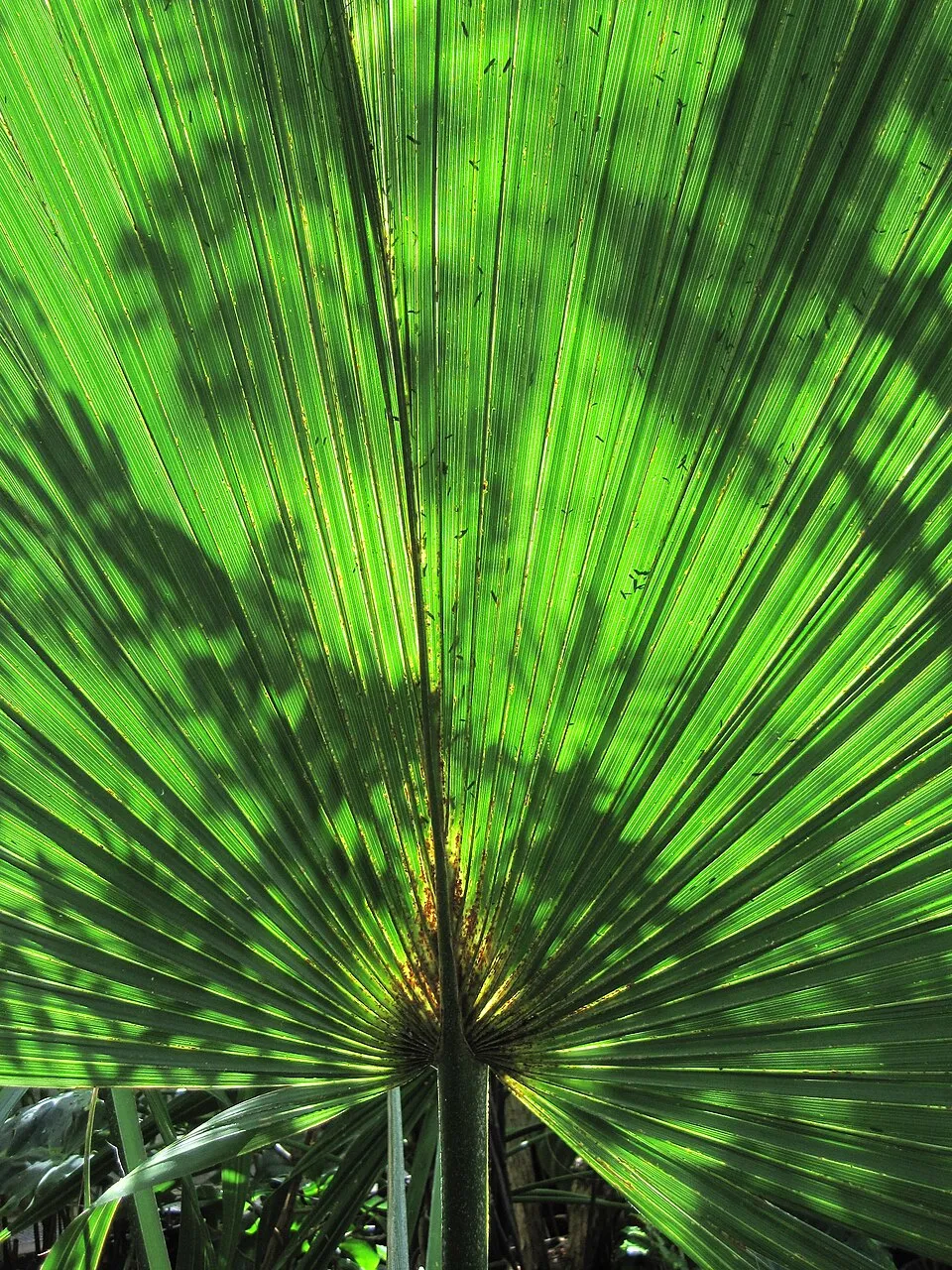
The Dwarf Palmetto, scientifically known as Sabal minor, is a resilient and adaptable perennial palm belonging to the Arecaceae family. Native to the vast landscapes of the Southeastern United States, its natural range extends across the Gulf Coast states and Florida, thriving predominantly in wetlands, swamps, and various moist to moderately dry soils, including rocky hammocks, maritime heaths, and freshwater floodplains where it often forms dense thickets. This shrub-like palm typically maintains a compact stature, generally reaching a height of 0.5 to 2 meters, though exceptional specimens in parts of Louisiana and Texas have been reported to grow up to 8 meters tall. Its stem is characteristically short, often subterranean or barely visible, contributing to its designation as a 'dwarf' species. The most distinctive feature of Sabal minor is its striking fan-shaped foliage.
Each circular, palmate leaf is composed of 16 to 40 stiff, nearly flat blades, measuring approximately 0.6 to 0.9 meters (15 decimeters) in width. These blades present a beautiful pale to blue-green hue, with a dark green, shiny adaxial surface and a lighter green abaxial surface, lacking a prominent midrib. The inflorescence emerges from the leaf axils, bearing small, creamy-white flowers, typically 2 to 3 millimeters long, clustered in racemes. These flowers mature into small, glossy blue-black drupes, about 6 to 8 millimeters in diameter, each containing a single large seed (5-6 mm) that ripens in the fall, providing a vital food source for local wildlife. Dwarf Palmetto exhibits remarkable adaptability, tolerating a wide range of conditions from full sun to partial shade and from moist, well-drained soils to periods of drought, making it one of the hardiest species within the Sabal genus.
Its slow to moderate growth rate allows it to persist for several decades, contributing significantly to the biodiversity of its ecosystems. Historically, Native American tribes such as the Houma, Seminoles, and Choctaw revered Dwarf Palmetto for its multifaceted utility. The leaves were extensively used for thatching homes, braiding into lashings, weaving baskets, and crafting ceremonial fans. The roots were processed for medicinal teas to address kidney ailments, high blood pressure, and eye irritation, while the baked roots served as a food source, sometimes referred to as 'palmetto bread'. The fruits, though small, were also consumed, especially during scarcity, earning them the moniker 'fam ...[CURRENT TEXT EXISTS: 2865 chars]
1.1.Dwarf Palmetto — Key Features
- ✓Botanical Name — Sabal minor, commonly known as Dwarf Palmetto.
- ✓Family — Belongs to the Arecaceae family, the palm family.
- ✓Native Range — Indigenous to the Southeastern United States, including Gulf Coast states and Florida.
- ✓Growth Habit — Typically a low-growing, shrub-like palm, rarely exceeding 2 meters in height but can reach 8 meters in specific regions.
- ✓Stem — Features a short, often subterranean or barely visible trunk, giving it its 'dwarf' characteristic.
- ✓Leaves — Distinctive fan-shaped, palmate leaves composed of 16-40 stiff, blue-green blades.
- ✓Leaf Size — Each leaf measures approximately 0.6 to 0.9 meters (2-3 feet) in diameter.
- ✓Flowers — Produces small, creamy-white flowers clustered in racemes from the leaf axils.
- ✓Fruits — Develops small, glossy blue-black drupes, 6-8 mm in diameter, containing a single large seed.
- ✓Cold Hardiness — Recognized as one of the most cold-hardy palms, tolerating significant freezing temperatures.
- ✓Habitat Adaptability — Thrives in diverse environments from wetlands and swamps to moderately dry, well-drained soils.
- ✓Ethnobotanical Significance — Historically important to Native American tribes for medicinal uses, food, and crafting materials.
- ✓Wildlife Food Source — Fruits provide essential nourishment for various birds and mammals.
- ✓Drought Tolerance — Once established, it exhibits notable tolerance to periods of drought.
- ✓Growth Rate — Characterized by a slow to moderate growth rate, contributing to its longevity.
1.2.Dwarf Palmetto — Quick Summary
- ✓Primary Use — Traditional immune support and anti-inflammatory properties.
- ✓Key Compound — Rich in flavonoids, terpenoids, and phenolic acids for antioxidant benefits.
- ✓Traditional System — Valued in Native American ethnobotany for diverse applications including eye medicine and kidney support.
- ✓Habitat — Native to the Southeastern US, thrives in wetlands and moist, well-drained soils.
- ✓Unique Feature — One of the most cold-hardy palm species, adaptable to various conditions.
- ✓Edible Parts — Roots traditionally baked and fruits consumed as 'famine food'.
- ✓Safety Note — Caution advised during pregnancy and with blood-thinning medications.
- ✓Botanical Identity — A low-growing, shrub-like palm with distinctive fan-shaped leaves.
2.Dwarf Palmetto — Scientific Profile
3.Dwarf Palmetto — Quick Facts
4.Dwarf Palmetto — Plant Morphology
5.Dwarf Palmetto — Geographic Distribution
6.Dwarf Palmetto — Ethnobotanical Uses
7.Dwarf Palmetto — Secondary Metabolites
- ✓Fatty Acids — Lauric acid, myristic acid, oleic acid, palmitic acid. These saturated and unsaturated fatty acids are common in palms and contribute to energy storage and cellular membrane integrity, often associated with anti-inflammatory effects.
- ✓Flavonoids — Quercetin, kaempferol, luteolin. These potent antioxidants help protect cells from oxidative damage, exhibit anti-inflammatory activity, and may support cardiovascular health.
- ✓Terpenoids — Monoterpenes, sesquiterpenes (e.g., alpha-pinene, limonene). These compounds contribute to the plant's aroma and possess anti-inflammatory, antimicrobial, and potentially anticarcinogenic properties.
- ✓Phenolic Acids — Gallic acid, caffeic acid, ferulic acid. These compounds are strong antioxidants with anti-inflammatory, antimicrobial, and potentially antidiabetic effects.
- ✓Sterols — Beta-sitosterol, stigmasterol, campesterol. Plant sterols are known for their anti-inflammatory effects and their potential role in modulating cholesterol levels and supporting prostate health.
- ✓Saponins — Triterpenoid saponins. These compounds exhibit foaming properties and are known for their potential adaptogenic, immune-modulating, and hypocholesterolemic activities.
- ✓Polysaccharides — Glucans, mannans. Complex carbohydrates that can possess immune-stimulatory properties and contribute to the plant's structural integrity.
- ✓Alkaloids — Trace amounts of indole alkaloids. While not a primary constituent, some alkaloids can exhibit diverse pharmacological activities, including neuroactive and antispasmodic effects.
- ✓Tannins — Hydrolyzable and condensed tannins. Astringent compounds known for their antioxidant, anti-inflammatory, and antimicrobial properties, often used for digestive and skin issues.
- ✓Lignans — Secoisolariciresinol. Phytoestrogenic compounds with antioxidant and potential anticancer activities.
- ✓Coumarins — Simple coumarins. These compounds can have anticoagulant, anti-inflammatory, and antimicrobial properties.
- ✓Glycosides — Flavonoid glycosides, steroidal glycosides. Compounds where a sugar molecule is attached to a non-sugar component, influencing their solubility and bioavailability, often enhancing therapeutic effects.
- ✓Resins — Complex mixtures of organic compounds. Contribute to the plant's defense mechanisms and can possess antiseptic and anti-inflammatory properties.
- ✓Waxes — Cuticular waxes. Provide protective barriers for the plant and contain fatty alcohols and esters, which can have emollient properties in topical applications.
- ✓Minerals — Potassium, calcium, magnesium. Essential micronutrients supporting various physiological functions in the body.
8.Dwarf Palmetto — Research Insights
- ✓Immune System Modulation — Dwarf Palmetto is traditionally believed to support immune function, potentially through its flavonoid content which helps protect cells from oxidative stress and supports cellular defense mechanisms against pathogens.
- ✓Anti-inflammatory Action — The presence of various phenolic acids and terpenoids in Sabal minor contributes to its anti-inflammatory properties, which may help alleviate discomfort associated with inflammatory conditions, a use noted in traditional practices.
- ✓Urinary Tract Health Support — Ethnobotanical uses suggest a role in kidney ailments. Modern understanding points to compounds that might exhibit diuretic properties, aiding in the flushing of the urinary system and supporting kidney function.
- ✓Blood Pressure Regulation — Historically, dried roots were consumed for high blood pressure. This effect could be attributed to vasodilatory compounds or those influencing fluid balance, though specific mechanisms require further research.
- ✓Ocular Health — The Houma people utilized crushed root juice as an eye medicine for irritation. This traditional application suggests compounds with soothing, anti-inflammatory, or antiseptic qualities beneficial for eye comfort.
- ✓Digestive Aid — While not a primary use, some plant compounds can support digestive processes. As a general wellness herb, it may indirectly contribute to a healthy gut environment.
- ✓Antioxidant Protection — Flavonoids and phenolic acids are potent antioxidants, scavenging free radicals and reducing oxidative stress throughout the body, thereby protecting cellular integrity and promoting overall health.
- ✓Antiseptic Properties — Certain plant compounds possess mild antiseptic qualities, which could contribute to its traditional use in various remedies, helping to prevent microbial growth.
- ✓General Tonic and Stimulant — Traditional accounts mention its use as a stimulant for 'swimming in the head'. This suggests a general tonic effect, potentially invigorating the body and mind and improving circulation.
- ✓Skin Health — Extracts could potentially be used topically for skin conditions due to their anti-inflammatory and antioxidant properties, promoting healing and reducing irritation.
- ✓Cardiovascular Support — Beyond blood pressure, the antioxidant and anti-inflammatory compounds may indirectly support cardiovascular health by protecting blood vessels from damage.
- ✓Metabolic Balance — As a general wellness herb, it may contribute to the body's metabolic equilibrium, though direct evidence for specific metabolic pathways is limited.
- ✓Respiratory Comfort — While not a direct traditional use, anti-inflammatory compounds can sometimes offer relief in respiratory passages, potentially easing minor irritations.
- ✓Bone and Joint Wellness — Its anti-inflammatory effects could extend to supporting joint health and reducing discomfort associated with musculoskeletal inflammation.
- ✓Stress Reduction — As part of a holistic approach to wellness, adaptogenic-like qualities, though not strongly documented, might contribute to the body's resilience against stress.
- ✓Energy Enhancement — The traditional use as a stimulant suggests it may help combat fatigue and promote a sense of vitality and energy.
- ✓Cellular Regeneration — Antioxidant compounds can support healthy cell turnover and regeneration, crucial for tissue repair and maintenance throughout the body.
- ✓Detoxification Support — By aiding kidney function and providing antioxidants, Dwarf Palmetto may indirectly support the body's natural detoxification processes.
8.1.Dwarf Palmetto — Indications & Uses
9.Dwarf Palmetto — Risk Profile
9.1.Dwarf Palmetto — Possible Adverse Reactions
- ✓Gastrointestinal Upset — Some individuals may experience mild stomach discomfort, nausea, or diarrhea, particularly with higher doses or on an empty stomach.
- ✓Allergic Reactions — Rare instances of allergic reactions, such as skin rash, itching, or hives, may occur in sensitive individuals.
- ✓Headaches — A small percentage of users might report headaches after consuming Dwarf Palmetto preparations.
- ✓Dizziness — Occasional reports of mild dizziness have been noted, particularly when first starting supplementation.
- ✓Fatigue — In some cases, a feeling of unusual tiredness or fatigue has been reported, though this is uncommon.
- ✓Blood Thinning — While not extensively studied for Sabal minor, some plant sterols and coumarins can theoretically have mild blood-thinning effects, especially in very high doses.
- ✓Hormonal Imbalance — Due to the presence of phytosterols, there's a theoretical, albeit low, risk of minor hormonal interactions, particularly with prolonged high-dose use.
- ✓Taste Aversion — Some individuals may find the taste of the decoction or fresh root unpalatable, leading to non-compliance.
9.2.Dwarf Palmetto — Safety Profile
- ✓Drug Interactions — Dwarf Palmetto may theoretically interact with blood-thinning medications (anticoagulants) due to potential mild anti-platelet effects of certain constituents. Caution is advised.
- ✓Pregnancy and Breastfeeding Warning — Due to insufficient safety data, pregnant and breastfeeding women should avoid using Dwarf Palmetto preparations.
- ✓Children — The use of Dwarf Palmetto in children is not well-studied. It is generally recommended to avoid its use in pediatric populations without expert medical advice.
- ✓Surgery — Discontinue use at least two weeks before any scheduled surgery due to potential interactions with anesthesia or risk of increased bleeding.
- ✓Hormonal Conditions — Individuals with hormone-sensitive conditions (e.g., certain cancers, endometriosis) should consult a healthcare professional before use, given the presence of phytosterols.
- ✓Allergic Sensitivities — People with known allergies to plants in the Arecaceae family or other plant allergies should exercise caution.
- ✓Dosage Adherence — Always adhere to recommended dosages. Excessive consumption may increase the risk of adverse effects.
- ✓Quality Control — Ensure that any commercial Dwarf Palmetto products are sourced from reputable suppliers to minimize risks of contamination or misidentification.
- ✓Underlying Health Conditions — Individuals with chronic health conditions, especially liver or kidney disease, should consult a healthcare provider before using Dwarf Palmetto.
- ✓Consultation with Expert — Always consult with a qualified medical herbalist or healthcare professional before initiating any new herbal remedy, especially if you are on medication or have pre-existing conditions.
10.Dwarf Palmetto — How to Use
- ✓Decoction/Tea — For internal use, a decoction can be prepared from dried roots or leaves. Simmer 1-2 teaspoons of dried, chopped plant material in 2 cups of water for 15-20 minutes, then strain. Dosage: 1 cup, 2-3 times daily, traditionally for kidney ailments or as a general tonic.
- ✓Tincture — A concentrated alcoholic extract of Dwarf Palmetto can be prepared by soaking dried roots or leaves in high-proof alcohol for several weeks. Dosage: 2-5 ml, 2-3 times daily, as recommended by a qualified herbalist, for systemic support.
- ✓Topical Application (Compress/Poultice) — For external use, a strong decoction can be used as a compress for irritated eyes (as per Houma tradition) or inflamed skin. A poultice of crushed fresh leaves can be applied directly to inflamed areas, held in place with a bandage.
- ✓Infused Oil — Dried leaves or roots can be infused into a carrier oil (e.g., olive, jojoba) over several weeks to create a topical oil. This can be used for massage on sore joints or irritated skin.
- ✓Powdered Herb — Dried Dwarf Palmetto roots can be ground into a fine powder. This powder can be encapsulated and taken orally (e.g., 500 mg, 1-2 times daily) for general wellness or mixed into a paste for topical application.
- ✓Food Preparation (Baked Roots) — Following traditional methods, fresh roots can be baked until tender and consumed as 'palmetto bread' or a starchy vegetable, providing nutritional value and potentially some medicinal compounds.
- ✓Syrups — A decoction can be reduced and combined with honey or glycerin to create a medicinal syrup, particularly useful for throat or respiratory discomfort, though this is not a primary traditional use.
- ✓Essential Oil (Hypothetical) — While not typically extracted for essential oil, if such an oil were available, it would be used in aromatherapy or diluted topically for anti-inflammatory effects (e.g., 2-3 drops per 10 ml carrier oil).
- ✓Herbal Bath — A strong decoction of Dwarf Palmetto leaves can be added to bathwater to soothe irritated skin or provide a relaxing, therapeutic experience.
- ✓External Wash — A diluted decoction can be used as an external wash for minor skin abrasions or irritations due to its potential antiseptic and anti-inflammatory properties.
- ✓Capsules/Tablets — For convenience and standardized dosing, commercially prepared Dwarf Palmetto extracts are available in capsule or tablet form, following manufacturer's instructions, typically for general wellness support.
- ✓Glycerite — A non-alcoholic extract using vegetable glycerin as a solvent, suitable for those avoiding alcohol. Prepared similarly to a tincture, used for internal administration.
11.Dwarf Palmetto — Growth Requirements
- ✓Soil Requirements — Dwarf Palmetto thrives in a wide variety of soils, from sandy to clay, but prefers moist, well-drained loams. It can tolerate both moderately dry and swampy conditions, making it highly adaptable.
- ✓Watering — While established plants are drought-tolerant, young plants and those in drier climates benefit from regular watering, especially during dry spells, to ensure proper root establishment. Water frequently until new growth is visible.
- ✓Sunlight Exposure — This resilient palm performs well in full sun to partial shade. In hotter, more arid climates, some afternoon shade can prevent leaf scorch, while in moist, boggy areas, full sun is tolerated.
- ✓Temperature and Hardiness — Sabal minor is one of the most cold-hardy palms, tolerating temperatures down to -18°C (0°F) or even lower, making it suitable for USDA hardiness zones 6b-10b.
- ✓Propagation — Easily propagated from fresh seeds, which germinate readily. Seeds should be sown in a well-draining mix. Transplant seedlings the following year.
- ✓Transplanting — Best performed in early summer (June or July) to allow the root system to establish before colder weather. Ensure adequate watering post-transplant.
- ✓Fertilization — Generally not a heavy feeder. A balanced, slow-release palm fertilizer can be applied once a year in spring, especially in poor soils, to encourage robust growth.
- ✓Pruning — Minimal pruning is required. Remove only dead or damaged leaves (fronds) by cutting them close to the stem. Avoid cutting green fronds as they are essential for photosynthesis.
- ✓Pest and Disease Management — Dwarf Palmetto is relatively pest and disease resistant. Occasional issues may include scale insects or spider mites, which can be managed with horticultural oil or insecticidal soap. Ensure good air circulation.
- ✓Landscape Use — Excellent as an understory plant, in mass plantings, or as a specimen plant in small gardens, rock gardens, or along water features. Its compact size makes it versatile for various landscape designs.
- ✓Growth Rate — Exhibits a slow to moderate growth rate, typically adding a few new leaves each year. It is a long-lived plant, capable of thriving for several decades.
- ✓Container Growing — Can be grown in large containers, especially in colder climates where it can be brought indoors during extreme winter conditions, though its cold hardiness makes this less necessary than for other palms.
Reviewed by the Flora Medical Global Botanical Review Panel
Multi-disciplinary editorial group · Botany · Ethnobotany · Herbal-medicine literature
Who reviewed this: This page was checked by the Flora Medical Global Botanical Review Panel — an in-house editorial group of botany graduates, ethnobotany researchers, and horticulture practitioners who collectively maintain our 7,000+ plant encyclopedia. Meet the team.
Our 4-step verification process
1. Taxonomic verification
Scientific names and synonyms cross-checked against Kew POWO, World Flora Online, and The Plant List.
2. Phytochemical & medicinal cross-reference
Active compounds, traditional uses, and reported activities are cross-referenced with PubMed, USDA Dr. Duke's database, and peer-reviewed ethnobotanical literature.
3. Conservation & distribution check
Distribution, ecology, and conservation status confirmed against GBIF occurrence records and the IUCN Red List.
4. Editorial & safety review
Every entry passes an editorial pass for clarity, originality, and safety notices (toxicity, contraindications, dosage caveats) before publication.
Last reviewed:
Important medical disclaimer: This content is for educational and research purposes only. It is not medical advice and is not a substitute for consultation with a licensed healthcare provider. Do not use any herb to self-treat a medical condition without professional guidance.
Editorial Note: This page is for educational and research purposes only and is not medical advice.
Written by: Flora Medical Global Editorial Team
Reviewed by: Flora Medical Global Botanical Review Panel
Last Updated: June 15, 2026




Dwarf Palmetto — Comments & Community Reviews
Rate this plant