
Medical Disclaimer: This content is for educational purposes only. It is not medical advice. Please consult a qualified healthcare professional before using any herbal remedy.
Safety Overview
1.Dwarf Umbrella Bonsai — Essential Profile
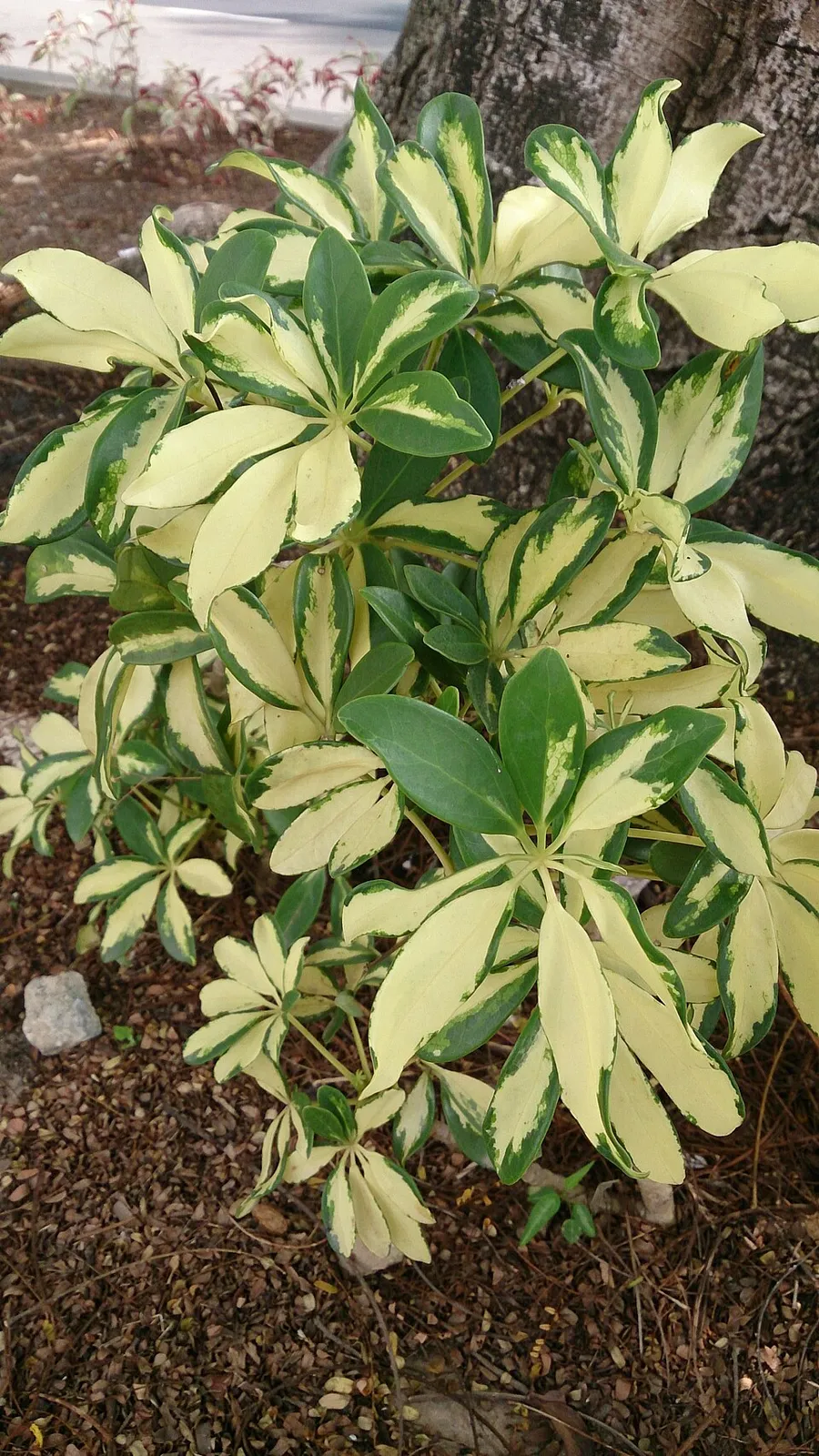
The Dwarf Umbrella Bonsai, scientifically known as Schefflera arboricola dwarf, is a captivating evergreen shrub belonging to the Araliaceae family, renowned for its ornamental qualities. Native to the subtropical regions of Taiwan, and also found across Southeast Asia and Australia, this species typically grows as an understory plant in moist forest environments. When cultivated indoors, it maintains a compact stature, generally ranging from 24 to 36 inches in height, making it an excellent choice for indoor gardens, decorative accents, and bonsai enthusiasts.
Its most distinctive features are its glossy, palmate leaves, which are arranged in a whorled pattern, usually comprising seven to nine obovate to elliptic leaflets that can extend up to 6 inches in length. These vibrant green leaves create a lush, umbrella-like canopy. While flowering is a rare occurrence indoors, when it does happen, the plant produces small, inconspicuous white flowers clustered in panicles.
The bark is smooth and typically light gray, adding to its refined aesthetic appeal. This plant is highly adaptable to indoor conditions, tolerating varied light and humidity levels, though it thrives best with consistent moisture and filtered light, mirroring its natural habitat. Its appealing structure and relatively straightforward care requirements contribute to its widespread popularity as a houseplant.
Trusted Scientific References
1. Authoritative external sources for Schefflera arboricola dwarf
1.1 Wikipedia — Schefflera arboricola dwarf
1.2 Kew POWO (Plants of the World Online)
1.3 PubMed — peer-reviewed research
1.4 NCBI Taxonomy Browser
1.5 GBIF — Global Biodiversity
1.6Dwarf Umbrella Bonsai should be interpreted through verified botanical identity, practical care, and responsible safety language. This recovery note adds the missing context needed for a complete profile: match light to the plant's habit, use well-drained soil, water according to season, and avoid unsupported medicinal or edible claims. For publishing, the plant can be presented as a source-backed indoor plant with clear care guidance, common problem diagnosis, and conservative safety wording.
1.1.Dwarf Umbrella Bonsai — Distinguishing Points
- ✓Compact Ornamental — Ideal for indoor spaces and bonsai due to its naturally compact growth habit and appealing aesthetic.
- ✓Palmate Foliage — Features distinctive glossy, palmate leaves with 7-9 leaflets arranged radially, creating an umbrella-like canopy.
- ✓Evergreen Plant — Maintains its vibrant green foliage throughout the year, offering continuous indoor greenery and visual interest.
- ✓Adaptable Indoor Plant — Thrives in typical indoor conditions, tolerating a range of light and humidity levels, though it prefers bright, indirect light.
- ✓Low Maintenance — Relatively easy to care for, making it a suitable choice for both novice and experienced plant enthusiasts.
- ✓Air Humidifier — Contributes to indoor humidity levels through transpiration, which can be beneficial for human comfort.
- ✓Toxicity Warning — Contains calcium oxalate crystals in all parts, rendering it toxic if ingested by pets or humans.
- ✓Bonsai Potential — Highly favored for bonsai cultivation dueating to its pliable stems when young and responsive nature to pruning and shaping.
- ✓Smooth Bark — Possesses an attractive smooth, light gray bark that enhances its ornamental value and adds character.
- ✓Tropical Origin — Native to subtropical Taiwan, it brings an exotic touch to indoor environments.
1.2.Dwarf Umbrella Bonsai — In Brief
- ✓The Dwarf Umbrella Bonsai (Schefflera arboricola dwarf) is a highly valued ornamental indoor plant.
- ✓Native to Taiwan, it belongs to the Araliaceae family and features distinctive palmate leaves.
- ✓All parts of the plant contain calcium oxalate crystals, rendering it mildly toxic if ingested by humans or pets.
- ✓Primarily appreciated for its aesthetic appeal, ease of care, and suitability for bonsai cultivation.
- ✓It contributes to indoor humidity and biophilic well-being but lacks traditional direct medicinal uses.
- ✓Requires bright, indirect light, consistent moisture, and protection from cold temperatures.
2.Dwarf Umbrella Bonsai — Botanical Identity
3.Dwarf Umbrella Bonsai — Fact Sheet
4.Dwarf Umbrella Bonsai — Botanical Description
5.Dwarf Umbrella Bonsai — Ecological Habitat
6.Dwarf Umbrella Bonsai — Traditional Uses
7.Dwarf Umbrella Bonsai — Chemical Profile
- ✓Calcium Oxalates — These are needle-like crystals (raphides) present throughout the leaves and stems, primarily responsible for the mild irritant effect if ingested, causing immediate oral and digestive discomfort.
- ✓Saponins — Glycosides common in the Araliaceae family, which possess surfactant properties and contribute to the plant's defense mechanisms, though not attributed to specific medicinal uses in this species.
- ✓Flavonoids — A diverse group of polyphenolic compounds widely distributed in plants, acting as antioxidants and contributing to plant pigmentation and protection from environmental stressors.
- ✓Triterpenoids — These compounds are found in various parts of the Schefflera genus, often playing roles in plant defense against herbivores and pathogens, and as structural components.
- ✓Polysaccharides — Complex carbohydrates that form essential structural components of plant cell walls and serve as vital energy reserves, crucial for the plant's metabolic functions and growth.
- ✓Phenolic Acids — Simple phenolic compounds that contribute to plant defense mechanisms and act as natural antioxidants, commonly found across the plant kingdom.
- ✓Amino Acids — The fundamental building blocks of proteins, indispensable for all cellular metabolic processes, supporting the plant's structural integrity and biochemical reactions.
- ✓Mineral Elements — Essential macro and micronutrients such as potassium, calcium, magnesium, and phosphorus, absorbed from the soil, which are vital for the plant's physiological health and development.
8.Dwarf Umbrella Bonsai — Pharmacological Findings
- ✓Air Purification — Indirectly enhances indoor air quality by increasing humidity levels, which can help alleviate dry air symptoms and contribute to a more comfortable breathing environment.
- ✓Stress Reduction — The presence of living greenery like the Dwarf Umbrella Bonsai has been linked to psychological benefits, fostering a sense of calm and reducing stress through biophilic interaction.
- ✓Cognitive Enhancement — Cultivating and observing indoor plants can improve focus and concentration, making environments more conducive to work or study by engaging attention.
- ✓Humidity Regulation — As a living organism, the plant releases moisture through transpiration, subtly helping to regulate indoor humidity, which is beneficial in heated or air-conditioned spaces.
- ✓Aesthetic Well-being — Its ornamental beauty and lush foliage contribute significantly to a visually pleasing and harmonious indoor environment, promoting overall feelings of peace and contentment.
- ✓Biophilic Connection — Caring for this plant allows individuals to connect with nature, a practice that can boost mood and provide a sense of purpose and tranquility.
- ✓Decorative Therapy — The art of bonsai, for which this species is well-suited, is a meditative practice that can alleviate anxiety and enhance mindfulness through focused creative engagement.
- ✓Environmental Enrichment — Integrating plants like Schefflera arboricola dwarf into living spaces enriches the environment, making it more vibrant and supportive of human well-being and comfort.
8.1.Dwarf Umbrella Bonsai — Therapeutic Indications
9.Dwarf Umbrella Bonsai — Safety Considerations
9.1.Dwarf Umbrella Bonsai — Warnings
- ✓Oral Irritation — Ingestion of any part of the Schefflera arboricola dwarf can cause immediate and intense burning, irritation, and swelling of the mouth, tongue, and throat due to calcium oxalate crystals.
- ✓Digestive Upset — Consumption may lead to symptoms such as nausea, vomiting, excessive drooling, and difficulty swallowing in both humans and pets.
- ✓Skin Contact Reaction — Direct contact with the plant's sap can, in rare instances, cause mild skin irritation or dermatitis in sensitive individuals.
- ✓Pet Toxicity — The plant is highly toxic to common household pets like cats and dogs, potentially leading to severe oral pain, pawing at the mouth, and significant gastrointestinal distress if ingested.
- ✓Eye Irritation — Accidental contact of the plant's sap with the eyes can result in irritation, redness, and discomfort, necessitating immediate rinsing.
9.2.Dwarf Umbrella Bonsai — Risk Assessment
- ✓Keep Out of Reach — It is absolutely essential to position the Schefflera arboricola dwarf away from young children and all household pets to prevent any accidental ingestion.
- ✓Handle with Care — When pruning or handling the plant, especially if you have sensitive skin, it is advisable to wear gloves to avoid potential irritation from the sap.
- ✓Not for Consumption — This plant is strictly for ornamental purposes; no part of it should ever be ingested by humans or animals due to its inherent toxicity.
- ✓Post-Handling Hygiene — Always wash your hands thoroughly with soap and water immediately after touching the plant, particularly after pruning, repotting, or any direct contact.
- ✓Emergency Protocol — In the event of accidental ingestion, promptly seek medical attention for humans or veterinary care for pets, and be prepared to identify the plant species.
- ✓Inform Household Members — Ensure all individuals in the household are aware of the plant’s toxic nature and the necessary precautions to maintain a safe environment.
10.Dwarf Umbrella Bonsai — Preparation Methods
- ✓Indoor Decoration — Primarily utilized as a captivating ornamental houseplant to enhance interior aesthetics, bringing natural beauty and a vibrant touch of greenery to various living and working spaces.
- ✓Bonsai Art — Highly favored for bonsai cultivation, requiring meticulous pruning, shaping, and wiring (when young) to create artistic, miniature tree forms, a practice valued for its meditative and creative aspects.
- ✓Air Quality Enhancement — Placed strategically in homes or offices, it indirectly contributes to improved indoor air quality by increasing ambient humidity and fostering a healthier breathing environment.
- ✓Biophilic Design Element — Incorporated into biophilic design strategies to strengthen human connection with nature, promoting mental well-being, reducing stress, and enhancing overall comfort in built environments.
- ✓Horticultural Therapy — Employed in therapeutic settings as a low-maintenance plant for engaging individuals in plant care activities, which can be beneficial for mental health, fine motor skills, and sensory stimulation.
- ✓Feng Shui Application — Positioned according to Feng Shui principles to attract positive energy, balance elements within a space, and symbolize growth and vitality through its lush, upward-reaching foliage.
- ✓Educational Specimen — Serves as an excellent botanical specimen for teaching fundamental plant care, the principles of indoor horticulture, and the intricate art of bonsai to enthusiasts of all skill levels.
11.Dwarf Umbrella Bonsai — How to Grow
- ✓Light — Provide bright, indirect light; an east or west-facing window is ideal. Avoid direct, intense sunlight which can scorch the leaves of the Dwarf Umbrella Bonsai.
- ✓Temperature — Maintain stable indoor temperatures between 18°C and 22°C (65°F-72°F). Protect the plant from cold drafts and ensure temperatures do not drop below 10°C (50°F).
- ✓Watering — Keep the soil consistently moist but never waterlogged. Allow the top inch of soil to dry out slightly before rewatering, and reduce frequency during winter months.
- ✓Humidity — This plant thrives in high humidity. Consider placing its pot on a pebble tray filled with water or using a room humidifier to maintain adequate moisture in the air.
- ✓Soil — Use a well-draining, peat-based potting mix rich in organic matter to provide good aeration and nutrient retention, preventing root rot.
- ✓Fertilization — During the active growing season (spring to autumn), feed with a balanced liquid fertilizer every 2-4 weeks. Reduce fertilization to once a month or withhold entirely in winter.
- ✓Pruning — Regular pruning is crucial for maintaining the desired shape, encouraging denser foliage, and promoting ramification, especially when cultivated as a bonsai.
- ✓Repotting — Repot every 1-2 years in spring to refresh the potting medium and accommodate root growth, being cautious as the fleshy roots can be delicate.
Reviewed by the Flora Medical Global Botanical Review Panel
Multi-disciplinary editorial group · Botany · Ethnobotany · Herbal-medicine literature
Who reviewed this: This page was checked by the Flora Medical Global Botanical Review Panel — an in-house editorial group of botany graduates, ethnobotany researchers, and horticulture practitioners who collectively maintain our 7,000+ plant encyclopedia. Meet the team.
Our 4-step verification process
1. Taxonomic verification
Scientific names and synonyms cross-checked against Kew POWO, World Flora Online, and The Plant List.
2. Phytochemical & medicinal cross-reference
Active compounds, traditional uses, and reported activities are cross-referenced with PubMed, USDA Dr. Duke's database, and peer-reviewed ethnobotanical literature.
3. Conservation & distribution check
Distribution, ecology, and conservation status confirmed against GBIF occurrence records and the IUCN Red List.
4. Editorial & safety review
Every entry passes an editorial pass for clarity, originality, and safety notices (toxicity, contraindications, dosage caveats) before publication.
Last reviewed:
Important medical disclaimer: This content is for educational and research purposes only. It is not medical advice and is not a substitute for consultation with a licensed healthcare provider. Do not use any herb to self-treat a medical condition without professional guidance.
Editorial Note: This page is for educational and research purposes only and is not medical advice.
Written by: Flora Medical Global Editorial Team
Reviewed by: Flora Medical Global Botanical Review Panel
Last Updated: June 15, 2026





Dwarf Umbrella Bonsai — Comments & Community Reviews
Rate this plant