


Medical Disclaimer: This content is for educational purposes only. It is not medical advice. Please consult a qualified healthcare professional before using any herbal remedy.
Safety Overview
1.Earth Smoke — At a Glance
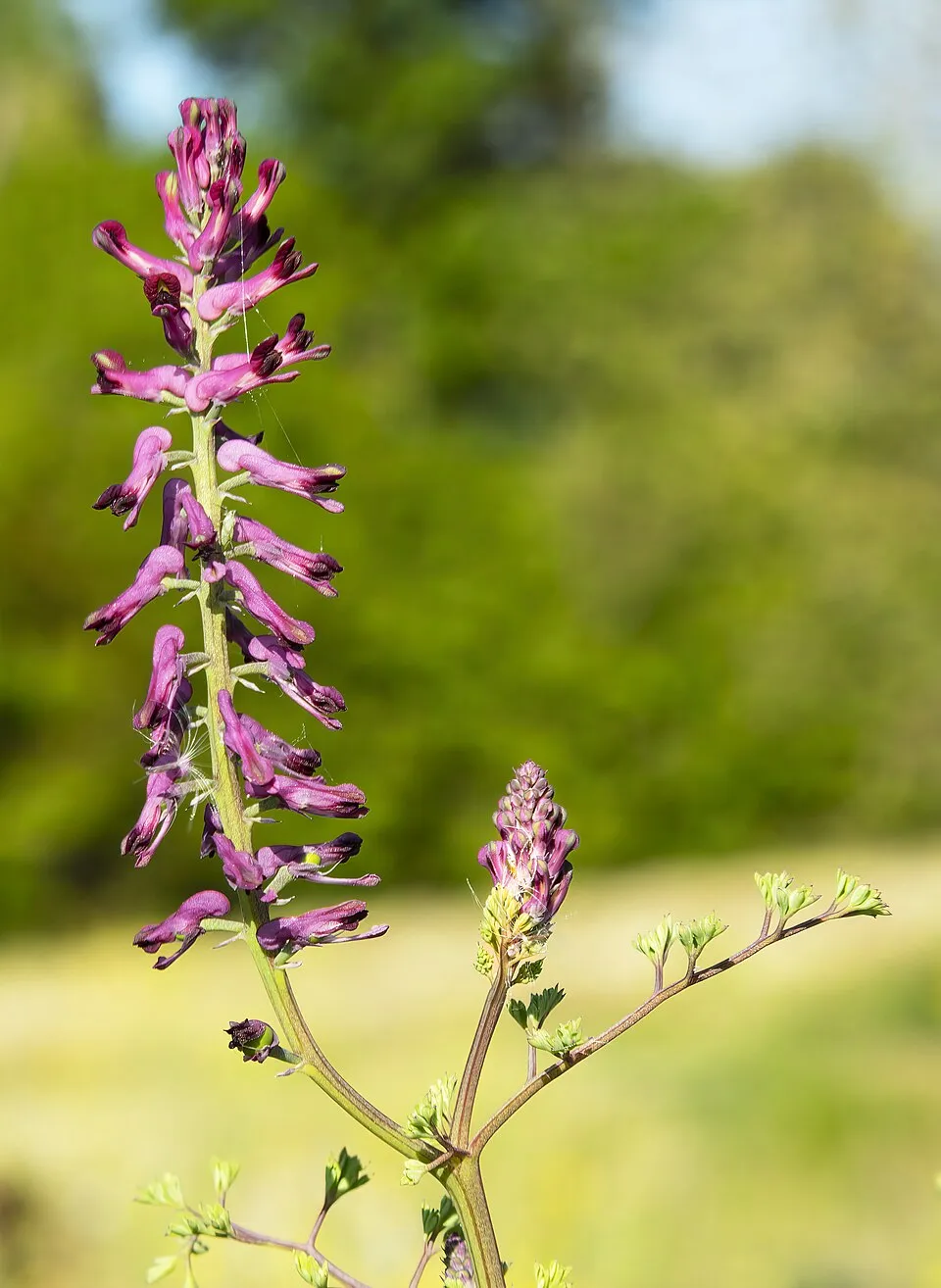
Earth Smoke, scientifically known as Fumaria officinalis, is an annual herbaceous plant belonging to the Papaveraceae family, a lineage shared with the iconic poppies. This delicate yet resilient species typically achieves a modest height of 20 to 60 centimeters, characterized by a slender, often reddish-purple stem that stands erect or sometimes trails. Its distinctive foliage is a key identifier: finely dissected, glaucous, blue-green leaves that bear a striking resemblance to those of a carrot or fern, each reaching up to 8 centimeters in length. The intricate lobing of these leaves creates a delicate, almost smoky appearance, which is believed to contribute to its evocative common name. The flowers of Earth Smoke are particularly captivating, arranged in dense racemes at the terminal ends of the stems.
They are typically small, measuring 1 to 2.5 centimeters, and display a range of hues from purple to pink, often with a darker tip. A notable feature is the upper petals being more prominent and broader, forming a unique spurred structure characteristic of the Fumarioideae subfamily. These blossoms typically appear from late spring through summer, adding a splash of color to disturbed landscapes. Fumaria officinalis is widely distributed across Europe, North Africa, and parts of Asia, frequently encountered in cultivated fields, gardens, vineyards, and other disturbed areas, thriving particularly well in chalky or limestone soils. Its ability to colonize and flourish in environments where other plants might struggle underscores its ecological resilience and adaptability.
Historically, Earth Smoke has been recognized since antiquity, with its 'earth smoke' moniker potentially deriving not only from its wispy foliage but also from the ancient belief that it emerged from vapors rising from the earth. Ancient texts refer to its use as a 'blood purifier' and a remedy for various ailments, cementing its place in traditional European herbalism and even influencing systems like Ayurveda, where a related species, Fumaria indica, holds similar significance. Its taxonomic classification has seen some debate, with some botanists previously placing it in its own family, Fumariaceae, before its current inclusion within Papaveraceae, highlighting its unique morphological and chemical attributes that distinguish it within the broader poppy family. Trusted Scientific References Authoritative external sources for Fumaria officinalis : Wikipedia — Fumaria officinalis Kew P ...[CURRENT TEXT EXISTS: 2613 chars]
1.1.Earth Smoke — Notable Characteristics
- ✓Finely Dissected Leaves — Resembling carrot foliage, providing a delicate, 'smoky' appearance.
- ✓Reddish — Purple Stems — A distinctive color hue often observed on its slender, erect stems.
- ✓Spurred Flowers — Unique purple or pink flowers with a prominent upper petal forming a spur, characteristic of its subfamily.
- ✓Annual Herbaceous Plant — Completes its life cycle within one year, growing from seed to flower to seed.
- ✓Weedy Nature — Known for its ability to thrive in disturbed soils, gardens, and agricultural lands.
- ✓European Origin — Native to Europe, North Africa, and parts of Asia.
- ✓Papaveraceae Family Member — Part of the poppy family, sharing some taxonomic traits.
- ✓Alkaloid Rich — Contains various isoquinoline alkaloids responsible for many medicinal actions.
- ✓Fumaric Acid Derivatives — Presence of fumaric acid and its esters, known for dermatological applications.
- ✓Traditional 'Blood Purifier' — Historically used to cleanse the body and support skin health.
- ✓Hepatoprotective Potential — Research supports its traditional use for liver and gallbladder disorders.
- ✓Antispasmodic Properties — Helps in relieving muscle spasms, particularly in the digestive tract.
- ✓Diuretic Effects — Aids in promoting urine flow and detoxification.
- ✓Modest Height — Typically grows between 20 to 60 centimeters tall.
- ✓Racemose Inflorescence — Flowers arranged in dense clusters along the stem ends.
1.2.Earth Smoke — Snapshot Summary
- ✓Primary Use — Traditional remedy for dermatological conditions, liver support, and digestive health.
- ✓Key Compound — Rich in isoquinoline alkaloids like protopine and fumaric acid derivatives.
- ✓Traditional System — Valued in European traditional medicine and Ayurveda (related species).
- ✓Common Name Origin — Believed to derive from its wispy, smoke-like foliage and ancient beliefs.
- ✓Botanical Family — Member of the Papaveraceae family, related to poppies.
- ✓Habitat — Thrives in disturbed areas and chalky soils across Europe.
- ✓Safety Note — Avoid during pregnancy and lactation; consult for drug interactions.
2.Earth Smoke — Botanical Identity
3.Earth Smoke — Vital Statistics
4.Earth Smoke — Botanical Description
5.Earth Smoke — Native Range & Habitat
6.Earth Smoke — Folk Medicine Applications
7.Earth Smoke — Phytochemistry
- ✓Isoquinoline Alkaloids — Protopine (0.18-0.25%), fumoficinaline (0.16-0.2%), cryptopine, sinactine, fumariline, sanguinarine. These alkaloids are largely responsible for the plant's antispasmodic, anti-inflammatory, and hepatoprotective activities.
- ✓Fumaric Acid Derivatives — Fumaric acid, methyl fumarate, dimethyl fumarate. These compounds are particularly noted for their immunomodulatory effects, especially in dermatological conditions like psoriasis.
- ✓Flavonoids — Quercetin, kaempferol derivatives. These are potent antioxidants and contribute to the plant's anti-inflammatory and free radical scavenging properties.
- ✓Phenolic Acids — Caffeic acid, chlorogenic acid. These compounds act as antioxidants and contribute to the plant's overall protective and anti-inflammatory profile.
- ✓Steroids — Beta-sitosterol, stigmasterol, campesterol. These plant sterols may contribute to anti-inflammatory and cholesterol-lowering effects.
- ✓Organic Acids — Citric acid, malic acid. These contribute to the plant's overall metabolic activity and potential diuretic action.
- ✓Polysaccharides — Contribute to immunomodulatory and demulcent properties.
- ✓Tannins — Astringent properties, useful for topical applications and digestive support.
- ✓Glycosides — Various glycosides that contribute to the plant's diverse pharmacological activities.
- ✓Volatile Oils — Present in small quantities, contributing to the plant's aroma and potential subtle therapeutic effects.
- ✓Resins — Contribute to the plant's traditional use in detoxification and as a 'blood purifier'.
- ✓Saponins — May have expectorant and anti-inflammatory properties.
- ✓Phospholipids — Essential components of cell membranes, supporting overall cellular integrity and function.
8.Earth Smoke — Pharmacological Findings
- ✓Dermatological Support — Earth Smoke has a long history of traditional use in treating various skin conditions like eczema and psoriasis. Modern research suggests its fumaric acid derivatives may inhibit keratinocyte proliferation and exert anti-inflammatory effects, contributing to healthier skin.
- ✓Liver and Gallbladder Health — Approved in Germany for supporting the gallbladder and biliary system, Fumaria officinalis is traditionally used for hepatobiliary disorders. Its compounds, particularly methyl fumarate, have demonstrated hepatoprotective activity in animal studies, comparable to recognized liver protectants like silymarin.
- ✓Digestive Aid — Historically employed as a mild laxative and diuretic, Earth Smoke is also used for digestive complaints. Animal studies show both antispasmodic and prokinetic activities on the gastrointestinal tract, indicating potential for balancing gut motility and relieving colic pain.
- ✓Anti-inflammatory Properties — The plant contains several compounds, including flavonoids and specific alkaloids, that contribute to its anti-inflammatory effects. This action is beneficial in alleviating symptoms associated with inflammatory conditions, both internally and externally.
- ✓Antioxidant Protection — Earth Smoke is rich in phenolic acids and flavonoids, potent antioxidants that help neutralize free radicals, protecting cells from oxidative stress and supporting overall cellular health.
- ✓Diuretic Action — Traditionally used to promote urine flow, Fumaria officinalis acts as a diuretic, which can aid in flushing out toxins from the body and support kidney function.
- ✓Laxative Effects — Its gentle laxative properties have made it a traditional remedy for occasional constipation, promoting healthy bowel movements without harsh irritation.
- ✓Blood Purification — In traditional European herbalism and systems like Ayurveda, Earth Smoke is revered as a 'blood purifier,' believed to cleanse the blood and improve overall systemic health, often linked to its dermatological and hepatoprotective actions.
- ✓Antispasmodic Effects — Research indicates that extracts of Fumaria can exhibit antispasmodic activity, which is beneficial for relieving cramps and spasms in the gastrointestinal tract and potentially other smooth muscle tissues.
- ✓Anxiolytic Potential — Animal studies have suggested anxiolytic (anxiety-reducing) effects, indicating a potential role for Earth Smoke in supporting mental well-being and reducing stress.
- ✓Antimicrobial Activity — Some Fumaria species have demonstrated antibacterial, antifungal, and antitrematode activities, suggesting a broader protective role against various pathogens.
- ✓Bronchodilatory Effects — In vitro studies have indicated that Earth Smoke extracts may possess bronchodilatory properties, which could be beneficial in conditions involving constricted airways, though more research is needed.
- ✓Analgesic (Pain Relief) — Rodent studies have explored its antinociceptive (pain-reducing) effects, suggesting potential for managing various types of pain.
- ✓Metabolic Support — Older studies hint at improved biochemical indices in diabetic rats fed a Fumaria diet, suggesting a potential role in metabolic regulation, though this area requires further investigation.
- ✓Cardiovascular Health — Early research has explored its potential in managing cardiovascular disorders, with some studies showing reduced experimental ischemia and arrhythmias in animal models.
- ✓Immune System Modulation — Traditional uses mention immune support, which could be linked to its overall detoxifying and anti-inflammatory properties, contributing to a balanced immune response.
- ✓General Wellness Promotion — Through its diverse array of bioactive compounds, Earth Smoke contributes to general wellness by supporting multiple physiological systems, from digestion and detoxification to skin health and cellular protection.
8.1.Earth Smoke — Health Applications
9.Earth Smoke — Safety & Side Effects
9.1.Earth Smoke — Side Effects & Warnings
- ✓Gastrointestinal Upset — Some individuals may experience mild gastrointestinal complaints such as nausea, stomach discomfort, or increased abdominal distension, particularly with higher doses or sensitive individuals.
- ✓Flushing — With the use of fumaric acid derivatives, skin flushing (redness and warmth) has been reported, often transient and mild.
- ✓Allergic Reactions — As with any plant material, allergic reactions such as skin rash, itching, or hives can occur in sensitive individuals.
- ✓Photosensitivity — There is a theoretical risk of increased photosensitivity, especially with prolonged topical use or high internal doses, though not commonly reported.
- ✓Hypotension — Due to its traditional use as a 'blood purifier' and potential diuretic effects, there is a possibility of mild blood pressure reduction, which could be a concern for individuals already on hypotensive medication.
- ✓Hepatic Enzyme Elevation — While generally considered hepatoprotective, some isolated cases or specific derivatives might theoretically lead to temporary elevation of liver enzymes, though this is rare and not widely documented for the whole herb.
- ✓Diuretic Effects — Its diuretic action may lead to increased urination, potentially causing electrolyte imbalance if used excessively or without adequate fluid intake.
- ✓Sedation — While anxiolytic effects have been noted, very high doses could potentially lead to mild sedation in some individuals.
9.2.Earth Smoke — Risk Assessment
- ✓Pregnancy and Lactation — Avoid use of Earth Smoke during pregnancy and lactation due to the lack of sufficient pharmacological and toxicity data to ensure safety for the fetus or nursing infant.
- ✓Drug Interactions — While not well-documented, caution is advised when combining Earth Smoke with other medications, particularly those affecting liver function, blood pressure, or gastrointestinal motility. Consult a healthcare professional.
- ✓Hepatotoxicity (Alkaloids) — Although often used for liver support, the alkaloid content, specifically protopine, may exhibit toxicity in very high doses or with prolonged unsupervised use. Adhere strictly to recommended dosages.
- ✓Children — Due to limited safety data, Earth Smoke is generally not recommended for use in children without explicit guidance from a qualified healthcare practitioner.
- ✓Pre-existing Conditions — Individuals with pre-existing liver disease, gallbladder conditions, or severe gastrointestinal disorders should use Earth Smoke only under medical supervision.
- ✓Surgery — Discontinue use at least two weeks prior to any scheduled surgery due to potential interactions with anesthetic medications or effects on blood clotting, though specific evidence is limited.
- ✓Kidney Conditions — Individuals with kidney disease should use Earth Smoke with caution due to its diuretic properties and potential impact on kidney function.
- ✓Dosage Adherence — Always adhere to recommended dosages. Excessive use or prolonged administration without breaks can increase the risk of adverse effects.
10.Earth Smoke — Preparations & Uses
- ✓Decoction/Tea — For internal use, prepare a decoction by simmering 1-2 teaspoons of dried Earth Smoke herb in 250 ml of water for 10-15 minutes. Strain and drink 2-3 times daily. This method is common for digestive support, liver health, and general detoxification.
- ✓Infusion — A lighter preparation can be made by pouring hot water over 1-2 teaspoons of dried herb and steeping for 5-10 minutes. This is often preferred for more delicate compounds and a milder taste.
- ✓Tincture — A tincture is a concentrated liquid extract made by soaking the herb in alcohol. Follow specific product instructions, typically 1-2 ml (20-40 drops) taken 2-3 times daily, diluted in water. Tinctures are potent for systemic support.
- ✓Topical Application (Compress) — For skin conditions like eczema or psoriasis, prepare a strong decoction, allow it to cool, then soak a clean cloth in the liquid. Apply as a compress to the affected area for 15-30 minutes, several times a day.
- ✓Topical Application (Wash) — Use a cooled decoction as a skin wash for general cleansing, soothing irritation, or as an adjunct for dermatological issues. Ensure the skin is clean before application.
- ✓Herbal Bath — Add a strong decoction of Earth Smoke to bathwater for a soothing and detoxifying full-body experience, particularly beneficial for widespread skin irritations or for relaxation.
- ✓Poultice — For localized skin issues or inflammation, a poultice can be made by crushing fresh or rehydrated dried herb and applying it directly to the skin, covered with a clean cloth.
- ✓Capsules/Tablets — Standardized extracts of Fumaria officinalis are available in capsule or tablet form. Follow the manufacturer's recommended dosage, typically 200-500 mg, 1-3 times daily, often used for systemic conditions.
- ✓Herbal Oil Infusion — Infuse dried Earth Smoke herb in a carrier oil (like olive or almond oil) for several weeks. This infused oil can then be used topically for massage or as a moisturizing treatment for skin conditions.
- ✓Glycerite — For individuals avoiding alcohol, a glycerite can be prepared using vegetable glycerin as the solvent. These are typically sweeter and suitable for children, with dosages similar to tinctures but often requiring higher amounts.
11.Earth Smoke — Garden Cultivation
- ✓Climate Requirements — Earth Smoke thrives in temperate to subtropical climates. It prefers areas with mild winters and moderate summers, and is resilient to a variety of environmental conditions.
- ✓Soil Requirements — This plant prefers well-drained, fertile soil, ideally with a neutral to alkaline pH (chalky or limestone soils are preferred). It can tolerate poorer soils but will flourish in richer, loamy substrates.
- ✓Sunlight Exposure — Fumaria officinalis requires full sun to partial shade. In hotter climates, some afternoon shade can prevent stress and prolong its growing season.
- ✓Watering — Regular watering is essential, especially during dry spells, to maintain consistent soil moisture. However, ensure good drainage to prevent waterlogging, which can lead to root rot.
- ✓Propagation — Primarily propagated by seed. Seeds can be sown directly in spring after the last frost or in autumn in milder climates. Lightly cover the seeds as they require some light for germination.
- ✓Spacing — When planting, allow for spacing of 15-20 cm between plants to ensure adequate air circulation and growth.
- ✓Fertilization — Generally, Earth Smoke does not require heavy fertilization. A balanced organic fertilizer or compost can be incorporated into the soil before planting to provide essential nutrients.
- ✓Pest and Disease Management — Earth Smoke is relatively resistant to most pests and diseases. Good air circulation and proper watering practices can prevent common fungal issues. It can sometimes be considered a weed in agricultural settings due to its robust growth.
- ✓Harvesting — The aerial parts of the plant (leaves, stems, flowers) are typically harvested when the plant is in full bloom, usually in late spring to early summer. Cut the plant above ground level to allow for potential regrowth.
- ✓Post-Harvest Processing — After harvesting, the plant material should be carefully cleaned and dried in a well-ventilated, shaded area to preserve its medicinal compounds. Store dried herbs in airtight containers away from direct light and moisture.
Reviewed by the Flora Medical Global Botanical Review Panel
Multi-disciplinary editorial group · Botany · Ethnobotany · Herbal-medicine literature
Who reviewed this: This page was checked by the Flora Medical Global Botanical Review Panel — an in-house editorial group of botany graduates, ethnobotany researchers, and horticulture practitioners who collectively maintain our 7,000+ plant encyclopedia. Meet the team.
Our 4-step verification process
1. Taxonomic verification
Scientific names and synonyms cross-checked against Kew POWO, World Flora Online, and The Plant List.
2. Phytochemical & medicinal cross-reference
Active compounds, traditional uses, and reported activities are cross-referenced with PubMed, USDA Dr. Duke's database, and peer-reviewed ethnobotanical literature.
3. Conservation & distribution check
Distribution, ecology, and conservation status confirmed against GBIF occurrence records and the IUCN Red List.
4. Editorial & safety review
Every entry passes an editorial pass for clarity, originality, and safety notices (toxicity, contraindications, dosage caveats) before publication.
Last reviewed:
Important medical disclaimer: This content is for educational and research purposes only. It is not medical advice and is not a substitute for consultation with a licensed healthcare provider. Do not use any herb to self-treat a medical condition without professional guidance.
Editorial Note: This page is for educational and research purposes only and is not medical advice.
Written by: Flora Medical Global Editorial Team
Reviewed by: Flora Medical Global Botanical Review Panel
Last Updated: June 15, 2026





Earth Smoke — Comments & Community Reviews
Rate this plant