
Medical Disclaimer: This content is for educational purposes only. It is not medical advice. Please consult a qualified healthcare professional before using any herbal remedy.
Safety Overview
1.Echeveria Chroma — Overview
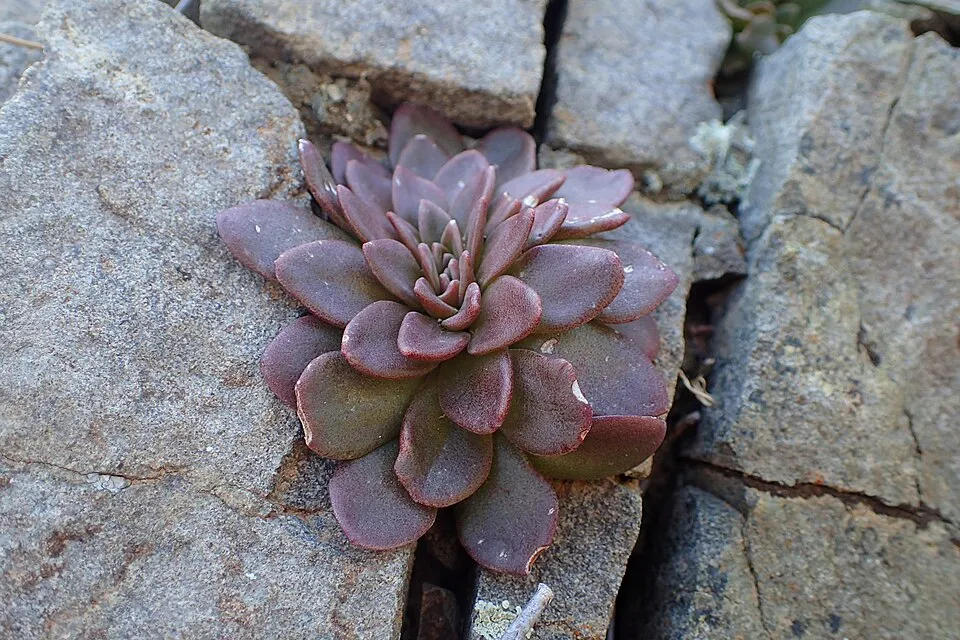
Echeveria 'Chroma', a captivating succulent, is a distinguished hybrid within the Crassulaceae family, specifically bred by Renee O'Connell for Altman Plants. This ornamental species forms elegant, compact rosettes that typically reach a height of 15 to 20 cm (6 to 8 inches), with individual rosettes spanning up to 10 cm (4 inches) in diameter. Its most striking feature is the thick, fleshy, lanceolate leaves, which boast a distinctive waxy coating that aids in its remarkable drought resistance.
Under optimal sunlight exposure, these leaves display a stunning seasonal variegation, transitioning through a vibrant spectrum of colors from a deep green base to captivating hints of purple, orange, pink, red, apricot, golden yellow, and even nearly white at the tips. The plant readily branches over time, forming a more substantial, multi-rosetted specimen. In late spring to early summer, Echeveria 'Chroma' produces tall, leafy stalks adorned with clusters of bell-shaped flowers, predominantly in shades of orange to pinkish-red with bright yellow tips and interiors, attracting pollinators.
While its exact native habitat is a cultivated hybrid environment, it thrives in conditions mimicking semi-arid climates, requiring well-drained potting mixes and minimal watering. Its resilience, ease of care, and dynamic coloration make it a highly favored choice among indoor gardeners and succulent enthusiasts, providing significant aesthetic value.
Trusted Scientific References
1. Authoritative external sources for Echeveria chroma
1.1 Wikipedia — Echeveria chroma
1.2 Kew POWO (Plants of the World Online)
1.3 PubMed — peer-reviewed research
1.4 NCBI Taxonomy Browser
1.5 GBIF — Global Biodiversity
1.6Echeveria Chroma should be interpreted through verified botanical identity, practical care, and responsible safety language. This recovery note adds the missing context needed for a complete profile: match light to the plant's habit, use well-drained soil, water according to season, and avoid unsupported medicinal or edible claims. For publishing, the plant can be presented as a source-backed indoor plant with clear care guidance, common problem diagnosis, and conservative safety wording.
1.1.Echeveria Chroma — Defining Traits
- ✓Rosette Growth Form — Features a compact, symmetrical arrangement of thick, fleshy leaves.
- ✓Dynamic Variegated Coloration — Leaves display a vibrant gradient of green, purple, orange, pink, and red hues that change with light.
- ✓Drought Tolerant — Highly adapted to arid conditions, requiring infrequent watering due to water storage capabilities.
- ✓Low Maintenance — Easy to care for, making it an ideal choice for both novice and experienced succulent enthusiasts.
- ✓Non — Toxic — Generally safe for households with children and common household pets.
- ✓High Ornamental Value — Highly prized for its decorative appeal in various indoor and outdoor settings.
- ✓CAM Photosynthesis — Utilizes Crassulacean Acid Metabolism for efficient water use and survival in dry environments.
- ✓Branching Habit — Forms a multi-branched plant over time, increasing its visual impact and fullness.
- ✓Attractive Flowers — Produces bell-shaped, orange to pinkish-red flowers on tall stalks in spring to early summer.
- ✓Indoor Air Quality Contributor — Releases oxygen and absorbs carbon dioxide, subtly improving ambient indoor air quality.
1.2.Echeveria Chroma — In Brief
- ✓Striking ornamental succulent known for its vibrant, color-changing leaves.
- ✓A cultivated hybrid prized for its unique aesthetic appeal and ease of care.
- ✓Thrives in bright light, well-drained soil, and requires minimal watering.
- ✓Generally considered non-toxic to humans and common household pets.
- ✓Primarily valued for aesthetic enhancement and subtle contributions to indoor air quality.
- ✓An excellent, low-maintenance choice for beginners and experienced succulent enthusiasts.
2.Echeveria Chroma — Scientific Profile
3.Echeveria Chroma — Botanical Stats
4.Echeveria Chroma — Structural Profile
5.Echeveria Chroma — Habitat & Distribution
6.Echeveria Chroma — Cultural & Traditional Roles
7.Echeveria Chroma — Secondary Metabolites
- ✓Organic Acids — Malic acid and other organic acids accumulate significantly during the night as part of Crassulacean Acid Metabolism (CAM), which is crucial for nocturnal CO2 fixation and efficient water use in arid conditions.
- ✓Waxes (Cuticular) — A prominent waxy coating on the leaves of Echeveria 'Chroma' is composed of complex lipids, providing a critical protective barrier against excessive water loss and intense UV radiation.
- ✓Pigments (Anthocyanins & Carotenoids) — The striking seasonal color variegation, encompassing hues of pink, red, orange, and yellow, is primarily attributed to the presence of anthocyanins and carotenoids, which offer photoprotection and contribute to its ornamental appeal.
- ✓Polysaccharides (Mucilage) — Like many succulents, Echeveria 'Chroma' likely contains mucilaginous polysaccharides within its tissues, vital for efficient water storage and retention, enabling its survival during prolonged drought periods.
- ✓Flavonoids — While not extensively detailed for this specific hybrid, flavonoids are ubiquitous plant secondary metabolites, potentially offering antioxidant properties and playing roles in UV protection and plant signaling.
- ✓Terpenoids — Various terpenoids may be present, contributing to general plant defense mechanisms against herbivores and pathogens, though their specific functions in Echeveria 'Chroma' are not thoroughly documented.
- ✓Amino Acids & Proteins — Essential for all growth and metabolic processes, these compounds support the plant's structural integrity, enzymatic functions, and crucial stress responses.
- ✓Minerals & Trace Elements — The plant accumulates various essential minerals from its growing medium, which are vital for its physiological functions, including serving as enzyme cofactors and structural components.
- ✓Water-Soluble Vitamins — Although not a primary dietary source, plants generally contain small amounts of water-soluble vitamins, integral for their own metabolic health and cellular processes.
8.Echeveria Chroma — Research Insights
- ✓Air Purification — Succulents, including Echeveria 'Chroma', contribute to indoor air quality by absorbing carbon dioxide and releasing oxygen, particularly through Crassulacean Acid Metabolism (CAM) photosynthesis at night, enhancing ambient air freshness.
- ✓Stress Reduction — The presence of living plants like Echeveria 'Chroma' in indoor environments has been linked to psychological well-being, potentially reducing stress levels and promoting a sense of calm through biophilic design principles.
- ✓Aesthetic Enhancement — Its vibrant, color-changing foliage and unique rosette form provide significant ornamental value, improving the visual appeal in living and working spaces, which can indirectly support mental and emotional health.
- ✓Humidity Regulation — While minor, the plant can release some moisture into the air through transpiration, potentially contributing to slightly improved indoor humidity levels, which may be beneficial in dry climates.
- ✓Focus and Productivity — Studies suggest that incorporating plants into workspaces can improve concentration and productivity, as natural elements offer a restorative effect on cognitive function.
- ✓Connection to Nature — For individuals in urban settings, caring for Echeveria 'Chroma' fosters a tangible connection to the natural world, which is vital for holistic well-being and can help mitigate nature deficit disorder.
- ✓Therapeutic Horticulture — Engaging in the mindful practice of plant care, such as watering and observing the growth of Echeveria 'Chroma', can be a form of therapeutic horticulture, promoting mindfulness and reducing anxiety.
- ✓Non-Toxic for Pets/People — Generally considered non-toxic to humans and common household pets, Echeveria 'Chroma' offers peace of mind for safe integration into home and office environments.
- ✓Visual Stimulation — The dynamic color changes of Echeveria 'Chroma' in response to light provide continuous visual interest and engagement, serving as a natural focal point.
- ✓Low Maintenance Wellness — Its ease of care makes it accessible for beginners, providing the therapeutic benefits of plant nurturing without demanding extensive time or specialized knowledge.
8.1.Echeveria Chroma — Therapeutic Indications
9.Echeveria Chroma — Risk Profile
9.1.Echeveria Chroma — Caution Notes
- ✓Skin Irritation — While generally non-toxic, individuals with highly sensitive skin might experience very mild, transient irritation upon prolonged direct contact with plant sap, though this is uncommon for Echeveria.
- ✓Allergic Reactions — Extremely rare, but individuals with severe plant allergies could theoretically react to pollen during flowering or direct contact; however, Echeveria pollen is not typically a common allergen.
- ✓Ingestion (Mild Gastrointestinal Upset) — Though non-toxic, consuming large quantities of any plant material can lead to mild gastrointestinal discomfort, such as an upset stomach, in sensitive individuals or pets.
- ✓Puncture Wounds — Careless handling of the plant, though not spiny, could potentially result in minor skin abrasions from its firm, pointed leaves.
- ✓Environmental Impact (Non-native) — While not typically invasive in controlled environments, care should be taken not to dispose of live plant material in natural ecosystems where it could potentially establish and outcompete native flora.
- ✓Phytotoxicity from Chemicals — Misapplication of certain pesticides or fertilizers can lead to phytotoxicity, causing damage to the plant itself rather than directly affecting humans.
9.2.Echeveria Chroma — Toxicity Assessment
- ✓Non-Toxic — Echeveria 'Chroma' is widely regarded as non-toxic to humans and common household pets, including cats and dogs, making it a safe choice for indoor environments.
- ✓Minimal Allergens — The plant produces minimal airborne allergens, making it suitable for most individuals, even those with mild plant sensitivities.
- ✓Handling Precautions — No specific hazards are associated with handling; however, standard gardening practices like washing hands after contact are generally advisable.
- ✓Ingestion Safety — Accidental ingestion is highly unlikely to cause serious harm, though it is always prudent to prevent consumption by young children and pets.
- ✓Indoor Use — Highly recommended for indoor cultivation due to its aesthetic appeal and non-toxic nature, contributing to a safe and pleasant living space.
- ✓Pest Control — Should pest infestations occur, prioritize the use of organic or pet-safe pest control methods to maintain a safe environment for both residents and the plant.
- ✓Child and Pet Friendly — Its non-toxic nature makes it an excellent choice for homes with curious children or pets, minimizing health risks from accidental contact.
10.Echeveria Chroma — Preparation & Dosage
- ✓Ornamental Display — Plant Echeveria 'Chroma' in decorative pots, succulent arrangements, or rock gardens to highlight its striking rosette form and vibrant, ever-changing colors.
- ✓Indoor Decor Accent — Utilize Echeveria 'Chroma' as a living focal point in indoor spaces, adding natural beauty and a touch of biophilic design to homes, offices, and commercial settings.
- ✓Air Quality Enhancement — Place the plant in living areas to passively contribute to improved indoor air quality through its natural photosynthetic processes, though the effect is modest per plant.
- ✓Therapeutic Gardening — Engage in the mindful practice of caring for Echeveria 'Chroma', which can offer stress relief, a sense of accomplishment, and a connection to nature.
- ✓Propagation for Gifting — Propagate new plants from leaf or stem cuttings to share with fellow enthusiasts or expand your collection, fostering a sense of community and generosity.
- ✓Educational Tool — Use Echeveria 'Chroma' to educate about succulent care, drought-resistant gardening, and the fascinating principles of Crassulacean Acid Metabolism.
- ✓Xeriscape Landscaping — In suitable warm climates (USDA zones 9b-11b), incorporate Echeveria 'Chroma' into water-wise xeriscape or drought-tolerant garden designs for year-round visual interest.
11.Echeveria Chroma — Propagation & Care
- ✓Light — Provide full sun to partial shade for optimal growth and to ensure the most vibrant, dynamic color development; insufficient light can lead to etiolation.
- ✓Watering — Employ the “soak and dry” method, thoroughly watering then allowing the soil to dry out completely between waterings to prevent root rot, which is common in succulents.
- ✓Soil — Utilize a specialized well-draining succulent or cactus potting mix, or amend standard potting soil with perlite or pumice to ensure excellent drainage and aeration.
- ✓Temperature & Hardiness — Thrives in USDA hardiness zones 9b to 11b, tolerating temperatures from 25°F (-3.9°C) to 50°F (10°C); it is not cold hardy and requires protection from frost.
- ✓Fertilizing — Fertilize sparingly during the active growing season (spring and summer) with a diluted, balanced succulent fertilizer, typically once or twice a year.
- ✓Repotting — Repot as needed, preferably during the warm season, ensuring the soil is dry before gently removing the plant, shaking off old soil, and trimming any dead roots.
- ✓Pest Management — Regularly inspect the plant for common succulent pests like mealybugs; promptly remove any dead leaves from the base, as they can provide harborage for pests.
- ✓Air Circulation — Ensure good air movement around the plant, especially important after watering, to help prevent fungal diseases and promote overall plant health.
Reviewed by the Flora Medical Global Botanical Review Panel
Multi-disciplinary editorial group · Botany · Ethnobotany · Herbal-medicine literature
Who reviewed this: This page was checked by the Flora Medical Global Botanical Review Panel — an in-house editorial group of botany graduates, ethnobotany researchers, and horticulture practitioners who collectively maintain our 7,000+ plant encyclopedia. Meet the team.
Our 4-step verification process
1. Taxonomic verification
Scientific names and synonyms cross-checked against Kew POWO, World Flora Online, and The Plant List.
2. Phytochemical & medicinal cross-reference
Active compounds, traditional uses, and reported activities are cross-referenced with PubMed, USDA Dr. Duke's database, and peer-reviewed ethnobotanical literature.
3. Conservation & distribution check
Distribution, ecology, and conservation status confirmed against GBIF occurrence records and the IUCN Red List.
4. Editorial & safety review
Every entry passes an editorial pass for clarity, originality, and safety notices (toxicity, contraindications, dosage caveats) before publication.
Last reviewed:
Important medical disclaimer: This content is for educational and research purposes only. It is not medical advice and is not a substitute for consultation with a licensed healthcare provider. Do not use any herb to self-treat a medical condition without professional guidance.
Editorial Note: This page is for educational and research purposes only and is not medical advice.
Written by: Flora Medical Global Editorial Team
Reviewed by: Flora Medical Global Botanical Review Panel
Last Updated: June 15, 2026





Echeveria Chroma — Comments & Community Reviews
Rate this plant