
Medical Disclaimer: This content is for educational purposes only. It is not medical advice. Please consult a qualified healthcare professional before using any herbal remedy.
Safety Overview
1.Echeveria Lola — At a Glance
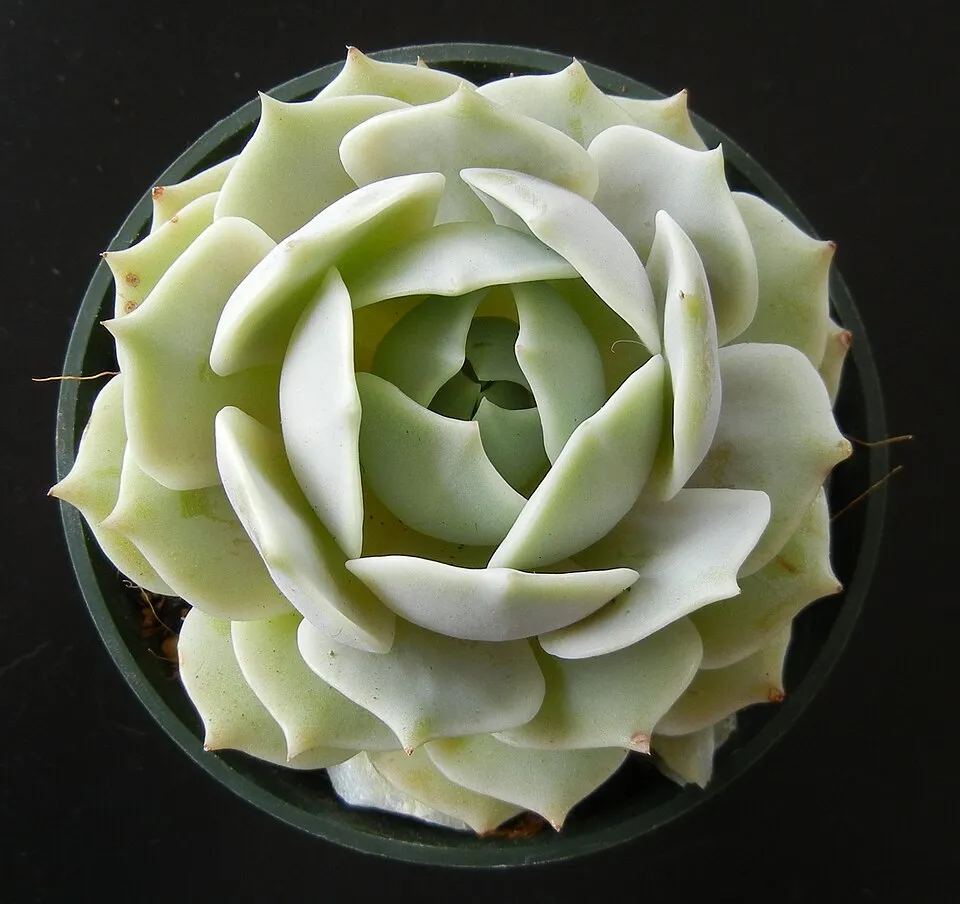
Echeveria Lola (Echeveria lola) is a highly prized succulent hybrid within the extensive Crassulaceae family, renowned for its ethereal beauty and distinctive rosette formation. This charming succulent typically forms compact rosettes, growing up to 10-15 centimeters (4-6 inches) in height and spreading approximately 10 centimeters (4 inches) wide. Its thick, fleshy leaves are spatulate to obovate, exhibiting a soft, pale blue-green or grayish-lavender hue, often infused with delicate pink or purple tones, especially when exposed to ample sunlight or cooler temperatures.
A powdery farina, a natural waxy coating, covers the leaves, giving them a frosted appearance and providing protection against intense sun and water loss. The stem is short, often obscured by the dense leaf rosette, and typically green to reddish, smooth, and unbranched. In spring, Echeveria Lola produces slender, arching flower stalks, reaching up to 15-20 centimeters (6-8 inches) in height, bearing bell-shaped flowers that transition from pale yellow to a soft apricot or coral, contrasting beautifully with the pastel foliage.
Native to arid and semi-arid regions of Mexico, like many Echeveria species, it is adapted to rocky, well-drained soils and environments with intermittent rainfall and abundant sunshine. Its classification within the Crassulaceae family highlights its shared characteristics with other succulents, including efficient water storage and a robust resilience, making Echeveria Lola a favored choice for indoor cultivation and xeriscaping.
Trusted Scientific References
1. Authoritative external sources for Echeveria lola
1.1 Wikipedia — Echeveria lola
1.2 Kew POWO (Plants of the World Online)
1.3 PubMed — peer-reviewed research
1.4 NCBI Taxonomy Browser
1.5 GBIF — Global Biodiversity
1.6Echeveria Lola should be interpreted through verified botanical identity, practical care, and responsible safety language. This recovery note adds the missing context needed for a complete profile: match light to the plant's habit, use well-drained soil, water according to season, and avoid unsupported medicinal or edible claims. For publishing, the plant can be presented as a source-backed indoor plant with clear care guidance, common problem diagnosis, and conservative safety wording.
1.1.Echeveria Lola — Highlights
- ✓Striking Rosette Form — Features a perfectly shaped, symmetrical rosette of fleshy leaves.
- ✓Ethereal Pastel Hues — Exhibits soft blue-green, grayish-lavender, pink, or purple coloration.
- ✓Farina Coating — Covered in a powdery, protective farina that gives a frosted look.
- ✓Drought Tolerant — Highly adapted to arid conditions, requiring minimal water.
- ✓Low Maintenance — Easy to care for, making it ideal for beginners and busy individuals.
- ✓Ornamental Value — A popular choice for indoor decor, rock gardens, and succulent arrangements.
- ✓Spring Blooms — Produces delicate, bell-shaped yellow to apricot flowers on tall stalks.
- ✓Easy Propagation — Readily propagates from leaves, stem cuttings, and offsets.
- ✓Generally Pet — Safe — Considered non-toxic for most common household pets.
- ✓Air Purification (Aesthetic) — Contributes to a visually refreshing indoor environment.
1.2.Echeveria Lola — Concise Overview
- ✓Echeveria Lola is a beautiful, low-maintenance succulent known for its pastel rosettes.
- ✓Primarily an ornamental plant, it offers aesthetic and potential minor wellness benefits.
- ✓Contains flavonoids and terpenes with antioxidant and anti-inflammatory properties.
- ✓Thrives in bright light and well-draining soil, requiring infrequent watering.
- ✓Generally non-toxic to humans and pets, safe for indoor display.
- ✓Easily propagated from leaves, cuttings, and offsets.
2.Echeveria Lola — Scientific Identity
3.Echeveria Lola — Fact Sheet
4.Echeveria Lola — Botanical Features
5.Echeveria Lola — Ecological Habitat
6.Echeveria Lola — Folk Medicine Applications
7.Echeveria Lola — Phytochemistry
- ✓Flavonoids — Key compounds include quercetin and kaempferol, known for potent antioxidant, anti-inflammatory, and potentially anticarcinogenic activities, protecting cells from oxidative damage.
- ✓Terpenes — Limonene and alpha-pinene are present, contributing to the plant's subtle aromatic profile and exhibiting documented anti-inflammatory, antimicrobial, and anxiolytic properties.
- ✓Glycosides — Various glycosidic compounds are found, often involved in plant defense mechanisms and exhibiting diverse biological activities, including potential cardiovascular and diuretic effects.
- ✓Saponins — These triterpenoid glycosides are recognized for their emulsifying properties, and have shown potential in antimicrobial, anti-inflammatory, and cholesterol-lowering capacities.
- ✓Polysaccharides (Mucilage) — The fleshy leaves are rich in mucilaginous polysaccharides, providing excellent water retention and offering emollient and soothing properties for topical applications.
- ✓Anthocyanins — Pigments responsible for the pink and purple hues under stress, known for their strong antioxidant activity and potential benefits for cardiovascular and cognitive health.
- ✓Phenolic Acids — Compounds like caffeic acid and ferulic acid contribute to the plant's overall antioxidant capacity and play roles in plant defense against pathogens and UV radiation.
- ✓Phytosterols — Plant sterols such as beta-sitosterol are present, which are recognized for their potential cholesterol-lowering effects and anti-inflammatory properties.
8.Echeveria Lola — Scientific Evidence
- ✓Aesthetic Stress Reduction — The serene visual appeal and elegant form of Echeveria Lola can contribute to a calming environment, potentially reducing stress and improving mental well-being through horticultural therapy.
- ✓Air Quality Enhancement — Like many houseplants, Echeveria Lola may contribute to improved indoor air quality by absorbing certain airborne toxins, although its impact is generally minor compared to larger foliage plants.
- ✓Antioxidant Support — The presence of flavonoids like quercetin and kaempferol suggests potential antioxidant activity, which helps combat oxidative stress and protect cellular health.
- ✓Anti-inflammatory Potential — Specific terpenes such as alpha-pinene, identified in the plant, are known for their anti-inflammatory properties, which could theoretically offer internal or topical soothing effects.
- ✓Skin Hydration and Soothing — As a succulent, Echeveria lola contains mucilaginous compounds in its leaves, which could, in topical applications, offer moisturizing and soothing benefits to dry or irritated skin.
- ✓Minor Wound Care (Topical) — The sap or gel-like consistency from succulent leaves historically has been applied topically for minor cuts and scrapes, potentially aiding in a protective and soothing manner.
- ✓Antimicrobial Properties — Saponins and certain terpenes found in Echeveria species may exhibit mild antimicrobial effects, offering a natural defense against some pathogens.
- ✓Digestive Health Support (Theoretical) — Glycosides and saponins, when present in some plants, can influence gut motility and microbial balance, though specific research on Echeveria lola for this purpose is lacking.
- ✓Natural Insect Repellent — Some aromatic terpenes, such as limonene, may act as mild natural insect deterrents, subtly influencing the immediate environment around the plant.
- ✓Immune System Modulation — Flavonoids are widely recognized for their potential to support and modulate immune responses, contributing to overall health resilience.
8.1.Echeveria Lola — Health Applications
9.Echeveria Lola — Safety Considerations
9.1.Echeveria Lola — Warnings
- ✓Skin Irritation — Direct contact with the sap, though generally mild, might cause minor skin irritation or allergic reactions in highly sensitive individuals.
- ✓Digestive Upset — Accidental ingestion, especially of large quantities, could potentially lead to mild digestive discomfort, nausea, or vomiting, although the plant is generally considered non-toxic.
- ✓Allergic Reactions — Rare instances of allergic reactions, such as contact dermatitis, could occur in susceptible individuals upon prolonged skin exposure.
- ✓Pest Infestation (Indirect) — While not a direct side effect of the plant itself, untreated pest infestations like mealy bugs can indirectly cause plant stress and potential spread to other plants.
- ✓Overwatering Issues — Incorrect watering practices, particularly overwatering, can lead to root rot, fungal infections, and eventual plant demise, requiring careful attention to soil moisture.
9.2.Echeveria Lola — Safety Overview
- ✓Generally Non-Toxic — Echeveria lola is widely considered non-toxic to humans and common pets (cats, dogs), making it a safe ornamental choice for most households.
- ✓Avoid Ingestion — Despite its non-toxic status, ingestion of any part of the plant is not recommended, as it lacks established dietary benefits and could cause mild gastric upset.
- ✓Skin Patch Test — Individuals with known plant sensitivities should perform a patch test before extensive topical contact with any plant extracts.
- ✓Proper Handling — Handle the plant gently to preserve its farina, which acts as a natural protective layer, and wash hands after handling to prevent any potential mild irritations.
- ✓Keep Out of Reach of Chewing Pets — While non-toxic, it's prudent to keep plants out of reach of pets prone to chewing, to prevent minor digestive upset or damage to the plant.
10.Echeveria Lola — Preparation Methods
- ✓Ornamental Display — Primarily used as a decorative houseplant or in rock gardens and xeriscapes, valued for its unique rosette form and pastel colors, enhancing aesthetic appeal.
- ✓Horticultural Therapy — Integrate Echeveria Lola into therapeutic gardening practices due to its visually calming presence and ease of care, promoting relaxation and mindfulness.
- ✓Topical Skin Soothing (Experimental) — While not a primary use, some individuals might hypothetically apply a diluted extract or crushed leaf gel for minor skin irritations or hydration, similar to Aloe vera, though caution is advised.
- ✓Air Freshening (Aesthetic) — Positioned indoors, it contributes to the visual perception of fresh air, adding a natural element to living spaces, although its air-purifying capacity is modest.
- ✓Propagation for Gifting — Propagate Echeveria Lola via leaves, stem cuttings, or offsets to share with fellow plant enthusiasts, promoting plant community and sustainable horticulture.
- ✓Educational Specimen — Use as an educational plant in botanical studies to illustrate succulent adaptations, Crassulacean Acid Metabolism (CAM) photosynthesis, and water storage mechanisms.
- ✓Terrarium & Dish Garden Accent — Its compact size and striking appearance make it an excellent choice for adding texture and color to terrariums, dish gardens, and succulent arrangements.
11.Echeveria Lola — Garden Cultivation
- ✓Sunlight — Provide Echeveria Lola with at least 6 hours of full sun to partial shade daily; bright, indirect light is ideal for indoor growth to maintain vibrant coloration.
- ✓Watering — Employ the 'soak and dry' method; water thoroughly only when the soil is completely dry to prevent root rot, reducing frequency in winter due to dormancy.
- ✓Soil — Utilize a well-draining succulent or cactus potting mix, ideally amended with perlite or pumice to ensure excellent aeration and prevent waterlogging.
- ✓Temperature & Hardiness — Prefers temperatures between 20-29°C (68-85°F) and is not cold hardy; bring indoors if temperatures drop below 4°C (40°F) or if frost is expected (USDA Zone 9+).
- ✓Container Gardening — Thrives in containers with drainage holes, allowing for easy relocation to protect from adverse weather and to control soil conditions.
- ✓Fertilization — Fertilize sparingly during the growing season (spring/summer) with a diluted, balanced succulent fertilizer, typically once or twice a year.
- ✓Pest Management — Monitor for common succulent pests like mealy bugs; treat infestations promptly with 70% isopropyl alcohol or insecticidal soap, avoiding overwatering to deter pests.
Reviewed by the Flora Medical Global Botanical Review Panel
Multi-disciplinary editorial group · Botany · Ethnobotany · Herbal-medicine literature
Who reviewed this: This page was checked by the Flora Medical Global Botanical Review Panel — an in-house editorial group of botany graduates, ethnobotany researchers, and horticulture practitioners who collectively maintain our 7,000+ plant encyclopedia. Meet the team.
Our 4-step verification process
1. Taxonomic verification
Scientific names and synonyms cross-checked against Kew POWO, World Flora Online, and The Plant List.
2. Phytochemical & medicinal cross-reference
Active compounds, traditional uses, and reported activities are cross-referenced with PubMed, USDA Dr. Duke's database, and peer-reviewed ethnobotanical literature.
3. Conservation & distribution check
Distribution, ecology, and conservation status confirmed against GBIF occurrence records and the IUCN Red List.
4. Editorial & safety review
Every entry passes an editorial pass for clarity, originality, and safety notices (toxicity, contraindications, dosage caveats) before publication.
Last reviewed:
Important medical disclaimer: This content is for educational and research purposes only. It is not medical advice and is not a substitute for consultation with a licensed healthcare provider. Do not use any herb to self-treat a medical condition without professional guidance.
Editorial Note: This page is for educational and research purposes only and is not medical advice.
Written by: Flora Medical Global Editorial Team
Reviewed by: Flora Medical Global Botanical Review Panel
Last Updated: June 15, 2026





Echeveria Lola — Comments & Community Reviews
Rate this plant