
Medical Disclaimer: This content is for educational purposes only. It is not medical advice. Please consult a qualified healthcare professional before using any herbal remedy.
Safety Overview
1.Echinacea Garden — At a Glance
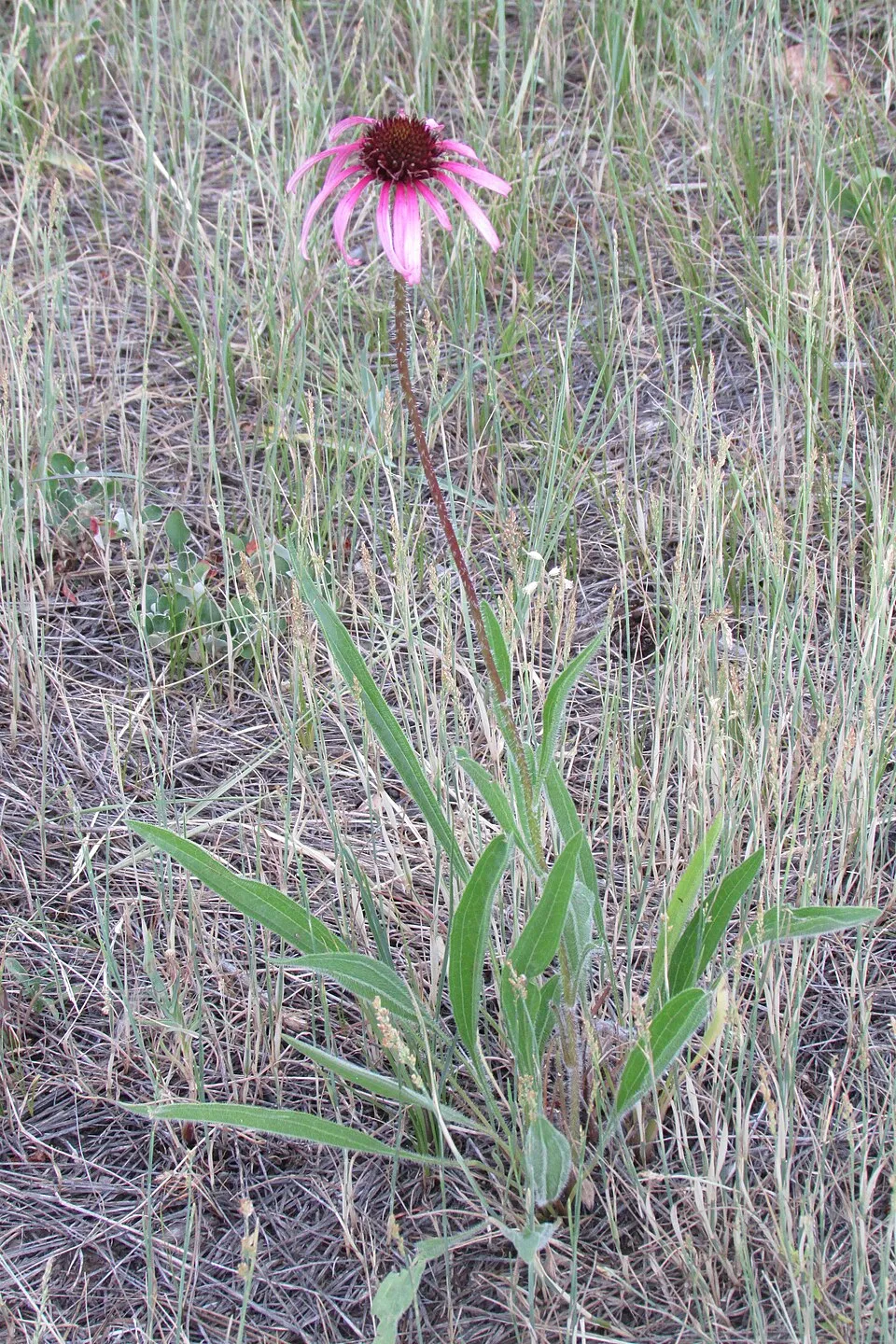
Echinacea angustifolia, commonly known as Narrow-leaved Purple Coneflower or Echinacea Garden, is a resilient perennial herb indigenous to the central and southeastern regions of the United States. It flourishes in diverse habitats including prairies, open woodlands, and dry, rocky soils, demonstrating remarkable adaptability. This distinctive plant is characterized by its slender, often hairy stems that can reach up to 2-3 feet in height, supporting solitary flower heads. Its basal leaves are lance-shaped, gradually tapering towards the apex.
The most striking feature is its daisy-like inflorescence, typically adorned with narrow, drooping ray florets ranging in color from pale pink to deep purplish-pink. These surround a prominent, reddish-brown central cone composed of rigid disk florets, which gives the plant its 'coneflower' moniker. Historically, Echinacea angustifolia held profound significance for various Indigenous peoples of North America, particularly the Plains Indians, who extensively utilized its roots for a wide spectrum of medicinal purposes. It was a foundational remedy for ailments such as snakebites, toothaches, colds, measles, and general infections.
Its traditional efficacy captured the attention of early European settlers, leading to its integration into eclectic medicine during the 19th and early 20th centuries, where it was valued as a 'blood purifier' and a potent immune stimulant. Beyond its medicinal heritage, its prominent aesthetic qualities also make it a favored choice for ornamental gardens, attracting beneficial pollinators like bees and butterflies. Modern scientific inquiry into Echinacea angustifolia has since focused on validating these traditional claims, identifying key bioactive compounds responsible for its immunomodulatory, anti-inflammatory, and antimicrobial properties.
Trusted Scientific References
1. Authoritative external sources for Echinacea angustifolia
1.1 Wikipedia — Echinacea angustifolia
1.2 Kew POWO (Plants of the World Online)
1.3 PubMed — peer-reviewed research
1.4 NCBI Taxonomy Browser
1.5 GBIF — Global Biodiversity
1.1.Echinacea Garden — Notable Characteristics
- ✓Potent Immunomodulatory Herb — Potent Immunomodulatory Herb
- ✓Native North American — Native North American Prairie Plant
- ✓Distinctive Purple Coneflower — Distinctive Purple Coneflower Morphology
- ✓Rich in Bioactive — Rich in Bioactive Alkylamides
- ✓Significant Caffeic Acid — Significant Caffeic Acid Derivative Content (Echinacoside)
- ✓Traditional Indigenous Medicinal — Traditional Indigenous Medicinal Plant
- ✓Supports Respiratory and — Supports Respiratory and Immune Health
- ✓Exhibits Anti — inflammatory Properties
- ✓Adaptable and Popular — Adaptable and Popular Ornamental Plant
- ✓Primarily Utilizes the — Primarily Utilizes the Root for Medicinal Preparations
1.2.Echinacea Garden — At-a-Glance Summary
- ✓Echinacea angustifolia is a perennial North American native known for its distinctive purple coneflower.
- ✓Historically revered by Indigenous peoples for its broad medicinal applications, especially for infections and pain.
- ✓Modern research confirms its immune-modulating and anti-inflammatory properties, making it popular for respiratory health.
- ✓Key active compounds include alkylamides, echinacoside, and polysaccharides, responsible for its therapeutic effects.
- ✓Available in diverse forms like teas, tinctures, capsules, and topical preparations for varied uses.
- ✓Generally safe for short-term use, but potential for allergic reactions and drug interactions necessitates caution and professional advice.
2.Echinacea Garden — Scientific Identity
3.Echinacea Garden — Key Data
4.Echinacea Garden — Physical Description
5.Echinacea Garden — Ecological Habitat
6.Echinacea Garden — Heritage Uses
7.Echinacea Garden — Chemical Profile
- ✓Alkylamides — Key lipophilic compounds, such as isobutylamides (e.g., dodecatetraenoic acid isobutylamide), responsible for the characteristic tingling sensation and potent immunomodulatory and anti-inflammatory effects, often acting via cannabinoid receptor modulation.
- ✓Caffeic Acid Derivatives — Prominent compounds like echinacoside and cichoric acid, known for their strong antioxidant, anti-inflammatory, and immune-stimulating properties, particularly in enhancing phagocytosis.
- ✓Polysaccharides — High molecular weight carbohydrates, including arabinogalactans, which contribute to the plant's immunostimulant activity by activating macrophages and other immune cells.
- ✓Glycoproteins — Proteins with attached carbohydrate chains that play a role in the immunomodulatory effects of Echinacea, influencing cytokine production.
- ✓Flavonoids — Compounds such as quercetin, kaempferol, and rutin are present, offering additional antioxidant and anti-inflammatory benefits to the plant's profile.
- ✓Essential Oils — Small quantities of volatile oils containing compounds like humulene and caryophyllene, contributing to the plant's aromatic profile and potentially some antimicrobial actions.
- ✓Polyacetylenes — A class of compounds with diverse biological activities, though their specific contributions to Echinacea's medicinal effects are less extensively studied compared to alkylamides and phenolics.
- ✓Rosmarinic Acid — Another phenolic acid derivative, contributing to the plant's overall antioxidant and anti-inflammatory capacity.
8.Echinacea Garden — Evidence-Based Benefits
- ✓Immune System Modulation — Echinacea angustifolia is renowned for its ability to stimulate and modulate the immune system, enhancing both innate and adaptive immune responses against pathogens.
- ✓Common Cold Prevention & Treatment — Research suggests that regular use may slightly reduce the incidence of the common cold and potentially shorten its duration and severity.
- ✓Anti-inflammatory Action — The plant's rich array of compounds, including alkylamides and caffeic acid derivatives, contributes to its capacity to mitigate inflammatory processes within the body.
- ✓Antimicrobial Properties — Echinacea exhibits direct antimicrobial activity against various bacteria and viruses, supporting its traditional use in combating infections.
- ✓Respiratory Tract Support — It is widely used to support the health of the upper respiratory tract, helping to alleviate symptoms associated with colds, flu, and other respiratory infections.
- ✓Wound Healing (Traditional) — Historically applied topically, Echinacea was used to promote the healing of minor wounds, skin irritations, and insect bites due to its antiseptic and anti-inflammatory effects.
- ✓Pain Relief (Traditional) — Indigenous peoples utilized Echinacea for alleviating various forms of pain, including toothaches, indicating potential analgesic properties.
- ✓Antioxidant Activity — Contains phenolic compounds that act as potent antioxidants, protecting cells from oxidative stress and free radical damage.
- ✓Lymphatic System Enhancement — Believed to stimulate the lymphatic system, aiding in detoxification and the efficient circulation of immune cells throughout the body.
- ✓Detoxification Support (Traditional) — Its historical use as a 'blood purifier' in eclectic medicine suggests a broader role in supporting the body's natural detoxification pathways.
8.1.Echinacea Garden — Indications & Uses
9.Echinacea Garden — Safety & Side Effects
9.1.Echinacea Garden — Side Effects & Warnings
- ✓Allergic Reactions — Individuals sensitive to plants in the Asteraceae family (daisies, ragweed, marigolds) may experience allergic reactions, including rashes, itching, or, rarely, anaphylaxis.
- ✓Digestive Upset — Mild gastrointestinal symptoms such as abdominal pain, nausea, or stomach upset are among the most commonly reported side effects.
- ✓Skin Rashes — Children, in particular, have been observed to develop skin rashes in clinical trials, which may indicate an allergic response.
- ✓Dizziness/Headache — Less common side effects can include transient dizziness or headaches in some susceptible individuals.
- ✓Tingling Sensation — A temporary tingling or numbing sensation on the tongue is a common and harmless indicator of the presence of active alkylamides in high-quality preparations.
- ✓Liver Inflammation — Very rare cases of liver inflammation have been reported, particularly with prolonged use or in individuals with pre-existing liver conditions.
9.2.Echinacea Garden — Safety Overview
- ✓General Safety — Echinacea angustifolia is generally considered safe for most adults when used orally for short periods, typically up to 7-10 days, or as directed by a healthcare professional.
- ✓Allergy Contraindication — Contraindicated for individuals with known allergies to plants in the Asteraceae (daisy) family, due to the risk of allergic reactions.
- ✓Autoimmune Conditions — Caution is advised for individuals with autoimmune diseases (e.g., lupus, rheumatoid arthritis, multiple sclerosis) due to its immune-stimulating properties; consult a healthcare provider.
- ✓Immunosuppressant Interaction — Theoretical concern exists regarding potential interactions with immunosuppressant medications, as Echinacea may reduce their efficacy; medical consultation is essential.
- ✓Pregnancy & Breastfeeding — Limited safety data exists for use during pregnancy and breastfeeding; consultation with a healthcare provider is strongly recommended, although some studies suggest possible safety during the first trimester.
- ✓Liver Metabolism — Conflicting evidence regarding interactions with drugs metabolized by the liver; patients on such medications should consult their doctor before use.
- ✓Children — While possibly safe for short-term use in children, parental guidance and consultation with a pediatrician are crucial due to the potential for allergic reactions like rashes.
10.Echinacea Garden — Preparations & Uses
- ✓Herbal Tea (Infusion/Decoction) — Dried roots, leaves, or flowers can be steeped in hot water to create a soothing tea, commonly consumed for immune support and respiratory ailments.
- ✓Tinctures — Alcohol-based extracts of the root are a popular and potent method, allowing for concentrated dosages that are taken orally, often diluted in water.
- ✓Capsules/Tablets — Standardized extracts or powdered plant material are encapsulated or pressed into tablets for convenient, precise dosing and easy integration into daily routines.
- ✓Topical Applications — Poultices, creams, or salves made from Echinacea are traditionally applied to the skin for minor wounds, insect bites, and various irritations.
- ✓Juices — Freshly pressed juice, particularly from the aerial parts of E. purpurea (though less common for E. angustifolia), is sometimes used for rapid absorption.
- ✓Syrups — Often formulated with other immune-supportive herbs and natural sweeteners, making it a palatable option, especially for children, during cold and flu season.
- ✓Gargles/Mouthwashes — Diluted tinctures or strong infusions can be used as a gargle for sore throats or as a mouthwash to support oral hygiene.
11.Echinacea Garden — Garden Cultivation
- ✓Climate Preference — Thrives best in USDA hardiness zones 3-9, preferring full sun exposure for at least 6 hours daily to ensure robust growth and flower production.
- ✓Soil Requirements — Prefers well-drained, average to poor soil conditions; tolerates rocky or sandy loams and is surprisingly drought-tolerant once established.
- ✓Propagation — Can be propagated from seeds, which benefit from cold stratification for 30-60 days, or by root division in early spring or fall.
- ✓Planting Depth & Spacing — Plant seeds shallowly, about 1/4 inch deep. Transplant seedlings or divided roots 12-18 inches apart to allow for mature spread.
- ✓Watering — Requires consistent moisture during establishment, but mature plants are drought-tolerant and prefer drier conditions; avoid overwatering to prevent root rot.
- ✓Pest & Disease Management — Generally resistant, but monitor for common garden pests like aphids and Japanese beetles, and fungal issues like powdery mildew in humid environments.
- ✓Harvesting — Roots are typically harvested in the fall after the plant has been established for at least two to three years, as this is when medicinal compounds are most concentrated.
- ✓Maintenance — Deadhead spent flowers to encourage continuous blooming or allow them to go to seed for natural reseeding and to provide food for birds; cut back foliage in late autumn.
Reviewed by the Flora Medical Global Botanical Review Panel
Multi-disciplinary editorial group · Botany · Ethnobotany · Herbal-medicine literature
Who reviewed this: This page was checked by the Flora Medical Global Botanical Review Panel — an in-house editorial group of botany graduates, ethnobotany researchers, and horticulture practitioners who collectively maintain our 7,000+ plant encyclopedia. Meet the team.
Our 4-step verification process
1. Taxonomic verification
Scientific names and synonyms cross-checked against Kew POWO, World Flora Online, and The Plant List.
2. Phytochemical & medicinal cross-reference
Active compounds, traditional uses, and reported activities are cross-referenced with PubMed, USDA Dr. Duke's database, and peer-reviewed ethnobotanical literature.
3. Conservation & distribution check
Distribution, ecology, and conservation status confirmed against GBIF occurrence records and the IUCN Red List.
4. Editorial & safety review
Every entry passes an editorial pass for clarity, originality, and safety notices (toxicity, contraindications, dosage caveats) before publication.
Last reviewed:
Important medical disclaimer: This content is for educational and research purposes only. It is not medical advice and is not a substitute for consultation with a licensed healthcare provider. Do not use any herb to self-treat a medical condition without professional guidance.
Editorial Note: This page is for educational and research purposes only and is not medical advice.
Written by: Flora Medical Global Editorial Team
Reviewed by: Flora Medical Global Botanical Review Panel
Last Updated: June 15, 2026





Echinacea Garden — Comments & Community Reviews
Rate this plant