


Medical Disclaimer: This content is for educational purposes only. It is not medical advice. Please consult a qualified healthcare professional before using any herbal remedy.
Safety Overview
1.Eggplant — Essential Profile
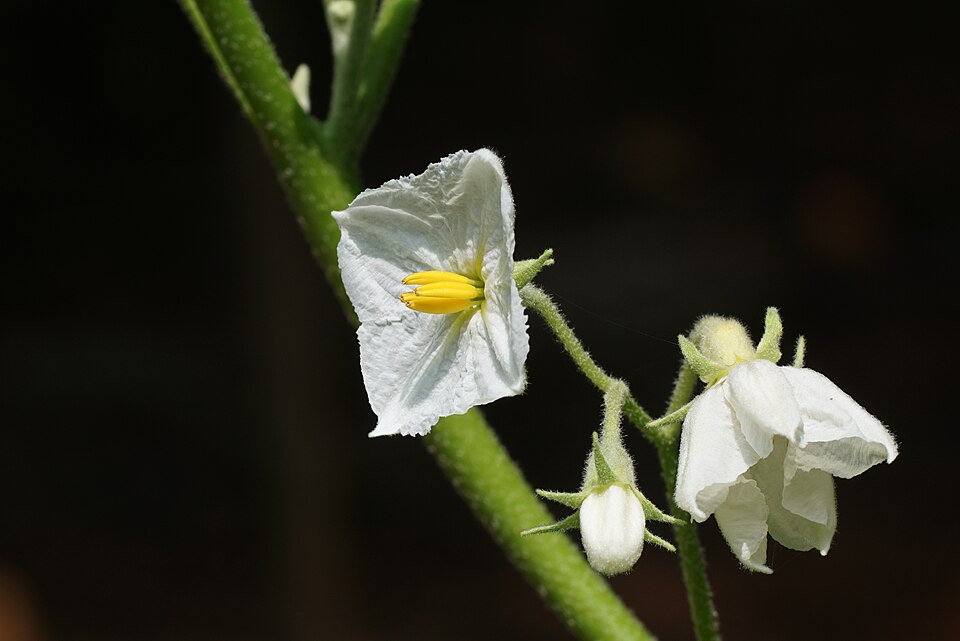
Eggplant, scientifically known as Solanum melongena, is a culturally significant member of the Solanaceae family, widely cultivated for its distinctive and versatile fruit. This herbaceous plant typically grows to a height of 60 to 120 centimeters, presenting an erect, branched habit with stems that are often slightly hairy or prickly. Its broad, ovate leaves range from a deep green to a purplish hue, featuring a somewhat rough texture.
The flowers are striking, star-shaped, and usually purple or white, emerging solitarily or in small clusters from the leaf axils. The fruit, botanically classified as a berry, develops into various shapes—elongated, oval, or round—and sizes, with its hallmark glossy skin typically purple or black, though varieties can also display white, green, or striped patterns. Solanum melongena thrives in warm, subtropical to tropical climates, requiring abundant full sunlight and well-drained, fertile soil with a pH between 5.5 and 7.0.
It is highly sensitive to frost and prefers consistent temperatures between 20°C and 30°C (68°F to 86°F). Originating in Asia, particularly India and China, eggplant has since spread globally, becoming a staple in diverse culinary traditions and recognized for its beneficial phytochemical composition.
Trusted Scientific References
1. Authoritative external sources for Solanum melongena
1.1 Wikipedia — Solanum melongena
1.2 Kew POWO (Plants of the World Online)
1.3 PubMed — peer-reviewed research
1.4 NCBI Taxonomy Browser
1.5 GBIF — Global Biodiversity
1.6Eggplant should be interpreted through verified botanical identity, practical care, and responsible safety language. This recovery note adds the missing context needed for a complete profile: match light to the plant's habit, use well-drained soil, water according to season, and avoid unsupported medicinal or edible claims. For publishing, the plant can be presented as a source-backed garden plant with clear care guidance, common problem diagnosis, and conservative safety wording.
1.1.Eggplant — Distinguishing Points
- ✓Botanical Classification — Solanum melongena, a prominent member of the Solanaceae (nightshade) family.
- ✓Edible Fruit — Cultivated primarily for its large, glossy, typically purple or black, berry-like fruit, though varieties exist in various colors.
- ✓Rich in Antioxidants — Abundant in phenolic compounds like chlorogenic acid and anthocyanins such as nasunin.
- ✓Metabolic Health Support — Exhibits potential benefits for blood sugar regulation, blood pressure control, and cholesterol reduction.
- ✓High Dietary Fiber — Contributes significantly to digestive health and promotes a feeling of fullness, aiding weight management.
- ✓Source of Essential Nutrients — Provides vitamins (C, K, B-complex) and minerals (potassium, manganese, magnesium).
- ✓Traditional Ayurvedic Use — Recognized as a cooling food to help balance the Pitta dosha in traditional Indian medicine.
- ✓Culinary Versatility — A staple ingredient in global cuisines, adaptable to numerous cooking methods and dishes.
- ✓Nightshade Family Member — Important for individuals with sensitivities to other plants in this botanical family.
- ✓Warm Climate Requirement — Thrives in sunny, warm environments and is highly sensitive to frost.
1.2.Eggplant — In Brief
- ✓Solanum melongena, or eggplant, is a highly nutritious fruit from the nightshade family, renowned for its culinary versatility.
- ✓It is a significant source of potent antioxidants, including chlorogenic acid and nasunin, offering cellular protection.
- ✓Traditionally valued in Ayurvedic medicine as a cooling food, balancing Pitta dosha.
- ✓Modern research highlights its potential in managing metabolic syndrome components like blood sugar, blood pressure, and cholesterol.
- ✓Rich in dietary fiber, vitamins, and minerals, contributing to overall digestive and cardiovascular health.
- ✓Caution is recommended for individuals with nightshade sensitivities or a predisposition to kidney stones.
2.Eggplant — Botanical Identity
3.Eggplant — Key Data
4.Eggplant — Botanical Features
5.Eggplant — Ecological Habitat
6.Eggplant — Folk Medicine Applications
7.Eggplant — Phytochemistry
- ✓Phenolic Acids — Predominantly chlorogenic acid, a powerful antioxidant and anti-inflammatory compound found abundantly in both the skin and pulp of eggplant, known for its antidiabetic and antihypertensive properties.
- ✓Anthocyanins — Especially delphinidin and its glycosides, such as nasunin, which are responsible for the characteristic purple coloration of eggplant skin. These are potent antioxidants with neuroprotective, cardioprotective, and metal-chelating activities.
- ✓Glycoalkaloids — Including solasodine, solamargine, and solasonine, which are naturally occurring plant toxins found in varying concentrations, particularly higher in unripe fruit. These have been researched for potential anti-cancer effects at controlled dosages.
- ✓Flavonoids — A diverse group of compounds including quercetin and kaempferol derivatives, contributing to eggplant's antioxidant capacity and offering protective benefits against cellular damage.
- ✓Saponins — Plant glycosides that may contribute to cholesterol-lowering effects by interfering with the absorption of dietary cholesterol and potentially possessing some anti-inflammatory properties.
- ✓Dietary Fiber — Both soluble and insoluble fibers are present, crucial for digestive health, blood glucose management, and promoting satiety, contributing to weight regulation.
- ✓Vitamins — Eggplant is a good source of Vitamin C (ascorbic acid), Vitamin K, and several B vitamins (Thiamine B1, Niacin B3, Pyridoxine B6, Folate B9), supporting various metabolic processes.
- ✓Minerals — Rich in essential minerals such as potassium, manganese, magnesium, copper, iron, and phosphorus, vital for electrolyte balance, bone health, nerve function, and enzyme activity.
- ✓Triterpenes — A class of compounds that can contribute to anti-inflammatory and potentially anti-cancer activities, though typically present in smaller amounts compared to phenolics.
8.Eggplant — Evidence-Based Benefits
- ✓Antioxidant Properties — Rich in phenolic compounds like chlorogenic acid and anthocyanins (e.g., nasunin), eggplant helps neutralize free radicals, protecting cells from oxidative damage and reducing inflammation.
- ✓Blood Sugar Regulation — Studies suggest eggplant can inhibit alpha-amylase and alpha-glucosidase enzymes, which slow down carbohydrate digestion and absorption, contributing to more stable blood glucose levels.
- ✓Cardiovascular Health — Its fiber content, along with specific compounds, may help lower LDL ('bad') cholesterol and triglyceride levels by modulating lipid metabolism and inducing lipoprotein lipase activity.
- ✓Blood Pressure Management — Eggplant has demonstrated antihypertensive effects, potentially through its ability to inhibit Angiotensin-Converting Enzyme (ACE) activity, which helps relax blood vessels.
- ✓Weight Management Support — High in dietary fiber and low in calories, eggplant promotes satiety, helping to reduce overall calorie intake, while also potentially reducing pancreatic lipase activity to aid fat absorption control.
- ✓Digestive Health Improvement — The significant fiber content in eggplant supports healthy bowel movements, adds bulk to stool, and can help prevent constipation, fostering a healthy digestive system.
- ✓Anti-inflammatory Effects — Phenolic compounds, particularly chlorogenic acid, contribute to the plant's anti-inflammatory actions, which can be beneficial in managing chronic inflammatory conditions.
- ✓Anti-cancer Potential — Glycoalkaloids such as solasodine rhamnosyl glycosides (SRGs) have been investigated for their selective cytotoxic effects on certain cancer cells, showing promise in preclinical studies.
- ✓Brain Health Enhancement — Nasunin, an anthocyanin primarily found in the skin, acts as a potent antioxidant and iron-chelator, potentially protecting brain cell membranes from free radical damage.
- ✓Bone Health Support — Eggplant contains essential minerals like manganese, potassium, and Vitamin K, which play roles in maintaining bone density and overall skeletal strength.
- ✓Ayurvedic Balance — In traditional Ayurvedic medicine, eggplant is considered a cooling food, often used to balance excess Pitta dosha, which is associated with heat and inflammation in the body.
8.1.Eggplant — Indications & Uses
9.Eggplant — Safety & Side Effects
9.1.Eggplant — Reported Side Effects
- ✓Allergic Reactions — Some individuals may experience allergic symptoms, including skin rashes, itching, hives, or gastrointestinal discomfort after consuming eggplant, particularly those sensitive to other nightshades.
- ✓Solanine Toxicity — Raw or undercooked eggplant contains glycoalkaloids like solanine, which can cause mild gastrointestinal upset (nausea, vomiting, diarrhea) if consumed in very large quantities, though levels in ripe fruit are generally low.
- ✓Oxalate Content — Eggplant contains oxalates, which can contribute to the formation of kidney stones in susceptible individuals if consumed excessively, especially in those with a history of calcium oxalate stones.
- ✓Inflammatory Response — For individuals with sensitivities to the nightshade family, eggplant consumption might trigger or exacerbate inflammatory conditions such as arthritis or irritable bowel syndrome.
- ✓Gastrointestinal Discomfort — The high fiber content, while generally beneficial, can cause bloating, gas, or stomach cramps in some individuals if introduced rapidly or consumed in very large amounts.
- ✓Medication Interactions — Due to its potential effects on blood sugar and blood pressure, individuals on diabetes or hypertension medications should consult a healthcare provider regarding regular, high intake.
9.2.Eggplant — Risk Assessment
- ✓General Consumption — Eggplant is generally considered safe for most healthy adults when consumed in moderation as part of a balanced diet, particularly when cooked.
- ✓Pregnancy and Lactation — Moderate consumption of cooked eggplant is likely safe during pregnancy and lactation, but excessive intake or use of concentrated extracts should be discussed with a healthcare professional due to limited specific research.
- ✓Children — Safe for children in moderation as part of a varied diet; parents should monitor for any signs of allergic reactions or digestive sensitivities.
- ✓Nightshade Sensitivity — Individuals with known sensitivities or allergies to other nightshade plants (e.g., tomatoes, potatoes, bell peppers) should exercise caution and observe for adverse reactions.
- ✓Kidney Stone History — Those with a history of calcium oxalate kidney stones should consume eggplant in moderation due to its oxalate content and ensure adequate hydration.
- ✓Raw Consumption — It is advisable to avoid consuming large quantities of raw eggplant, as its solanine content is higher in the raw state and can lead to digestive issues. Cooking significantly reduces these compounds.
- ✓Cooking Recommendation — Always cook eggplant thoroughly before consumption to reduce levels of solanine and improve digestibility, making it safer and more palatable.
10.Eggplant — Preparations & Uses
- ✓Culinary Preparation — Widely consumed cooked, eggplant is roasted, grilled, baked, fried, sautéed, or stewed in diverse dishes such as moussaka, ratatouille, baba ghanoush, and curries.
- ✓Topical Application — Traditionally, crushed leaves or fruit pulp have been applied as poultices for skin inflammations, minor burns, or insect bites, though this practice is less common in modern herbalism.
- ✓Juices and Smoothies — Raw or lightly cooked eggplant can be blended into vegetable juices or smoothies, often combined with other fruits and vegetables to mask its slightly bitter taste and boost nutrient intake.
- ✓Herbal Decoctions — In some traditional medicine systems, dried eggplant slices or leaves might be simmered to prepare decoctions or infusions for specific internal health purposes.
- ✓Fermented Products — In certain cuisines, eggplant is pickled or fermented, which can enhance its flavor profile and potentially increase the bioavailability of some nutrients.
- ✓Extracts and Concentrates — While not commonly available as a standalone supplement, specific beneficial compounds like chlorogenic acid derived from eggplant are sometimes found in dietary supplements.
- ✓Ayurvedic Preparations — Incorporated into Ayurvedic cooking, often balanced with warming spices like ginger and turmeric to complement its cooling properties and enhance digestibility.
11.Eggplant — Cultivation & Care
- ✓Soil Requirements — Prefers fertile, well-draining loamy soils rich in organic matter, with an optimal pH range of 5.5 to 7.0 for healthy growth.
- ✓Sunlight Exposure — Requires full sun exposure, ideally receiving at least 6-8 hours of direct sunlight daily, to ensure robust growth and prolific fruit set.
- ✓Temperature Sensitivity — Thrives in warm climates with daytime temperatures between 20°C to 30°C (68°F to 86°F) and is highly susceptible to frost damage, necessitating protection in cooler regions.
- ✓Watering Practices — Needs consistent and regular watering, especially during flowering and fruiting stages, to maintain evenly moist soil without becoming waterlogged.
- ✓Support and Staking — Taller varieties and those with heavy fruit loads benefit from staking, caging, or trellising to prevent stems from breaking and to keep fruits off the ground.
- ✓Pest and Disease Management — Regular monitoring for common pests like flea beetles, aphids, and spider mites, along with practicing crop rotation, helps mitigate disease risks such as Verticillium wilt and blight.
- ✓Fertilization — Benefits from a balanced fertilizer application during transplanting and then a phosphorus and potassium-rich feed as fruits begin to develop to support yield.
- ✓Harvesting — Fruits are typically harvested when they are glossy, firm, and before seeds become hard and bitter, usually 60-90 days after transplanting, by cutting the stem with a small portion of the calyx attached.
Reviewed by the Flora Medical Global Botanical Review Panel
Multi-disciplinary editorial group · Botany · Ethnobotany · Herbal-medicine literature
Who reviewed this: This page was checked by the Flora Medical Global Botanical Review Panel — an in-house editorial group of botany graduates, ethnobotany researchers, and horticulture practitioners who collectively maintain our 7,000+ plant encyclopedia. Meet the team.
Our 4-step verification process
1. Taxonomic verification
Scientific names and synonyms cross-checked against Kew POWO, World Flora Online, and The Plant List.
2. Phytochemical & medicinal cross-reference
Active compounds, traditional uses, and reported activities are cross-referenced with PubMed, USDA Dr. Duke's database, and peer-reviewed ethnobotanical literature.
3. Conservation & distribution check
Distribution, ecology, and conservation status confirmed against GBIF occurrence records and the IUCN Red List.
4. Editorial & safety review
Every entry passes an editorial pass for clarity, originality, and safety notices (toxicity, contraindications, dosage caveats) before publication.
Last reviewed:
Important medical disclaimer: This content is for educational and research purposes only. It is not medical advice and is not a substitute for consultation with a licensed healthcare provider. Do not use any herb to self-treat a medical condition without professional guidance.
Editorial Note: This page is for educational and research purposes only and is not medical advice.
Written by: Flora Medical Global Editorial Team
Reviewed by: Flora Medical Global Botanical Review Panel
Last Updated: June 15, 2026





Eggplant — Comments & Community Reviews
Rate this plant