
Medical Disclaimer: This content is for educational purposes only. It is not medical advice. Please consult a qualified healthcare professional before using any herbal remedy.
Safety Overview
1.Ensete Maurelii — Plant Snapshot
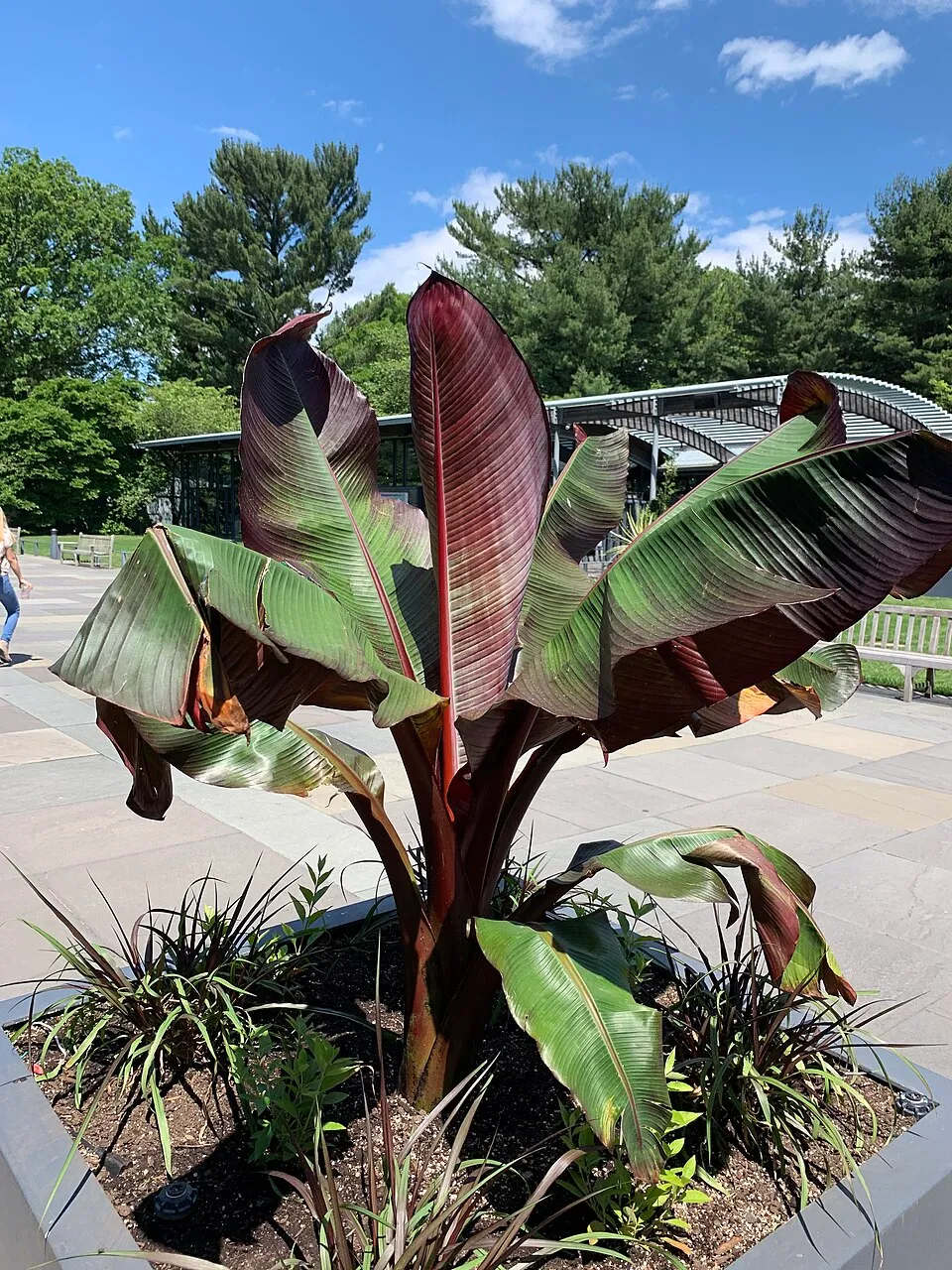
Ensete ventricosum 'Maurelii', commonly known as the Red Abyssinian Banana or Red False Banana, is a striking perennial cultivar within the Musaceae family, renowned for its dramatic ornamental foliage. This cultivar is derived from the species Ensete ventricosum, which is native to the subtropical regions of East Africa, particularly Ethiopia, where it is a significant staple food crop. 'Maurelii' distinguishes itself with exceptionally large, paddle-shaped leaves that can reach lengths of up to 3 feet and widths of 1.5 feet, displaying a captivating range of deep burgundy, purple, and reddish tints, especially pronounced on new growth and leaf axils.
The intensity of this coloration can vary with light exposure, making it a dynamic visual accent. Its robust pseudostem, often referred to as a stipe, can grow up to 12 inches in diameter and supports the impressive canopy. While the species Ensete ventricosum can grow quite large in its natural habitat, the 'Maurelii' cultivar typically reaches a more manageable height of 6 to 10 feet when cultivated indoors or in temperate climates.
Though flowering is rare in indoor settings, mature plants may produce banana-like yellow flowers, followed by dry, inedible fruits for the cultivar, contrasting with the edible fruits and starchy pseudostem of its wild counterpart. This plant's impressive stature and vibrant coloration make it a popular choice for tropical gardens, as an accent plant, or as a magnificent container specimen in colder regions.
Trusted Scientific References
1. Authoritative external sources for Ensete ventricosum Maurelii
1.1 Wikipedia — Ensete ventricosum Maurelii
1.2 Kew POWO (Plants of the World Online)
1.3 PubMed — peer-reviewed research
1.4 NCBI Taxonomy Browser
1.5 GBIF — Global Biodiversity
1.6Ensete Maurelii should be interpreted through verified botanical identity, practical care, and responsible safety language. This recovery note adds the missing context needed for a complete profile: match light to the plant's habit, use well-drained soil, water according to season, and avoid unsupported medicinal or edible claims. For publishing, the plant can be presented as a source-backed indoor plant with clear care guidance, common problem diagnosis, and conservative safety wording.
1.1.Ensete Maurelii — Standout Qualities
- ✓Striking Burgundy — Purple Foliage — The most prominent feature, offering a dramatic visual appeal.
- ✓Large, Lanceolate Leaves — Can grow several feet long, creating an impressive canopy.
- ✓Robust Pseudostem — Forms a sturdy base, contributing to the plant's architectural form.
- ✓Tropical Aesthetic — Instantly transforms any space into an exotic, vibrant environment.
- ✓Adaptable to Container Growth — Thrives in large pots, allowing for flexible placement and indoor relocation.
- ✓Significant Indoor Height — Can reach 6-10 feet tall indoors under optimal conditions.
- ✓Native to Ethiopia (species) — Cultivar derived from a plant with rich cultural and agricultural significance.
- ✓Member of the Musaceae Family — Related to bananas, but distinct in its growth and fruit characteristics.
- ✓Rarely Flowers Indoors — May produce banana-like yellow flowers after several years of maturity.
- ✓Drought Intolerant — Requires consistent moisture for optimal health and appearance.
1.2.Ensete Maurelii — In Brief
- ✓Ensete Maurelii is a stunning ornamental Red Abyssinian Banana cultivar.
- ✓Features dramatic burgundy-purple, large lanceolate leaves.
- ✓Primarily grown as a tropical accent plant or indoor specimen.
- ✓Requires warm, humid conditions and consistent moisture.
- ✓Edible fruit and starchy pseudostem are characteristics of the parent species, Ensete ventricosum.
- ✓Adds a vibrant, exotic touch to any space.
2.Ensete Maurelii — Taxonomic Classification
3.Ensete Maurelii — Quick Facts
4.Ensete Maurelii — Plant Morphology
5.Ensete Maurelii — Geographic Distribution
6.Ensete Maurelii — Cultural & Traditional Roles
7.Ensete Maurelii — Active Compounds
- ✓The specific phytochemical profile of the 'Maurelii' cultivar is not extensively documented, as its primary use is ornamental. However, based on the parent species Ensete ventricosum and general characteristics of the Musaceae family, the following categories of chemical constituents are likely present, especially in the edible parts of the species:
- ✓Carbohydrates — Primarily starch in the pseudostem and sugars in the fruit, serving as the main energy source.
- ✓Dietary Fiber — Composed of cellulose, hemicellulose, and pectin, crucial for digestive health and regularity.
- ✓Anthocyanins — Pigment compounds responsible for the distinctive red and purple coloration in the leaves of 'Maurelii', known for their antioxidant properties.
- ✓Vitamins — Including Vitamin C (ascorbic acid) for immune support and various B vitamins (e.g., B6, folate) essential for metabolic functions.
- ✓Minerals — Rich in macro-minerals like potassium, calcium, magnesium, and phosphorus, as well as trace elements such as iron and zinc.
- ✓Phenolic Compounds — General class including flavonoids and phenolic acids, which contribute to antioxidant defense and plant pigmentation.
- ✓Phytosterols — Plant sterols that may have cholesterol-lowering properties, found in various plant tissues.
- ✓Organic Acids — Present in varying amounts, contributing to flavor and potentially influencing nutrient absorption.
- ✓Fatty Acids — Present in minimal amounts, primarily unsaturated fatty acids, contributing to cell structure.
8.Ensete Maurelii — Modern Studies
- ✓While Ensete ventricosum 'Maurelii' is primarily cultivated for its ornamental value, its parent species, Ensete ventricosum, offers several nutritional benefits as a traditional food source in Ethiopia. Any medicinal applications for the 'Maurelii' cultivar are largely extrapolated from the species' nutritional profile and traditional uses, and specific research on 'Maurelii' itself is limited.
- ✓Nutritional Support — The pseudostem and fruits of Ensete ventricosum are rich in carbohydrates, providing a significant energy source, along with essential vitamins and minerals crucial for overall health.
- ✓Digestive Health Enhancement — High dietary fiber content in the edible parts of Ensete ventricosum promotes healthy digestion, aids in bowel regularity, and can help prevent constipation.
- ✓Energy Provision — As a starchy staple food, Ensete ventricosum offers sustained energy release, making it a valuable carbohydrate source for maintaining vitality throughout the day.
- ✓Mineral Richness — Provides important minerals such as potassium, calcium, magnesium, and iron, vital for bone health, nerve function, muscle contraction, and red blood cell formation.
- ✓Potential Antioxidant Activity — Though not extensively studied for 'Maurelii', other plants in the Musaceae family contain phenolic compounds and flavonoids, which may offer antioxidant protection against cellular damage.
- ✓Cardiovascular Health Support — The potassium content in Ensete ventricosum can contribute to maintaining healthy blood pressure levels and supporting overall heart function.
- ✓Blood Sugar Management — The fiber in Ensete ventricosum can help moderate glucose absorption, potentially aiding in the stabilization of blood sugar levels, especially beneficial for individuals managing diabetes.
- ✓Immune System Fortification — Essential vitamins and minerals found in the species contribute to a robust immune system, helping the body defend against infections and illnesses.
8.1.Ensete Maurelii — Therapeutic Indications
9.Ensete Maurelii — Adverse Effects
9.1.Ensete Maurelii — Caution Notes
- ✓Allergic Reactions — Rare, but individuals sensitive to plants in the Musaceae family may experience contact dermatitis from handling leaves or sap.
- ✓Digestive Upset — Ingesting large quantities of the fruit (from the species, not typically 'Maurelii' cultivar) or other non-traditional plant parts could potentially lead to mild gastrointestinal discomfort due to high fiber or unfamiliar compounds.
- ✓Skin Irritation — Direct contact with plant sap, though generally mild, might cause temporary skin irritation in sensitive individuals.
- ✓Pest-Related Issues — While not a direct human side effect, the plant is susceptible to common pests like aphids and mealybugs, which can indirectly affect human interaction through pest control measures.
- ✓Toxicity Concerns — There are no widely documented reports of toxicity from Ensete ventricosum 'Maurelii' to humans or pets through casual contact or incidental ingestion of ornamental parts, but caution is always advised for non-food plants.
9.2.Ensete Maurelii — Toxicity Assessment
- ✓Ornamental Use Only — Ensete ventricosum 'Maurelii' is primarily an ornamental plant; its parts are not intended for internal consumption or medicinal use.
- ✓General Handling Safety — Generally safe to handle; however, individuals with sensitive skin should wear gloves to prevent potential mild irritation from sap.
- ✓Children and Pets — Keep out of reach of small children and pets to prevent accidental ingestion of plant parts, although no significant toxicity is widely reported.
- ✓Allergic Sensitivities — Individuals with known allergies to plants in the banana family (Musaceae) should exercise caution when handling to avoid potential allergic reactions.
- ✓Pregnancy and Lactation — Due to the lack of specific safety data for internal use of this ornamental cultivar, pregnant or nursing individuals should avoid any consumption.
- ✓Medical Consultation — For any consideration of internal use of parts from the Ensete ventricosum species, consultation with a qualified medical herbalist or healthcare professional is strongly recommended.
- ✓Cross-Contamination — Ensure ornamental plants are kept separate from food preparation areas to avoid any potential cross-contamination.
10.Ensete Maurelii — Application Forms
- ✓Ornamental Display — Primarily used as a stunning accent plant in tropical-themed gardens, courtyards, or as a dramatic specimen in large containers on patios and decks.
- ✓Indoor Houseplant — Ideal for creating a striking tropical ambiance in spacious indoor settings such as living rooms, atriums, or large offices, provided adequate light and humidity.
- ✓Landscape Feature — Planted as a focal point in frost-free zones, where its vibrant foliage can provide a bold architectural statement.
- ✓Seasonal Outdoor Accent — In colder climates, it can be grown outdoors in containers during warmer months and brought indoors before the first frost.
- ✓Traditional Food Source (Ensete ventricosum species) — The pseudostem of the parent species, Ensete ventricosum, is traditionally cooked and consumed as a starchy vegetable, often fermented or boiled.
- ✓Flour Production (Ensete ventricosum species) — The starchy corm and pseudostem of the species are processed into flour for use in various traditional dishes in Ethiopia.
- ✓Edible Fruit (Ensete ventricosum species) — While the fruit of the 'Maurelii' cultivar is dry and generally not consumed, the fruits of the Ensete ventricosum species are edible, though often secondary to the pseudostem's use.
11.Ensete Maurelii — Propagation & Care
- ✓Light Requirements — Thrives in full sun to partial shade; ensure some protection from intense afternoon sun to prevent leaf scorch, especially in hotter climates.
- ✓Soil & Drainage — Requires a rich, well-draining potting mix. A blend of peat, sand, and loam, or a high-quality tropical plant mix, is ideal to prevent waterlogging.
- ✓Watering — Keep soil consistently moist but not waterlogged. Water regularly, especially during warm growing seasons, and reduce frequency in cooler months.
- ✓Humidity — Prefers high humidity, mimicking its native subtropical environment. Mist leaves frequently or place the plant near a humidifier, particularly indoors.
- ✓Temperature — Best grown in warm conditions, ideally between 65-80°F (18-27°C). Protect from frost, as it is highly sensitive to cold temperatures.
- ✓Fertilization — Feed monthly during the growing season (spring to fall) with a balanced liquid fertilizer to support its rapid growth and large foliage.
- ✓Container Growth — Excellent for container cultivation; use a large pot with ample drainage holes to accommodate its substantial root system and allow for indoor relocation during cold periods.
- ✓Propagation — Primarily propagated by division of suckers, though seed propagation is possible but typically slow and less common for this specific cultivar.
Reviewed by the Flora Medical Global Botanical Review Panel
Multi-disciplinary editorial group · Botany · Ethnobotany · Herbal-medicine literature
Who reviewed this: This page was checked by the Flora Medical Global Botanical Review Panel — an in-house editorial group of botany graduates, ethnobotany researchers, and horticulture practitioners who collectively maintain our 7,000+ plant encyclopedia. Meet the team.
Our 4-step verification process
1. Taxonomic verification
Scientific names and synonyms cross-checked against Kew POWO, World Flora Online, and The Plant List.
2. Phytochemical & medicinal cross-reference
Active compounds, traditional uses, and reported activities are cross-referenced with PubMed, USDA Dr. Duke's database, and peer-reviewed ethnobotanical literature.
3. Conservation & distribution check
Distribution, ecology, and conservation status confirmed against GBIF occurrence records and the IUCN Red List.
4. Editorial & safety review
Every entry passes an editorial pass for clarity, originality, and safety notices (toxicity, contraindications, dosage caveats) before publication.
Last reviewed:
Important medical disclaimer: This content is for educational and research purposes only. It is not medical advice and is not a substitute for consultation with a licensed healthcare provider. Do not use any herb to self-treat a medical condition without professional guidance.
Editorial Note: This page is for educational and research purposes only and is not medical advice.
Written by: Flora Medical Global Editorial Team
Reviewed by: Flora Medical Global Botanical Review Panel
Last Updated: June 15, 2026





Ensete Maurelii — Comments & Community Reviews
Rate this plant