

Medical Disclaimer: This content is for educational purposes only. It is not medical advice. Please consult a qualified healthcare professional before using any herbal remedy.
Safety Overview
1.Epiphyllum Anguliger — Overview
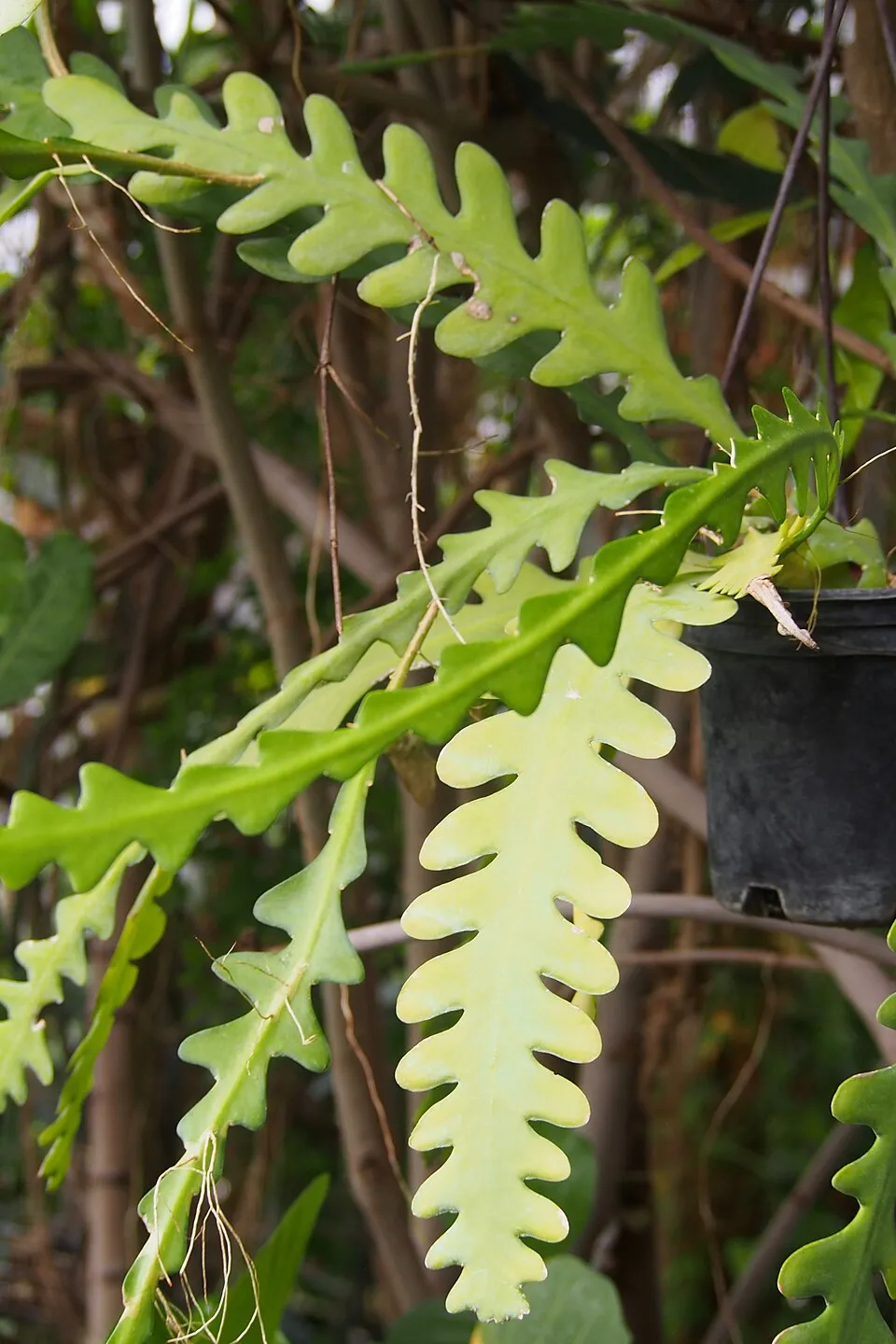
Epiphyllum anguliger, widely recognized as the zig-zag cactus or fishbone cactus, is a unique epiphytic succulent belonging to the Cactaceae family. It is indigenous to the tropical rainforests of Central America, predominantly found clinging to tree trunks and branches in Mexico, where it thrives in humid, shaded canopy environments. This species typically exhibits a sprawling or trailing growth habit, reaching lengths of 1–3 feet (30–90 cm).
Its most distinctive feature is its flattened, segmented stems, which can grow up to 12 inches (30 cm) long and display a remarkable zig-zag or fishbone-like morphology with shallow grooves along their edges. These green, fleshy stems are adept at storing water, contributing to the plant's drought tolerance despite its rainforest origins.
When in bloom, Epiphyllum anguliger produces large, highly fragrant white or pale yellow flowers, often measuring up to 12 inches (30 cm) in diameter. These trumpet-shaped blossoms are famously nocturnal, opening at night and releasing a sweet, heavy aroma to attract their primary pollinators, which include moths and bats. The ephemeral beauty of these flowers, lasting only a few hours, adds to their allure.
While lacking traditional bark, the stems possess a slightly waxy texture. As an epiphyte, it absorbs moisture from the air and nutrients from decaying organic matter, adapting perfectly to its arboreal habitat. Its non-spiny, eye-catching morphology and spectacular night-blooming flowers distinguish it within the broader cactus family, making it a prized ornamental plant globally.
Trusted Scientific References
1. Authoritative external sources for Epiphyllum anguliger
1.1 Wikipedia — Epiphyllum anguliger
1.2 Kew POWO (Plants of the World Online)
1.3 PubMed — peer-reviewed research
1.4 NCBI Taxonomy Browser
1.5 GBIF — Global Biodiversity
1.6Epiphyllum Anguliger should be interpreted through verified botanical identity, practical care, and responsible safety language. This recovery note adds the missing context needed for a complete profile: match light to the plant's habit, use well-drained soil, water according to season, and avoid unsupported medicinal or edible claims. For publishing, the plant can be presented as a source-backed indoor plant with clear care guidance, common problem diagnosis, and conservative safety wording.
1.1.Epiphyllum Anguliger — Defining Traits
- ✓Distinctive Zig — Zag Stems — Unique flattened stems with deeply lobed, angular edges.
- ✓Epiphytic Growth Habit — Naturally grows on trees, absorbing moisture and nutrients from the air and host.
- ✓Night — Blooming Flowers — Produces large, highly fragrant white or pale yellow flowers that open nocturnally.
- ✓Tropical Rainforest Native — Adapted to humid, shaded environments of Central American rainforests.
- ✓Ornamental Value — Highly prized as a houseplant for its unique morphology and spectacular blooms.
- ✓Soothing Topical Properties — Traditional use for calming skin irritations and minor burns.
- ✓Non — Spiny Cactus — Lacks the typical sharp spines of many cactus species, making it safe to handle.
- ✓Drought Tolerant — Succulent stems store water, allowing it to withstand periods of dryness.
- ✓Low Maintenance — Relatively easy to care for, making it suitable for beginners.
- ✓Attracts Nocturnal Pollinators — Flowers designed to attract moths and bats in its natural habitat.
1.2.Epiphyllum Anguliger — Concise Overview
- ✓Epiphyllum anguliger is an epiphytic cactus known for its distinctive zig-zag stems and fragrant night-blooming flowers.
- ✓Native to Central American rainforests, it thrives in humid, indirect light conditions.
- ✓Traditionally used topically for its soothing, cooling, and depurative properties on skin irritations.
- ✓Key chemical constituents include polysaccharides, flavonoids, and phenolic acids, contributing to its potential skin benefits.
- ✓Cultivation requires well-draining soil, high humidity, and bright, indirect light.
- ✓Safety profile emphasizes external use only, with patch testing recommended due to limited internal safety data.
2.Epiphyllum Anguliger — Taxonomic Classification
3.Epiphyllum Anguliger — Reference Facts
4.Epiphyllum Anguliger — Plant Morphology
5.Epiphyllum Anguliger — Geographic Distribution
6.Epiphyllum Anguliger — Cultural & Traditional Roles
7.Epiphyllum Anguliger — Secondary Metabolites
- ✓Polysaccharides and Mucilage — These complex carbohydrates are responsible for the plant's succulent texture and are known for their demulcent, soothing, and hydrating properties, especially beneficial for skin applications.
- ✓Flavonoids — A diverse group of plant pigments with potent antioxidant, anti-inflammatory, and potentially antimicrobial activities, contributing to cellular protection and reduced inflammation.
- ✓Phenolic Acids — Compounds like caffeic acid and ferulic acid, commonly found in plants, exhibit strong antioxidant capabilities, helping to neutralize free radicals.
- ✓Triterpenes — These compounds are often associated with anti-inflammatory and adaptogenic effects, potentially contributing to the plant's traditional soothing uses.
- ✓Alkaloids (Trace Amounts) — While not a primary class, some cacti may contain trace alkaloids which can have various physiological effects, though specific to Epiphyllum anguliger is not well-documented.
- ✓Sterols — Plant sterols are known for their role in cell membrane structure and can have anti-inflammatory and cholesterol-lowering properties.
- ✓Vitamins and Minerals — The plant likely contains essential vitamins (e.g., Vitamin C, B vitamins) and minerals (e.g., calcium, magnesium) vital for cellular function and skin health.
- ✓Fatty Acids — Lipids present in the plant tissue can contribute to skin barrier function and overall epidermal health.
- ✓Saponins — These glycosides can exhibit foaming properties and are sometimes associated with anti-inflammatory and immune-modulating effects.
- ✓Betalains — While more prominent in some other Cactaceae, these nitrogen-containing pigments can possess antioxidant and anti-inflammatory properties.
8.Epiphyllum Anguliger — What Research Suggests
- ✓Skin Soothing — Traditionally, the crushed stems and leaves of Epiphyllum anguliger are applied topically to calm and cool irritated skin, providing relief from minor epidermal discomforts.
- ✓Anti-inflammatory Support — The plant's traditional use for skin irritation suggests potential anti-inflammatory properties, which may help reduce localized swelling and redness.
- ✓Minor Burn Relief — Due to its cooling and soothing attributes, it has been used in folk medicine to alleviate the discomfort associated with superficial burns.
- ✓Eczema and Rash Management — Anecdotal reports indicate its application for soothing the itch and irritation of conditions like eczema and various skin rashes.
- ✓Detoxification Support — In some traditional systems, Epiphyllum anguliger is believed to possess mild depurative qualities, aiding the body's natural processes of toxin elimination.
- ✓Wound Healing — Its topical application may support the healing of small cuts and abrasions by maintaining a moist, clean environment and potentially reducing inflammation.
- ✓Hydration for Dry Skin — The succulent nature of the stems suggests a high water content, which could contribute to hydrating and softening dry skin when applied as a poultice.
- ✓Antiseptic Potential — While not extensively studied, some plant mucilages and compounds can exhibit mild antiseptic actions, potentially preventing infection in minor skin lesions.
- ✓Pain Alleviation — The cooling effect attributed to Epiphyllum anguliger might offer localized pain relief for superficial aches or stings.
- ✓Antioxidant Activity — Like many plants, it may contain compounds with antioxidant properties that protect skin cells from oxidative stress and damage.
- ✓Stress Reduction (Topical) — The application of cooling, natural remedies can have a psychologically calming effect, contributing to overall well-being during minor ailments.
8.1.Epiphyllum Anguliger — Therapeutic Indications
9.Epiphyllum Anguliger — Adverse Effects
9.1.Epiphyllum Anguliger — Side Effects & Warnings
- ✓Skin Irritation — While generally soothing, some individuals may experience mild skin irritation or allergic reactions, especially with prolonged topical use.
- ✓Allergic Contact Dermatitis — Hypersensitive individuals might develop a rash or itching upon direct contact with Epiphyllum anguliger.
- ✓Gastrointestinal Upset — Ingestion of plant material is not recommended and could lead to nausea, vomiting, or diarrhea due to unknown internal effects.
- ✓Photosensitivity — Some plant compounds can increase skin sensitivity to sunlight, though this is not commonly reported for Epiphyllum anguliger.
- ✓Interaction with Medications — Potential interactions with topically applied medications or skin treatments are unknown and should be considered.
- ✓Ocular Irritation — Direct contact with eyes should be avoided as it may cause irritation or discomfort.
- ✓Over-drying of Skin — Improper or excessive use of fresh plant material might lead to skin dryness in some cases.
9.2.Epiphyllum Anguliger — Clinical Safety Notes
- ✓External Use Only — Epiphyllum anguliger is primarily used for topical applications; internal consumption is not traditionally documented or recommended.
- ✓Patch Test Recommended — Always perform a small patch test on the skin before widespread application to check for allergic reactions or sensitivities.
- ✓Pregnancy and Lactation — Due to insufficient data, pregnant and breastfeeding individuals should avoid using Epiphyllum anguliger.
- ✓Children — Use on children should be approached with caution, and a healthcare professional consulted, as safety data is lacking.
- ✓Open Wounds — Avoid applying directly to deep open wounds or broken skin to prevent potential irritation or infection.
- ✓Consult Healthcare Provider — Individuals with pre-existing skin conditions or those on medication should consult a healthcare professional before use.
- ✓Plant Handling — Wear gloves if you have sensitive skin to avoid potential mild irritation from plant sap, though spines are absent.
10.Epiphyllum Anguliger — Preparation & Dosage
- ✓Topical Poultice — Crush fresh Epiphyllum anguliger stems and leaves into a paste and apply directly to minor skin irritations, burns, or rashes for a cooling effect.
- ✓Infused Oil — Macerate dried or fresh plant material in a carrier oil (e.g., olive, jojoba) for several weeks to create a soothing infused oil for skin applications.
- ✓Compresses — Soak a cloth in a prepared infusion of the plant material and apply as a cold compress to inflamed areas.
- ✓Herbal Bath — Add fresh or dried Epiphyllum anguliger material to bathwater for a full-body soothing and skin-calming experience.
- ✓Gel Preparation — Extract the mucilaginous gel from the inner stem, similar to Aloe vera, and apply directly to the skin for hydration and soothing.
- ✓Herbal Liniment — Combine an alcohol extract of Epiphyllum anguliger with other analgesic herbs to create a liniment for external muscle and joint discomfort.
- ✓Facial Mask — Blend the crushed plant material with honey or clay to create a hydrating and calming facial mask for irritated or dry skin.
- ✓Tea/Infusion (External) — Prepare a strong tea from dried stems and use it as a wash for skin conditions or as a hair rinse for scalp soothing, strictly for external use.
11.Epiphyllum Anguliger — Growing Guide
- ✓Potting Mix — Use a well-draining, airy potting mix, ideally a blend of orchid bark, perlite, and peat moss or coco coir, mimicking its epiphytic habitat.
- ✓Light Requirements — Provide bright, indirect light; avoid direct harsh sunlight which can scorch the delicate stems of the Epiphyllum anguliger.
- ✓Watering Schedule — Water thoroughly when the top 1-2 inches of soil are dry, then allow excess water to drain completely; reduce watering in winter.
- ✓Humidity — Maintain high humidity levels, ideally 60-80%, by misting regularly or placing the pot on a pebble tray with water.
- ✓Temperature — Keep temperatures between 60-80°F (15-27°C); protect from cold drafts and temperatures below 50°F (10°C).
- ✓Fertilization — Feed with a balanced liquid fertilizer diluted to half strength every 2-4 weeks during the growing season (spring and summer).
- ✓Support — As a trailing plant, Epiphyllum anguliger benefits from hanging baskets or elevated positions where its stems can cascade freely.
- ✓Pruning — Prune to maintain shape and encourage bushier growth, removing any damaged or yellowing stems.
Reviewed by the Flora Medical Global Botanical Review Panel
Multi-disciplinary editorial group · Botany · Ethnobotany · Herbal-medicine literature
Who reviewed this: This page was checked by the Flora Medical Global Botanical Review Panel — an in-house editorial group of botany graduates, ethnobotany researchers, and horticulture practitioners who collectively maintain our 7,000+ plant encyclopedia. Meet the team.
Our 4-step verification process
1. Taxonomic verification
Scientific names and synonyms cross-checked against Kew POWO, World Flora Online, and The Plant List.
2. Phytochemical & medicinal cross-reference
Active compounds, traditional uses, and reported activities are cross-referenced with PubMed, USDA Dr. Duke's database, and peer-reviewed ethnobotanical literature.
3. Conservation & distribution check
Distribution, ecology, and conservation status confirmed against GBIF occurrence records and the IUCN Red List.
4. Editorial & safety review
Every entry passes an editorial pass for clarity, originality, and safety notices (toxicity, contraindications, dosage caveats) before publication.
Last reviewed:
Important medical disclaimer: This content is for educational and research purposes only. It is not medical advice and is not a substitute for consultation with a licensed healthcare provider. Do not use any herb to self-treat a medical condition without professional guidance.
Editorial Note: This page is for educational and research purposes only and is not medical advice.
Written by: Flora Medical Global Editorial Team
Reviewed by: Flora Medical Global Botanical Review Panel
Last Updated: June 15, 2026





Epiphyllum Anguliger — Comments & Community Reviews
Rate this plant