
Medical Disclaimer: This content is for educational purposes only. It is not medical advice. Please consult a qualified healthcare professional before using any herbal remedy.
Safety Overview
1.Epipremnum Amplissimum — Plant Snapshot
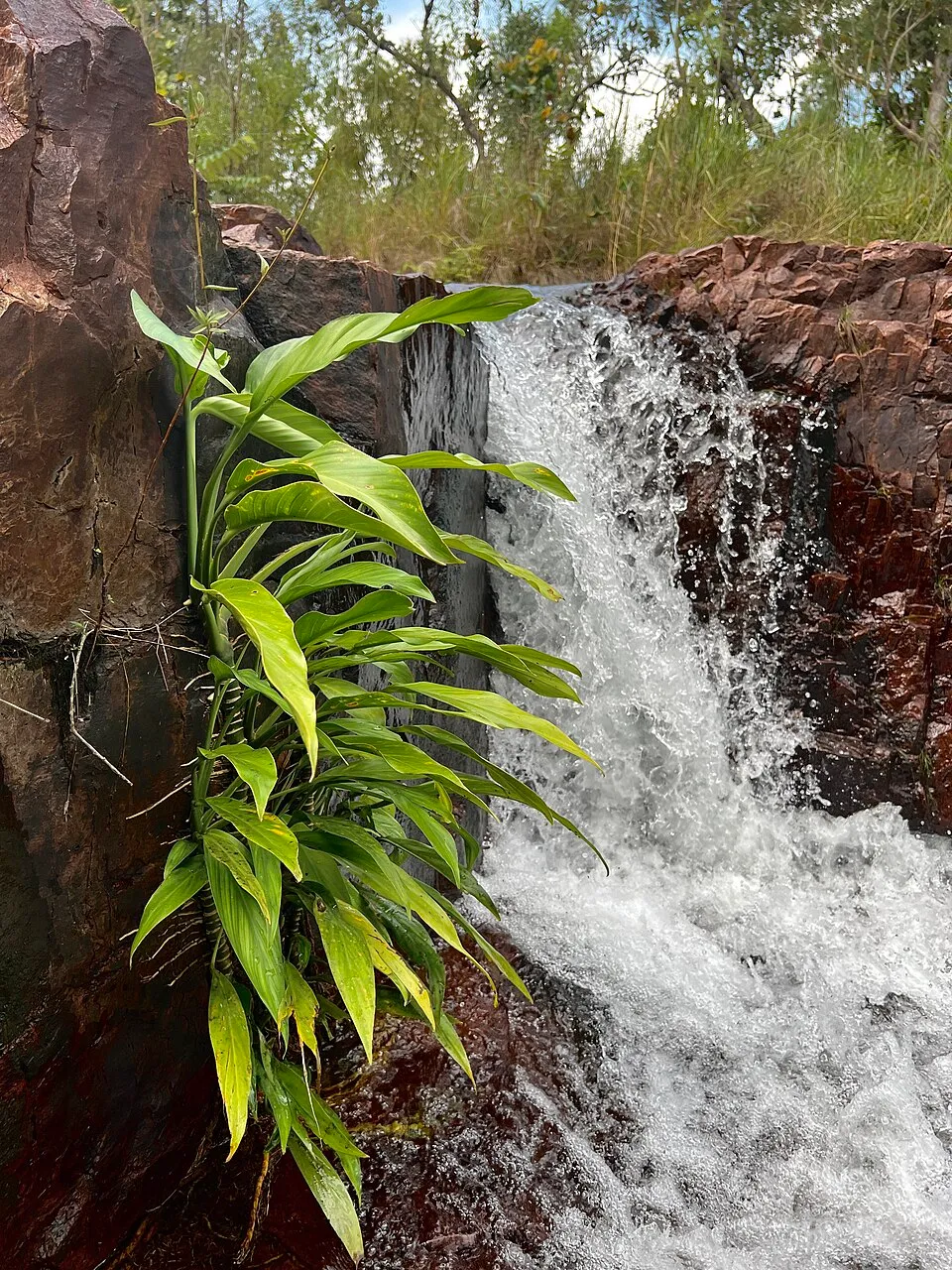
Epipremnum amplissimum, commonly known as the Silver Streak Pothos, is an exquisite tropical vining plant cherished for its ornamental appeal and air-purifying capabilities. Belonging to the Araceae family, it is characterized by its elongated, lance-shaped leaves, which can reach impressive lengths of up to 30 cm (12 inches) and widths of 7.5 cm (3 inches). The 'Silver Streak' variety, in particular, displays a captivating variegation of vibrant silver and deep green marbling, creating a striking visual contrast.
These robust stems allow the plant to grow as a trailing specimen in hanging baskets or to climb upwards when provided with support, reaching heights of 1.2 to 1.8 meters (4 to 6 feet) in ideal indoor conditions. While primarily cultivated for its foliage, Epipremnum amplissimum may rarely produce inconspicuous, tubular white spathe and spadix inflorescences under optimal growing conditions. Native to the lush, humid tropical forests of the Solomon Islands and parts of Southeast Asia, this hemi-epiphytic species naturally thrives by climbing trees, using its aerial roots for support and nutrient absorption.
Taxonomically, it shares close kinship with other popular Epipremnum species like the Golden Pothos (E. aureum) and various Philodendron species, exhibiting similar care requirements and a resilient nature, making it a favored choice for indoor gardeners seeking both beauty and functionality.
Trusted Scientific References
1. Authoritative external sources for Epipremnum amplissimum
1.1 Wikipedia — Epipremnum amplissimum
1.2 Kew POWO (Plants of the World Online)
1.3 PubMed — peer-reviewed research
1.4 NCBI Taxonomy Browser
1.5 GBIF — Global Biodiversity
1.6Epipremnum Amplissimum should be interpreted through verified botanical identity, practical care, and responsible safety language. This recovery note adds the missing context needed for a complete profile: match light to the plant's habit, use well-drained soil, water according to season, and avoid unsupported medicinal or edible claims. For publishing, the plant can be presented as a source-backed indoor plant with clear care guidance, common problem diagnosis, and conservative safety wording.
1.1.Epipremnum Amplissimum — Standout Qualities
- ✓Striking Foliage — Elongated, lance-shaped leaves adorned with distinctive silver and green variegation, creating a visually appealing contrast.
- ✓Air — Purifying Properties — Highly effective at removing common indoor air pollutants such as formaldehyde, benzene, and xylene.
- ✓Low Maintenance — A resilient and forgiving plant, ideal for beginners and those seeking easy-care houseplants.
- ✓Vining Growth Habit — Can be grown as a beautiful trailing plant in hanging baskets or trained to climb upwards with support.
- ✓Tropical Origin — Native to the humid tropical forests of the Solomon Islands and Southeast Asia, thriving in warm environments.
- ✓Adaptable Light Needs — Tolerates a wide range of light conditions, from bright, indirect light to lower light areas.
- ✓Pet and Child Toxicity — Contains calcium oxalate crystals, rendering all parts of the plant toxic if ingested.
- ✓Easy Propagation — Readily reproduces from stem cuttings, allowing for simple multiplication and sharing.
- ✓Aesthetic Enhancement — Adds a touch of lush, exotic beauty and natural elegance to any indoor space.
- ✓Moderate Growth Rate — Exhibits a moderate to fast growth rate under optimal growing conditions, quickly filling out its space.
1.2.Epipremnum Amplissimum — Quick Summary
- ✓Epipremnum amplissimum, or Silver Streak Pothos, is a popular ornamental houseplant.
- ✓Renowned for its significant air-purifying capabilities, removing common indoor toxins.
- ✓Features striking lance-shaped leaves with unique silver and green variegation.
- ✓Easy to care for, adaptable to various indoor light and humidity conditions, suitable for beginners.
- ✓Contains calcium oxalate crystals, making all parts of the plant toxic if ingested by humans or pets.
2.Epipremnum Amplissimum — Systematic Position
3.Epipremnum Amplissimum — Quick Facts
4.Epipremnum Amplissimum — Plant Morphology
5.Epipremnum Amplissimum — Where It Grows
6.Epipremnum Amplissimum — Ethnobotanical Uses
7.Epipremnum Amplissimum — Secondary Metabolites
- ✓Calcium Oxalate Crystals (Raphides) — These needle-like crystals are a prominent defense mechanism, causing immediate irritation and burning sensation upon contact or ingestion, characteristic of the Araceae family.
- ✓Chlorophylls (a and b) — Essential photosynthetic pigments responsible for the plant's green coloration and its ability to convert light energy into chemical energy, supporting its growth and air-purifying functions.
- ✓Carotenoids — Accessory pigments such as beta-carotene and xanthophylls, which contribute to photosynthesis, protect against photo-oxidative damage, and are involved in the visual appeal of variegated forms.
- ✓Flavonoids — A diverse group of polyphenolic compounds acting as potent antioxidants, offering protection against environmental stressors and contributing to plant health and defense mechanisms.
- ✓Terpenoids — Various volatile organic compounds that play roles in plant defense against herbivores and pathogens, and contribute to the subtle scent profile of the plant.
- ✓Enzymes (e.g., Aldehyde Dehydrogenases) — Proteins involved in a multitude of metabolic pathways, including the plant's capacity to absorb and metabolize volatile organic compounds (VOCs) from the surrounding air.
- ✓Cellulose and Hemicellulose — Structural polysaccharides forming the primary components of plant cell walls, providing rigidity and support to the leaves and stems.
- ✓Lignin — A complex polymer that provides structural support and waterproofing to plant tissues, particularly in the robust stems of Epipremnum amplissimum.
8.Epipremnum Amplissimum — What Research Suggests
- ✓Air Purification — This plant is renowned for its ability to filter common indoor airborne toxins, including formaldehyde, benzene, xylene, and toluene, thereby improving overall indoor air quality.
- ✓Psychological Well-being — The presence of Epipremnum amplissimum contributes to reduced stress levels, improved mood, and enhanced feelings of calm through biophilic interaction, promoting mental health.
- ✓Humidity Regulation — Through transpiration, the plant releases moisture into the air, helping to naturally humidify dry indoor environments, which can alleviate symptoms of dry skin and respiratory irritation.
- ✓Enhanced Cognitive Function — Studies suggest that incorporating plants into workspaces can lead to increased focus, improved concentration, and higher productivity by creating a more stimulating and natural environment.
- ✓Aesthetic and Environmental Enrichment — Its striking foliage adds significant aesthetic value to interior spaces, fostering a more pleasant and visually engaging atmosphere that indirectly supports health.
- ✓Oxygen Production — Like all photosynthetic plants, Epipremnum amplissimum converts carbon dioxide into oxygen, contributing to a fresher indoor atmosphere, especially in enclosed spaces.
- ✓Reduction of Airborne Particulates — The leaves can trap dust and other airborne particles, preventing them from circulating and potentially reducing respiratory irritants.
- ✓Therapeutic Horticulture — The act of caring for Epipremnum amplissimum provides a gentle therapeutic activity, offering a sense of purpose and connection to nature, which can be beneficial for mental well-being.
- ✓Natural Sound Dampening — While minor, the foliage of indoor plants can help absorb sound, contributing to a quieter and more serene indoor environment.
- ✓Anti-Fatigue Properties — The visual presence of greenery can help alleviate eye strain and mental fatigue, particularly in environments dominated by screens and artificial lighting. (Note: Direct traditional medicinal uses for Epipremnum amplissimum are not widely documented; benefits are primarily environmental and psychological.)
8.1.Epipremnum Amplissimum — Therapeutic Indications
9.Epipremnum Amplissimum — Precautions & Warnings
9.1.Epipremnum Amplissimum — Caution Notes
- ✓Oral Irritation — Ingestion of any part of Epipremnum amplissimum can cause immediate and intense irritation, burning, and swelling of the mouth, tongue, and throat due to calcium oxalate crystals.
- ✓Gastrointestinal Distress — Consumption may lead to symptoms such as nausea, vomiting, abdominal pain, and diarrhea, particularly with larger quantities.
- ✓Dermatitis — Skin contact with the plant's sap can cause localized irritation, redness, itching, or a rash in sensitive individuals.
- ✓Eye Irritation — Accidental contact of sap with the eyes can result in temporary pain, redness, burning, and swelling.
- ✓Pet Toxicity — Highly toxic to cats, dogs, and other household pets, causing severe oral pain, excessive drooling, pawing at the mouth, vomiting, and difficulty swallowing.
- ✓Airway Obstruction — In severe cases of ingestion, significant swelling of the throat can potentially lead to difficulty breathing or airway obstruction.
9.2.Epipremnum Amplissimum — Clinical Safety Notes
- ✓Keep Out of Reach — Always position Epipremnum amplissimum plants in locations inaccessible to children and pets to prevent accidental ingestion.
- ✓Handle with Care — Wear gloves when handling, pruning, or repotting the plant to avoid skin contact with the irritating sap.
- ✓Avoid Ingestion — Emphasize that all parts of the plant are considered toxic if consumed by humans or animals and should never be ingested.
- ✓First Aid for Contact — In case of skin contact, wash the affected area thoroughly with soap and water. For eye contact, flush immediately with plenty of water for at least 15 minutes.
- ✓Seek Medical Attention — If ingestion occurs or if severe irritation persists after contact, seek immediate medical advice or contact a poison control center/veterinarian.
- ✓Not for Medicinal Use — Explicitly state that Epipremnum amplissimum is an ornamental plant and is not intended for any internal or external medicinal application.
- ✓Allergic Sensitivity — Individuals with known sensitivities to Araceae plants should exercise caution, as allergic reactions, though rare, can occur.
10.Epipremnum Amplissimum — Application Forms
- ✓Ornamental Houseplant — Cultivated indoors for its striking foliage, enhancing the aesthetic appeal of living spaces, offices, and commercial interiors.
- ✓Air Purification Placement — Strategically positioned in rooms to maximize its ability to absorb and filter common indoor air pollutants and volatile organic compounds (VOCs).
- ✓Trailing or Climbing Display — Grown in hanging baskets to showcase its vining habit or trained to climb moss poles or trellises for a vertical accent.
- ✓Biophilic Design Element — Incorporated into interior design schemes to foster a connection with nature, promoting well-being and reducing stress in human environments.
- ✓Terrarium or Vivarium Specimen — Suitable for enclosed, high-humidity environments due to its tropical origins, adding lush greenery to miniature ecosystems.
- ✓Educational Display — Used in botanical collections or educational settings to demonstrate plant care, photosynthesis, and the benefits of indoor plants.
- ✓Gifting — A popular and resilient choice for plant enthusiasts, offering both beauty and the practical benefit of improved indoor air quality.
11.Epipremnum Amplissimum — Growing Guide
- ✓Light — Provide bright, indirect light for optimal growth and variegation; tolerates lower light conditions, though growth may slow.
- ✓Watering — Water thoroughly when the top 2-3 inches of soil are dry; allow excess water to drain to prevent root rot.
- ✓Humidity — Prefers moderate to high humidity (above 50%); can tolerate average household humidity but benefits from misting or a pebble tray.
- ✓Temperature — Thrives in typical indoor temperatures between 18-29°C (65-85°F); avoid exposure to temperatures below 10°C (50°F).
- ✓Soil — Use a well-draining, aerated potting mix rich in organic matter, ideally formulated for aroids or houseplants.
- ✓Fertilization — Feed with a balanced liquid fertilizer diluted to half strength every 4-6 weeks during the spring and summer growing seasons.
- ✓Propagation — Easily propagated from stem cuttings containing at least one node, rooted in water or directly in moist potting mix.
- ✓Repotting — Repot every 2-3 years in spring or early summer into a slightly larger pot with good drainage, refreshing the potting mix.
Reviewed by the Flora Medical Global Botanical Review Panel
Multi-disciplinary editorial group · Botany · Ethnobotany · Herbal-medicine literature
Who reviewed this: This page was checked by the Flora Medical Global Botanical Review Panel — an in-house editorial group of botany graduates, ethnobotany researchers, and horticulture practitioners who collectively maintain our 7,000+ plant encyclopedia. Meet the team.
Our 4-step verification process
1. Taxonomic verification
Scientific names and synonyms cross-checked against Kew POWO, World Flora Online, and The Plant List.
2. Phytochemical & medicinal cross-reference
Active compounds, traditional uses, and reported activities are cross-referenced with PubMed, USDA Dr. Duke's database, and peer-reviewed ethnobotanical literature.
3. Conservation & distribution check
Distribution, ecology, and conservation status confirmed against GBIF occurrence records and the IUCN Red List.
4. Editorial & safety review
Every entry passes an editorial pass for clarity, originality, and safety notices (toxicity, contraindications, dosage caveats) before publication.
Last reviewed:
Important medical disclaimer: This content is for educational and research purposes only. It is not medical advice and is not a substitute for consultation with a licensed healthcare provider. Do not use any herb to self-treat a medical condition without professional guidance.
Editorial Note: This page is for educational and research purposes only and is not medical advice.
Written by: Flora Medical Global Editorial Team
Reviewed by: Flora Medical Global Botanical Review Panel
Last Updated: June 15, 2026





Epipremnum Amplissimum — Comments & Community Reviews
Rate this plant