
Medical Disclaimer: This content is for educational purposes only. It is not medical advice. Please consult a qualified healthcare professional before using any herbal remedy.
Safety Overview
1.Epipremnum Manjula — Introduction & Highlights
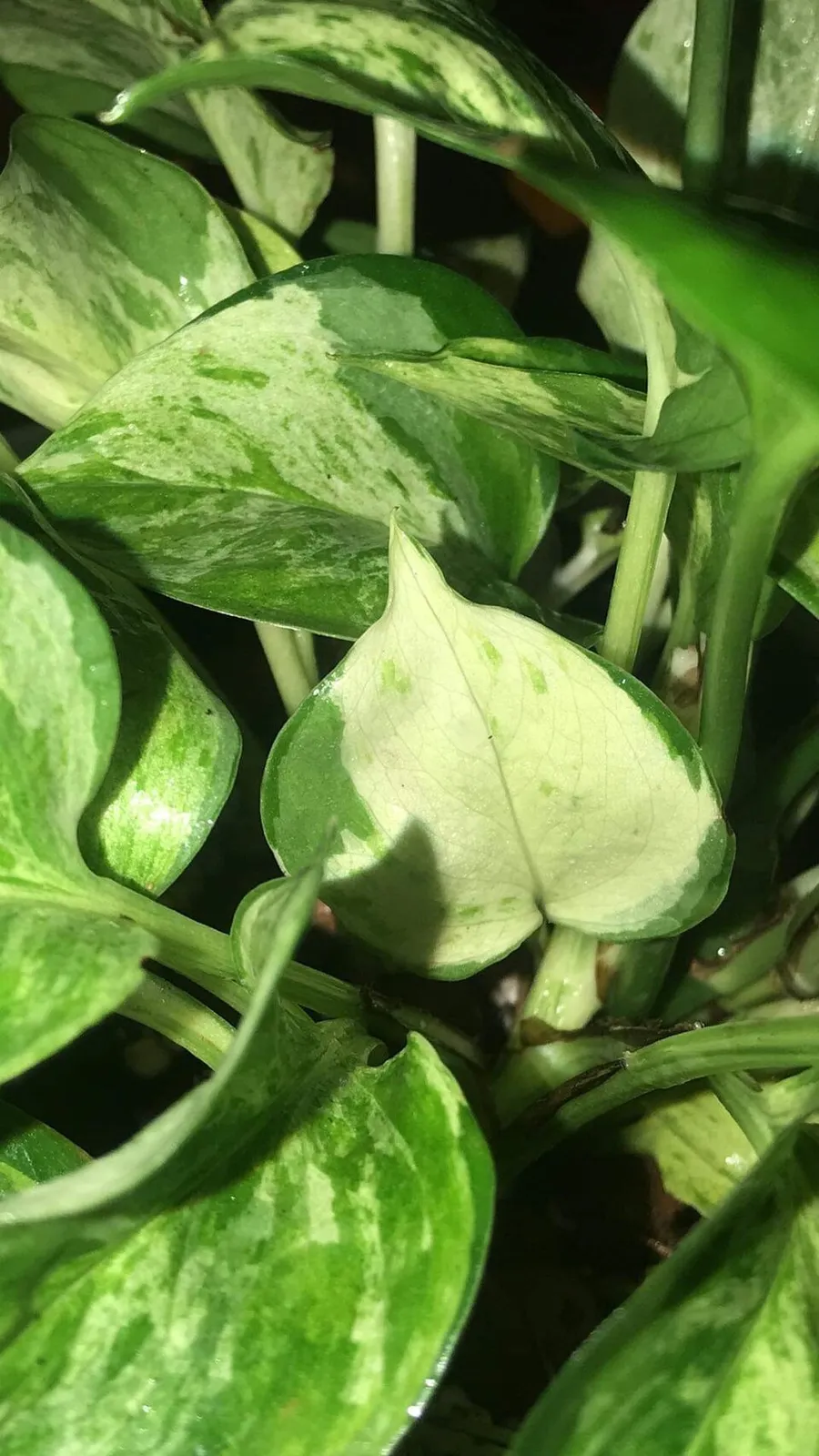
Epipremnum aureum 'Manjula', commonly known as Manjula pothos, is a highly esteemed ornamental cultivar originating from the diverse genus Epipremnum, which is a member of the Araceae family. This specific variety is celebrated for its distinctive variegated foliage and robust vining growth habit. Morphologically, the Manjula pothos exhibits large, heart-shaped leaves, typically measuring between 10 to 18 centimeters (4 to 7 inches) in length, characterized by an intricate mosaic of white, cream, silver, and various shades of green. The variegation patterns are unique to each leaf, often presenting as swirls and splashes from the midrib to the margins, with a glossy, subtly puckered surface that enhances its aesthetic appeal.
The stems are slender, herbaceous, and flexible, displaying a greenish-brown hue, lacking any significant bark texture. While it can be trained to climb with support, it is more commonly cultivated to trail or cascade gracefully from hanging baskets or shelves, reaching lengths of up to 60 centimeters (24 inches) indoors. In its native habitat, the species Epipremnum aureum originates from the tropical rainforests of the Solomon Islands and other parts of Southeast Asia, where it thrives as a vigorous epiphyte or terrestrial creeper, scrambling over rocks and tree trunks. The 'Manjula' cultivar, like its parent species, is adapted to warm, humid environments, making it an ideal indoor plant.
Taxonomically, it is classified under the genus Epipremnum, which is part of the larger Araceae family, known for its diverse range of monocotyledonous plants, many of which contain calcium oxalate crystals. Historically, while the species Epipremnum aureum holds some cultural significance in various regions as a symbol of good luck or prosperity, the 'Manjula' cultivar is primarily valued for its exceptional ornamental qualities and its recognized capacity to contribute to improved indoor air quality, a characteristic shared with its parent species.
Trusted Scientific References
1. Authoritative external sources for Epipremnum aureum Manjula
1.1 Wikipedia — Epipremnum aureum Manjula
1.2 Kew POWO (Plants of the World Online)
1.3 PubMed — peer-reviewed research
1.4 NCBI Taxonomy Browser
1.5 GBIF — Global Biodiversity
1.1.Epipremnum Manjula — Defining Traits
- ✓Distinctive Variegation — Features unique splashes of white, cream, and green on heart-shaped leaves.
- ✓Heart — shaped Foliage — Leaves are characteristically cordate, providing a classic ornamental appeal.
- ✓Vining Growth Habit — Naturally trails or climbs, suitable for hanging baskets or trellises.
- ✓Low Maintenance — Relatively easy to care for, tolerant of some neglect.
- ✓Indoor Air Purifier — Effectively removes common indoor air pollutants.
- ✓Adaptable to Light Conditions — Thrives in bright, indirect light but can tolerate lower light levels.
- ✓Tropical Origin — Prefers warm temperatures and moderate to high humidity.
- ✓Non — Flowering Indoors — Primarily grown for its foliage, rarely flowers in cultivation.
- ✓Toxic to Ingest — Contains calcium oxalate crystals, making it harmful if consumed.
- ✓Easy Propagation — Readily roots from stem cuttings, allowing for easy reproduction.
1.2.Epipremnum Manjula — Quick Summary
- ✓Epipremnum aureum 'Manjula' is an ornamental, variegated pothos cultivar.
- ✓Known for distinctive white, cream, and green heart-shaped leaves.
- ✓Excellent for indoor air purification and aesthetic enhancement.
- ✓Requires bright, indirect light, well-draining soil, and moderate humidity.
- ✓All parts of the plant are toxic if ingested due to calcium oxalate crystals.
- ✓Easy to care for and propagate, making it a popular houseplant choice.
2.Epipremnum Manjula — Scientific Profile
3.Epipremnum Manjula — Reference Facts
4.Epipremnum Manjula — Plant Morphology
5.Epipremnum Manjula — Geographic Distribution
6.Epipremnum Manjula — Cultural & Traditional Roles
7.Epipremnum Manjula — Active Compounds
- ✓Calcium Oxalate Crystals — These insoluble crystals, primarily raphides, are abundant throughout the plant and are responsible for its toxic effects upon ingestion, causing irritation to mucous membranes.
- ✓Flavonoids — A diverse group of polyphenolic compounds often found in plants, contributing to antioxidant activity and potentially playing a role in plant defense mechanisms.
- ✓Phenolic Acids — Simple phenolic compounds that may also possess antioxidant properties, found in various plant tissues and contributing to the plant's overall chemical profile.
- ✓Volatile Organic Compounds (VOCs) — While the plant absorbs external VOCs, it also produces a range of its own volatile compounds, primarily for defense against herbivores or signaling.
- ✓Saponins — Glycosides that produce a foamy lather when agitated in water; they can have various biological activities and are part of the plant's natural chemical defense system.
- ✓Terpenoids — A large class of organic chemicals derived from five-carbon isoprene units, often responsible for plant aromas and involved in plant-insect interactions.
- ✓Alkaloids — Nitrogen-containing organic compounds, often with significant physiological effects, though specific potent alkaloids in Epipremnum aureum are not widely emphasized in non-toxicological contexts.
- ✓Anthocyanins — Pigments responsible for red, purple, and blue colors in some plant parts, though less prominent in the green and white variegation of Manjula pothos, they can be present in trace amounts.
- ✓Polysaccharides — Complex carbohydrates that form structural components of the plant cell walls and can also serve as energy storage molecules.
8.Epipremnum Manjula — Modern Studies
- ✓Indoor Air Purification — Manjula pothos, like other Epipremnum aureum varieties, is highly effective at absorbing common indoor volatile organic compounds (VOCs) such as formaldehyde, benzene, and xylene from the air, contributing to a healthier living environment.
- ✓Stress Reduction — The presence of lush, variegated foliage in indoor spaces has been shown to reduce psychological stress and improve mood, promoting a sense of calm and well-being through biophilic design principles.
- ✓Humidity Regulation — As a tropical plant, Manjula pothos releases moisture through transpiration, subtly increasing ambient humidity levels, which can be beneficial in dry indoor climates for respiratory comfort.
- ✓Aesthetic Therapy — The unique and striking variegation patterns of the Manjula pothos offer visual interest and a connection to nature, acting as a form of passive aesthetic therapy that enhances living or working spaces.
- ✓Focus and Productivity Enhancement — Studies suggest that incorporating plants into workspaces can improve concentration, memory retention, and overall productivity by reducing mental fatigue and creating a more engaging environment.
- ✓Negative Ion Generation — Some research indicates that plants can generate negative ions, which are believed to help purify the air and have a positive impact on human physiology, though this effect is generally modest.
- ✓Odor Neutralization — While not a primary function, the plant's ability to absorb airborne chemicals can subtly contribute to neutralizing unpleasant odors in confined indoor spaces.
- ✓Environmental Enrichment — Introducing Manjula pothos enriches the indoor ecosystem, supporting biodiversity within the home and fostering a connection to the natural world, which can have indirect health benefits.
- ✓Symbolic Well-being — In some cultural contexts, plants like pothos are considered symbols of good fortune or growth, providing psychological comfort and positive affirmations to individuals.
8.1.Epipremnum Manjula — Reported Uses
9.Epipremnum Manjula — Adverse Effects
9.1.Epipremnum Manjula — Side Effects & Warnings
- ✓Oral Irritation — Ingestion of any part of the Manjula pothos can cause immediate and intense burning, swelling, and irritation of the mouth, tongue, and throat due to calcium oxalate crystals.
- ✓Digestive Upset — Symptoms such as nausea, vomiting, abdominal pain, and diarrhea may occur following ingestion.
- ✓Skin Irritation — Direct contact with the sap can cause skin redness, itching, and irritation, particularly in sensitive individuals.
- ✓Eye Irritation — Accidental contact of sap with eyes can lead to pain, redness, swelling, and temporary blurred vision.
- ✓Swelling of Airways — In severe cases of ingestion, swelling of the throat and airways can impair breathing, requiring immediate medical attention.
- ✓Difficulty Swallowing — Due to oral and pharyngeal irritation and swelling, individuals may experience dysphagia (difficulty swallowing).
- ✓Pet Toxicity — Highly toxic to cats and dogs, causing similar symptoms of oral irritation, vomiting, and difficulty breathing, necessitating veterinary care.
9.2.Epipremnum Manjula — Safety Profile
- ✓Ingestion Warning — Manjula pothos is toxic if ingested by humans or pets due to the presence of calcium oxalate crystals; keep out of reach of children and animals.
- ✓Skin Contact Precaution — Handle with gloves, especially when pruning or repotting, to avoid potential skin irritation from the sap.
- ✓Eye Protection — Avoid rubbing eyes after handling the plant; rinse thoroughly with water if sap comes into contact with the eyes and seek medical advice.
- ✓Emergency Protocol — In case of ingestion or severe exposure, immediately contact a poison control center or seek emergency medical attention.
- ✓Indoor Use Only — This plant is strictly for ornamental indoor cultivation and should not be used in any form of herbal medicine or culinary preparation.
- ✓Proper Placement — Position plants in elevated locations or secure areas where curious pets and young children cannot easily access them.
- ✓Ventilation — Ensure good ventilation when working with many plants, though specific respiratory irritants from Manjula pothos are primarily from direct contact or ingestion.
10.Epipremnum Manjula — Application Forms
- ✓Ornamental Display — Primarily used as a decorative houseplant, its striking variegation makes it a popular choice for shelves, desks, or hanging baskets.
- ✓Indoor Air Filtration — Strategically place Manjula pothos in living spaces or offices to leverage its natural ability to absorb common airborne toxins, enhancing indoor air quality.
- ✓Biophilic Design Element — Integrate the plant into interior design schemes to foster a connection with nature, promoting psychological well-being and reducing stress.
- ✓Educational Tool — Utilize the plant to teach about plant care, photosynthesis, and the importance of indoor plants for environmental health, particularly for children and students.
- ✓Humidity Enhancement — Group several Manjula pothos plants together, especially in dry rooms, to collectively increase ambient humidity through transpiration.
- ✓Green Wall Integration — Incorporate Manjula pothos into vertical gardens or living walls for aesthetic appeal and enhanced air purification in larger indoor environments.
- ✓Safe Handling — Always wear gloves when handling the plant, especially during pruning or repotting, to avoid skin irritation from calcium oxalate crystals.
- ✓Pet and Child Safety — Ensure plants are placed out of reach of pets and young children due to their inherent toxicity if ingested.
11.Epipremnum Manjula — Propagation & Care
- ✓Light — Provide bright, indirect light; direct harsh sun can scorch leaves and diminish variegation, while too low light may cause variegation to fade.
- ✓Soil — Use a well-draining, loose potting mix, ideally a loamy soil amended with perlite or orchid bark to ensure adequate aeration and prevent waterlogging.
- ✓Watering — Allow the top 2-3 inches of soil to dry out between waterings; consistent moisture is preferred, but avoid overwatering to prevent root rot.
- ✓Temperature and Humidity — Maintain standard indoor temperatures between 18-29°C (65-85°F) and ideally provide moderate to high humidity (50-70%) for optimal growth, especially in dry climates.
- ✓Fertilization — Feed monthly during the active growing season (spring and summer) with a balanced liquid fertilizer diluted to half strength; reduce or cease feeding in fall and winter.
- ✓Pruning — Prune leggy vines to encourage bushier growth and maintain desired shape; regular trimming can also rejuvenate older plants and remove yellowing leaves.
- ✓Propagation — Easily propagated by stem cuttings placed in water or directly into moist potting mix; ensure each cutting has at least one node for root development.
- ✓Repotting — Repot when the plant becomes root-bound, typically every 1-2 years, moving to a pot one size larger with fresh potting mix to support continued growth.
Reviewed by the Flora Medical Global Botanical Review Panel
Multi-disciplinary editorial group · Botany · Ethnobotany · Herbal-medicine literature
Who reviewed this: This page was checked by the Flora Medical Global Botanical Review Panel — an in-house editorial group of botany graduates, ethnobotany researchers, and horticulture practitioners who collectively maintain our 7,000+ plant encyclopedia. Meet the team.
Our 4-step verification process
1. Taxonomic verification
Scientific names and synonyms cross-checked against Kew POWO, World Flora Online, and The Plant List.
2. Phytochemical & medicinal cross-reference
Active compounds, traditional uses, and reported activities are cross-referenced with PubMed, USDA Dr. Duke's database, and peer-reviewed ethnobotanical literature.
3. Conservation & distribution check
Distribution, ecology, and conservation status confirmed against GBIF occurrence records and the IUCN Red List.
4. Editorial & safety review
Every entry passes an editorial pass for clarity, originality, and safety notices (toxicity, contraindications, dosage caveats) before publication.
Last reviewed:
Important medical disclaimer: This content is for educational and research purposes only. It is not medical advice and is not a substitute for consultation with a licensed healthcare provider. Do not use any herb to self-treat a medical condition without professional guidance.
Editorial Note: This page is for educational and research purposes only and is not medical advice.
Written by: Flora Medical Global Editorial Team
Reviewed by: Flora Medical Global Botanical Review Panel
Last Updated: June 15, 2026





Epipremnum Manjula — Comments & Community Reviews
Rate this plant