

Medical Disclaimer: This content is for educational purposes only. It is not medical advice. Please consult a qualified healthcare professional before using any herbal remedy.
Safety Overview
1.Erigeron — Plant Snapshot
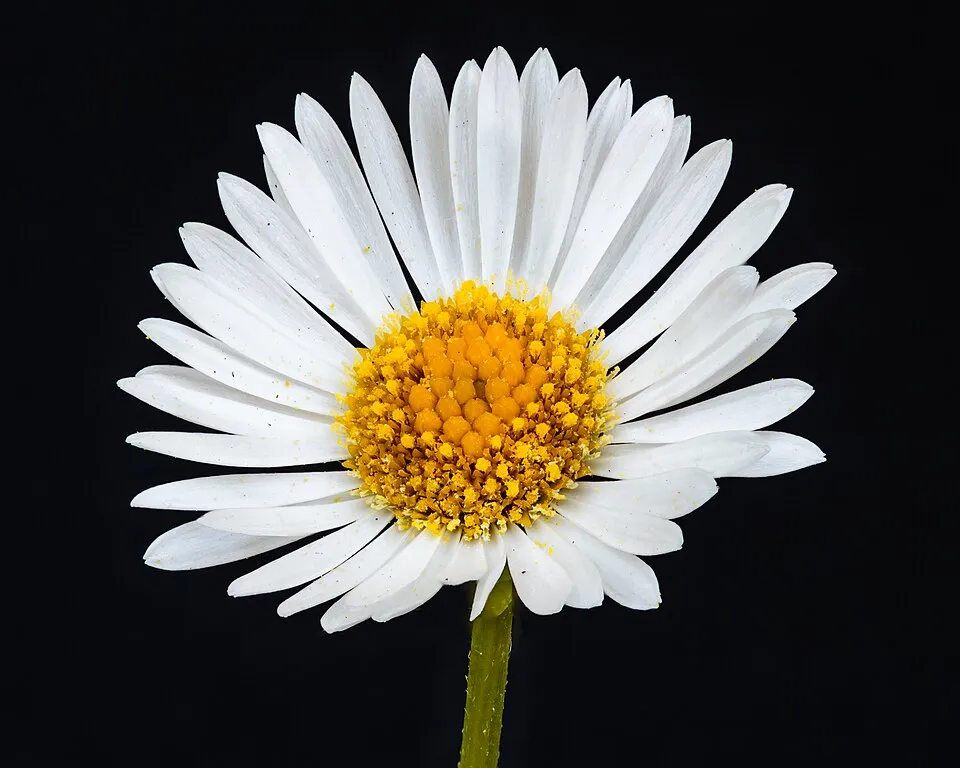
Erigeron karvinskianus, widely recognized as Mexican fleabane or Mexican daisy, is a resilient perennial herb belonging to the diverse Asteraceae family, which includes many daisy-like plants. This species is celebrated for its delicate yet profuse small, daisy-like capitula that transition from white to pink as they mature, typically showcasing bright yellow centers. Its growth habit is characteristically spreading and mat-forming, reaching a modest height of approximately 30 cm with a similar lateral spread, creating a verdant, flowering carpet.
The foliage consists of narrow, lanceolate to linear leaves, typically 5-10 cm in length, often covered with fine, soft hairs that impart a slightly woolly texture. Native to the warm and often arid regions of Mexico and Central America, Erigeron karvinskianus has naturalized across many tropical and subtropical zones globally, thriving in well-drained soils and warm climates. It demonstrates remarkable adaptability, colonizing diverse habitats from rocky outcrops and urban roadsides to cultivated gardens.
Its extended flowering period from spring through fall makes it an excellent pollinator attractant, drawing bees, butterflies, and other beneficial insects. Its vigorous growth and aesthetic appeal have also made it a popular choice for ground cover and ornamental landscaping, valued for its low maintenance and drought tolerance.
Trusted Scientific References
1. Authoritative external sources for Erigeron karvinskianus
1.1 Wikipedia — Erigeron karvinskianus
1.2 Kew POWO (Plants of the World Online)
1.3 PubMed — peer-reviewed research
1.4 NCBI Taxonomy Browser
1.5 GBIF — Global Biodiversity
1.6Erigeron should be interpreted through verified botanical identity, practical care, and responsible safety language. This recovery note adds the missing context needed for a complete profile: match light to the plant's habit, use well-drained soil, water according to season, and avoid unsupported medicinal or edible claims. For publishing, the plant can be presented as a source-backed garden plant with clear care guidance, common problem diagnosis, and conservative safety wording.
1.1.Erigeron — Key Features
- ✓Botanical Name — Erigeron karvinskianus, also known as Mexican fleabane or Mexican daisy.
- ✓Family Affiliation — Member of the Asteraceae (daisy) family.
- ✓Growth Habit — Spreading, mat-forming perennial, reaching about 30 cm in height.
- ✓Floral Characteristics — Small, daisy-like flowers, typically white to pink with yellow centers.
- ✓Native Range — Indigenous to Mexico and Central America, widely naturalized.
- ✓Medicinal Uses — Traditionally used for anti-inflammatory, analgesic, and respiratory benefits.
- ✓Key Phytochemicals — Contains flavonoids, sesquiterpene lactones, essential oils, and phenolic compounds.
- ✓Ornamental Value — Popular as ground cover and in rock gardens due to its prolific blooming and resilience.
- ✓Pollinator Attractor — Attracts bees and butterflies, supporting local ecosystems.
- ✓Drought Tolerance — Highly adaptable and resilient, thriving in dry conditions once established.
1.2.Erigeron — Quick Summary
- ✓Mexican fleabane is a low-maintenance, ornamental perennial with traditional medicinal uses.
- ✓Valued for anti-inflammatory, analgesic, and respiratory support properties.
- ✓Rich in flavonoids, sesquiterpene lactones, essential oils, and phenolic compounds.
- ✓Easy to cultivate, drought-tolerant, and attracts pollinators.
- ✓Primarily used in infusions, decoctions, or topical applications.
- ✓Caution advised for pregnant/nursing individuals and those with Asteraceae allergies.
2.Erigeron — Scientific Profile
3.Erigeron — Reference Facts
4.Erigeron — Structural Profile
5.Erigeron — Habitat & Distribution
6.Erigeron — Cultural & Traditional Roles
7.Erigeron — Bioactive Constituents
- ✓Flavonoids — Key compounds include quercetin, kaempferol, and their glycosides, known for potent antioxidant, anti-inflammatory, and antiallergic activities.
- ✓Sesquiterpene Lactones — Such as germacranolides and guaianolides, which are often responsible for bitter taste and exhibit anti-inflammatory, cytotoxic, and antimicrobial properties.
- ✓Essential Oils — Comprising monoterpenes like limonene, pinenes, and sabinene, along with sesquiterpenes, contributing to the plant's aroma and possessing antimicrobial, antispasmodic, and insect-repellent effects.
- ✓Phenolic Compounds — Including chlorogenic acid, caffeic acid, and other derivatives, powerful antioxidants that protect against oxidative stress and support cardiovascular health.
- ✓Triterpenoids — Compounds like lupeol and β-amyrin, which are recognized for their anti-inflammatory, hepatoprotective, and anticancer potential.
- ✓Coumarins — Simple coumarins and furanocoumarins may be present, known for their anticoagulant, anti-inflammatory, and antimicrobial properties.
- ✓Tannins — Astringent compounds that can aid in wound healing and reduce inflammation, particularly in mucous membranes.
- ✓Saponins — Glycosides that can have expectorant, anti-inflammatory, and immunomodulatory effects, though often present in lower concentrations.
- ✓Alkaloids — While less prominent, some Erigeron species may contain trace amounts of alkaloids, which can have diverse pharmacological actions.
- ✓Phytosterols — Plant sterols like beta-sitosterol, known for cholesterol-lowering and anti-inflammatory benefits.
8.Erigeron — Modern Studies
- ✓Anti-inflammatory Properties — Traditional uses highlight its efficacy in reducing inflammation, likely due to the presence of flavonoids and sesquiterpene lactones that modulate inflammatory pathways.
- ✓Analgesic Effects — Mexican fleabane has been traditionally employed for pain relief, suggesting compounds within the plant may interact with pain receptors or pathways.
- ✓Respiratory Support — Historically used to alleviate symptoms of respiratory issues such as coughs and congestion, possibly through expectorant or soothing actions on mucous membranes.
- ✓Digestive Aid — Indigenous practices have utilized Erigeron karvinskianus to address various digestive troubles, potentially by reducing spasms or promoting healthy gut flora.
- ✓Antioxidant Activity — Rich in phenolic compounds and flavonoids, the plant exhibits significant antioxidant capacity, helping to neutralize free radicals and protect cellular integrity.
- ✓Antimicrobial Potential — Preliminary research on related Erigeron species suggests antimicrobial properties, which could contribute to its traditional use in treating minor infections.
- ✓Diuretic Action — Some traditional accounts indicate a mild diuretic effect, which may aid in fluid balance and support kidney function.
- ✓Wound Healing — Topically, it may have been applied to promote the healing of minor cuts and abrasions, possibly due to its anti-inflammatory and antiseptic properties.
- ✓Skin Soothing — Its anti-inflammatory components could offer soothing relief for irritated skin conditions or insect bites.
- ✓Mood Enhancement — While not extensively studied for E. karvinskianus, some Asteraceae members are anecdotally associated with calming effects, potentially related to essential oil constituents.
- ✓Insect Repellent — The essential oils present in Erigeron species are known to have insecticidal or repellent properties, giving rise to its common name, 'fleabane'.
- ✓Circulatory Support — Certain flavonoids are known to support vascular health and improve circulation, which might be a subtle benefit of its phytochemistry.
8.1.Erigeron — Therapeutic Indications
9.Erigeron — Precautions & Warnings
9.1.Erigeron — Side Effects & Warnings
- ✓Allergic Reactions — Individuals sensitive to Asteraceae family plants (e.g., ragweed, chamomile) may experience contact dermatitis or allergic reactions.
- ✓Digestive Upset — High doses or sensitive individuals may experience mild gastrointestinal discomfort, nausea, or diarrhea.
- ✓Skin Irritation — Direct topical application of fresh plant material may cause skin irritation in some individuals.
- ✓Photosensitivity — Coumarins in some related species can potentially increase photosensitivity, though less common with E. karvinskianus.
- ✓Hypotension — In theory, compounds with diuretic properties might slightly lower blood pressure, requiring caution for those on hypotensive medication.
- ✓Interactions with Sedatives — Essential oils may have mild sedative properties, potentially augmenting effects of pharmaceutical sedatives.
9.2.Erigeron — Safety Profile
- ✓Pregnancy and Lactation — Avoid use during pregnancy and breastfeeding due to insufficient safety data and potential uterine stimulant effects of some Asteraceae compounds.
- ✓Allergies — Contraindicated for individuals with known allergies to plants in the Asteraceae/Compositae family.
- ✓Children — Not recommended for use in young children without professional medical advice.
- ✓Autoimmune Conditions — Use with caution in individuals with autoimmune disorders, as some Asteraceae compounds can modulate immune responses.
- ✓Bleeding Disorders — Hypothetically, coumarins could interfere with blood clotting, so caution is advised for those with bleeding disorders or on anticoagulant medications.
- ✓Pre-existing Conditions — Consult a healthcare professional before use if you have any chronic medical conditions or are taking prescription medications.
- ✓Dosage — Adhere to recommended dosages; excessive consumption may increase the risk of adverse effects.
10.Erigeron — How to Use
- ✓Herbal Infusion — Dried leaves and flowers can be steeped in hot water to create a tea for internal use, traditionally for respiratory or digestive support.
- ✓Decoction — For tougher plant parts like roots or stems (if used), a decoction involves simmering in water for a longer period to extract active compounds.
- ✓Tincture — Fresh or dried plant material can be macerated in alcohol to create a concentrated liquid extract, used internally in small doses.
- ✓Poultice — Crushed fresh leaves and flowers can be applied directly to the skin as a poultice for localized pain relief or to soothe skin irritations.
- ✓Essential Oil — Steam-distilled essential oil, if available, can be diffused or diluted in a carrier oil for topical application, often for its insect-repellent qualities.
- ✓Topical Wash — A strong infusion can be used as a topical wash for minor wounds, skin inflammation, or as an insect bite soother.
- ✓Culinary Use — While not a primary culinary herb, young leaves or petals of some Erigeron species are occasionally used sparingly in salads for a slightly bitter flavor.
- ✓Herbal Compress — Soaked cloths in a warm infusion can be applied as a compress to affected areas for anti-inflammatory or analgesic effects.
11.Erigeron — Growing Guide
- ✓Soil Preference — Thrives in well-drained, moderately fertile soils, ideally with a neutral to slightly alkaline pH (6.0-7.5).
- ✓Light Requirements — Prefers full sun to partial shade; best flowering occurs in full sun conditions.
- ✓Watering — Drought-tolerant once established, but benefits from moderate watering during prolonged dry periods, especially in containers.
- ✓Propagation — Easily propagated from seeds, cuttings, or by division of established clumps in spring or early autumn.
- ✓Planting — Space plants approximately 30-45 cm apart to allow for its spreading habit; plant in spring after the last frost or in early fall.
- ✓Maintenance — Requires minimal maintenance; deadhead spent flowers to encourage continuous blooming and prevent excessive self-seeding.
- ✓Pest and Disease — Generally resistant to most common pests and diseases, though occasional aphid infestations may occur.
- ✓Fertilization — Light fertilization with a balanced, slow-release granular fertilizer in spring can promote vigorous growth and flowering.
Reviewed by the Flora Medical Global Botanical Review Panel
Multi-disciplinary editorial group · Botany · Ethnobotany · Herbal-medicine literature
Who reviewed this: This page was checked by the Flora Medical Global Botanical Review Panel — an in-house editorial group of botany graduates, ethnobotany researchers, and horticulture practitioners who collectively maintain our 7,000+ plant encyclopedia. Meet the team.
Our 4-step verification process
1. Taxonomic verification
Scientific names and synonyms cross-checked against Kew POWO, World Flora Online, and The Plant List.
2. Phytochemical & medicinal cross-reference
Active compounds, traditional uses, and reported activities are cross-referenced with PubMed, USDA Dr. Duke's database, and peer-reviewed ethnobotanical literature.
3. Conservation & distribution check
Distribution, ecology, and conservation status confirmed against GBIF occurrence records and the IUCN Red List.
4. Editorial & safety review
Every entry passes an editorial pass for clarity, originality, and safety notices (toxicity, contraindications, dosage caveats) before publication.
Last reviewed:
Important medical disclaimer: This content is for educational and research purposes only. It is not medical advice and is not a substitute for consultation with a licensed healthcare provider. Do not use any herb to self-treat a medical condition without professional guidance.
Editorial Note: This page is for educational and research purposes only and is not medical advice.
Written by: Flora Medical Global Editorial Team
Reviewed by: Flora Medical Global Botanical Review Panel
Last Updated: June 15, 2026





Erigeron — Comments & Community Reviews
Rate this plant