


Medical Disclaimer: This content is for educational purposes only. It is not medical advice. Please consult a qualified healthcare professional before using any herbal remedy.
Safety Overview
1.Erigeron Karvinskianus — At a Glance
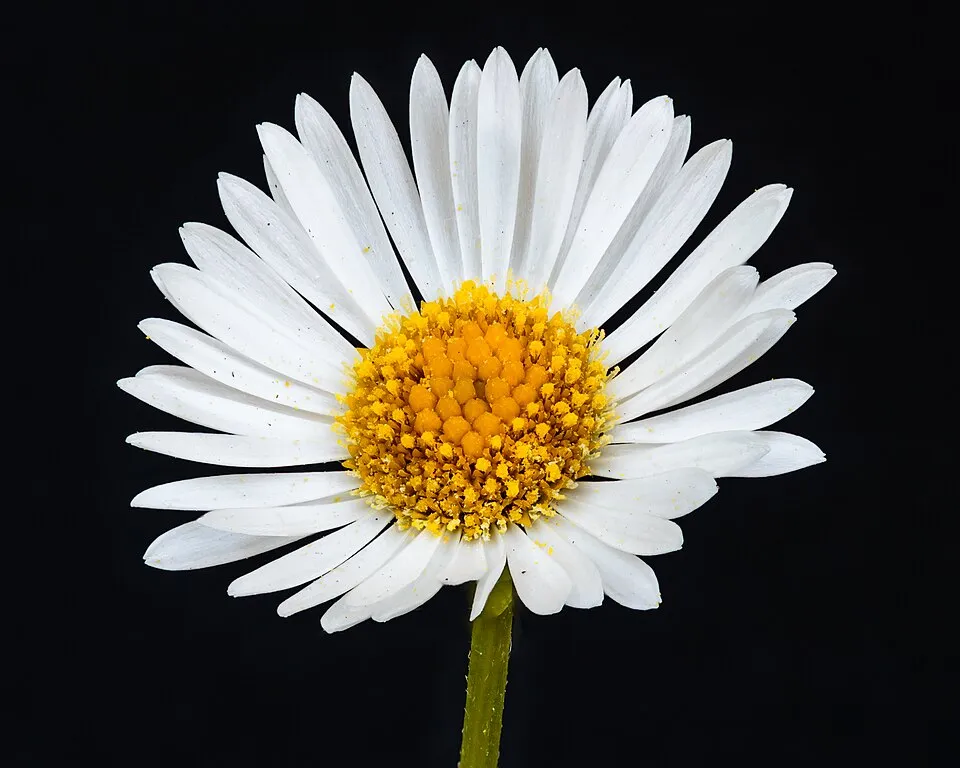
Erigeron Karvinskianus, commonly known as Mexican Fleabane or Santa Barbara Daisy, is a resilient perennial herbaceous plant belonging to the Asteraceae family. Native to Mexico and Central America, this species has become widely naturalized across temperate and subtropical regions globally due to its adaptability and ornamental appeal. It typically forms a low-growing, sprawling mat, reaching heights of approximately 15 to 30 centimeters, though it can climb or trail over surfaces.
The plant features slender, wiry stems adorned with small, broadly ovate to lanceolate leaves, often with slightly toothed margins, presenting a fresh green color. Its most distinctive feature is its profusion of delicate, daisy-like flowers, which emerge white and gradually mature to a pale pink or purplish hue. These charming blooms, typically measuring 1-2 cm in diameter, appear almost continuously from late spring through autumn, attracting a diverse array of pollinators such as bees and butterflies.
Erigeron Karvinskianus thrives in a variety of well-drained habitats, including rocky outcrops, old walls, garden borders, and disturbed ground, demonstrating remarkable drought tolerance once established. The presence of fine hairs on its foliage helps to minimize water loss, contributing to its hardiness.
Trusted Scientific References
1. Authoritative external sources for Erigeron Karvinskianus
1.1 Wikipedia — Erigeron Karvinskianus
1.2 Kew POWO (Plants of the World Online)
1.3 PubMed — peer-reviewed research
1.4 NCBI Taxonomy Browser
1.5 GBIF — Global Biodiversity
1.6Erigeron Karvinskianus should be interpreted through verified botanical identity, practical care, and responsible safety language. This recovery note adds the missing context needed for a complete profile: match light to the plant's habit, use well-drained soil, water according to season, and avoid unsupported medicinal or edible claims. For publishing, the plant can be presented as a source-backed garden plant with clear care guidance, common problem diagnosis, and conservative safety wording.
1.1.Erigeron Karvinskianus — Notable Characteristics
- ✓Resilient perennial groundcover. — Resilient perennial groundcover.
- ✓Continuous blooming with white to pink/purple daisy — like flowers.
- ✓Highly attractive to — Highly attractive to pollinators like bees and butterflies.
- ✓Exceptional drought tolerance — Exceptional drought tolerance once established.
- ✓Spreads readily via self — seeding and rhizomes, ideal for naturalizing.
- ✓Contains beneficial essential — Contains beneficial essential oils, flavonoids, and polyacetylenes.
- ✓Traditional uses for — Traditional uses for inflammation, digestion, and antioxidant support.
- ✓Low maintenance requirements, — Low maintenance requirements, adaptable to various garden settings.
- ✓Young leaves are — Young leaves are traditionally consumed in some cultures.
- ✓Member of the — Member of the large and diverse Asteraceae plant family.
1.2.Erigeron Karvinskianus — At-a-Glance Summary
- ✓Mexican Fleabane is a charming, low-maintenance ornamental perennial.
- ✓Traditionally valued for anti-inflammatory, antioxidant, and digestive benefits.
- ✓Rich in essential oils (limonene, β-pinene) and flavonoids.
- ✓Adapts to various conditions, thriving in well-drained soils and full sun.
- ✓Caution advised for individuals with Asteraceae allergies.
- ✓Used culinarily (young leaves) and medicinally (infusions, tinctures, poultices).
2.Erigeron Karvinskianus — Nomenclature & Classification
3.Erigeron Karvinskianus — Vital Statistics
4.Erigeron Karvinskianus — Botanical Features
5.Erigeron Karvinskianus — Native Range & Habitat
6.Erigeron Karvinskianus — Traditional Uses
7.Erigeron Karvinskianus — Phytochemistry
- ✓Essential Oils — Characterized by monoterpenes like limonene, β-pinene, and β-ocimene, which contribute to its aroma and possess anti-inflammatory and antimicrobial properties.
- ✓Polyacetylenes — Compounds such as matricaria ester and lachnophyllum ester are present, known for their potential antimicrobial and cytotoxic activities, common in the Asteraceae family.
- ✓Flavonoids — Includes quercetin glycosides and luteolin derivatives, potent antioxidants that also contribute to the plant's anti-inflammatory and free-radical scavenging capabilities.
- ✓Phenolic Acids — Such as chlorogenic acid and caffeic acid, offering significant antioxidant and anti-inflammatory benefits.
- ✓Terpenoids — A broad class encompassing the monoterpenes and sesquiterpenes (e.g., α-murolene) found in its essential oils, responsible for diverse biological activities.
- ✓Tannins — Astringent compounds that may contribute to its traditional use in wound healing and as a digestive aid.
- ✓Saponins — Glycosides that can have expectorant, anti-inflammatory, and immune-modulating effects, though typically in lower concentrations.
- ✓Polysaccharides — Complex carbohydrates that may offer immunomodulatory and prebiotic benefits, supporting overall wellness.
8.Erigeron Karvinskianus — Pharmacological Findings
- ✓Anti-inflammatory Support — Erigeron Karvinskianus contains compounds that may help reduce inflammation, potentially alleviating pain and swelling in various conditions.
- ✓Antioxidant Protection — Rich in flavonoids and other phenolics, this plant exhibits significant antioxidant activity, safeguarding cells from damage caused by free radicals.
- ✓Digestive Aid — Traditionally, it has been used to soothe minor gastrointestinal discomfort, potentially acting as a carminative or antispasmodic to ease indigestion.
- ✓Antimicrobial Properties — Essential oils extracted from Erigeron species, including Karvinskianus, have demonstrated in-vitro activity against certain bacteria and fungi.
- ✓Pain Management — Its anti-inflammatory and potentially analgesic constituents may contribute to natural pain relief, particularly for muscle aches or minor injuries.
- ✓Diuretic Action — Some traditional uses suggest a mild diuretic effect, aiding in fluid balance and supporting kidney function.
- ✓Wound Healing — Applied topically, preparations of the plant may assist in the healing of minor cuts and abrasions due to its astringent and antimicrobial qualities.
- ✓Astringent Effects — The plant's compounds can help to tighten and tone tissues, which is beneficial for skin health and managing minor bleeding.
- ✓Immune System Modulation — While not extensively studied for this species, some Erigeron relatives show potential for supporting immune responses.
- ✓Antispasmodic Relief — Certain constituents may help relax smooth muscles, offering relief from cramps and spasms.
8.1.Erigeron Karvinskianus — Reported Uses
9.Erigeron Karvinskianus — Safety Considerations
9.1.Erigeron Karvinskianus — Side Effects & Warnings
- ✓Allergic Reactions — Individuals sensitive to the Asteraceae family (daisies, ragweed, marigolds) may experience allergic contact dermatitis or respiratory symptoms.
- ✓Skin Irritation — Direct topical application of concentrated extracts or essential oil may cause skin irritation or sensitization in some individuals.
- ✓Gastrointestinal Upset — High doses of internal preparations might lead to mild stomach upset, nausea, or diarrhea.
- ✓Drug Interactions — Potential interactions with blood-thinning medications or sedatives due to certain chemical constituents, though specific data for E. Karvinskianus is limited.
- ✓Photosensitivity — While rare, some Asteraceae species can induce photosensitivity, potentially causing skin reactions when exposed to sunlight after ingestion.
- ✓Pregnancy and Lactation — Lack of sufficient safety data advises against use during pregnancy and breastfeeding.
9.2.Erigeron Karvinskianus — Safety Overview
- ✓Professional Consultation — Always consult a healthcare professional before using Erigeron Karvinskianus, especially if you have pre-existing conditions or are on medication.
- ✓Allergic Sensitivity — Avoid use if known allergies to plants in the Asteraceae family exist to prevent adverse reactions.
- ✓Pregnancy and Breastfeeding — Not recommended for use by pregnant or lactating women due to insufficient safety research.
- ✓Topical Patch Test — Perform a patch test on a small skin area before extensive topical application to check for sensitivity or allergic reactions.
- ✓Dosage Adherence — Adhere strictly to recommended dosages, as excessive intake may lead to undesirable side effects.
- ✓Children — Keep herbal preparations out of reach of children and avoid internal use in young children without expert guidance.
- ✓Quality Sourcing — Ensure that any plant material or extract is sourced from reputable suppliers to guarantee purity and prevent contamination.
10.Erigeron Karvinskianus — Preparations & Uses
- ✓Herbal Infusion (Tea) — Dried leaves and flowers can be steeped in hot water to create a tea, traditionally used for digestive support or as a general tonic.
- ✓Tincture — A concentrated alcohol extract of the aerial parts, taken orally in drops, often for its anti-inflammatory or antioxidant properties.
- ✓Poultice — Fresh, crushed leaves can be applied directly to the skin as a poultice to soothe minor irritations, cuts, or insect bites.
- ✓Essential Oil — Obtained through steam distillation of the aerial parts; typically diluted in a carrier oil for topical application or used in aromatherapy.
- ✓Culinary Use — Young, tender leaves can be incorporated into salads or other dishes, offering a slightly bitter, aromatic flavor, as per traditional practices.
- ✓External Wash — A cooled infusion can be used as a topical wash for minor skin conditions, demonstrating its astringent and mild antiseptic qualities.
- ✓Vapor Inhalation — The essential oil, when diffused or added to hot water for steam, may help with respiratory comfort, though use with caution.
11.Erigeron Karvinskianus — How to Grow
- ✓Sunlight — Prefers full sun to partial shade; flowering is most abundant in sunny locations.
- ✓Soil Requirements — Thrives in well-drained soil, tolerating a range of soil types from sandy to loamy, including poor and rocky soils.
- ✓Watering — Requires moderate watering initially; once established, it is highly drought-tolerant and needs minimal supplemental water.
- ✓Propagation — Easily propagated by seed, stem cuttings, or division of established clumps in spring or autumn.
- ✓Hardiness — A hardy perennial, typically suitable for USDA Zones 5-9, tolerating mild frosts but may die back in colder climates.
- ✓Maintenance — Low maintenance; deadheading spent flowers can encourage continuous blooming, and occasional trimming can maintain shape.
- ✓Pests and Diseases — Generally resistant to most common garden pests and diseases, making it a robust choice for various landscapes.
Reviewed by the Flora Medical Global Botanical Review Panel
Multi-disciplinary editorial group · Botany · Ethnobotany · Herbal-medicine literature
Who reviewed this: This page was checked by the Flora Medical Global Botanical Review Panel — an in-house editorial group of botany graduates, ethnobotany researchers, and horticulture practitioners who collectively maintain our 7,000+ plant encyclopedia. Meet the team.
Our 4-step verification process
1. Taxonomic verification
Scientific names and synonyms cross-checked against Kew POWO, World Flora Online, and The Plant List.
2. Phytochemical & medicinal cross-reference
Active compounds, traditional uses, and reported activities are cross-referenced with PubMed, USDA Dr. Duke's database, and peer-reviewed ethnobotanical literature.
3. Conservation & distribution check
Distribution, ecology, and conservation status confirmed against GBIF occurrence records and the IUCN Red List.
4. Editorial & safety review
Every entry passes an editorial pass for clarity, originality, and safety notices (toxicity, contraindications, dosage caveats) before publication.
Last reviewed:
Important medical disclaimer: This content is for educational and research purposes only. It is not medical advice and is not a substitute for consultation with a licensed healthcare provider. Do not use any herb to self-treat a medical condition without professional guidance.
Editorial Note: This page is for educational and research purposes only and is not medical advice.
Written by: Flora Medical Global Editorial Team
Reviewed by: Flora Medical Global Botanical Review Panel
Last Updated: June 15, 2026





Erigeron Karvinskianus — Comments & Community Reviews
Rate this plant